In This Guide
- What Exactly Is an Aeonium? (It's Weirder Than You Think)
- The Aeonium Lineup: From Classic Green to Gothic Black
- The Real Secrets to Aeonium Care (No Fluff)
- Propagating Aeoniums: Making More of a Good Thing
- Common Aeonium Problems (And Real Fixes)
- Aeonium FAQs: Your Questions, Answered
- Wrapping It Up: Embrace the Quirk
Let's be honest. You brought home that gorgeous, architectural aeonium with its perfect rosette, thinking it would be an easy succulent. Then the leaves started dropping. The stem got leggy. The vibrant colors faded. I've been there too. I've killed my share of aeoniums before I figured them out. The truth is, these aren't your average echeveria or sedum. They have their own quirky rules, and once you learn them, they become incredibly rewarding, almost sculptural plants.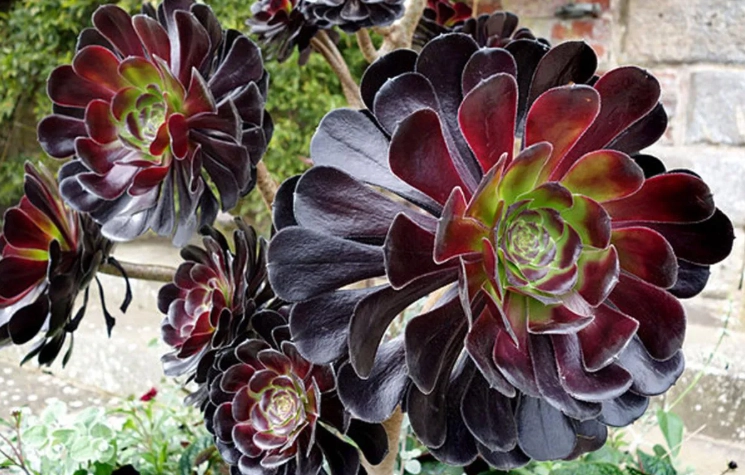
This guide is everything I wish I'd known when I started. We're going to move beyond the basic "succulent care" advice that fails aeoniums and dive into what they actually need.
What Exactly Is an Aeonium? (It's Weirder Than You Think)
First off, knowing where a plant comes from tells you how to care for it. Aeoniums hail from the Canary Islands, Madeira, and parts of North Africa. Think coastal cliffs, mild winters, and summers that are dry but not scorching desert hot. They're part of the Crassulaceae family, cousins to jade plants and kalanchoes.
Here's their big quirk: most aeoniums are monocarpic. Sounds scary, right? It just means the main rosette flowers once, spectacularly, and then dies. But don't panic! It usually takes years to happen, and by then, the plant has produced plenty of offsets (pups) to carry on. The mother plant's sacrifice is your chance for more plants.
Another key trait? Their growth cycle is opposite to many succulents. They are primarily winter growers. They spring to life when the weather cools and rain arrives, and they often go semi-dormant in the peak of summer heat. This one fact explains so many care mistakes.
The Aeonium Lineup: From Classic Green to Gothic Black
Not all aeoniums are created equal. Some sprawl, some stand tall. Some are neon green, others are so dark they look black. Choosing the right one for your space is half the battle.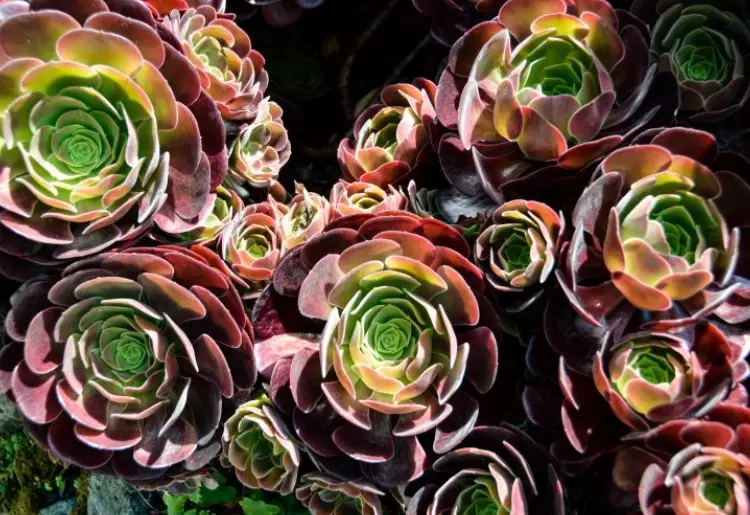
Here’s a breakdown of some of the most popular and accessible types you'll find.
| Common Name & Species | Key Characteristics | Best For | My Notes & Hardiness |
|---|---|---|---|
| Aeonium arboreum 'Zwartkop' (Black Rose) | Deep burgundy-black leaves on tall, branching stems. The classic gothic beauty. | Focal point in pots, dramatic contrast in gardens. | Sun intensifies color. Less cold-hardy than green types. Protect from frost. Can get leggy fast if light is low. |
| Aeonium 'Sunburst' | Variegated rosette with creamy yellow and green stripes, edged in pink. Stunning. | Brightening up mixed containers. A real show-stopper. | More sensitive to sunburn. Needs bright indirect light or morning sun only. Slower grower. |
| Aeonium haworthii (Pinwheel Aeonium) | Blue-green leaves with red edges. Forms dense, shrubby clusters. | Ground cover in mild climates, prolific pot filler. | One of the tougher, more forgiving varieties. Tolerates a bit more water and less light. |
| Aeonium tabuliforme (Dinner Plate Aeonium) | Incredibly flat, large rosette that hugs the ground. Looks like a green pancake. | Unique specimen plant. Conversation piece. | Monocarpic and monocarpic only—the whole plant dies after flowering. But it's spectacular while it lasts. Keep dry at the crown. |
| Aeonium decorum (Green Pinwheel) | Compact, green rosettes that blush red in sun. Very common and versatile. | Beginners, small pots, rock gardens. | The workhorse of the aeonium world. Hardy and easy to propagate. A great starter plant. |
See? There's an aeonium for almost every taste. The Royal Horticultural Society, a gold standard for plant info, has a great database where you can explore even more species and cultivars if you're looking for something truly rare.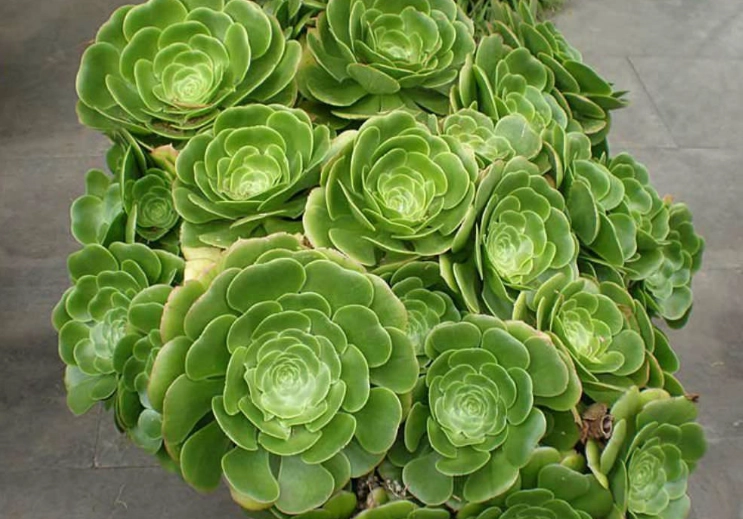
The Real Secrets to Aeonium Care (No Fluff)
Okay, let's get to the meat of it. Here’s the care breakdown that actually works, season by season.
Sunlight: The Goldilocks Principle
This is where people get tripped up. Aeoniums love bright light, but intense, all-day desert sun can scorch them, especially the variegated or darker types. In their native habitat, they often get bright light with some coastal cloud cover or protection.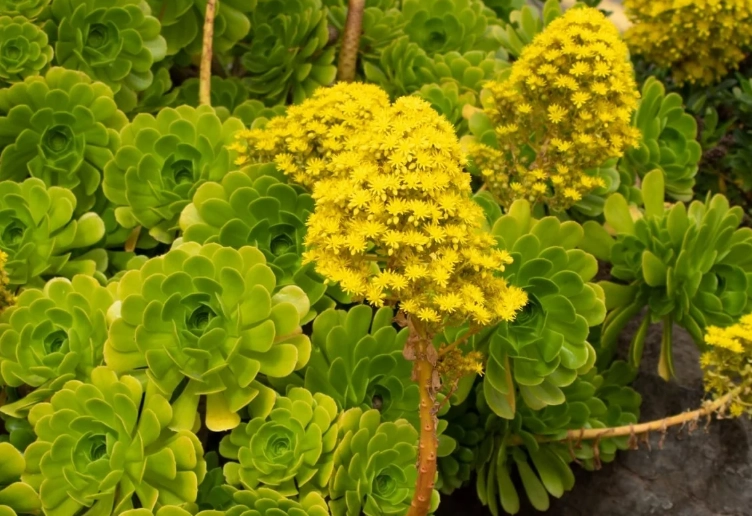
Outdoors (Zones 9-11): Aim for morning sun and afternoon shade, or bright, filtered light all day (like under a tree). Full sun on the coast is fine; inland with hotter summers, provide some protection.
Indoors: The brightest spot you have. A south or west-facing window is ideal. If your aeonium starts stretching out with wide gaps between leaves (etiolation), it's screaming for more light. You might need a grow light.
Watering: The Seasonal Dance
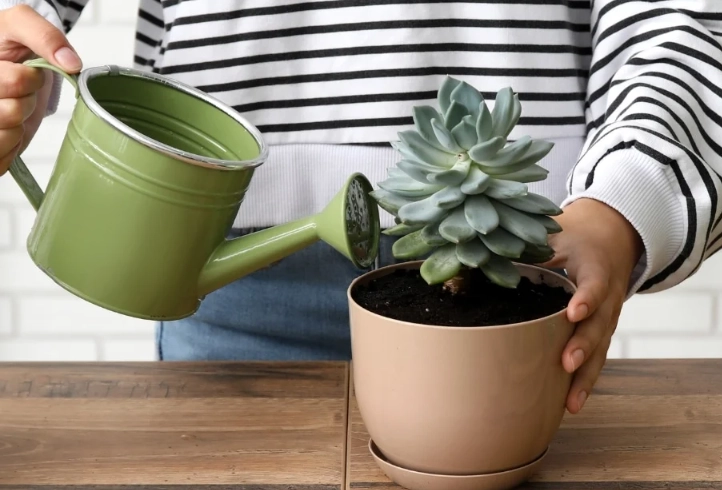
Forget "water every two weeks." Your watering can should follow the plant's growth cycle.
- Fall through Spring (Active Growth): This is when your aeonium is thirsty. Water deeply when the top inch or two of soil is dry. You should see plump, firm leaves and new growth. Let water run out the drainage hole, then let the soil approach dryness before watering again.
- Summer (Dormancy/Slowdown): Here's the critical shift. When temperatures consistently stay above 80°F (27°C), the plant slows down. Drastically reduce watering. You might only water once a month, or even less if it's humid. The goal is to prevent the roots from completely drying out and dying, but not to keep the soil moist. The outer leaves may dry up and fall off—this is normal dormancy, not necessarily death.
Soil & Potting: Drainage is Non-Negotiable
Aeoniums need fast-draining soil more than almost anything. A standard bagged potting soil will hold too much moisture.
My Mix: I use a 50/50 blend of a good quality cactus & succulent potting mix and perlite or pumice. Some people add coarse sand. The point is, when you water it, it should drain through almost immediately.
The Pot: Always, always use a pot with a drainage hole. Terracotta pots are excellent because they're porous and help wick away moisture. Size-wise, aeoniums have relatively shallow root systems. A pot that's slightly wider than the rosette is fine; you don't need a deep barrel.
Temperature & Humidity
Most aeoniums are happy in the same temperatures you are. Ideal range is 65°F-75°F (18°C-24°C). They can handle brief dips near freezing (32°F / 0°C), but sustained frost will damage or kill them. If you're in a colder climate and growing them outdoors in pots, be prepared to bring them inside when frost threatens.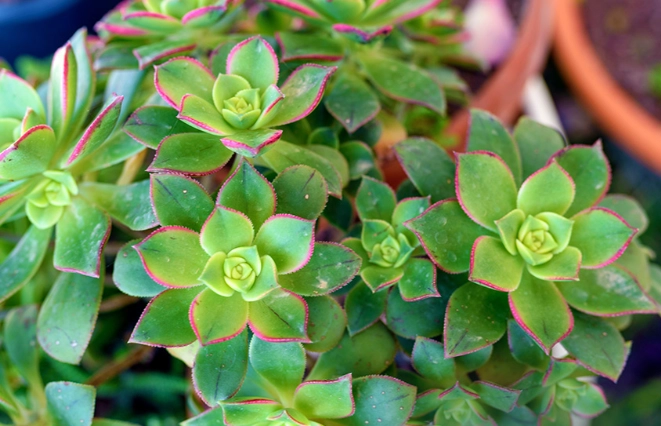
They're not fussy about humidity. Average indoor humidity is fine. Good air circulation helps prevent pests.
Fertilizing: A Light Touch
These aren't heavy feeders. During their active growth period (fall-spring), you can feed them once a month with a balanced, water-soluble fertilizer diluted to half-strength. A fertilizer formulated for succulents is perfect. Do not fertilize in the summer when they're dormant. It's pointless and can harm the roots.
Propagating Aeoniums: Making More of a Good Thing
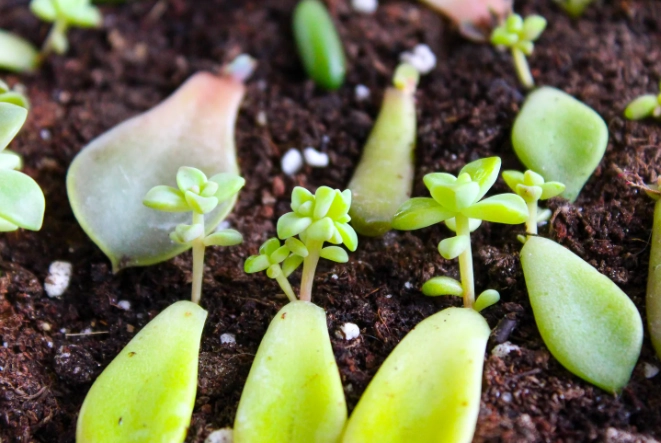
This is the fun part. Aeoniums are incredibly easy to propagate, which is good because you might need to save a leggy plant or just want more.
Stem Cuttings (The Best Method):
- Using a clean, sharp knife or scissors, cut a stem with a rosette. A 3-6 inch piece is great.
- Let the cutting callus over for several days (up to a week) in a dry, shady spot. This is crucial to prevent rot when you plant it.
- Once the cut end is dry and sealed, stick it into your well-draining soil mix. Don't water it yet.
- Wait about a week, then give it a light drink. Keep the soil slightly moist (not wet) and in bright, indirect light. In a few weeks, you should feel resistance when you give a gentle tug—roots have formed!
Offsets/Pups: Many aeoniums produce small rosettes around their base. You can carefully separate these with a bit of root attached and pot them up directly. Water lightly after a day or two.
Seeds: Possible but slow. For most of us, cuttings are the way to go.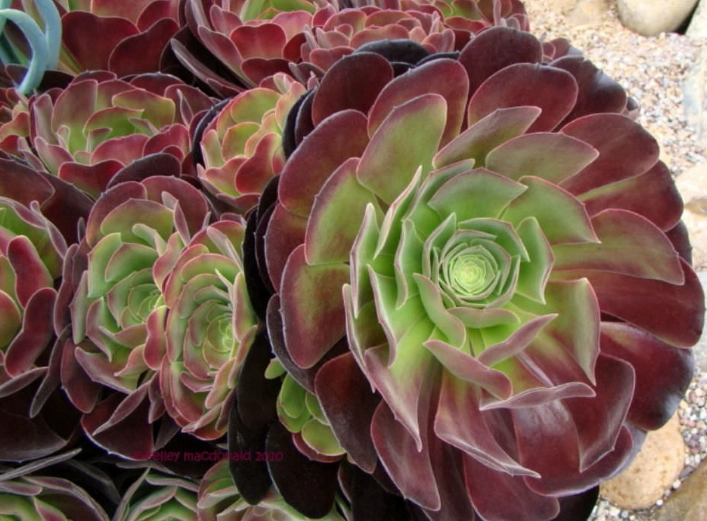
Common Aeonium Problems (And Real Fixes)
Let's troubleshoot. Here are the issues you're most likely to face.
Leaves Dropping Like Crazy
Bottom leaves drying and dropping: Normal, especially in summer dormancy or if the plant is reabsorbing them for energy.
Healthy, plump leaves falling off: Usually a sign of stress. Could be sudden temperature change, overwatering, or under-watering during active growth. Check your soil moisture first.
Leggy, Stretched Growth
This is etiolation. Your aeonium is desperately reaching for more light. The solution isn't to water it more. Move it to a brighter location. You can also behead the stretched part, let it callus, and re-root it to create a more compact plant.
Pests
Mealybugs: The white, cottony villains. They love the nooks between leaves. Dab them with a Q-tip dipped in rubbing alcohol. For infestations, spray with insecticidal soap or neem oil.
Aphids: Sometimes target new flower stalks. A strong spray of water or insecticidal soap takes care of them.
Slugs & Snails: A major outdoor pest that will chew huge holes in the rosettes. Use pet-safe slug bait or beer traps.
Soft, Mushy Stems or Leaves
Root rot from overwatering. Often fatal, but you can try to salvage the plant by cutting well above the mushy part and re-rooting the cutting as described above.
Aeonium FAQs: Your Questions, Answered
Why is my black aeonium turning green?
Insufficient light. The dark pigment (anthocyanin) is produced as a sunscreen. In lower light, the plant doesn't need it, and the green chlorophyll shows through. Move it to a brighter spot to bring back the dark colors.
Can I grow aeonium indoors year-round?
Absolutely. Many people do. Just provide the brightest light possible (south-facing window or a grow light) and respect their seasonal watering needs. They might not get as large or colorful as outdoor plants, but they can still thrive.
My aeonium flowered and the main rosette is dying. What do I do?
That's the monocarpic lifecycle. Don't panic. The plant has likely produced offsets (pups) at the base or along the stem. Care for those as normal. You can also remove the flower stalk after blooming to maybe conserve a little energy for the pups, but the main rosette's fate is sealed.
How cold can aeoniums tolerate?
It varies by species. The green Aeonium arboreum can handle a light frost (maybe down to 28°F / -2°C) for a short period. The darker and more tender varieties like 'Zwartkop' are more sensitive and should be protected from any frost. Resources from university agricultural extensions, like the University of California's Division of Agriculture and Natural Resources, often have great region-specific cold-hardiness guides for succulents.
Should I mist my aeonium?
No. Misting doesn't increase humidity meaningfully and can lead to fungal issues or rot in the crown of the rosette. Water the soil, not the plant.
Wrapping It Up: Embrace the Quirk
Once you stop treating your aeonium like every other succulent on your shelf, things click. Respect its summer nap. Give it gritty soil. Provide bright but not brutal light. It's a plant with personality—sometimes dramatic, always architectural.
Start with a tough variety like Aeonium haworthii or decorum. Get a feel for its rhythms. Then maybe venture into the stunning 'Sunburst' or the gothic 'Zwartkop'.
The biggest takeaway? Observe your plant. Is it plump and growing? Keep doing what you're doing. Is it dropping leaves or stretching? It's telling you something about its light or water. That conversation with your plant is the real secret to keeping any aeonium, or any plant for that matter, truly happy.

Comments