Your Quick Guide
- What Exactly Is a Spring Cactus Plant?
- Top Spring Cactus Varieties You Can Actually Find
- The No-Fail Spring Cactus Care Routine
- The Secret to Spectacular Blooms: The Fall "Reset"
- Buying a Spring Cactus: What to Look For (And Avoid)
- Common Problems and Their (Actual) Solutions
- Propagation: Making More for Free
- Your Spring Cactus Questions, Answered
- Final Thoughts: It's a Partnership
I get it. You brought home this gorgeous spring cactus plant, all covered in those vibrant pink or red flowers, dreaming of it being a yearly spectacle on your windowsill. But now it's just... sitting there. A green lump. Maybe it put out a few buds last year that promptly fell off. Maybe it hasn't flowered since you bought it. Sound familiar?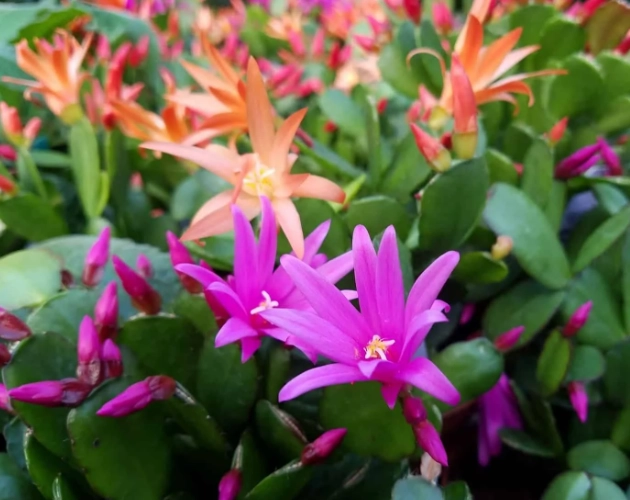
You're not alone. The spring cactus, often sold around Easter (hence the name Easter Cactus), is one of those plants that seems easy until it decides to be stubborn. Its botanical name is Schlumbergera gaertneri (or Rhipsalidopsis gaertneri if you want to get technical), and it's often confused with its more famous holiday cousins, the Thanksgiving and Christmas cacti. But it has its own personality, its own needs, and its own blooming secrets.
I've killed my share of houseplants, and my first spring cactus was a victim of over-enthusiastic watering. It turned to mush. A sad, expensive lesson. But after that, I got serious, did the research, talked to growers, and now mine reliably puts on a show every spring. It's not magic; it's just understanding what the plant actually wants, not what we think it wants.
This guide is that conversation I wish I'd had. We'll cut through the confusing advice and get to the heart of how to make your spring cactus plant not just survive, but thrive and bloom spectacularly. No fluff, just the practical stuff that works.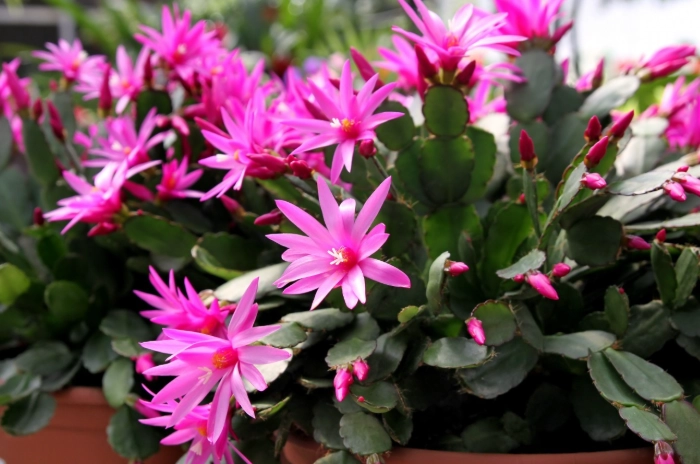
What Exactly Is a Spring Cactus Plant?
First things first, let's clear up the identity crisis. When you hear "holiday cactus," most people think of the one with the pointy, claw-shaped segments that blooms around Christmas. That's a different beast (Schlumbergera truncata). The true spring cactus plant, the Easter Cactus, has smoother, more rounded leaf segments with tiny, hair-like bristles on the edges. The flowers are different too—they're more star-shaped and symmetrical, radiating out from the center.
Why does this matter? Because their care, especially their trigger for blooming, is slightly different. Getting the name right is step one to not following advice for the wrong plant.
They're epiphytes in the wild, meaning they grow on trees in the shady, humid forests of Brazil, not in desert sand. This is the single most important fact to remember. It explains almost everything about their care: their hate for soggy soil, their love for humidity, their preference for bright but indirect light. They're jungle plants wearing a cactus-like disguise.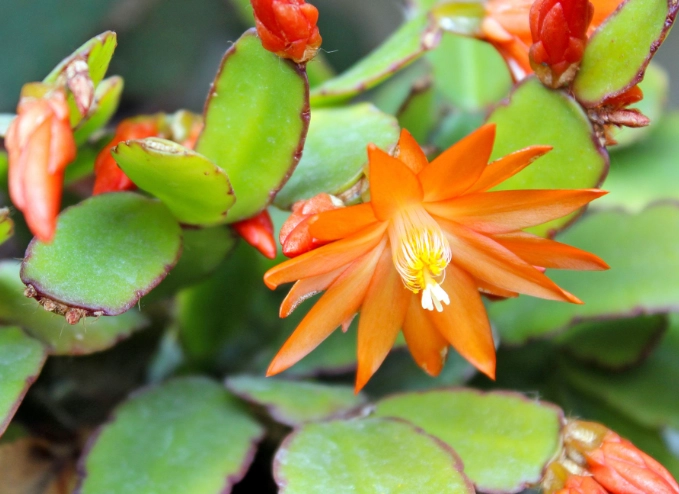
Top Spring Cactus Varieties You Can Actually Find
It's not just about the classic hot pink. Breeders have been busy. Here's a rundown of the most common and stunning varieties you might encounter. I find the color range genuinely surprising sometimes.
| Variety Name | Flower Color | Key Characteristics & My Notes |
|---|---|---|
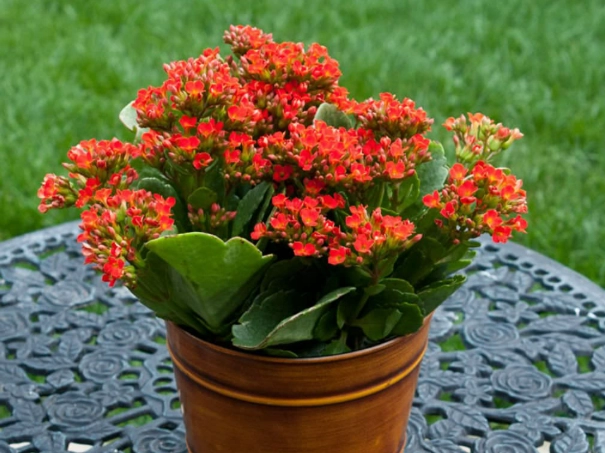
| 'Scorpius' | Vibrant Orange-Red | One of the most common and reliable. The color is intense and fiery. A real show-stopper if you get the light right. |
| 'Sirius' | Pure White | Elegant and clean-looking. Can look almost luminous against the dark green segments. Seems a tad more finicky about water to me. |
| 'Capella' | Soft Pink | The classic "Easter" color. A gentle, pastel pink. Very prolific bloomer in my experience—a good starter variety. |
| 'Andromeda' | Deep Magenta-Purple | Rich, royal color. The flowers can have almost a velvety depth. This one tends to bloom a little later for me, sometimes into early summer. |
| 'Orion' | Salmon/Orange-Pink | A beautiful sunset hue. Less common than 'Scorpius' but worth hunting for. The color is more complex. |
You'll often find them simply labeled as "Easter Cactus" or "Spring Cactus" in stores, especially around the holiday. Don't stress too much about the exact cultivar unless you're a collector. The core care for all these Schlumbergera varieties is essentially the same.
The No-Fail Spring Cactus Care Routine
This is the meat of it. Forget complicated schedules. Think about replicating that Brazilian forest canopy.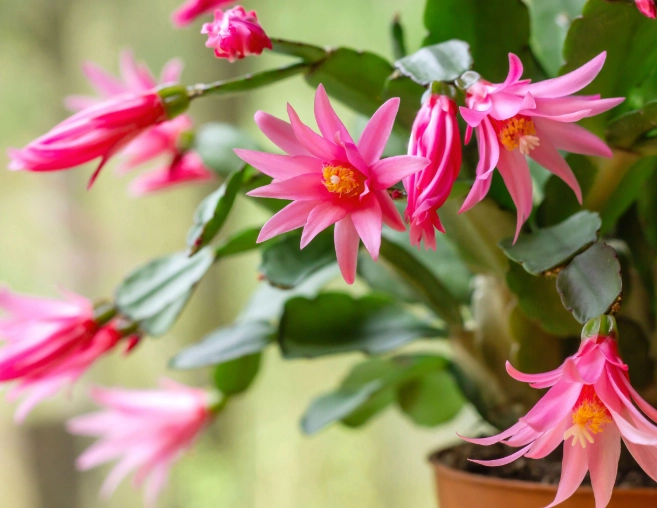
Light: The Goldilocks Zone
This is the biggest make-or-break factor, aside from overwatering. Your spring cactus plant wants bright, indirect light. An east-facing window is perfect. A north-facing one can work if it's really bright. A south or west window? You'll need to filter that harsh afternoon sun with a sheer curtain, or place the plant a few feet back from the window.
Signs you've got it wrong: If the segments are turning a reddish or purple color, it's getting too much direct sun and is stressed. If it's growing long, thin, pale green segments (etiolation), it's begging for more light.
Watering: The Art of the Soak and Dry
Here's where I failed initially. You cannot water this plant on a schedule. You must check the soil. The top inch or two should feel completely dry to the touch before you even think about watering. In the warmer, growing months (spring/summer), that might be once a week. In the fall and winter, it could be every two or three weeks.
When you do water, do it thoroughly. Take it to the sink and water until it runs freely out of the drainage holes. Let it drain completely before putting it back in its decorative pot. Never let it sit in a saucer of water. Root rot is a silent, fast killer.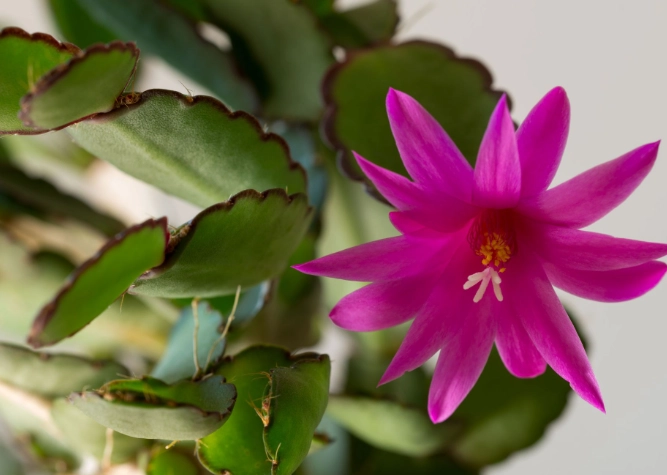
Soil and Potting: Breathability is Everything
Regular potting soil is a death sentence—it holds too much moisture. You need a mix that is airy and fast-draining.
A perfect DIY mix? Combine:
- 50% high-quality potting soil (for structure)
- 25% perlite (for aeration)
- 25% orchid bark or coconut coir (for chunkiness and drainage)
You can also use a pre-mixed succulent & cactus soil, but I often find even those benefit from an extra handful of perlite mixed in. The goal is for water to flow through quickly.
The pot must have drainage holes. Terracotta pots are excellent because they wick away extra moisture from the soil. Repotting is only needed every 2-3 years, or when the plant is clearly root-bound. Do it in the spring after flowering.
Temperature and Humidity: Think Mild and Muggy
They like average room temperatures (65-75°F / 18-24°C). What's crucial is the temperature drop at night, especially in the fall, to trigger blooms (more on that below).
Humidity is the stealth factor. Our homes, especially with AC or heating, are often too dry. These plants appreciate 50-60% humidity. You can:
- Place the pot on a tray filled with pebbles and water (keep the pot above the water line).
- Group it with other plants.
- Use a small humidifier nearby. I run one in the plant room during winter, and everything thanks me for it.
The Secret to Spectacular Blooms: The Fall "Reset"
This is the question everyone has: How do I get my spring cactus to bloom? It's not about fertilizer in the spring. It's about the conditions you set 6-8 weeks *before* you want flowers.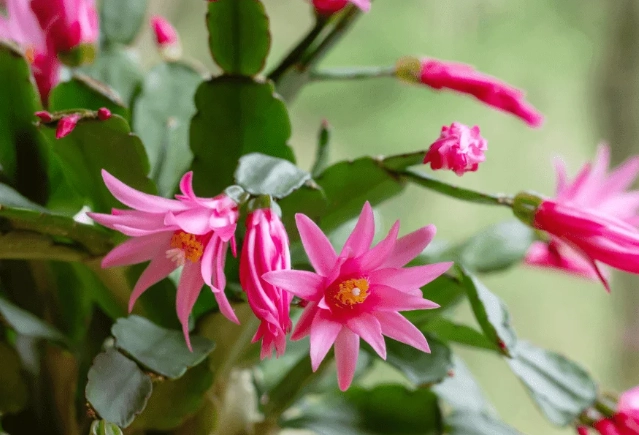
Around late January or February (in the Northern Hemisphere), you need to give your plant a simulated "dry, cool winter." This is the bloom trigger.
- Reduce Watering: Let the soil dry out even more than usual between waterings. Just enough to keep the segments from shriveling.
- Provide Longer Nights: The plant needs 12-14 hours of uninterrupted darkness each night for several weeks. This means if it's in a room with streetlights or evening lamps, you might need to move it to a dark closet or cover it with a box from 6 PM to 8 AM.
- Cooler Temperatures: Aim for nighttime temperatures around 50-55°F (10-13°C). A cooler room or a spot near a draft-free window can work.
Do this for 6-8 weeks. You should start to see tiny buds forming at the tips of the segments. Once the buds are well-formed (like little grains of rice), you can gradually return it to its normal watering schedule and light location. Be careful not to move or rotate the plant much at this stage, as buds can drop from shock.
No cool, dark period? No flowers. It's that simple.
Buying a Spring Cactus: What to Look For (And Avoid)
Picking a healthy plant from the start saves so much heartache. Here's my checklist when I'm at the nursery or grocery store:
- Segments: Should be firm, plump, and a deep green. Avoid plants with yellowing, shriveled, or mushy segments.
- Soil: Should be dry or barely moist. If it's soaking wet in the store, that's a red flag for potential future root rot.
- Buds & Flowers: Ideally, choose one with lots of tight, unopened buds rather than one in full bloom. You'll get a longer display at home.
- Pests: Check under the segments and near new growth for signs of mealybugs (look like tiny bits of white fluff) or scale. Give it a quick once-over.
I made the mistake once of buying the most floriferous plant on the display, not realizing its soil was waterlogged. It dropped all its flowers in a week and never really recovered. Lesson learned.
Common Problems and Their (Actual) Solutions
Let's troubleshoot. If something looks wrong, it probably is one of these things.
- Bud Drop: The heartbreaker. This is almost always caused by a sudden change in environment—moving the plant after buds formed, a drastic temperature shift, or underwatering/overwatering during bud development. Once buds appear, try to keep everything stable.
- Red or Purple Segments: Sun stress. Too much direct light. Move it to a shadier spot.
- Mushy, Limp Segments: Classic overwatering and root rot. You may need to unpot, cut away any black/brown mushy roots, and repot in fresh, dry mix. It's a race against time.
- Shriveled Segments: Underwatering or, ironically, root rot (where the roots are dead and can't take up water). Check the soil. If it's bone dry, give it a good soak. If it's wet, suspect rot.
- No Flowers: Didn't get the cool/dark treatment in fall/winter. See the section above.
Propagation: Making More for Free
The good news? Spring cactus plants are incredibly easy to propagate. It's a fun project. Simply twist off a healthy segment (2-3 linked together is best). Let the broken end callus over for a day or two—just leave it on a paper towel. Then, stick it about an inch deep into a small pot of the same fast-draining mix you use for the mother plant. Water lightly to settle the soil, then keep it just barely moist. In a few weeks, it should root and start new growth.
I've given these as gifts more times than I can count. They root much more easily than, say, a fiddle leaf fig cutting.
Your Spring Cactus Questions, Answered
Final Thoughts: It's a Partnership
Growing a spring cactus plant successfully isn't about having a green thumb. It's about observation. It's about checking the soil with your finger instead of marking a calendar. It's about noticing the light in your home and finding that perfect spot. It's about remembering to give it that crucial cool rest in the fall.
When you get it right, the reward is incredible. There's something special about a plant that bursts into bloom when the world outside is just waking up. That first bud appearing in late winter is a little victory. With the tips here—the right soil, careful watering, and that critical fall treatment—you're setting yourself up for that victory year after year.
Start with the basics. Nail the light and water. Then, this coming fall, try the bloom trigger routine. You might just be surprised. Your green lump is waiting to become a floral firework again. You just have to give it the right signals.

Comments