In This Guide
Let's be honest, we've all killed a plant or two. I certainly have. My first venture into the world of succulents was a sad little Echeveria that I loved to death—literally, with too much water. But that's the thing about these resilient plants; they're forgiving teachers. The sheer variety of succulent species out there is staggering, and it's easy to feel overwhelmed. Are you looking for something sculptural? Something that trails? Something that can survive your occasionally forgetful watering schedule? This guide is here to cut through the noise.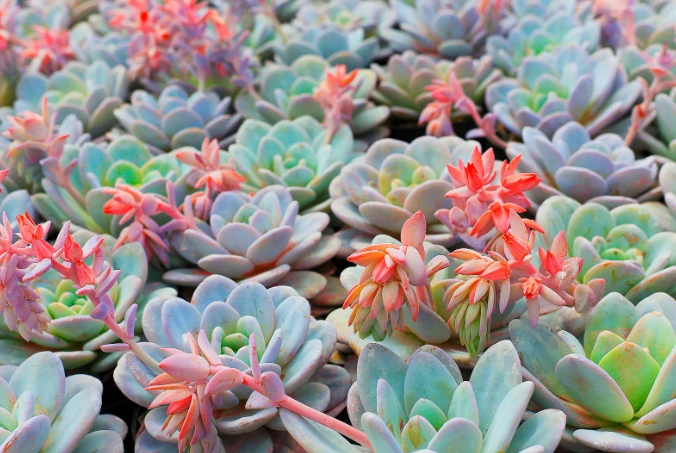
We're not just talking about the generic "succulent" you see at the big-box store. We're diving deep into the families, the genera, the specific needs. This is the resource I wish I had when I started.
Making Sense of the Succulent Family Tree
Calling a plant a "succulent" is like calling an animal a "mammal." It's a broad category. To really understand how to care for them, it helps to know which family they belong to. Different families often share similar care requirements and growth habits.
Here’s a breakdown of the major players you'll encounter. This isn't just academic—knowing the family helps you predict what your plant needs.
| Plant Family | Key Characteristics | Common Genera Examples | Typical Care Notes |
|---|---|---|---|
| Crassulaceae | Rosette-forming, often with stunning color changes in sun. Leaf propagation is super easy. | Echeveria, Crassula (Jade), Sedum, Kalanchoe | Need lots of bright light to keep tight form. Sensitive to overwatering. Great for beginners. |
| Aizoaceae (The Mesembs) | The masters of disguise. Often look like stones or pebbles. Incredibly slow-growing. | Lithops (Living Stones), Pleiospilos, Fenestraria | Very specific watering schedule tied to growth cycles. Easy to kill with kindness (water). |
| Asphodelaceae (formerly part of Liliaceae) | Spiky, architectural forms. Many produce tall, dramatic flower spikes. | Aloe, Haworthia, Gasteria | Many tolerate lower light than other succulents. Haworthias are famously shade-tolerant. |
| Cactaceae (Cacti) | Stem succulents, almost always with areoles (the spots where spines/hairs grow). | Mammillaria, Opuntia, Echinocactus | Need maximum sunlight. Require excellent drainage and infrequent watering. |
| Apocynaceae (subfamily Asclepiadoideae) | Often vining or trailing, with unique, sometimes foul-smelling, star-shaped flowers. | Hoya, Ceropegia (String of Hearts), Stapelia | Enjoy bright, indirect light. Some (like Hoyas) prefer to dry out but not stay bone-dry for too long. |
See how that helps? If someone tells you they have a Crassula, you instantly have a ballpark idea of its needs. This framework is more useful than memorizing individual species at the start.
Choosing Your First (or Next) Succulent Species
This is where the rubber meets the road. You're standing in a nursery or scrolling online. Which one do you pick? Forget just picking the prettiest. You need to match the plant to your environment. It's a partnership.
The Light Situation: Your Non-Negotiable Starting Point
Light is food for plants. Get this wrong, and nothing else matters.
Bright, Direct Light (4-6+ hours of direct sun): This is for the sun-worshippers. South or west-facing windows are ideal. Most Echeverias, Sedums, and all cacti fall here. If they don't get enough light, they "stretch" or etiolate, becoming leggy and weak. I made this mistake with a beautiful Graptopetalum—it turned into a weird, pale noodle reaching for the window.
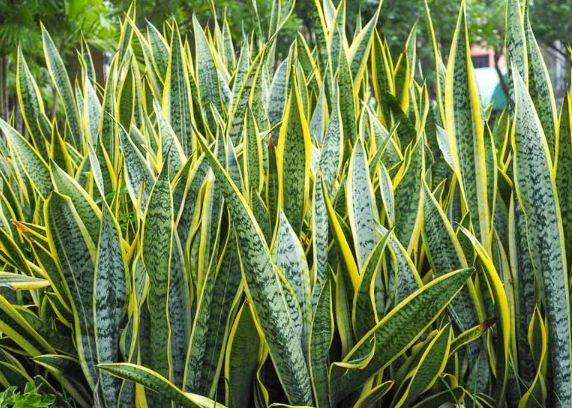
Bright, Indirect Light: Think near a sunny window but with a sheer curtain, or an east-facing window. This is the sweet spot for many popular succulent species. Most Haworthias, Gasterias, and Sansevierias (Snake Plants) thrive here. They're the forgiving office plants.
Lower Light: True low light doesn't exist for succulents. But some tolerate "medium" light better than others. Zamioculcas zamiifolia (ZZ Plant) and Sansevieria are the champions here. They'll survive, but growth will be very slow. Don't believe the "low light succulent" hype for anything else—it's usually a path to a slow, stretched-out decline.
Watering: The Art of Neglect
Overwatering is the #1 killer. It's not about a schedule (every Tuesday!), it's about reading the plant and the soil.
The golden rule: Soak and dry. When you water, do it thoroughly until water runs freely out the drainage hole. Then, let the soil dry out completely—and I mean completely—before you even think about watering again. For most succulents in a well-draining mix, this might be every 10-14 days in summer and every 3-4 weeks or longer in winter.
How do you know it's dry? Stick your finger in the soil up to the first knuckle. If it feels damp, wait. Better yet, get a cheap moisture meter. For small pots, you can judge by weight—a dry pot is surprisingly light.
Some succulent species have clearer signs. A thirsty Jade Plant will have leaves that soften slightly and may wrinkle. A plump Echeveria will use up the water in its lower leaves first. Learn your plant's language.
Deep Dive: Top Succulent Species for Common Scenarios
Let's get specific. Based on years of trial and error (and many, many dead plants), here are my top picks for different situations.
For the Absolute Beginner: The Unkillables (Almost)
These are the plants that will give you confidence.
Snake Plant (Dracaena trifasciata, formerly Sansevieria): It's a cliché for a reason. Tolerates low light, infrequent watering, and neglect like a champ. There are cool varieties like the cylindrical Sansevieria cylindrica too.
Zebra Haworthia (Haworthiopsis attenuata): Those white stripes are gorgeous. It prefers bright indirect light and is very forgiving if you forget a watering. It also produces tons of offsets (pups), so you'll get free plants.
Jade Plant (Crassula ovata): A classic. It tells you when it's thirsty (soft leaves), grows into a beautiful mini-tree, and can live for decades. Give it as much light as you can.
For the Sunny Windowsill: The Colorful Show-Offs
If you have that prime south-facing spot, these will reward you with incredible hues.
Echeveria 'Perle von Nurnberg': Probably the most photogenic succulent ever. Powdery lavender leaves with pink edges. It needs strong light to maintain its color and tight shape.
Sedum nussbaumerianum (Coppertone Stonecrop): Turns a brilliant, glowing orangey-copper in full sun. It has a lovely trailing habit, perfect for spilling over a pot edge.
Anacampseros telephiastrum 'Sunrise': A personal favorite. Its leaves are green, pink, and purple, with a fringe of white hairs. In bright sun, it turns almost fluorescent. Stunning.
For the Hanging Basket: The Trailers and Spillers
Vertical interest changes everything.
String of Pearls (Curio rowleyanus): The iconic trailer. Those little green beads are actually leaves. It can be finicky—it likes bright light and hates wet feet. Water only when the beads start to look slightly puckered.
String of Hearts (Ceropegia woodii): More forgiving than String of Pearls, in my experience. Delicate heart-shaped leaves on purple vines. It likes to dry out between waterings and enjoys bright, indirect light.
Burro's Tail (Sedum morganianum): Long, trailing stems densely packed with blue-green, plump leaves. Beautiful, but those leaves fall off if you look at them wrong (they propagate easily, though!). Best left undisturbed in a bright spot.
Exploring different succulent species for different spots in your home is half the fun. It becomes a living collection of art pieces.
Beyond Basics: Propagation and Problem-Solving
So you've kept a plant alive for six months. Now what? You make more!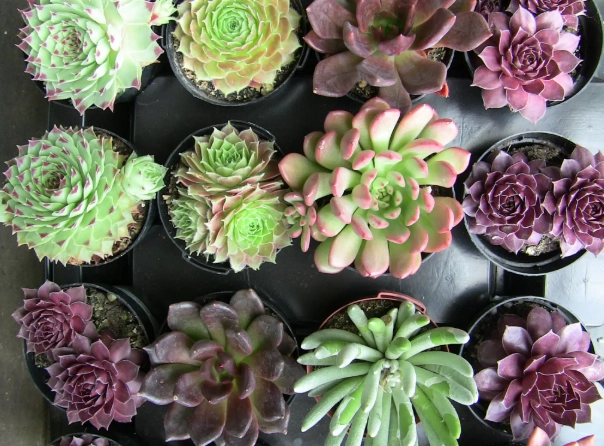
How to Multiply Your Succulent Species
Propagation is magical and incredibly easy for many succulents. The main methods:
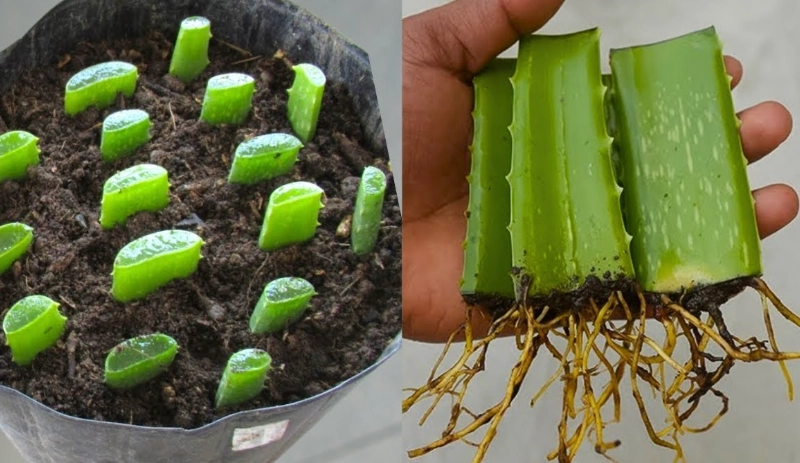
Leaf Propagation: Works wonders for Echeveria, Sedum, Graptopetalum. Gently twist a healthy leaf from the stem. Let the broken end callous over for a few days. Then place it on top of dry soil. Mist occasionally. In weeks, you'll see tiny roots and a rosette. Don't bury it!
Stem Cuttings: For leggy plants or trailers like Crassula or Ceropegia. Cut a piece of stem, let it callous, then stick it in soil. Water normally once you see new growth.
Division: For clump-forming species like Aloe, Haworthia, or Sempervivum (Hens and Chicks). Simply separate the offsets (pups) from the mother plant, ensuring they have some roots, and pot them up.
Common Problems Decoded
Something looks off. Don't panic. Here's a quick diagnostic guide.
Leaves are yellowing, translucent, and mushy: Classic overwatering. Stop watering immediately. Check the roots for rot (brown/black and mushy). If present, cut away all rot, let the plant dry out, and repot in fresh, dry mix. You might need to take stem cuttings to save it.
Leaves are wrinkled, thin, and dry: Underwatering. Give it a good soak. The leaves should plump up in a day or two.
Plant is stretching, with large gaps between leaves: Etiolation. Not enough light. Move it to a brighter location gradually. You can behead the stretched part, let it callous, and replant the compact rosette.
Brown, crispy spots on leaves: Could be sunburn (if in direct, hot sun) or physical damage. Move out of intense afternoon sun if needed.
White, cottony masses in leaf crevices: Mealybugs. Isolate the plant! Dab the bugs with a cotton swab dipped in rubbing alcohol. Repeat weekly until gone. Check all nearby plants.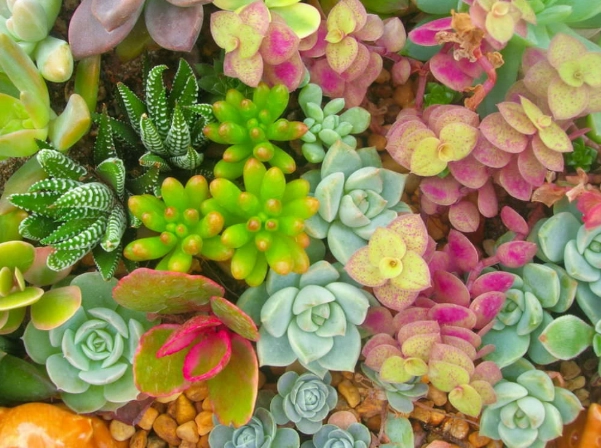
Answering Your Burning Questions (FAQ)
Building Your Knowledge: Trusted Resources
The internet is full of conflicting advice. When you want to go deeper, seek out authoritative sources.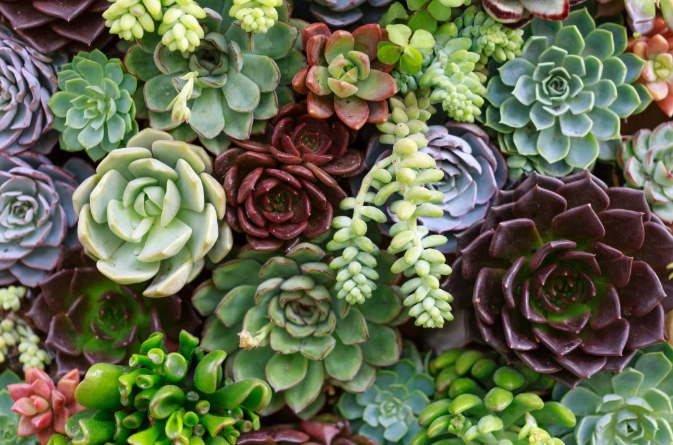
For precise botanical identification and detailed species profiles, nothing beats the plant databases maintained by major botanical gardens. The Missouri Botanical Garden's Plant Finder is an incredible, vetted resource. Typing in a genus name will give you a list of species, their descriptions, and care notes based on horticultural expertise, not just hobbyist anecdotes.
Similarly, for science-based gardening advice tailored to your region (especially regarding soil, pests, and climate considerations), the network of University Cooperative Extension websites in the United States is invaluable. They provide research-driven information that cuts through commercial trends.
Using these resources helps you move beyond generic care sheets and understand the specific needs of the unique succulent species in your care. It elevates your practice from following rules to understanding principles.
The journey with succulents is never really done. There's always a new, bizarre succulent species to discover, a new propagation experiment to try, or an old plant that surprises you with a spectacular bloom. It starts with that first, maybe overwatered, plant. It grows into a quiet hobby of observation and care. The diversity of form, color, and texture in the world of succulent species is a constant source of wonder. Don't be afraid to start, to fail, and to try again. Your perfect plant match is out there.
Comments