Quick Navigation
Let's talk about star jasmine vine. You've probably seen it – maybe tumbling over a neighbor's fence, covered in a blanket of small, white, incredibly fragrant flowers. Or maybe you've smelled it before you saw it on a warm evening. It's one of those plants that seems to have it all: looks, scent, and a reputation for being tough. But is it really that easy? What's the catch?
I've grown this plant for years, in pots and in the ground, and I've made my share of mistakes. I've also seen it perform miracles in ugly spots. This guide is everything I wish I'd known when I started, plus answers to all the questions I get asked most often. We're going beyond the basic "plant it and forget it" advice. We'll get into the nitty-gritty of keeping it happy, what to do when it's not, and some seriously cool ways to use it in your garden that you might not have thought of.
What Exactly Is a Star Jasmine Vine?
First, a quick clarification because names can be confusing. Star jasmine isn't a true jasmine (those are from the Jasminum genus). It's Trachelospermum jasminoides, a member of the dogbane family. This is actually good news for gardeners. True jasmines can be a bit tender in cooler climates, but star jasmine is notably tougher and more versatile.
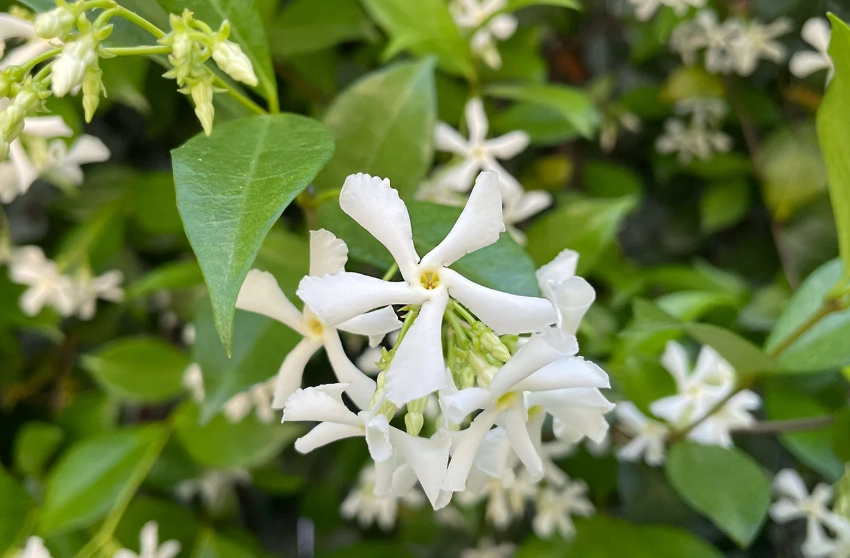
It's an evergreen woody vine or ground cover. The leaves are glossy, dark green, and oval-shaped, providing year-round interest. In late spring to early summer, it produces clusters of tiny, pinwheel-shaped white flowers that yellow slightly with age. And the fragrance? It's sweet, intense, and carries surprisingly far on the air – a classic, romantic garden scent.
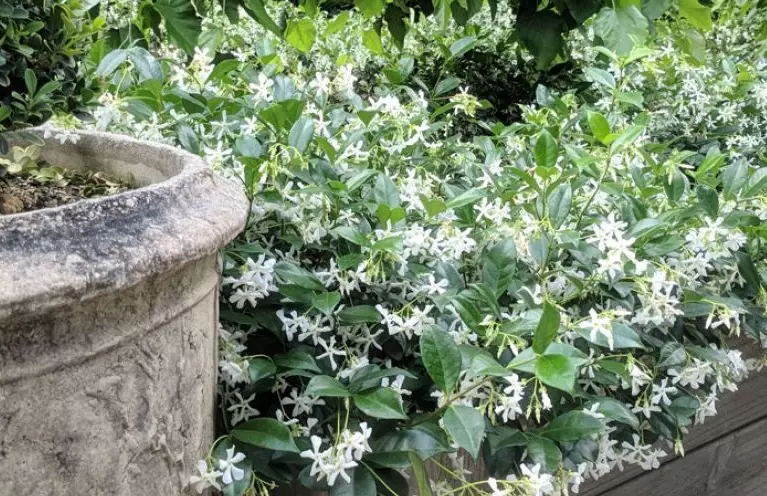
It's a climber, but not in the aggressive, damaging way of some vines. It twines, meaning it wraps its stems around supports. It won't dig into your walls like ivy. You will need to give it something to hold onto, like a trellis, wires, or a fence. Left alone, it makes a fantastic, dense ground cover that suppresses weeds.
The Big Benefits (And One Small Drawback)
Why do people love this plant so much? The list is long.
- Fragrance Superstar: The primary reason for many. It perfumes an entire garden area.
- Year-Round Good Looks: Evergreen leaves mean it's never bare or ugly, even in winter.
- Incredibly Adaptable: Grows in sun or part shade, in the ground or containers.
- Generally Pest-Free: Deer usually leave it alone, and major disease issues are rare.
- Drought Tolerant Once Established: After the first year or two, it needs very little supplemental water in many climates.
Getting Started: Planting Your Star Jasmine the Right Way
A good start is everything. Planting correctly saves you countless problems later.
When to Plant
Timing is flexible but ideal. The best windows are early fall or mid-spring. Fall planting gives the roots time to establish in cool, moist soil before summer heat hits. Spring planting works well too, just be more diligent with watering through the first summer. Avoid the peak of summer heat or the depths of winter frost.
Choosing the Perfect Spot
Star jasmine is forgiving, but it has preferences.
- Sunlight: For maximum flowering, give it at least 4-6 hours of direct sun. More sun = more flowers. It will tolerate partial shade, especially afternoon shade in very hot climates, but blooming will be reduced. Full shade is a no-go if you want those fragrant blooms.
- Soil: This is key. It must have well-draining soil. It hates having "wet feet." If your soil is heavy clay, you must amend it. Raised beds or containers are excellent alternatives for poor drainage.
- Structure: Think ahead. What will it climb on? Have your trellis, wires, or obelisk installed before you plant. Training it later is messy.
The Step-by-Step Planting Process
- Dig a Hole: Make it twice as wide as the root ball, but only as deep. You don't want to plant it too deep.
- Amend the Soil: Mix the native soil you removed with a good amount of compost or well-rotted manure. A handful of bone meal mixed in at the bottom of the hole encourages strong root growth.
- Prep the Plant: Gently tease out any circling roots from the pot. If the root ball is very dry, soak it in a bucket of water for 10 minutes.
- Plant: Place the plant in the hole so the top of the root ball is level with or slightly above the surrounding soil. Backfill with your soil-compost mix, firming gently as you go.
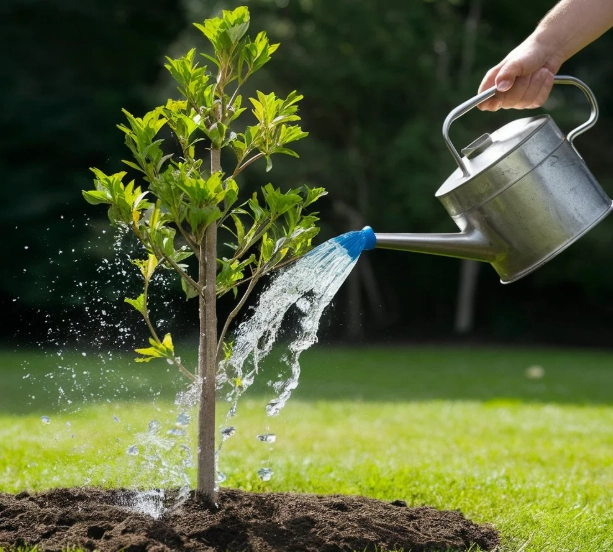
- Water Deeply: Give it a long, slow soak to settle the soil and eliminate air pockets.
- Mulch: Apply a 2-3 inch layer of organic mulch (shredded bark, wood chips) around the base, keeping it a few inches away from the main stem. This conserves moisture and keeps roots cool.
The Real Deal on Star Jasmine Vine Care
This is where most guides stop being useful. They say "low maintenance," which is true, but not zero maintenance. Here's what you actually need to do.
Watering: The Most Critical First-Year Task
Your new plant is thirsty for establishment. Water deeply 2-3 times per week for the first month. Then, for the rest of the first growing season, water deeply once a week if there's no rain. The goal is to encourage roots to grow deep, searching for water.
How do you know it's "deeply" watered?
Stick your finger in the soil near the plant. It should feel moist 3-4 inches down after watering. After the first year or two, a star jasmine vine is remarkably drought-tolerant. In non-desert climates, it often thrives on rainfall alone. During extended droughts, a monthly deep drink will keep it looking lush.
Feeding: Less is More
This isn't a heavy feeder. Over-fertilizing leads to lots of weak, leafy growth with few flowers and makes the plant more susceptible to pests.
- Best Practice: Apply a balanced, slow-release fertilizer (like a 10-10-10 or similar) in early spring, just as new growth begins. That's usually enough for the year.
- Container Plants: They need a bit more. Use a balanced liquid fertilizer every 4-6 weeks during the growing season, or mix in a slow-release formula at potting time.
- Natural Alternative: A top-dressing of compost or worm castings in spring provides gentle, steady nutrients and improves soil health. This is my preferred method now.
Pruning: Keeping the Beast Beautiful
This is the main "work" with star jasmine. Prune right after the main flowering flush ends, usually in early to mid-summer. This gives the plant time to grow new shoots that will bear next year's flowers.
Don't be scared. Use clean, sharp shears. You can cut stems back by one-third to one-half. You can even cut an overgrown plant back to within a foot or two of the ground if it's completely out of control; it will regenerate from the base. For ground cover, you can simply run a lawn mower over it on a high setting to neaten it up.
Overwintering and Cold Concerns
Star jasmine is hardy down to about 10°F (-12°C) for brief periods once established. Young plants are more tender. In marginal climates (USDA zones 7b and below), some protection helps.
- Plant in a sheltered spot, out of harsh winter winds.
- A thick layer of mulch over the root zone is crucial.
- For container plants, move pots to a garage or against a sheltered house wall.
- If a severe freeze is forecast, draping the plant with frost cloth can save the foliage.
For detailed, science-backed information on plant hardiness zones and cold protection, the USDA Plant Hardiness Zone Map is the authoritative resource. The Royal Horticultural Society (RHS) also has excellent, practical advice on training and controlling climbing plants like star jasmine.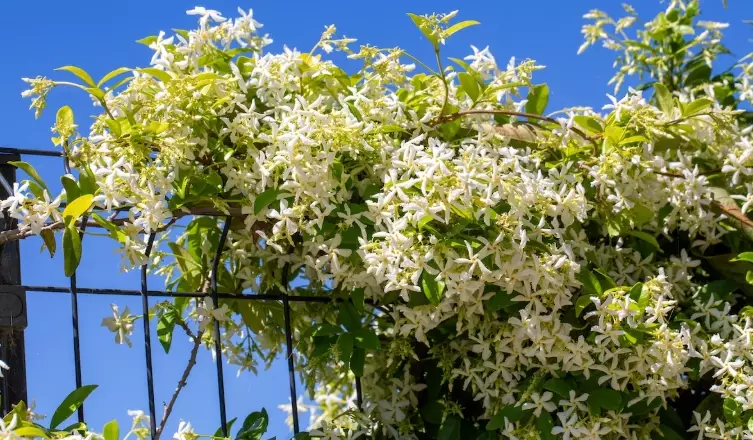
Creative Ways to Use Star Jasmine in Your Landscape
It's so much more than just a fence cover. Let's get inspired.
Classic Climber
The obvious use, but with style. Train it on a wooden trellis against a blank wall, let it weave through a wrought-iron fence, or cover an unsightly chain-link one. It creates a living, breathing privacy screen.
Fragrant Ground Cover
This is a game-changer for slopes or difficult shady areas under trees (as long as it's not full, deep shade). It forms a dense, weed-suppressing mat. Walking past it on a summer evening releases the scent. The Missouri Botanical Garden's Plant Finder entry for Trachelospermum jasminoides confirms its excellent performance as a ground cover.
Container Star
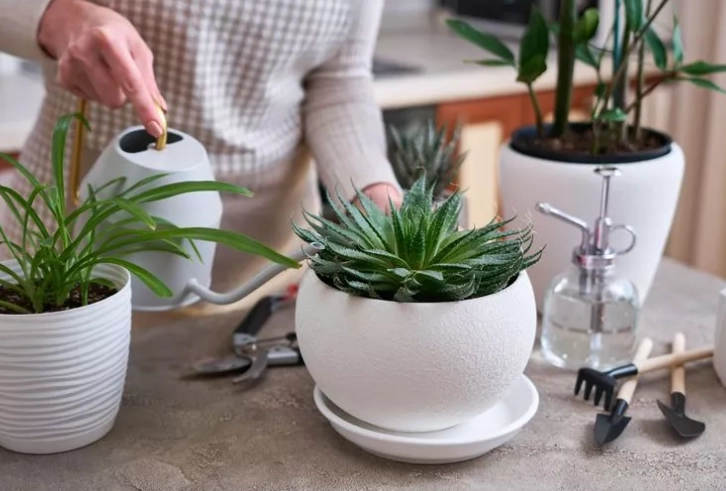
Absolutely fantastic in pots. Use a large container with a trellis or obelisk to create a fragrant focal point on a patio, balcony, or by an entrance. Just remember to water and feed more regularly.
The Scented Garden
Plant it near seating areas, patios, or windows you open often. Pair it with other evening-scented plants like night-scented stock or flowering tobacco for a sensory overload.
Solving Common Star Jasmine Vine Problems
It's tough, but not invincible. Here's what might go wrong.
| Problem | Likely Cause | Solution |
|---|---|---|
| Yellowing Leaves | Overwatering / Poor Drainage (most common). Could also be nutrient deficiency. | Check soil drainage first. Let soil dry out more between waterings. If in a pot, ensure drainage holes are clear. Apply a balanced fertilizer if not done in spring. |
| Brown, Crispy Leaf Edges | Underwatering, sun scorch, or salt burn (from over-fertilizing). | Increase deep watering frequency. In very hot climates, provide afternoon shade. Flush container soil with water to remove salt buildup. |
| No Flowers | Not enough sunlight. Too much nitrogen fertilizer. Plant is too young. | Move to a sunnier location if possible. Switch to a low-nitrogen, bloom-boosting fertilizer (higher P-K numbers). Be patient; it can take 2-3 years to bloom heavily. |
| Sooty Mold (black film on leaves) | A sign of sap-sucking pests like aphids, scale, or whiteflies. The mold grows on their sticky "honeydew" excretion. | Control the pest first. Blast with water, use insecticidal soap, or introduce ladybugs. The mold will weather away once the pest is gone. |
| Weak, Spindly Growth | Not enough light. Overcrowding. | Prune to increase light penetration and air circulation. Consider moving to a sunnier spot. |
For reliable, research-based information on diagnosing and managing plant pests and diseases, resources from university extensions are invaluable. The University of California's Integrated Pest Management page on star jasmine is a perfect example of a trustworthy, practical guide.
Star Jasmine Vine: Your Questions Answered
At the end of the day, a star jasmine vine is one of the most rewarding plants you can add to your garden. It asks for little but gives back so much in beauty and fragrance. It fills spaces, softens hardscapes, and creates atmosphere. With the right start and a little understanding of its needs, you'll have a gorgeous, thriving plant for years to come. Just be ready with the pruning shears.

Comments