Quick Navigation
- Why This Humble Palm Deserves a Spot in Your Home
- The No-Stress Care Guide for Your Palm Neanthe Bella
- Feeding, Pruning, and Keeping It Looking Good
- Common Problems and Their Solutions (The Troubleshooting Table)
- How to Propagate Your Parlor Palm (It's a Patience Game)
- Frequently Asked Questions About the Palm Neanthe Bella
- The Final Word: Is This Plant Right for You?
You've probably seen this name on a tag at the garden center or stumbled across it while searching for an easy houseplant. Let's clear the air right away. "Palm Neanthe Bella" is essentially a common, slightly old-fashioned, and sometimes misspelled name used in the nursery trade for a plant you almost certainly know: the Parlor Palm. Its proper, scientific name is Chamaedorea elegans.
Think of "Palm Neanthe Bella" as its stage name. It sounds fancy, maybe a bit exotic, but underneath it's that classic, forgiving, feathery-leaved palm that's been gracing living rooms, offices, and dim corners for over a century. I've had one for years, and honestly, it's one of the few plants that has never thrown a dramatic fit on me.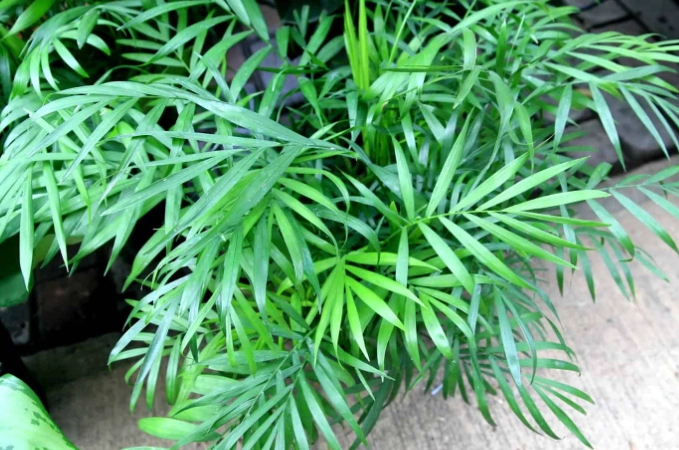
Quick Name Breakdown: The "Neanthe" part is believed to be a corruption or a commercial take on part of its older botanical synonym, Neanthe bella. So when you see "palm neanthe bella," "neanthe bella palm," or any variation thereof, you can confidently equate it to Chamaedorea elegans, the Parlor Palm. For the rest of this guide, I'll use these names interchangeably because, well, that's how people search for it.
Why This Humble Palm Deserves a Spot in Your Home
Before we dive into the nitty-gritty of care, let's talk about why you'd want one. It's not the flashiest plant on the shelf, but its virtues are deep.
First off, it's famously tolerant of low light. I'm not talking pitch-black cupboard low, but that corner a few feet from a north-facing window? Perfect. It also forgives the occasional missed watering. Its growth is slow and steady – you won't be repotting it every six months. This makes the palm neanthe bella plant a top-tier choice for beginners or anyone who just wants a bit of green without high maintenance.
Then there's the look. It has a soft, elegant texture. The arching, dark green fronds (which are actually just pinnate leaves) create a gentle, feathery mass. It brings a sense of calm and classic style to a space. Plus, it's a proven air purifier. NASA's famous Clean Air Study listed Chamaedorea elegans as effective at removing common household toxins like benzene and formaldehyde from the air.
The No-Stress Care Guide for Your Palm Neanthe Bella
Okay, let's get practical. How do you keep this thing alive and thriving? It's simple, but there are a few key things to get right.
Light: Think Dappled Jungle Floor, Not Desert Sun
This is the most important factor. In their native habitat in the rainforests of Southern Mexico and Guatemala, these palms grow as understory plants. They're used to bright, indirect light filtering down through taller trees.
Best: A spot near an east or north-facing window. A few feet back from a west or south window with a sheer curtain is also excellent.
It Will Tolerate: Lower light conditions, like the middle of a bright room. Growth will be slower, but it will survive.
Avoid: Direct, hot afternoon sun. Those delicate leaves will scorch, turning yellow and then crispy brown. If the tips of your palm neanthe bella plant are browning, light (or humidity) is the first thing to check.
Watering: The Golden Rule is to Wait
Overwatering is the #1 killer of houseplants, and this palm is no exception. It likes to partially dry out between drinks.
Stick your finger about an inch or two into the soil. If it feels dry, it's time to water. If it still feels damp, wait. In lower light or cooler temperatures, this might mean watering only every 10-14 days. In brighter, warmer spots, it might be closer to weekly in the summer.
When you do water, do it thoroughly. Pour water evenly over the soil until you see it running freely out of the drainage holes. Let the pot drain completely—never let it sit in a saucer of water. Soggy, waterlogged soil will lead to root rot, and that's a much harder problem to fix than underwatering.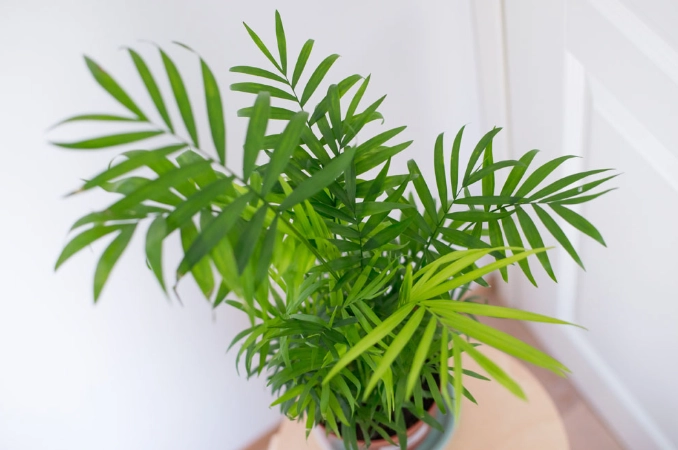
Pro Tip: Use room-temperature or lukewarm water. Cold tap water can shock the roots, especially in winter. If your tap water is very hard or heavily chlorinated, letting it sit out for 24 hours before using can help.
Soil and Potting: Drainage is Everything
You can't talk about watering without talking about soil. A well-draining, peat-based potting mix is ideal. Many standard indoor plant mixes work fine. To improve drainage further, you can mix in some perlite or orchid bark.
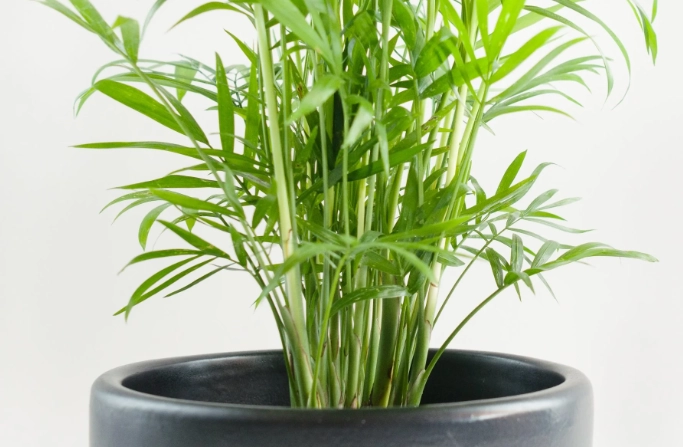
Pot choice matters too. Always use a pot with drainage holes. Terracotta pots are great because they're porous and help wick away excess moisture, reducing the risk of overwatering.
Repotting? Don't be in a rush. These are slow growers. You might only need to repot your palm neanthe bella plant every 2-3 years, or when you see roots circling the bottom of the pot or growing out of the drainage holes. When you do, only go up one pot size (1-2 inches larger in diameter).
Humidity and Temperature: Comfortable Room Conditions
While it prefers moderate to high humidity (like most tropical plants), it adapts remarkably well to average home humidity. However, if your air is very dry (especially in winter with heating on), you might see those pesky brown leaf tips.
To boost humidity: Group it with other plants, place its pot on a pebble tray with water (ensure the pot isn't sitting *in* the water), or use a humidifier. Misting provides a very temporary boost and isn't as effective as these other methods.
Temperature is easy. It likes the same temperatures you do: between 65°F and 80°F (18°C - 27°C). Protect it from drafts, both cold (from windows in winter) and hot (from heating vents or air conditioners).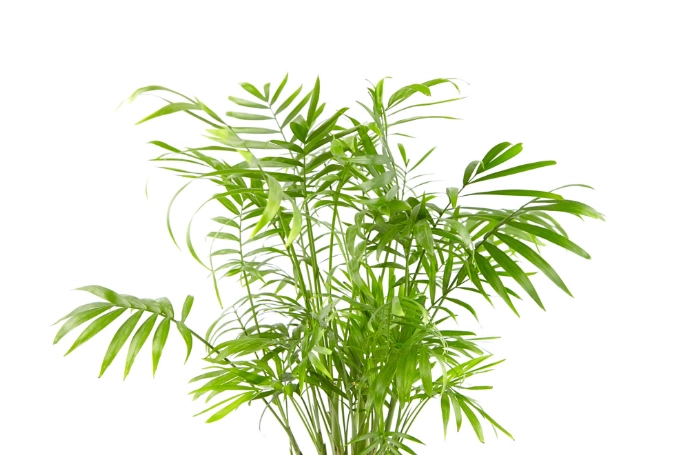
Feeding, Pruning, and Keeping It Looking Good
A little food goes a long way. During the active growing season (spring and summer), feed your palm neanthe bella plant with a balanced, water-soluble fertilizer (like a 10-10-10 or 20-20-20) diluted to half-strength, once a month. Don't feed it in fall and winter when growth has slowed.
Pruning is mainly for aesthetics. You don't need to prune for the plant's health. Simply use clean, sharp scissors to cut off any fronds that have turned completely yellow or brown, cutting them off at the base near the soil. You can also trim off brown tips, but follow the natural shape of the leaf—cutting straight across will look unnatural.
Dust those leaves! The feathery fronds can collect dust, which blocks light. Gently wipe them with a damp cloth or give the plant a lukewarm shower every few months to keep it photosynthesizing efficiently and looking vibrant.
Common Problems and Their Solutions (The Troubleshooting Table)
Even the easiest plants have issues sometimes. Here’s a quick-reference guide to what might go wrong with your parlor palm.
| Symptom | Likely Cause | How to Fix It |
|---|---|---|
| Brown, crispy leaf tips | Low humidity, underwatering, or chemical/salt buildup from tap water or fertilizer. | Increase humidity, check watering frequency, use distilled/rain water or flush soil periodically. |
| Yellowing leaves (especially lower, older ones) | Natural aging, or more commonly, overwatering. | If it's just one or two old leaves, it's normal. If many are yellowing, check soil moisture and ensure pot drains well. |
| Whole fronds turning brown and dry | Underwatering, scorch from direct sun, or exposure to cold drafts. | Trim off the dead frond, adjust plant's location, and establish a better watering routine. |
| Pale, washed-out leaves or leggy growth | Not enough light. | Gradually move the plant to a brighter location (but not direct sun). |
| Small brown bumps on stems/leaves | Scale insects. | Wipe off with a cotton swab dipped in rubbing alcohol. For larger infestations, use insecticidal soap. |
| Fine webbing on leaves | Spider mites (thrive in dry conditions). | Increase humidity, rinse plant in shower, treat with neem oil or miticide. |
Heads Up on Pests: While generally pest-resistant, the palm neanthe bella plant can occasionally attract spider mites in very dry air or mealybugs. Regular inspection when you water is your best defense. Catching pests early makes them much easier to manage.
How to Propagate Your Parlor Palm (It's a Patience Game)
You can't propagate these by taking a leaf or stem cutting like you can with a pothos. Chamaedorea elegans grows from a central crown and is typically propagated by division or from seed.
Division is the only practical method for home growers. When you repot a mature, healthy plant that has developed multiple clumps or "pups," you can gently separate them. Tease the root balls apart, ensuring each division has a good amount of roots attached. Pot each division separately in fresh soil, water well, and keep in a warm, humid spot with indirect light while they recover. Don't be alarmed if they look a bit sad for a few weeks—they're settling in.
Growing from seed is a very slow process and requires fresh seeds and warm, humid conditions. It's more of a project for dedicated enthusiasts. The University of Florida's IFAS Extension has a detailed resource on palm seed germination if you're feeling adventurous.
Frequently Asked Questions About the Palm Neanthe Bella

The Final Word: Is This Plant Right for You?
Look, the palm neanthe bella plant, or parlor palm, isn't going to be the centerpiece of your Instagram plant shelf. It's not trendy in the same way a variegated Monstera is. But what it lacks in flash, it makes up for in sheer, dependable, easy-going character.
It's the plant you buy when you want something green and graceful that just... works. It fills a corner, cleans your air, asks for very little, and thrives on neglect more than most. For beginners, it's a confidence-builder. For seasoned plant parents, it's a reliable backbone plant.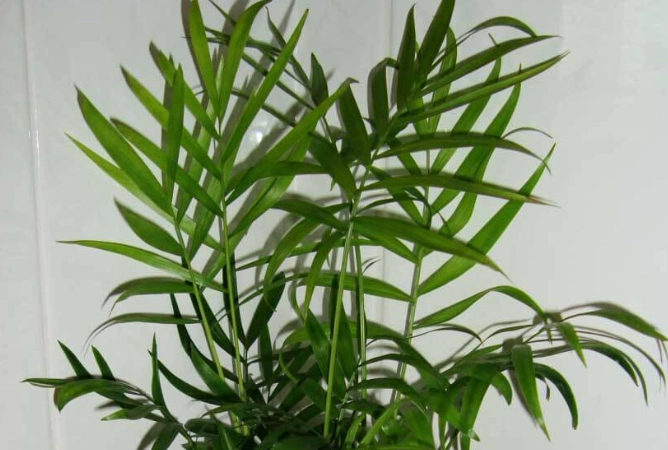
If you have a spot with indirect light, can remember to water it when the top soil is dry, and want a classic, air-purifying, pet-friendly companion, then the answer is simple: give the palm neanthe bella a try. You might just find it becomes one of your most loyal green friends.


Comments