Let's be honest, most articles make growing aloe vera sound like a no-brainer. "Just ignore it and it'll thrive!" they say. I killed my first aloe plant by following that advice. The truth is, while aloe is famously resilient, there's a sweet spot between neglect and over-attention that turns a struggling plant into a gel-producing powerhouse. If you've ever brought home a plump, beautiful aloe only to watch it turn brown, mushy, or stretched out like it's reaching for a lifeboat, you're not alone. The good news? Once you understand its simple desert logic, keeping aloe vera happy is genuinely easy. This guide will walk you through the entire process, from picking the right plant to harvesting the gel, and I'll point out the subtle mistakes most beginners make along the way.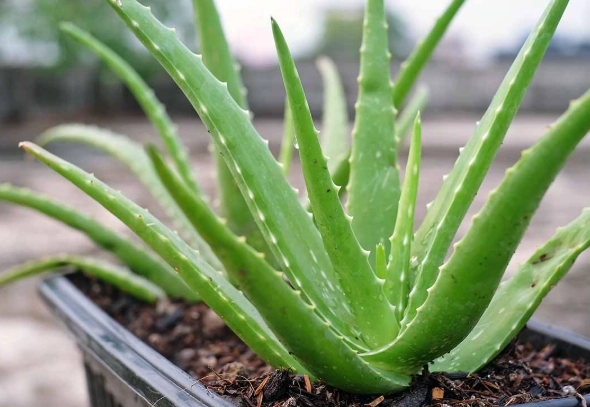
What You'll Learn in This Guide
- Why Bother Growing Your Own Aloe Vera?
- Choosing Your First Aloe Plant: A Buyer's Guide
- How to Plant Your Aloe Vera: A Step-by-Step Guide
- Aloe Vera Care Essentials: Light, Water, and Food
- How to Propagate Aloe Vera: Making Free Plants
- Harvesting and Using Your Aloe Vera Gel Safely
- Troubleshooting Common Aloe Vera Problems
Why Bother Growing Your Own Aloe Vera?
Sure, you can buy aloe gel in a bottle. But having a live plant is different. It's a first-aid kit on your windowsill. A sunburn? Snap off a leaf. A minor kitchen burn? Aloe. Dry skin? Aloe. The gel is over 99% water, but it's that 1% of compounds like acemannan that have the soothing, moisturizing effect. Studies, like those referenced by the National Institutes of Health, have explored its topical uses for generations. Beyond the gel, it's an air purifier (NASA's Clean Air Study noted its abilities) and a architectural-looking plant that asks for very little. Growing it yourself guarantees a pure, fresh product without preservatives or added colors.
Choosing Your First Aloe Plant: A Buyer's Guide
Not all aloes are created equal. Aloe vera (Aloe barbadensis miller) is the classic medicinal type. When you're at the garden center, look for these signs of a healthy plant:
- Firm, Upright Leaves: They should be plump and green, maybe with some whitish speckles. Avoid plants with leaves that are thin, wrinkled, or brown at the tips.
- A Compact Shape: The plant should look sturdy, not like it's stretching out. A long, leggy stem between the soil and the leaves means it's been starved for light.
- Check the Underside: Gently look under the leaves and near the soil for any signs of pests—tiny webs (spider mites) or cottony fluff (mealybugs).
You might also see other varieties like Lace Aloe or Tiger Aloe. These are beautiful but often smaller and less gel-filled. For utility, stick with true Aloe vera.
How to Plant Your Aloe Vera: A Step-by-Step Guide
Think desert. Your goal is to replicate fast-draining, gritty conditions. Here’s how to get it right from the start.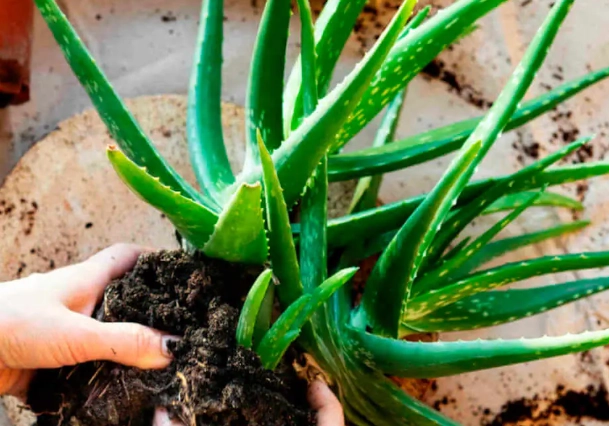
Choosing the Right Pot
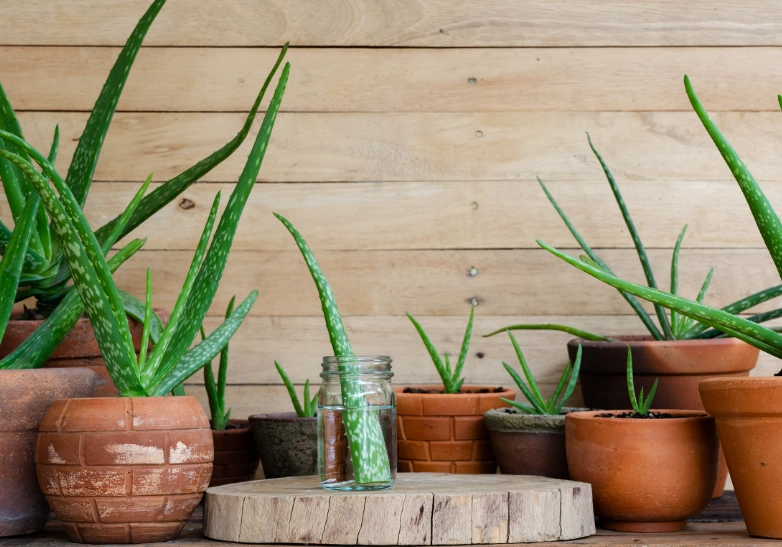
Terracotta or clay pots are the gold standard. Their porous walls allow the soil to dry out evenly and prevent waterlogging. Plastic pots retain moisture much longer—a common killer. Ensure the pot has a drainage hole. No compromises here. Size-wise, choose a pot that's about 1-2 inches wider in diameter than the root ball of your aloe. Too big, and the excess soil stays wet for too long.
The Perfect Soil Mix
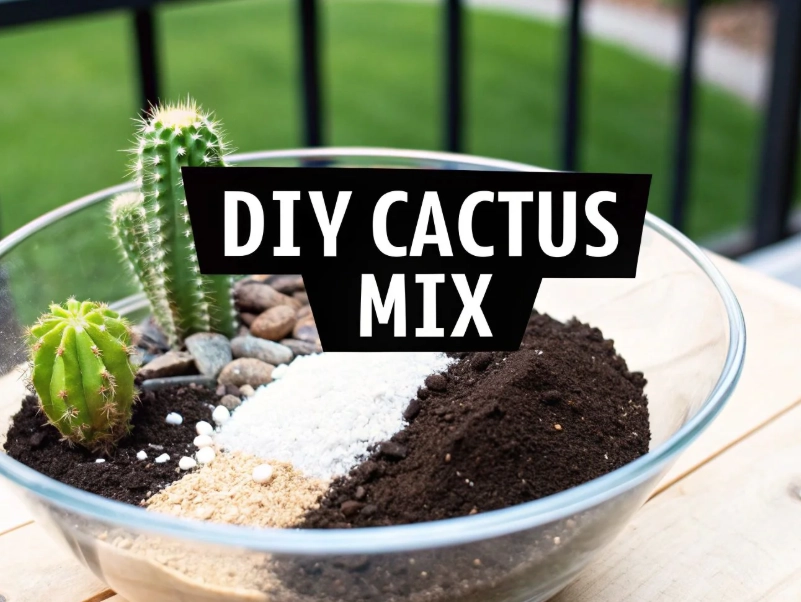
This is where most store-bought mixes fail. Regular potting soil holds too much water. You need a cactus or succulent potting mix. To make it even better, I mix 2 parts store-bought cactus soil with 1 part perlite or coarse sand. This creates the fast-draining environment aloe roots crave.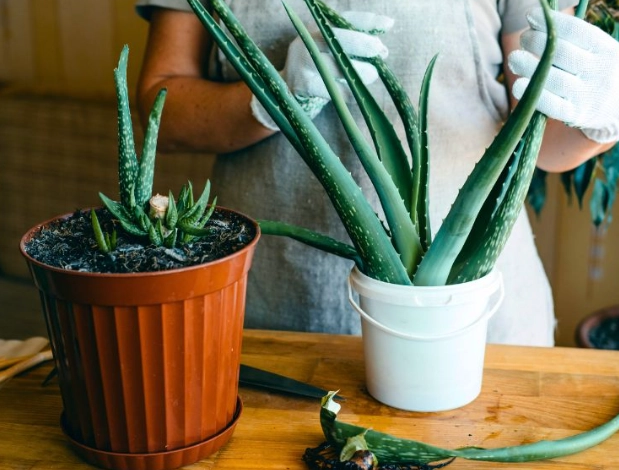
The Planting Process
1. Prep the pot: Place a small piece of broken pottery or a mesh screen over the drainage hole to keep soil in.
2. Add soil: Fill the bottom third of the pot with your prepared mix.
3. Position the plant: Gently remove your aloe from its nursery pot. Loosen the roots slightly if they're tightly wound. Place it in the new pot so the base of the plant sits just below the rim.
4. Fill and settle: Fill in around the roots with more soil mix. Gently firm the soil to support the plant, but don't pack it down hard.
5. The most important step: DO NOT WATER IT YET. Wait at least 5-7 days before the first watering. This gives any tiny root breaks a chance to callous over, preventing rot. Place it in bright, indirect light while it settles.
Aloe Vera Care Essentials: Light, Water, and Food
Get these three things right, and your aloe will outlive your interest in caring for it.
Sunlight: The Energy Source
Aloe loves bright light. A south or west-facing window is ideal, providing 4-6 hours of direct sun. See it stretching out with long gaps between leaves? It's begging for more light. Leaves turning brown or reddish? That's often a tan—it's getting a lot of sun. A little color is fine, but if it looks stressed, pull it back a foot from the window. Lack of light is a slower, more common killer than too much sun indoors.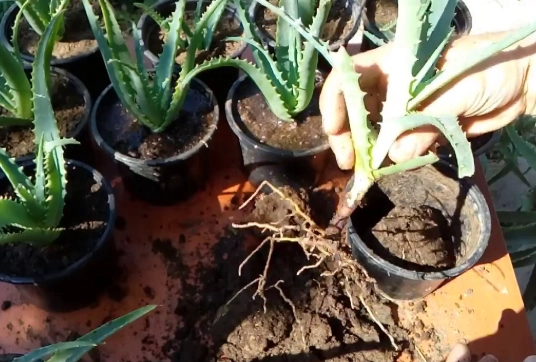
Watering: The Art of Neglect
This is the #1 reason aloe plants die. We love them to death. Aloe stores water in its leaves. You need to let the soil dry out completely between waterings. Here's my method:
- Stick your finger about 2 inches into the soil. Is it bone dry? Good. Wait another 3-4 days, then water.
- Water thoroughly until water runs freely out the drainage hole. This ensures the entire root ball gets moisture.
- Empty the saucer under the pot. Never let the plant sit in standing water.
In summer, this might be every 2-3 weeks. In winter, when growth slows, it could be once a month or less. The plant will tell you—plump leaves mean it's hydrated. Thin, slightly curled leaves mean it's thirsty.
Feeding: Less is More
Aloe isn't a heavy feeder. Fertilizing once or twice a year is plenty. Use a balanced, water-soluble fertilizer (like a 10-10-10) diluted to half strength, and only apply it in the spring or early summer. Fertilizing in fall or winter or using full strength can harm the roots and cause weak, unnatural growth.
How to Propagate Aloe Vera: Making Free Plants
A happy aloe will produce "pups" or offsets—baby plants that sprout from the base of the mother. This is how you get more plants for free. Don't rush to separate them. Wait until the pup is about one-fifth the size of the parent and has developed a few roots of its own.
To separate: Remove the entire plant from its pot. Gently brush away soil to see where the pup connects to the mother. Using a clean, sharp knife, cut the connecting root. Let the pup dry for a day or two (to callous the cut), then pot it in its own small container with cactus mix. Don't water for a week. And be patient—it might look sad for a bit before establishing itself.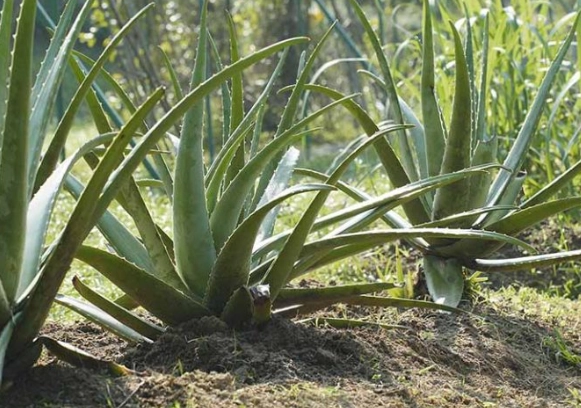
Harvesting and Using Your Aloe Vera Gel Safely
This is the rewarding part. Always harvest from a mature, healthy plant.
- Choose a thick, outer leaf. These are older and contain more gel.
- Use a clean knife to cut the leaf off as close to the main stem as possible.
- Place the cut leaf upright in a glass or bowl for 10-15 minutes. This allows the yellowish latex (aloin) to drain out. Aloin is a strong laxative and can be a skin irritant for some people.
- Rinse the leaf. Lay it flat and slice off the serrated edges, then fillet the top and bottom layers of skin away from the clear gel inside.
- Scoop out the gel and use it immediately, or store it in an airtight container in the refrigerator for up to a week. For longer storage, freeze it in ice cube trays.
Patch test first: Before slathering aloe gel on a large area, apply a small amount to your inner arm to check for any reaction.
Troubleshooting Common Aloe Vera Problems
Here’s a quick-reference table for diagnosing what’s wrong with your aloe.
| Symptom | Likely Cause | How to Fix It |
|---|---|---|
| Soft, mushy, brown leaves | Root rot from overwatering | Stop watering immediately. Unpot the plant, cut away any black/mushy roots, let it dry out for a few days, and repot in fresh, dry cactus mix. Water only after a week. |
| Thin, curled, greyish leaves | Underwatering | Give the plant a thorough soak. The leaves should plump up within a day or two. |
| Brown, dry leaf tips | Underwatering, low humidity, or salt/mineral buildup from tap water | Check soil moisture. Use filtered or rainwater if possible. You can trim the brown tips off with clean scissors. |
| Plant stretching out (etiolation) | Not enough light | Gradually move it to a brighter location. You can't fix the stretched part, but new growth will be compact. |
| Reddish or brown leaves | Usually too much direct sun (sunburn) | Move to a spot with bright but indirect light. |
| White or brown crust on soil | Mineral deposits from hard water | Scrape off the top layer of soil and replace it. Consider using filtered water. |
Your Aloe Questions, Answered
Can I grow aloe vera in low light?
It will survive, but it won't thrive. In low light, growth slows to a crawl, the plant becomes weak and leggy, and it's much more susceptible to overwatering because the soil takes forever to dry. If low light is your only option, consider a grow light to supplement. A simple LED bulb for a few hours a day makes a world of difference.
Why are the leaves on my aloe plant turning brown and soft?
Nine times out of ten, this is overwatering. The roots have begun to rot, and the rot is moving up into the leaves. The plant is literally drowning. The fix isn't just to water less—you need to act fast. Unpot it, inspect the roots, cut away anything mushy, and repot into dry, fresh, gritty soil. Then, relearn your watering habits. Wait for that soil to be completely, utterly dry.
How often should I repot my aloe vera?
Only when it becomes root-bound or starts producing a ridiculous number of pups. You'll know it's time if roots are growing out of the drainage hole, or the plant becomes top-heavy and unstable. For a mature plant, repotting every 2-3 years into a slightly larger pot is usually sufficient. Spring is the best time to do it.
Is the yellow liquid that comes out of the leaf harmful?
That's aloin (or latex). It's a potent laxative and can cause stomach cramps and skin irritation for some people. This is why it's crucial to let it drain out after cutting a leaf and to rinse the gel thoroughly before using it on your skin. Commercially processed aloe gel has this compound removed.
My aloe has tiny bugs on it. What are they and how do I get rid of them?
You likely have mealybugs (look like tiny bits of cotton) or scale (small, brown, bumpy discs). Isolate the plant immediately. For a light infestation, dip a cotton swab in rubbing alcohol and dab each bug directly. For a bigger problem, spray the plant with a mixture of water, a few drops of mild dish soap, and a teaspoon of neem oil. Repeat weekly until they're gone. Always check new plants to avoid bringing pests home.
Growing aloe vera successfully comes down to mimicking its natural habitat: bright light, infrequent but deep watering, and fast-draining soil. Forget the "set it and forget it" myth—it's more about "observe and respond." Pay attention to what your plant is telling you through its leaves. Start with a healthy plant, pot it correctly, and resist the urge to over-care. Do that, and you'll have a resilient, useful companion for years, ready to offer a bit of natural relief whenever you need it.
Comments