Aloe vera is everywhere – on skincare shelves, in health blogs, and in a huge number of homes. It's marketed as the ultimate "unkillable" plant. Yet, I see so many people end up with a sad, mushy, or brown aloe plant sitting in a soggy pot. The truth is, growing aloe vera successfully isn't about having a green thumb; it's about understanding one simple thing: this plant thrives on neglect, not nurture. Most failures come from being too kind. After killing my fair share of aloes by being overly attentive, I figured out the rhythm. This guide cuts through the fluff and gives you the exact, no-nonsense steps to keep your aloe vera not just alive, but actively growing and ready to provide that famous soothing gel.
What You'll Learn in This Guide
- Why Aloe Vera is a Perfect Beginner Plant
- Choosing the Right Pot and Soil for Your Aloe
- How to Water Your Aloe Vera Correctly (The Biggest Mistake!)
- Light and Temperature Needs for Optimal Growth
- Feeding and Repotting: Less is More
- Propagating Aloe Vera from Pups
- Troubleshooting Common Aloe Vera Problems
- Harvesting and Using Your Aloe Vera Gel
- Your Aloe Vera Questions Answered
Why Aloe Vera is a Perfect Beginner Plant
Let's be real. You want a plant that looks good, doesn't demand daily attention, and has a practical use. Aloe vera checks all those boxes. It's a succulent, which means it stores water in its thick, fleshy leaves. This adaptation comes from its native habitats in the Arabian Peninsula, where water is scarce. That's your first clue: treat it like a desert dweller, not a tropical fern.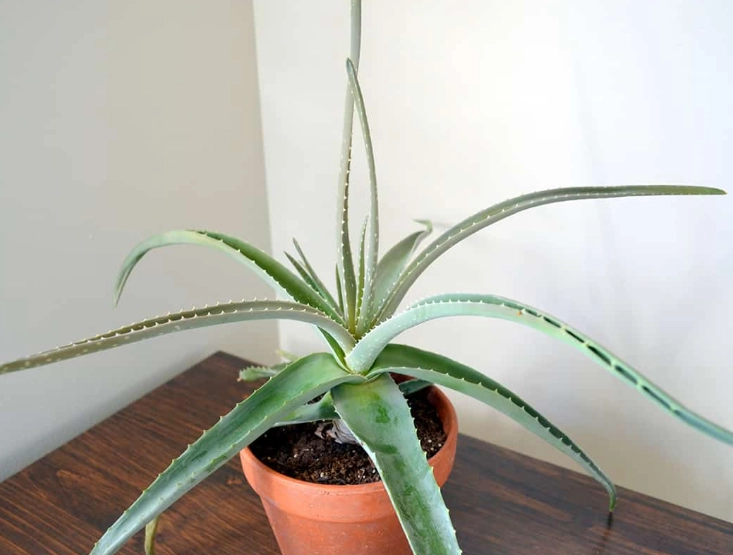
The benefits are tangible. Beyond its striking architectural look, the clear gel inside the leaves contains compounds like acemannan, which studies, including those referenced by institutions like the Mayo Clinic, suggest have soothing and moisturizing properties for minor skin irritations and burns. Having a living first-aid kit on your windowsill is pretty compelling.
Choosing the Right Pot and Soil for Your Aloe
This is where most people go wrong before they even water the plant. The goal is to recreate a fast-draining, gritty environment.
The Pot: Drainage is Non-Negotiable
You must use a pot with a drainage hole. I don't care how cute the ceramic pot without a hole is; it's a death sentence for your aloe. Terracotta pots are my top recommendation. They're porous, which allows the soil to dry out more evenly and helps prevent root rot. Plastic pots work too, but you'll need to be even more careful with watering.
Here's a subtle mistake I see: using a pot that's way too big. Aloes like to be slightly root-bound. A pot that's 1-2 inches wider than the root ball is ideal. A huge pot holds more soil, which stays wet longer, creating a swampy environment the roots can't handle.
The Soil Mix: Don't Use Regular Potting Soil
Standard potting mix retains too much moisture. You need a specialized succulent or cactus mix. Even better, make your own for optimal control. A simple, effective recipe is:
- 2 parts regular potting soil
- 1 part perlite or pumice
- 1 part coarse sand (horticultural sand, not beach sand)
This creates a chunky, airy mix that water flows through quickly. The roots get the moisture they need and then breathe, which is crucial.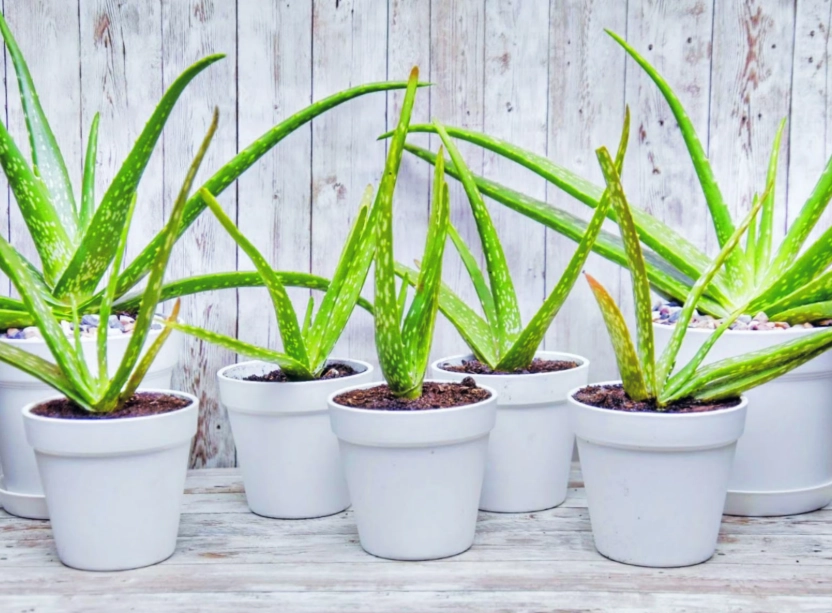
How to Water Your Aloe Vera Correctly (The Biggest Mistake!)
Overwatering is the assassin of 90% of aloe vera plants. The mantra is: Soak and Dry.
Here's the only method you need:
- Check the Soil: Stick your finger about 2-3 inches into the soil. If it feels completely dry, it's time to water. If there's any moisture or coolness at all, wait.
- Water Thoroughly: Take the plant to the sink and water it slowly until water runs freely out of the drainage hole. This ensures the entire root ball gets hydrated.
- Let it Drain Completely: Leave it in the sink for 10-15 minutes to let all excess water drain out. Never let the pot sit in a saucer full of water.
- Forget About It: Return it to its sunny spot and don't think about water again until the soil is bone-dry.
In practice, this might mean watering every 2-3 weeks in the summer and only once a month or even less in the winter when growth slows.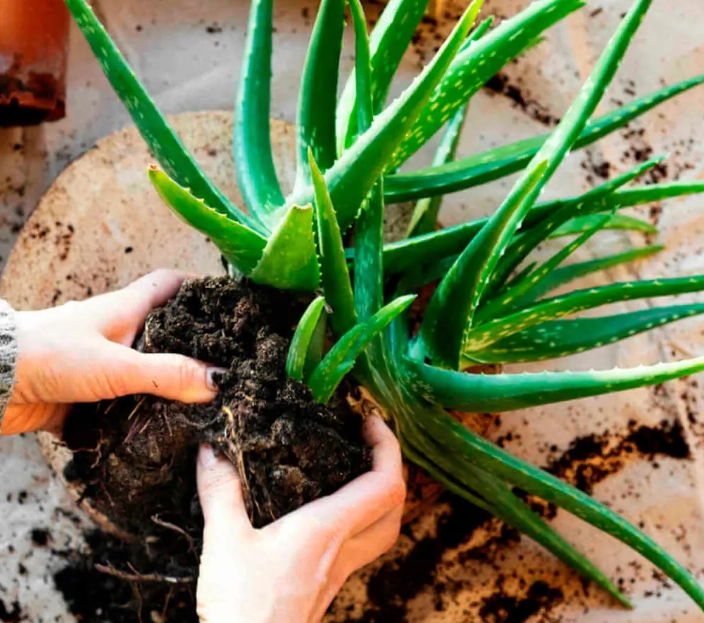
Light and Temperature Needs for Optimal Growth
Aloe vera loves bright, indirect light. A south or west-facing window is perfect. If you only have an east-facing window, it will work, but growth might be slower.
Signs of Not Enough Light: The plant becomes "leggy," stretching out with long, weak stems and widely spaced leaves. The leaves may also lose their vibrant green color and turn a pale green or yellow.
Signs of Too Much Direct Sun: Yes, they love sun, but a plant moved abruptly from a dark corner to a blazing hot patio can get sunburned. The leaves turn a brownish-red or develop dry, brown spots. If this happens, just move it to a spot with gentler light and the new growth will be fine.
As for temperature, they prefer the same range we do: between 55°F and 80°F (13°C - 27°C). They are not frost-hardy. If you live in a cold climate (below USDA zone 9), keep them indoors during winter. The USDA Plant Hardiness Zone Map is a good reference for outdoor growing limits.
Feeding and Repotting: Less is More
Aloe vera is not a heavy feeder. In fact, it can do just fine for years in fresh potting mix without added fertilizer. If you want to encourage growth, use a balanced, water-soluble fertilizer (like a 10-10-10) diluted to half strength. Apply it only once in the spring and maybe once in the summer. Never fertilize in fall or winter.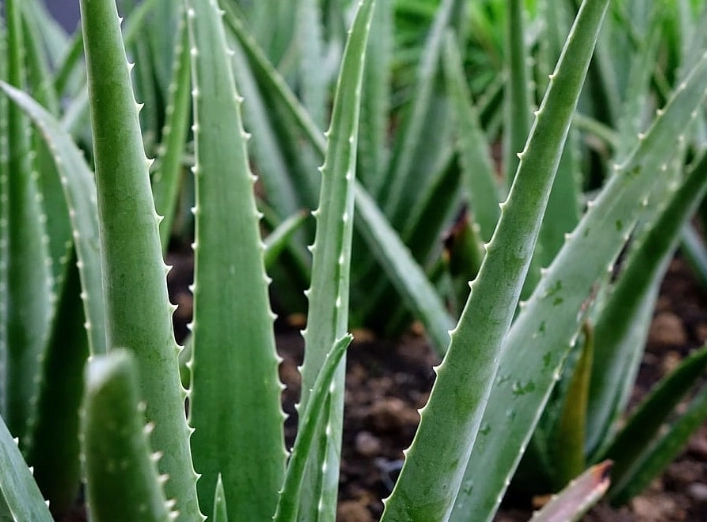
When to Repot: Repot when you see roots growing out of the drainage hole, or when the plant has produced so many "pups" (baby plants) that it's bursting out of the pot. This is usually every 2-3 years.
How to Repot:
- Gently remove the plant from its old pot.
- Brush away old soil and inspect the roots. Trim any that are black or mushy.
- Place it in a new pot with fresh succulent mix, keeping it at the same depth it was before.
- Wait about a week before watering to allow any disturbed roots to heal.
Propagating Aloe Vera from Pups
This is the fun part. A healthy aloe vera will produce offsets, called pups, around its base. Here's how to turn one plant into many:
- Wait until the pup is a decent size, about one-fifth the size of the mother plant, with a few leaves of its own.
- Remove the entire plant from the pot and gently separate the pup from the mother. You might need to use a clean, sharp knife if it's tightly connected. Try to keep some roots attached to the pup.
- Let the pup sit in a dry, shaded spot for 1-2 days. This allows the cut end to callous over, which prevents rot when you plant it.
- Plant the pup in a small pot with dry succulent mix. Don't water it for about a week. Then, water lightly and treat it like a mature plant.
Troubleshooting Common Aloe Vera Problems
Here’s a quick-reference table for diagnosing your aloe.
| Symptom | Likely Cause | How to Fix It |
|---|---|---|
| Soft, mushy, brown leaves | Root rot from overwatering | Stop watering immediately. Remove plant, cut off rotten roots/leaves, repot in dry soil, wait a week before a light watering. |
| Thin, curled, dry leaves | Underwatering | Give the plant a thorough soak. The leaves should plump up in a day or two. |
| Brown, crispy leaf tips | Underwatering, low humidity, or salt/mineral buildup from tap water. | Check watering routine. Use filtered or distilled water if possible. You can snip the brown tips off with clean scissors. |
| Pale green or yellow leaves | Too much direct sun (sunburn) or not enough light. | Assess the light situation and adjust accordingly. |
| Leggy, stretched growth | Not enough light | Move to a brighter location. |
| Reddish-brown leaves | Often a stress response to intense sun or cold drafts. Can also be normal "blushing." | If plant seems otherwise healthy, it's likely fine. If combined with other symptoms, check environment. |
Harvesting and Using Your Aloe Vera Gel
Once your plant is mature and thriving (at least a couple years old), you can harvest gel.
- Choose a thick, outer leaf.
- Cut it off cleanly at the base with a sharp knife.
- Let the yellow latex (aloin) drain out for a few minutes. This substance can be a skin irritant for some people.
- Slice the leaf lengthwise and scoop out the clear gel with a spoon.
- Use it immediately on minor burns, sunburns, or dry skin patches. You can store excess gel in the refrigerator in an airtight container for about a week.

Comments