Sansevieria, or snake plant, is the ultimate gateway drug into houseplant parenthood. It thrives on neglect, purifies your air, and looks sculptural in any corner. But here's the real magic trick: turning one snake plant into many. Propagation isn't just for experts; it's a simple, rewarding process that feels like getting free plants. I've been doing this for over a decade, and I've seen every mistake in the book. Let's cut through the fluff and get your sansevieria multiplying.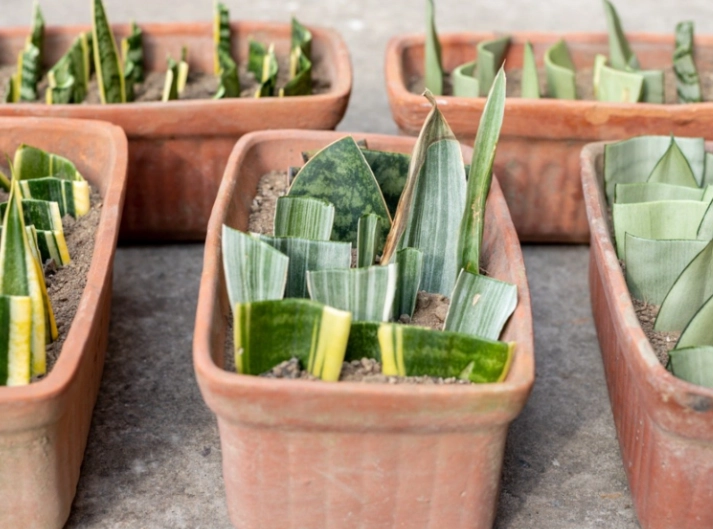
What's Inside This Guide?
How to Propagate Sansevieria: The Four Methods Explained
You have four main roads to more snake plants. The best one for you depends on your patience, the tools you have, and the type of sansevieria you own. Let's break them down side-by-side before diving into the gritty details.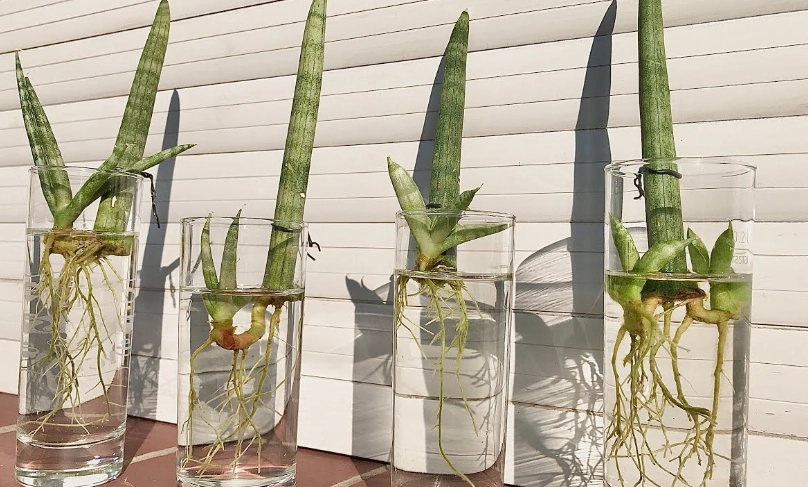
| Method | Best For | Difficulty | Success Rate | Time to New Plant |
|---|---|---|---|---|
| Division | Mature, crowded plants; preserving variegation | Easy | ~95% | Immediate |
| Water Propagation | Visual learners; single leaf cuttings | Easy | ~80% | 2-4 months |
| Soil Propagation | Set-it-and-forget-it growers | Easy | ~75% | 3-5 months |
| Leaf Cuttings | Creating many plants from one leaf | Medium | ~70% (may lose variegation) | 4-8 months |
How to Propagate by Division
This is my go-to method. If your snake plant has outgrown its pot and you see multiple clusters of leaves (called "pups" or "offsets") emerging from the soil, it's begging to be divided. You're not cutting anything; you're separating what nature already started.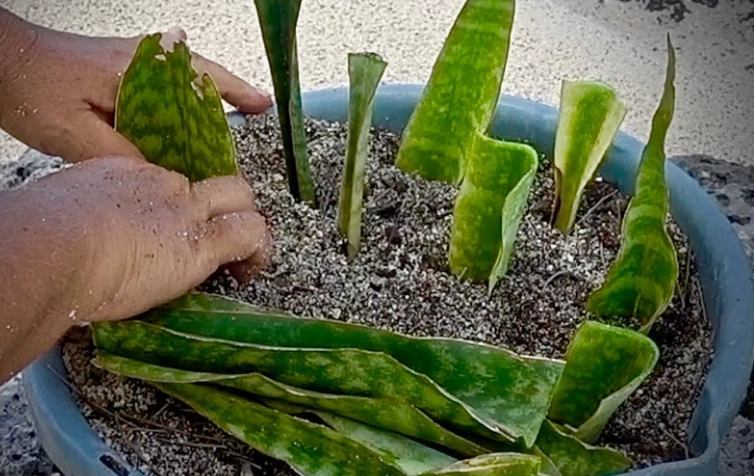
What you need: Your overgrown plant, a clean sharp knife or garden spade, fresh well-draining potting mix (I mix 2 parts cactus soil with 1 part perlite), and new pots.
- Water the plant a day before. A hydrated plant is less stressed.
- Gently remove the entire plant from its pot. You'll see a tangled mass of roots and thick, horizontal stems called rhizomes connecting the leaf clusters.
- Identify natural separation points. Look for spaces between clusters. Your goal is to keep as many roots attached to each pup as possible.
- Use your hands to gently tease them apart. If they're stubbornly connected by a thick rhizome, that's when you use the clean knife. Make a clean cut, ensuring each new section has both leaves and roots.
- Pot each division into its own container with fresh soil. Don't bury it deeper than it was before.
- Wait a week before watering. This lets any cut roots callus over and prevents rot.
The biggest struggle I see? People being too gentle. Sometimes the root ball is a solid brick. You might need to be firm, even brutal, to separate them. It's okay if you lose a few roots in the process. Snake plants are survivors.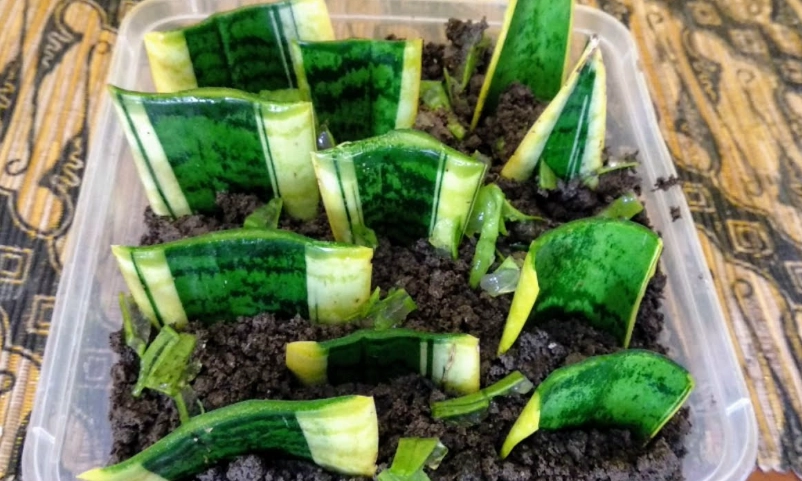
How to Propagate Snake Plant in Water
Water propagation is addictive. There's something magical about watching roots grow in a glass jar. It works great for single leaf cuttings or small offsets.
- Take a clean cutting. Use a sterile knife to cut a healthy leaf near the soil line. You can cut this leaf into smaller 3-4 inch segments, but remember which end was down. Mark the bottom with a tiny notch or pen.
- Let it callus. This is non-negotiable. Place the cutting(s) in a dry, airy spot for 2-3 days. The cut end should form a dry, slightly hardened layer. Skipping this is the fast track to a mushy, rotten cutting.
- Place in water. Use a narrow vessel (a shot glass or small bottle works) so the leaf stands upright. Only submerge the bottom inch. Keep the leaf itself dry.
- Find a bright spot with indirect light. No direct sun, which will cook the water and the cutting.
- Change the water every 5-7 days. This prevents bacterial slime. Tap water is fine.
You'll see tiny white roots in 3-6 weeks. Wait until those roots are at least an inch long and have secondary root hairs (they look fuzzy) before potting in soil. That extra patience means a much smoother transition.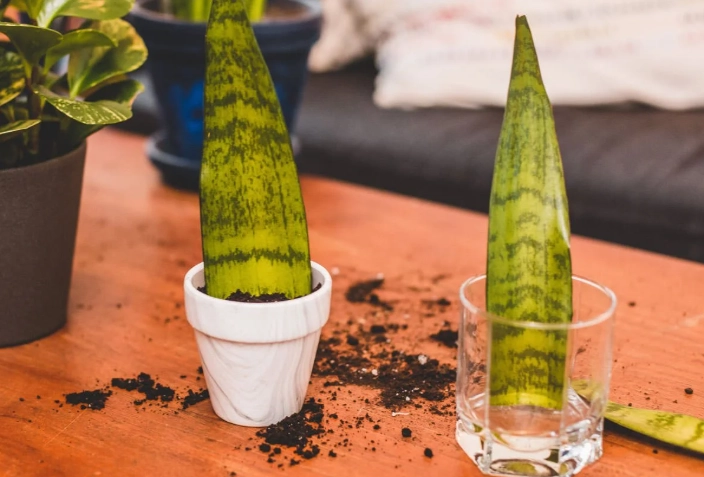
How to Propagate Directly in Soil
This method mimics nature most closely. You skip the water phase and let roots develop directly in their final home. It requires a bit more faith because you can't see what's happening underground.
Prepare your cuttings the same way: clean cut, let callus for 2-3 days. Then, get a small pot with excellent drainage and fill it with a succulent or cactus mix. I add extra perlite for insurance.
Stick the callused end about an inch deep into the dry soil. You can use a pencil to make a pilot hole. Firm the soil gently around it. Here's the critical part: do not water it. Place it in bright, indirect light and wait. For a full week. Then, give it a very light watering, just enough to dampen the soil around the cutting. From then on, water only when the soil is completely dry, and I mean bone-dry.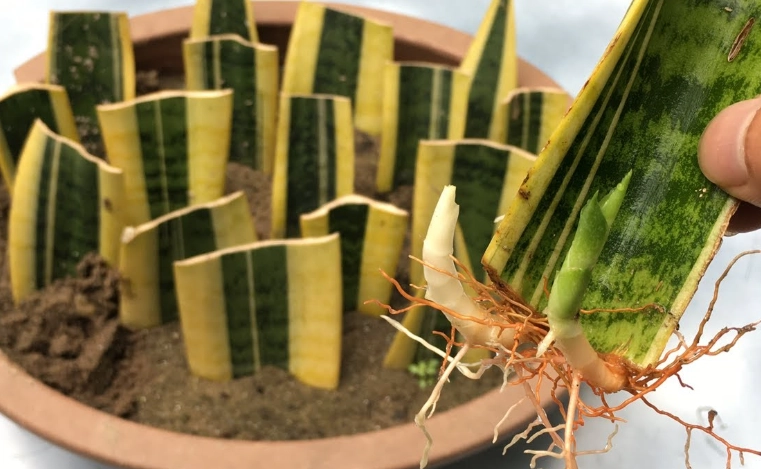
It feels wrong to not water a new planting. But that dry period forces the cutting to focus energy on pushing out roots in search of moisture. It's the single biggest mindset shift for successful soil propagation.
The One Mistake That Kills 90% of Sansevieria Cuttings
After helping hundreds of people, the pattern is clear. It's not light, not temperature, not pot size. It's overwatering. Specifically, watering before a callus forms and keeping the medium too moist afterward.
Sansevieria leaves are full of water. A fresh cut is an open wound. If you introduce moisture immediately, it's like pouring water into an open cup—it soaks right up that cut end and starts the rotting process from the inside out. The callus is a natural band-aid. No band-aid, infection sets in.
Even after potting, their water needs are minimal. Their roots are developing, not established. Wet soil drowns those tiny new roots. Think of your cutting as a camel starting a journey, not a fish needing a pond. It has all the stored water it needs in its leaf. Your job is to provide a dry, stable environment for it to build its own water-gathering system (roots).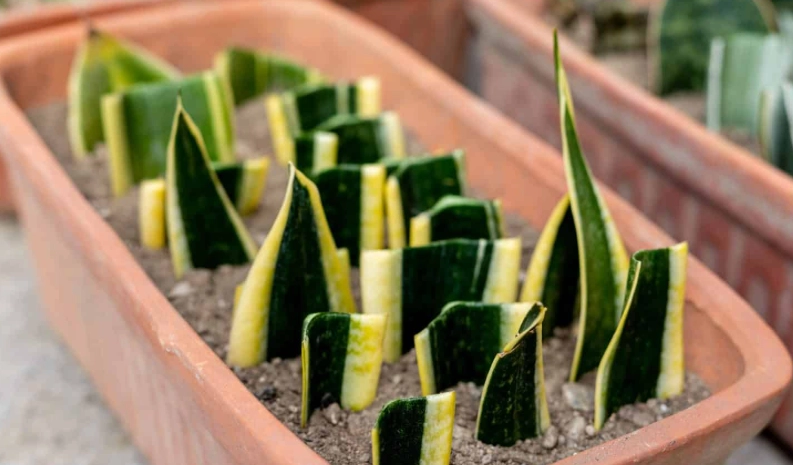
Expert Hack: When you finally do water a newly potted cutting or division, use a spray bottle or small watering can to target only the soil around the base. Avoid drenching the entire pot or getting water in the center of the leaf rosette. This minimizes the risk of rot while providing necessary moisture to the root zone.
Caring for Your New Sansevieria Babies
Your propagated plant isn't a full adult yet. Treat it with a bit more TLC for the first 6 months.
Light: Bright, indirect light is the sweet spot. A north or east-facing window is perfect. Too much direct sun can scorch the tender new growth. Too little light will slow everything to a crawl.
Watering: The "soak and dry" method is gospel. Water thoroughly until it runs out the drainage hole, then let the soil dry out completely. I stick my finger in the soil—if it's dry two inches down, it's time. In winter, this might mean watering only once a month.
Soil & Pot: Always use a pot with a drainage hole. Terracotta is fantastic because it wicks away extra moisture. That succulent/cactus mix is non-negotiable. Regular potting soil holds too much water and will compact, suffocating the roots.
Patience: This isn't a pothos. Growth is slow. You might not see a new leaf for several months. Don't panic and start over-fertilizing or overwatering. If the original cutting or division looks healthy and firm, it's working underground.
Troubleshooting Common Sansevieria Propagation Problems
Things don't always go perfectly. Here's how to read the signs.
The cutting is mushy and brown at the base. This is rot, almost always from overwatering or lack of callusing. Cut well above the mushy part with a sterile tool, let it callus again, and restart. Ensure your soil is drier or your water is changed more often.
Roots formed in water, but the plant wilted after potting in soil. This is transplant shock. Water roots are different from soil roots—they're more fragile. When you move from water to soil, keep the soil slightly more moist than usual (but not wet) for the first two weeks to help them transition. A clear plastic bag loosely over the pot can increase humidity and reduce stress.
The leaf cutting is growing roots but no new shoot/pup. This takes time, often many months. Ensure it has enough light. The plant is building a robust root system and a energy-storing rhizome underground before it has the resources to push up a new shoot. As long as the cutting is firm and green, wait.
My variegated snake plant produced all-green pups from a leaf cutting. This is a genetic rollback. For variegated cultivars like 'Laurentii' or 'Moonshine', propagation from leaf cuttings often reverts to the original, all-green form. To preserve the striping or yellow edges, you must use division. It's a quirk of plant genetics that catches many beginners off guard.
Your Sansevieria Propagation Questions, Answered
My snake plant leaf cutting has been in water for months with great roots, but no pup. What's wrong?
Nothing's wrong, it's just following its own schedule. Snake plants prioritize root and rhizome development first. That underwater network is the foundation. A pup (new shoot) can take 4-8 months to appear. Transfer it to soil once the roots are robust—soil often triggers the next growth phase. Just keep it in bright light and be patient.
Can I propagate a broken sansevieria leaf?
Absolutely. This is a great way to salvage an accident. Just treat it like a regular cutting. Make a clean cut at the break point, let it callus, and propagate in water or soil. The key is having a clean, callused end to work with, not a ragged tear.
What's the best time of year to propagate snake plants?
Spring and early summer are ideal. The increasing light and warmth stimulate growth. You can propagate successfully year-round indoors, but progress will be slower in fall and winter. Avoid propagating a plant that's stressed from cold drafts or extreme heat.
Why did my propagated leaf turn yellow and soft?
Yellowing and softness, especially starting at the base, is the classic signature of rot from too much moisture. The cutting was either not callused enough, planted in soil that stayed wet, or the water in your propagation vessel wasn't changed regularly, leading to bacteria. Cut above the damage, callus properly, and try again with a drier approach.
How do I know if my propagation attempt is successful?
For water propagation, success is clear white roots. For soil, the best sign is resistance. After a month or two, give the cutting a very gentle tug. If you feel resistance, roots have formed. The ultimate sign is, of course, a new green shoot emerging from the soil near the base of the cutting or from the center of a division.
Propagating sansevieria is less about having a green thumb and more about practicing restraint. Give them a clean cut, a dry start, well-draining soil, and then mostly leave them alone. They'll reward your patience with resilient, architectural new plants that cost you nothing. Now go check your snake plant—it's probably ready to become a parent.


Comments