I killed my first succulent by transplanting it wrong. It was a jade plant I'd had for years, and in my rush to give it a bigger home, I tore the roots, used regular potting soil, and watered it right away. A week later, it was mushy and gone. Since then, I've transplanted hundreds of succulents, from echeverias to aloes, and learned that the process isn't just about moving dirt—it's about timing, tools, and a bit of patience. Let's dive into how to do it right, so you don't repeat my mistakes.
What You'll Learn in This Guide
When to Transplant Your Succulent
Timing is everything. Most guides say spring is best, and they're right, but there's more to it. If you transplant in summer, the heat can stress the plant; in winter, growth slows, and roots might not establish. I've found early spring, when temperatures are mild and daylight increases, works like a charm. But don't just rely on the calendar—look at your plant.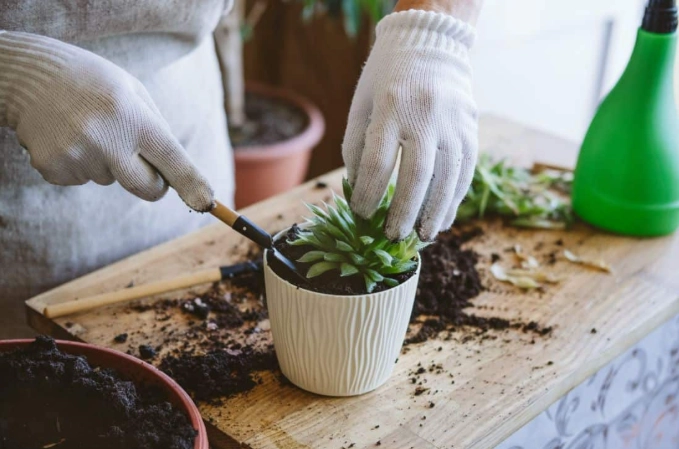
Signs Your Succulent Needs Repotting
Here are the red flags I watch for:
- Roots growing out of drainage holes: This is obvious, but sometimes roots sneak out the bottom before you notice. Lift the pot and check.
- The soil dries out too fast: If you're watering every other day and the soil feels dry, the roots might have taken over the pot.
- The plant looks top-heavy: I had a haworthia that kept tipping over because it outgrew its container. Time for a move.
- Stunted growth: If your succulent hasn't put out new leaves in months, it could be root-bound. I learned this the hard way with a sedum that just sat there until I repotted it.
Avoid transplanting right after you buy a new succulent. Give it a few weeks to adjust to your home environment. Nurseries often use dense soil that retains water, so letting it dry out first can prevent rot later.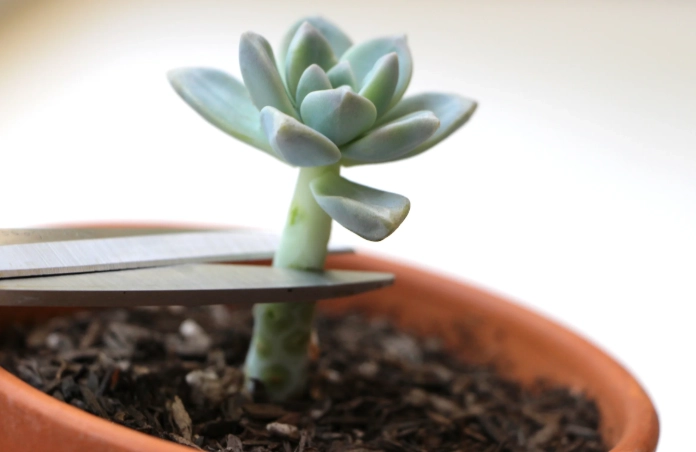
Tools and Materials You'll Need
You don't need fancy gear, but skimping here can backfire. Here's my go-to list, based on trial and error:
Pot: Choose one 1-2 inches wider than the current pot. Terracotta is my favorite—it breathes, reducing the risk of overwatering. Plastic works too, but you'll need to water less. Make sure it has drainage holes; if it doesn't, drill some or skip it. I once used a decorative pot without holes, and the roots drowned within a month.
Soil mix: This is where most people mess up. Regular potting soil holds too much moisture. Use a well-draining mix: I combine 2 parts cactus soil (like from a brand like Miracle-Gro) with 1 part perlite and 1 part coarse sand. For succulents prone to rot, like lithops, I add extra pumice. You can buy pre-mixed succulent soil, but check the ingredients—some are still too dense.
Tools: Gardening gloves (some succulents have sharp edges), a trowel or spoon for digging, pruning shears or scissors for trimming roots, and newspaper or a tray to catch mess. I also keep a small brush handy to clean soil off leaves.
Don't forget water, but hold off on using it until later. I'll explain why in the steps.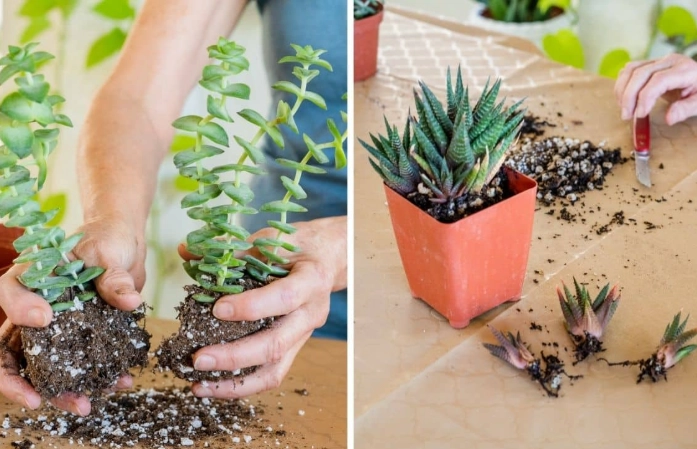
Step-by-Step Transplanting Process
Follow these steps slowly. Rushing is how I killed that jade plant.
Step 1: Prepare the New Pot and Soil
Fill the new pot about one-third with your soil mix. Don't pack it down—leave it loose so roots can spread. If you're using terracotta, soak it in water for 30 minutes first to prevent it from wicking moisture away from the soil later. I skipped this once, and the plant dried out too fast.
Step 2: Remove the Succulent Safely
Water the succulent lightly a day before transplanting. This makes the soil easier to work with and reduces root shock. Then, tip the pot sideways and gently squeeze or tap it to loosen the root ball. If it's stuck, run a knife around the edges. I've broken pots trying to force plants out, so patience pays off.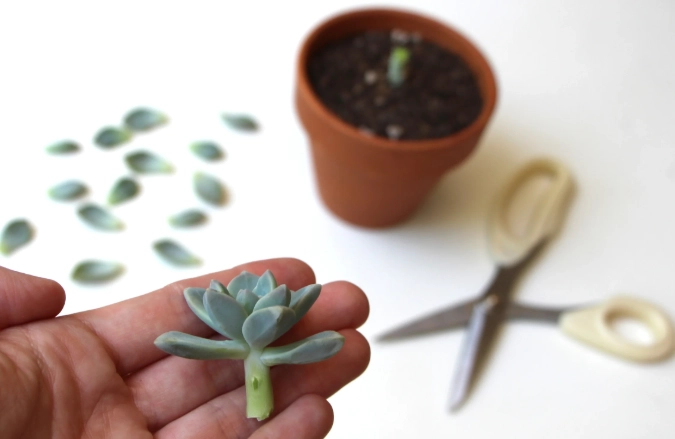
Once out, brush off excess soil. Inspect the roots: if they're brown and mushy, trim them with sterilized scissors. Healthy roots are white or light tan. If the plant has offsets (babies), you can separate them now for propagation—a bonus for expanding your collection.
Step 3: Planting and Aftercare
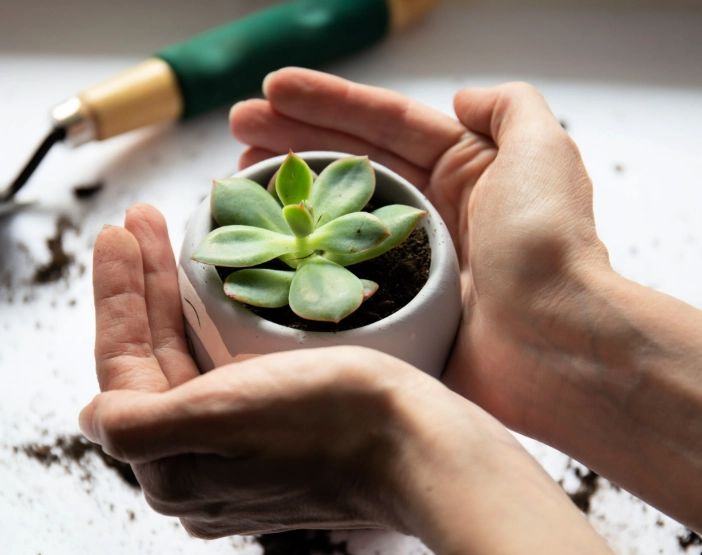
Place the succulent in the new pot, adjusting the soil level so the base sits just below the rim. Fill around with more soil, tapping the pot to settle it. Don't bury the stem too deep; succulents store water in their leaves and stems, and burying can lead to rot. I leave about half an inch of space at the top for watering.
Now, the critical part: don't water immediately. Wait 5-7 days to let any damaged roots callous over. This is non-negotiable in my experience. Watering too soon invites rot. Place the plant in bright, indirect light for a week—direct sun can scorch it while it's stressed. After a week, give it a thorough soak, letting water drain out the bottom.
Resume normal care gradually. Most succulents need water every 2-3 weeks, but check the soil first. Stick your finger in; if it's dry an inch down, it's time.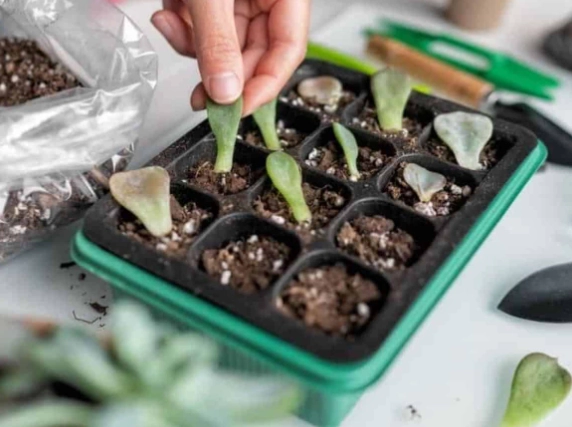
Common Mistakes and How to Avoid Them
I've seen these errors over and over, both in my own plants and others'. Here's how to sidestep them:
- Using the wrong soil: As mentioned, dense soil equals root rot. Invest in a gritty mix. If you're on a budget, amend regular soil with perlite—it's cheaper than replacing dead plants.
- Overwatering after transplanting: This is the biggest killer. That waiting period is crucial. I set a reminder on my phone to water after a week.
- Choosing a pot that's too big: A huge pot holds more soil, which stays wet longer. Succulents prefer being slightly root-bound. Go up one size at a time.
- Ignoring root health: If you see black or soft roots, trim them. I've saved plants by cutting away rot and dusting with cinnamon (a natural antifungal) before repotting.
- Transplanting during dormancy: Some succulents, like aeoniums, go dormant in summer. Transplanting then can shock them. Know your plant's cycle—resources like the University of California's Agriculture and Natural Resources site have good guides on succulent types.
One more thing: avoid fertilizing for at least a month after transplanting. Fresh soil often has nutrients, and extra fertilizer can burn tender roots.
Frequently Asked Questions
Transplanting succulents isn't rocket science, but it demands attention to detail. Start with a healthy plant, use the right tools, and give it time to settle. If you mess up, don't worry—succulents are resilient. I've revived plants that looked dead by repotting them correctly. Happy gardening!
Comments