You've probably heard aloe vera is impossible to kill. That's only half true. It's hard to kill from neglect, but surprisingly easy to harm with kindness—mostly overwatering. I've grown dozens of these succulents over the years, and the healthiest ones thrive on a simple rule: mimic their natural, arid habitat. Forget the rigid weekly schedule. Caring for aloe is about observing, not just doing.
What You'll Learn
The Golden Rules: Watering and Sunlight
Get these two things right, and 90% of your aloe care battles are won.
Watering: The "Soak and Desert" Method
Here's the subtle mistake most beginners make: they water when the top inch of soil feels dry. For aloe, that's often too soon. The pot's center might still be damp. Wait until the soil is completely dry all the way through.
Stick your finger deep into the drainage hole if you can, or use a wooden chopstick. If it comes out clean, it's time.
Pro Tip: The plant itself gives better signals than the soil. Plump, firm, upright green leaves mean it's hydrated. If the leaves start to feel thin, or slightly curl inward, it's getting thirsty. Waiting for this slight sign is safer than poking the soil.
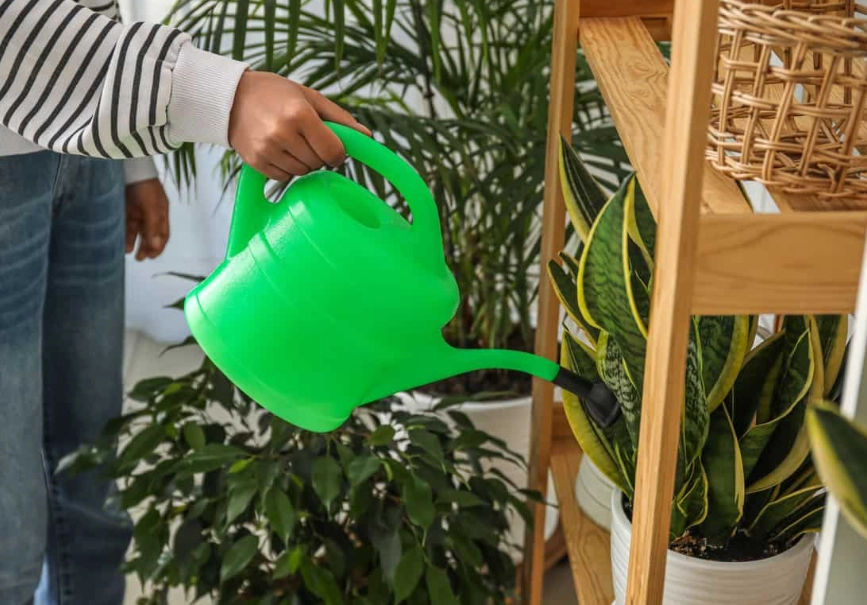
When you water, do it thoroughly. Pour water until it runs freely out the bottom. This ensures the entire root ball gets moisture. Then, and this is critical, empty the saucer. Letting the pot sit in water is a fast track to root rot.
Sunlight: Bright but Not Brutal
Aloe loves light. A south or west-facing window is ideal. But there's a catch. If your plant has been in lower light (like a store), moving it directly into blazing afternoon sun will scorch it. The leaves turn a sad, reddish-brown.
Acclimate it over a week or two. Start with a few hours of direct morning sun, then gradually increase exposure.
Not enough light? The plant will tell you. It starts to "stretch" or etiolate, becoming leggy with widely spaced, pale leaves. It's reaching for more sun.
The Perfect Home: Potting and Soil for Aloe
Choosing the right pot and soil mix is like building a good foundation for a house. Get it wrong, and everything else becomes a struggle.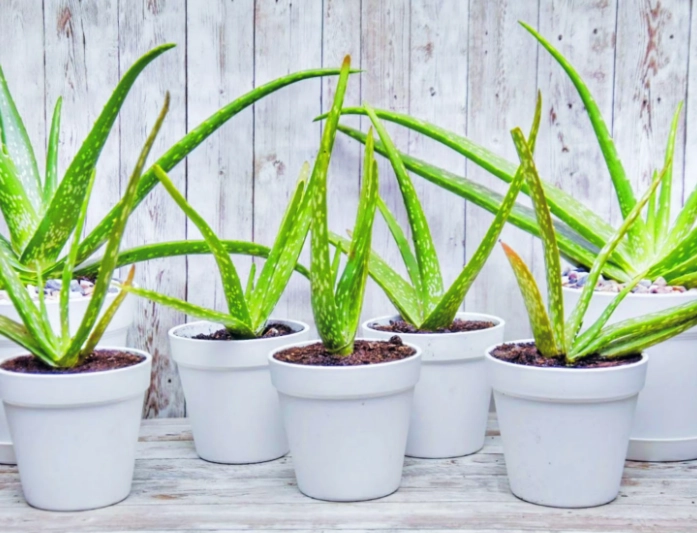
The Pot: Always, always use a pot with a drainage hole. Terra cotta pots are excellent for aloe because they're porous, allowing soil to dry out faster than plastic or ceramic. Size matters too. Aloe likes to be slightly root-bound. Only repot when you see roots circling the bottom or poking out the hole, and then only go up one pot size (1-2 inches wider in diameter).
The Soil: Regular potting soil holds too much moisture. You need a fast-draining mix. A good rule is to use a cactus and succulent potting mix. To make it even better, I mix 2 parts of that commercial mix with 1 part perlite or coarse sand. This creates the gritty, airy environment aloe roots crave.
Reading the Leaves: Troubleshooting Common Problems
Your aloe's leaves are its communication system. Here’s how to decode the messages.
| What You See | Likely Cause | What to Do |
|---|---|---|
| Soft, mushy, brown leaves (starting at base) | Overwatering / Root Rot | Stop watering immediately. Remove plant, cut away black/mushy roots, repot in dry, fresh mix. Water only after 1-2 weeks. |
| Thin, curled, crispy brown leaves | Underwatering | Give the plant a thorough soak. Leaves should plump up in a few days. |
| Flat, leggy growth, leaves pointing down | Not enough light | Gradually move to a brighter location. Rotate the pot occasionally. |
| Reddish or brownish patches on leaves | Sunburn | Move to a spot with bright, indirect light. The damaged leaves won't recover, but new growth will be green. |
| Brown leaf tips | Often mineral buildup from tap water or low humidity | Use filtered or rainwater if possible. You can safely snip the brown tips off with clean scissors. |
Watch Out: That "overwatering" diagnosis isn't always about how often you water. It's about soil that stays wet too long. A pot without drainage, heavy soil, or a cool, dark room can all cause overwatering symptoms even if you're watering infrequently.
Making More Plants and Using the Gel
A happy aloe will produce "pups" or offsets—baby plants that grow from the base of the mother. This is your ticket to free plants.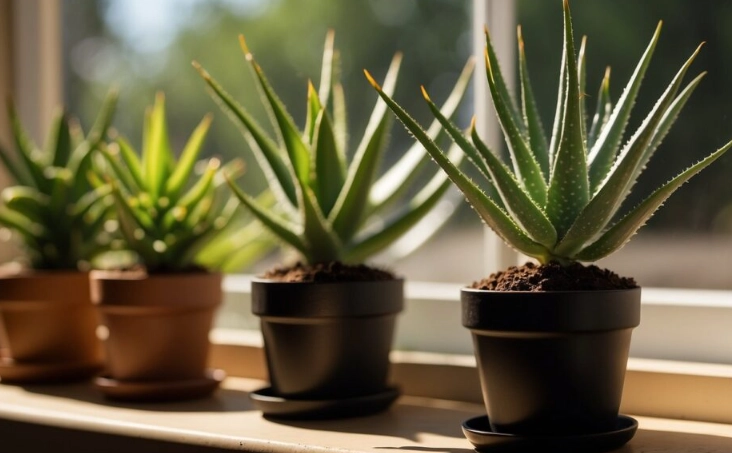
Wait until the pup is a decent size (about one-fifth the size of the parent) and has a few leaves of its own. Gently remove the entire plant from its pot and use a clean, sharp knife to separate the pup, ensuring it has some roots attached. Let the cut end callus over for a day or two, then pot it in its own small container with succulent mix. Don't water it for about a week to avoid rot.
How to Harvest Aloe Vera Gel Safely
Want to use that soothing gel? Pick a thick, mature outer leaf. Cut it close to the base with a clean knife. Place the cut leaf upright in a cup for 10-15 minutes to let the yellow latex (aloin) drain out—this compound can be a skin irritant for some people.
Then, lay the leaf flat and slice off the serrated edges and the top and bottom layers. You'll be left with a clear gel fillet. Scoop it out and use it immediately or store it in the fridge for a few days. The remaining leaf stub won't heal, so just compost it.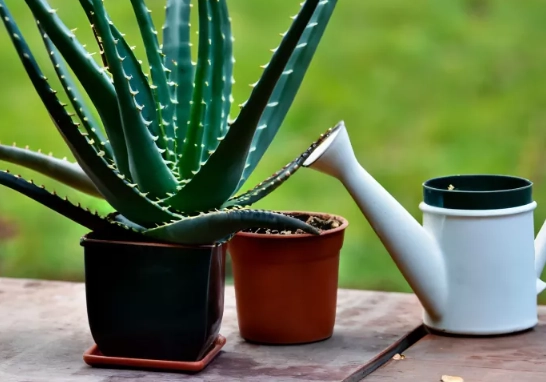
Your Aloe Care Questions Answered



Comments