Quick Guide
- Getting Started: The Three Things You Absolutely Need to Get Right
- The Daily (Well, More Like Weekly/Monthly) Care: Light, Water, and Food
- Troubleshooting: Reading Your Aloe's Leaves
- Propagation and Harvest: The Rewards
- Your Aloe Vera Questions, Answered
- Wrapping It Up: The Simple Philosophy of Aloe Care
So, you've brought home an aloe vera plant. It looked so plump and healthy at the store, promising a future of easy home remedies and green decor. But now, a few weeks in, you might be staring at it, wondering why the leaves are getting thin, or maybe turning a suspicious shade of brown. Don't worry, you're not alone. I've been there. In fact, I've killed my share of aloe plants by being too enthusiastic with the watering can. The truth is, learning how to cultivate aloe vera is less about having a green thumb and more about understanding one simple thing: it's a survivor from harsh, dry climates, and it wants you to mostly leave it alone.
This guide is going to cut through the fluffy advice. We're going to talk about the real stuff—the mistakes everyone makes, the signs your plant is secretly unhappy, and the straightforward steps to turn it into a thriving, gel-filled powerhouse. Whether you're a total beginner or someone who's had a few aloe casualties, this is the manual I wish I'd had.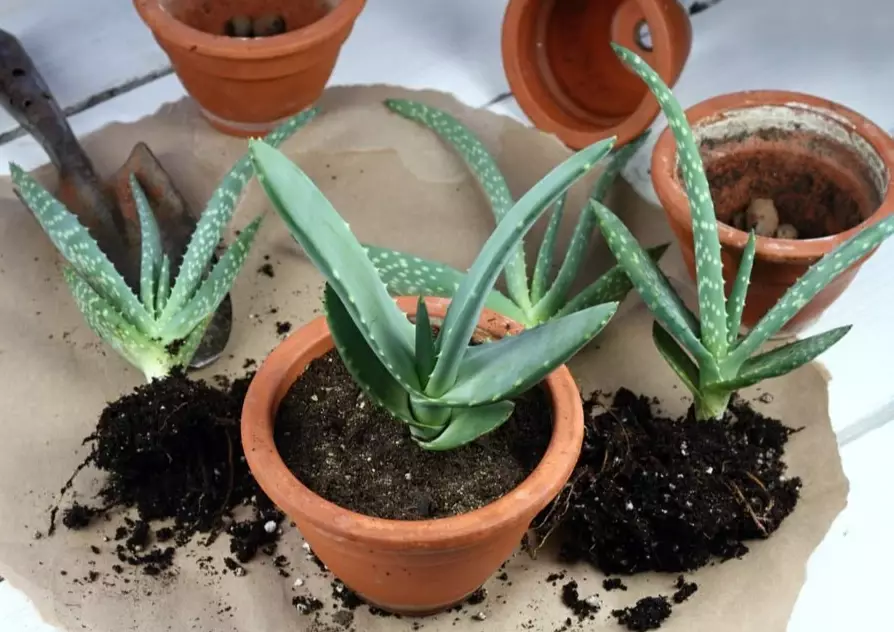
Getting Started: The Three Things You Absolutely Need to Get Right
Before you even think about watering schedules or fertilizer, the success of your mission to cultivate aloe vera hinges on three foundational choices. Get these wrong, and you're fighting an uphill battle from day one.
1. Picking Your Plant (It's Not Just About Looks)
You can buy aloe from a garden center, grocery store, or even get a pup (a baby plant) from a friend. Wherever you get it, give it a good once-over. Avoid plants with leaves that are mostly brown, yellow, or feel mushy. The leaves should be firm, fleshy, and a vibrant grey-green color. Check the base of the plant and the soil for any signs of bugs or mold. A healthy start is everything.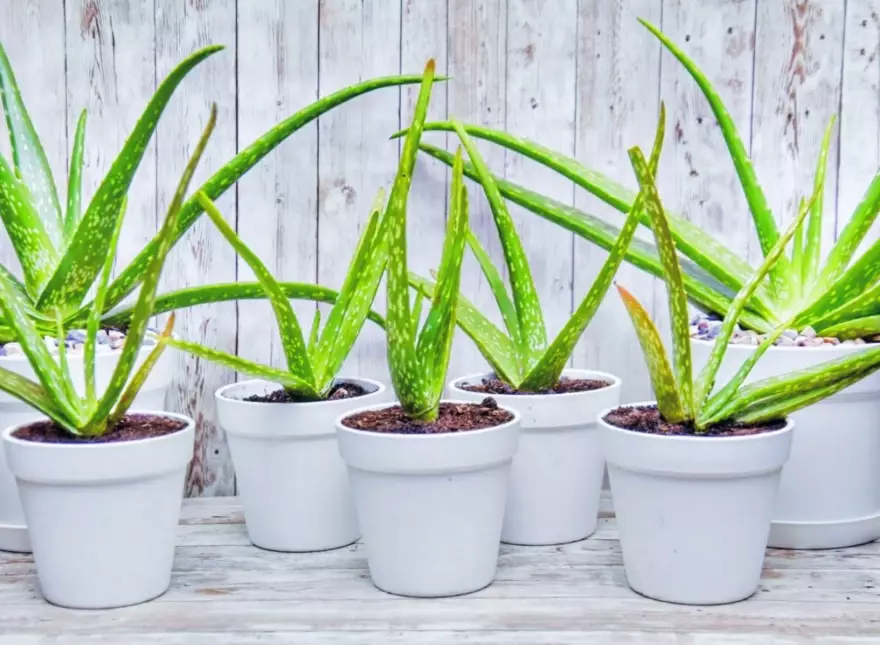
2. The Pot: More Important Than You Think
This is where a lot of guides gloss over the details. Aloe vera has shallow, wide-spreading roots. It hates sitting in wet soil. Therefore, the pot is non-negotiable.
- Material: Terracotta or clay is king. Why? Because it's porous and allows the soil to dry out from the sides as well as the top, preventing soggy conditions that cause root rot. Plastic pots retain moisture much longer, which is risky.
- Size: Go for a pot that's wider than it is deep. A good rule is to choose a pot that's only 1-2 inches wider in diameter than the root ball of your plant. Too big, and the excess soil holds water for too long.
- The Deal-Breaker: DRAINAGE HOLES. I cannot stress this enough. Your pot must have at least one good-sized hole in the bottom. No holes? Don't use it. It's a death sentence.
3. Soil: The Secret Sauce for a Happy Aloe
Regular potting soil is a death trap for aloe vera. It's too dense, retains too much water, and suffocates the roots. You need a fast-draining, gritty mix.
You have two great options:
- Buy a pre-made mix: Look for a bag labeled "Cactus & Succulent Potting Mix." It's specifically formulated for plants like aloe.
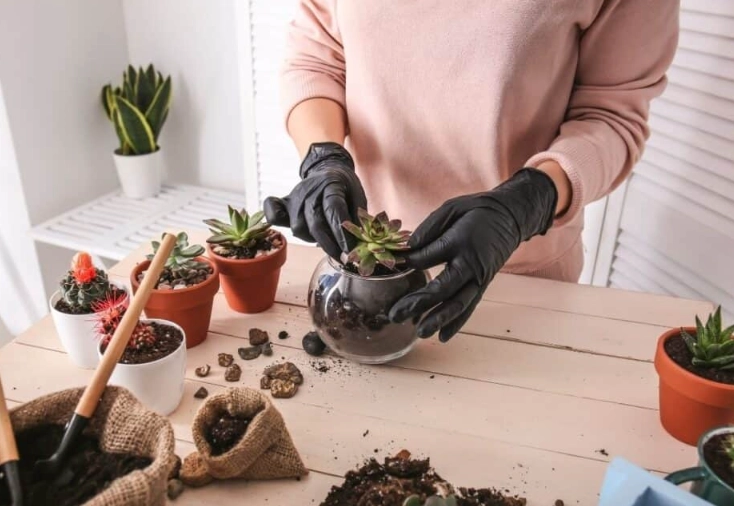
- Make your own (my preferred method): It's easy and lets you control the texture. Mix 2 parts regular potting soil with 1 part perlite and 1 part coarse sand or poultry grit. This creates the perfect, airy environment.

Let's break down the components of a good soil mix, because it really matters when you're trying to cultivate aloe vera properly.
| Ingredient | Purpose | Why It Works for Aloe | Watch Out For |
|---|---|---|---|
| Potting Soil (Base) | Provides minimal nutrients and structure. | Gives the roots something to hold onto. Use a standard, all-purpose mix. | Using it alone. It's too moisture-retentive. |
| Perlite | Aeration and drainage. | Those little white balls create air pockets in the soil, preventing compaction and allowing water to flow through quickly. | Don't confuse it with vermiculite, which holds water (bad for aloe!). |
| Coarse Sand or Grit | Drainage and weight. | Improves drainage dramatically and adds weight to the mix, helping to anchor the top-heavy plant. | Fine "play sand" can clog soil. Use horticultural sand or even small aquarium gravel. |
The Daily (Well, More Like Weekly/Monthly) Care: Light, Water, and Food
Okay, your aloe is in the right pot with the right soil. Now comes the maintenance. This is where the "leave it alone" philosophy really kicks in.
Sunlight: How Much is Just Right?
Aloe vera loves bright, indirect light. Think of a spot near a south- or west-facing window, but maybe not pressed right up against the hot glass where it can scorch. A few hours of direct morning sun is fantastic. If your only option is a dim corner, the plant will survive but it will start to "stretch"—growing long, weak, pale leaves as it searches for light. It won't be its best self.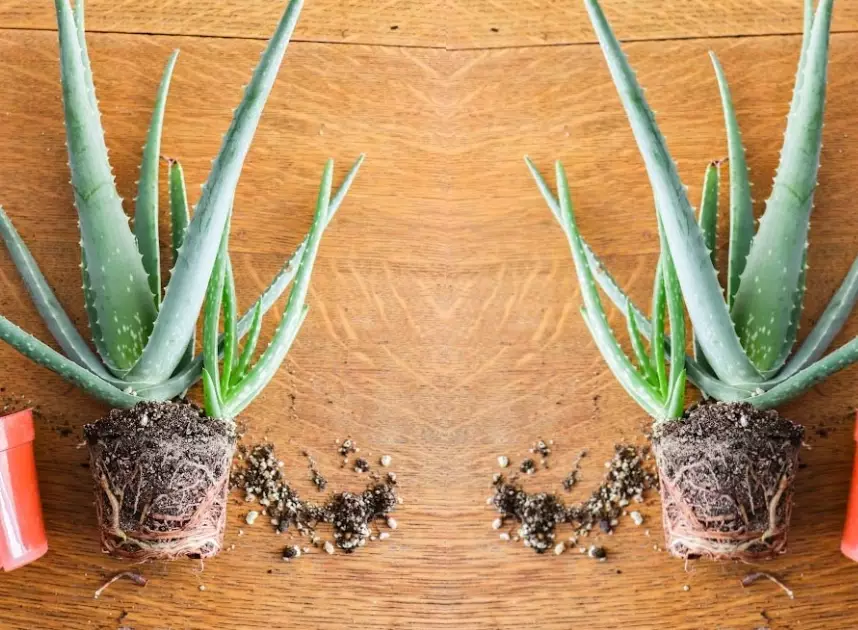
What about artificial light? A standard grow light for 6-8 hours a day can work well if you have no good natural light source. It's a solid backup plan.
Watering: The #1 Killer of Aloe Vera Plants
Let's talk about the elephant in the room: watering.
This is the step that trips up almost everyone.
The golden rule for how to cultivate aloe vera successfully is: When in doubt, don't water. Overwatering leads to mushy, brown leaves and fatal root rot. Underwatering? The leaves will get thin, curl inwards, and may dry out at the tips, but the plant is far more likely to recover from drought than from a flood.
Here's my foolproof method:
- Forget the schedule. Don't water every Tuesday. The plant doesn't care what day it is.
- Check the soil. Stick your finger about 2-3 inches into the soil. Is it completely, totally dry? Not just dry on the surface, but dry all the way down where your finger is?
- If yes, water thoroughly. Take the plant to the sink and water it slowly until water runs freely out of the drainage holes. This ensures the entire root ball gets moisture.
- Let it drain completely. Leave it in the sink for 10-15 minutes to let all the excess water drip out. Never let it sit in a saucer of water.
- Wait for it to dry out completely again. This cycle could take 2-3 weeks in winter, and maybe 1-2 weeks in summer. It varies.
Temperature, Humidity, and Fertilizer (The Easy Parts)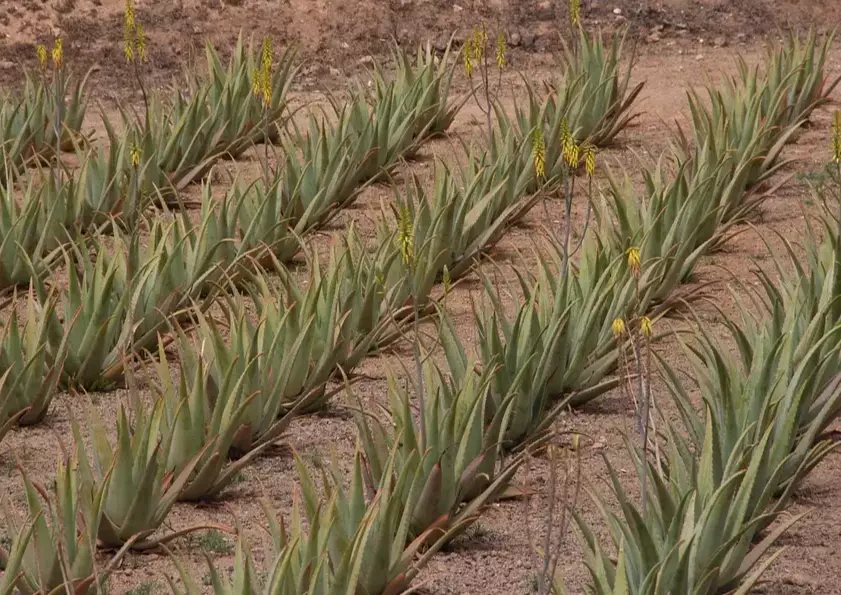
Aloe vera is comfortable in the same temperatures you are—between 55°F and 80°F (13°C - 27°C). It's not frost-hardy at all, so bring it indoors if temps drop below 50°F (10°C). Average household humidity is just fine. You don't need to mist it; in fact, misting can encourage fungal issues on the leaves.
Fertilizer? Honestly, I think aloe plants are happier without much. If you want to give it a boost, use a balanced, water-soluble fertilizer (like a 10-10-10) diluted to half-strength, and only apply it once in the spring and maybe once in the mid-summer. That's it. Over-fertilizing can cause leggy growth and burn the roots.
Troubleshooting: Reading Your Aloe's Leaves
Your aloe plant communicates its health through its leaves. Learning this language is the final key to mastering how to cultivate aloe vera. Here’s a quick decoder ring.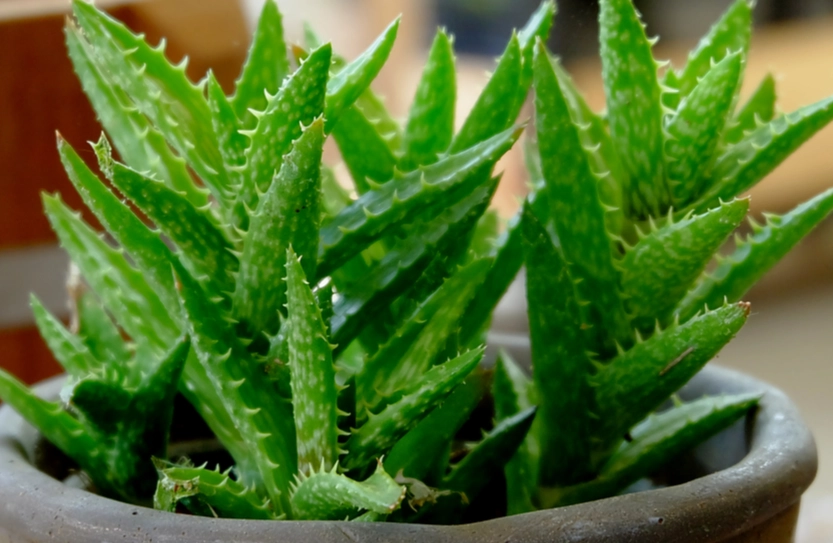
| Symptom | Likely Cause | What to Do Immediately |
|---|---|---|
| Soft, Mushy, Brown Leaves (especially at the base) | Overwatering / Root Rot | STOP WATERING. Remove plant from pot, cut away any black/mushy roots with sterile scissors, let it air dry for a day, repot in fresh, dry succulent mix. Water only after a week. |
| Thin, Curled, Scrawny Leaves | Underwatering | Give the plant a thorough, deep watering (as described above). The leaves should plump up in a day or two. |
| Brown, Dry, Crispy Leaf Tips | Underwatering, low humidity, or salt/mineral buildup from tap water. | Check soil moisture first. If dry, water. If not, try using filtered or distilled water for a few waterings. |
| Reddish or Pale, Flattened Leaves | Too much direct, harsh sunlight | Move the plant to a spot with bright, but indirect light. |
| Leggy, Stretched Growth (long stem, wide gaps between leaves) | Not enough light | Gradually move it to a brighter location. |
| Black or Dark Brown Spots | Fungal disease (often from water on leaves or soggy soil) | Cut off affected leaves with a sterile tool. Improve air circulation, avoid wetting leaves when watering, and let soil dry more between waterings. |
Common Pests (And How to Deal With Them Naturally)
Aloe is pretty pest-resistant, but it can occasionally get mealybugs (look like tiny bits of white cotton) or scale (little brown bumps). If you see them, don't panic. Isolate the plant. Then, dip a cotton swab in rubbing alcohol and dab it directly on each bug. For larger infestations, a spray of insecticidal soap works. The key is consistency—check and treat every few days until they're gone.
Propagation and Harvest: The Rewards
Once your aloe is happy and mature (usually after a few years), it will start producing "pups" or "offsets"—baby plants that sprout from the base of the mother. This is how you learn to cultivate aloe vera into a whole collection!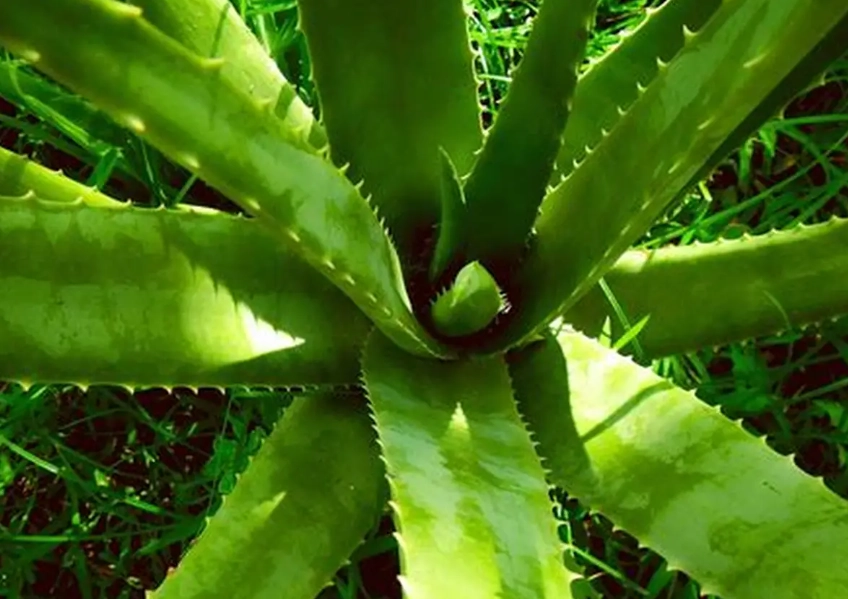
To propagate:
- Wait until the pup is about 3-4 inches tall and has a few leaves of its own.
- Gently remove the entire plant from its pot and brush away soil to expose where the pup connects to the mother.
- Using a clean, sharp knife, cut the pup away, making sure it has some roots attached if possible.
- Let the pup sit in a dry, airy spot out of direct sun for 1-2 days. This lets the cut end callous over, which is critical to prevent rot.
- Pot the pup in its own small pot with dry succulent mix. Wait a week before watering lightly.
Your Aloe Vera Questions, Answered
Let's tackle some of the most common questions people have when they're figuring out how to cultivate aloe vera.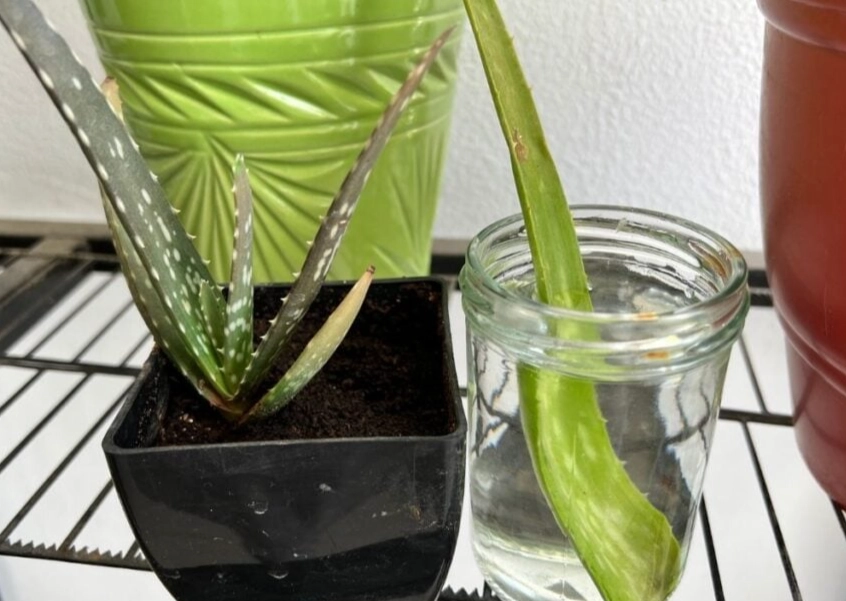
Wrapping It Up: The Simple Philosophy of Aloe Care
Learning how to cultivate aloe vera boils down to embracing its nature as a drought-tolerant succulent. It's not a thirsty tropical plant. The best advice I can give is to treat it with benign neglect. Give it bright light, fantastic drainage, and then… mostly forget about it. Water only when the soil is completely dry, and you'll avoid 90% of all problems.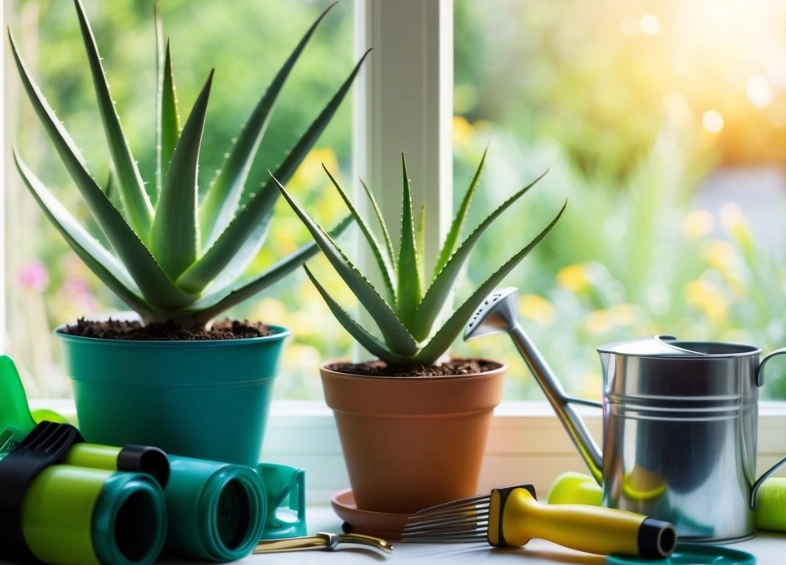
Start with the right foundation—a terracotta pot with drainage holes filled with gritty, cactus-specific soil. Place it in a bright spot. Then, resist the urge to water. Watch the leaves; they'll tell you everything you need to know. For more detailed, science-backed information on succulent care and soil composition, resources from university extension services, like those from the University of California Agriculture and Natural Resources, are fantastic and trustworthy.
It might seem counterintuitive, but the less you fuss over your aloe vera, the better it will grow. Now go check your plant's soil—I bet it doesn't need water yet.
Comments