Your Succulent Care Roadmap
Let's be honest, we've all been there. You see those gorgeous, plump little succulent plants in a pot at the store, looking like perfect, low-maintenance sculptures. You bring one home, full of hope, only to watch it slowly turn into a mushy, stretched-out, or just plain dead version of its former self a few months later. I've killed my fair share, believe me. A particularly sad incident involved a beautiful Haworthia that I lovingly drowned within a month because I just couldn't stop fussing over it.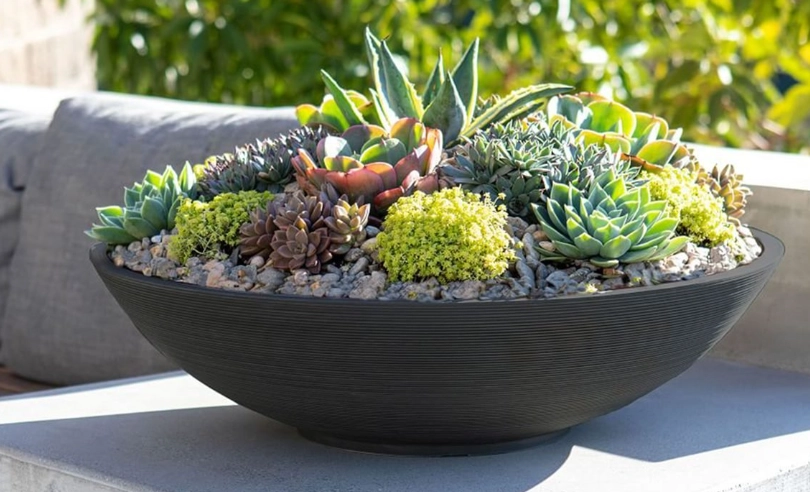
But here's the good news: keeping succulents happy isn't about having a magical green thumb. It's about understanding what they actually want, which is often the opposite of what we think they need. This guide is everything I wish I knew when I started. We're going to move past the vague advice and get into the nitty-gritty of creating a thriving pot of succulents, from the ground up (literally, we'll talk dirt).
Picking Your Players: It's More Than Just Looks
Walking into a nursery can be overwhelming. So many shapes and colors! The first step to success is choosing the right succulents, especially if you're planning to put several together in one container. Not all succulents play nice with the same rules.
Think about light. This is the biggest make-or-break factor. Are these succulent plants in a pot destined for a bright, sunny south-facing window, or will they live in your office with decent but indirect light? Your answer dictates your choices.
Then there's growth habit. Some, like many Sempervivums (Hens and Chicks), are prolific spreaders, sending out offsets in every direction. Others, like Aloes, grow tall and solitary. A mix of a tall "thriller," some mid-sized "fillers," and trailing "spillers" (like String of Pearls or Sedum morganianum) is a classic recipe for a dynamic arrangement.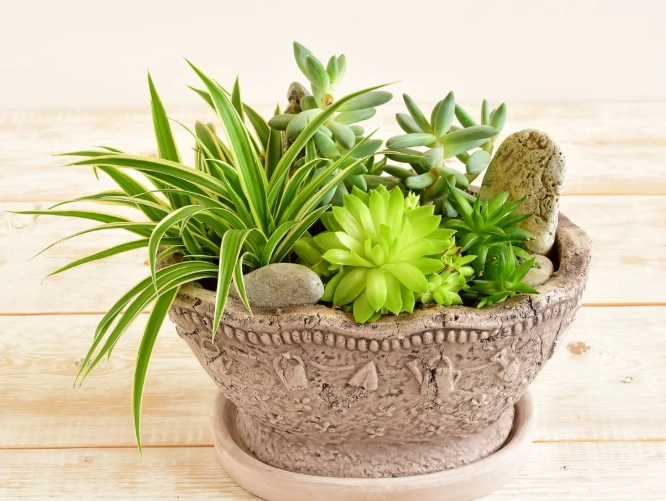
Here’s a quick comparison of some popular choices to help you decide:
| Succulent | Light Needs | Water Needs | Growth Habit & Notes |
|---|---|---|---|
| Echeveria | Bright, direct sun (4-6+ hrs) | Low; let dry completely | Rosette former. Stretches (etiolates) easily without enough light. Comes in amazing colors. |
| Haworthia | Bright, indirect light | Low to Moderate | Great for indoor shelves. Stripey or translucent "windows." Tolerates lower light well. |
| Jade Plant (Crassula ovata) | Bright light, some direct sun | Let dry between waterings | Tree-like, sturdy. Symbol of good luck. Can live for decades. |
| Sedum (Stonecrop) | Full sun to partial sun | Very Low | Extremely hardy. Many are ground covers or trailers. Perfect for pot edges. |
| Aloe Vera | Bright, indirect to direct sun | Low; very drought tolerant | Upright, fleshy spears. Practical for minor burns. Needs space to grow upward. |
For your first successful arrangement of potted succulents, I'd recommend sticking with a few from the same light-needs family. A Haworthia, a Gasteria, and a low-light tolerant Sansevieria make a fantastic, foolproof trio for an indoor pot.
The Foundation: Pot and Soil Science
This is where most beginners, myself included, mess up. We get a cute pot, fill it with whatever potting soil is nearby, and call it a day. That's the fast track to root rot. Succulents despise wet feet. Their roots need to breathe and dry out quickly.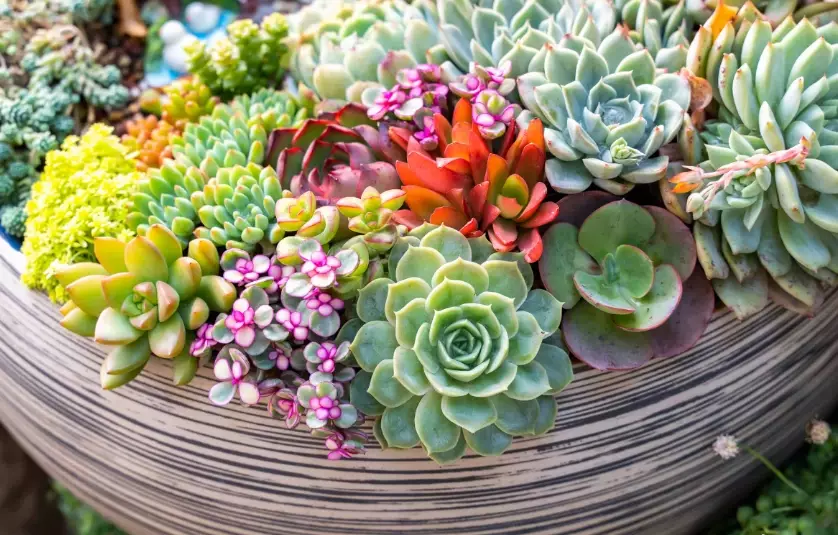
The Great Pot Debate: Drainage is Non-Negotiable
I'm going to be blunt: if the pot doesn't have a drainage hole, don't use it for succulents. I know, I know. Those adorable ceramic mugs and geometric glass terrariums are so tempting. I learned this the hard way with a beautiful, hole-less pot that turned into a swamp. The water has nowhere to go, salts from fertilizer and tap water build up in the soil, and the roots suffocate and rot. It's not a matter of if, but when.
Just don't do it.
If you absolutely must use a container without a hole, treat it as a cachepot. Plant your succulents in a plain plastic nursery pot with excellent drainage, and then slip that pot inside the decorative one. When you water, take the inner pot out, water it in the sink, let it drain completely, and then put it back. It's extra work, but it saves the plants.
Material matters too. Terracotta is the classic choice for a reason—it's porous, allowing water to evaporate through the sides, which helps the soil dry faster. It's perfect for over-waterers. Glazed ceramic and plastic pots retain moisture longer, so you need to be more careful with your watering schedule. They're fine, just adjust your care.
Dirt Cheap? Not for Succulents.
Regular potting soil is a death sentence for most succulents. It's too rich, too moisture-retentive, and it compacts over time, choking the roots. Succulents need a gritty, airy, fast-draining mix. You can buy a pre-made cactus & succulent mix, which is a good start, but I find even those can be too peaty. I always amend them.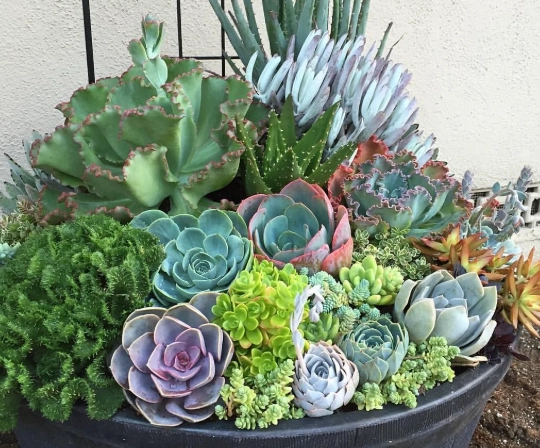
My go-to, can't-fail recipe for a DIY succulent soil mix is simple:
- 50-60% Inorganic Grit: This is for drainage and aeration. Perlite, pumice, coarse sand (horticultural sand, not beach sand!), or even small aquarium gravel. Pumice is my favorite—it's lightweight and porous.
- 40-50% Potting Mix: Use a regular, all-purpose potting soil or a cactus mix as the base. This provides some structure and minimal nutrients.
Why go through this trouble? Because getting the soil right solves about 80% of your potential problems. It gives you a huge margin for error with watering. The Royal Horticultural Society, a top-tier gardening authority, consistently emphasizes the critical importance of sharp drainage for succulent health, which aligns perfectly with this gritty mix approach.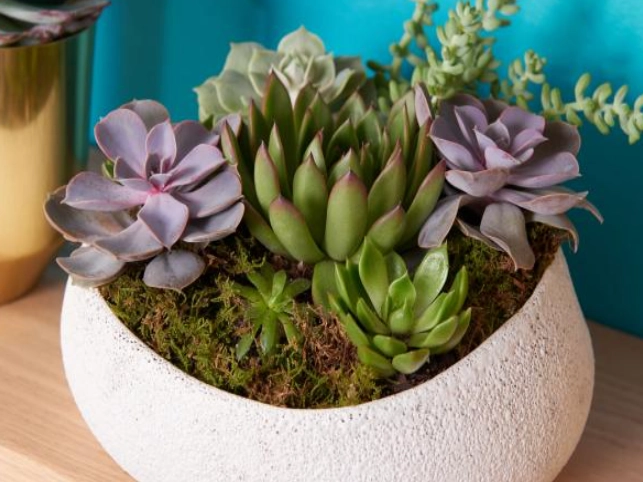
The Art of Planting and the Secret to Watering
You've got your plants, your hole-y pot, and your gritty mix. Now for the fun part—putting it all together.
Planting Your Succulent Pot
Start with a dry soil mix. Fill your pot about one-third full. Gently remove your succulents from their nursery pots, teasing apart any tangled roots. If the roots are a dense ball, you can gently rough them up a bit to encourage them to grow outward into the new soil. Some people even recommend letting the roots dry for a day before repotting if they're wet, to prevent rot.
Place your largest or tallest plant first, slightly off-center for visual interest. Then arrange the others around it, thinking about color, texture, and leaving a little room for growth. Don't bury them too deep—the base of the plant should be just above the soil line. Backfill with your mix, tamping it down gently to support the plants. I sometimes top the soil with a layer of decorative pebbles or coarse sand. This looks neat, keeps the leaves from touching damp soil, and helps prevent soil from splashing out when you water.
Here's the crucial part: DO NOT WATER THEM YET. Wait. Give them about 5-7 days to settle in and let any tiny root breaks callous over. Watering immediately can introduce rot to fresh wounds. Just place them in bright, indirect light and let them be.
Watering: The #1 Killer (and How to Beat It)
This is the heart of succulent care. The golden rule is: Soak and Dry. Forget the "once a week" schedule. That's useless. Your watering schedule depends on your home's humidity, the pot material, the season, and the plant itself.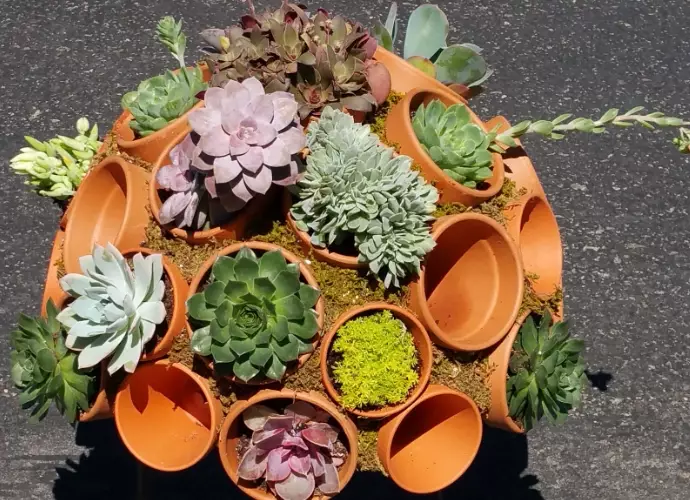
Instead, learn to read the signs. A thirsty succulent will have leaves that feel a bit soft, thinner, and maybe slightly wrinkled. A well-hydrated succulent has firm, plump leaves.
The method:
- Wait until the soil is completely dry all the way to the bottom of the pot. You can stick a wooden chopstick or your finger deep into the soil to check. If it comes out clean, it's time.
- When it's time, water thoroughly. Take the pot to the sink and pour water evenly over the soil until it streams freely out of the drainage hole. You want to completely saturate the root ball.
- Let it drain completely. No sitting in a saucer of water! Then return it to its sunny spot.
- Forget about it again until the soil is bone dry.
In winter, when most succulents are semi-dormant and growth slows, they might need water only once a month or even less. In the hot, active growing season (spring/summer), it might be every 10-14 days. Let the plant, not the calendar, tell you.
Light, Food, and Keeping Up Appearances
Once you've mastered the pot-soil-water trifecta, the rest is easy maintenance.
Light: We touched on this, but it bears repeating. Most succulents need bright light. A south or east-facing window is ideal. If your succulent plants in a pot start stretching out, with long spaces between leaves (this is called etiolation), they're begging for more sun. Rotate your pot every few weeks so all sides get light and it grows evenly. If you don't have enough natural light, a simple grow light can work wonders.
Fertilizer: Less is more. These aren't heavy feeders. During the active growing season (spring and summer), you can feed them with a balanced, water-soluble fertilizer diluted to half or even quarter strength. Do this once a month at most. Don't fertilize at all in fall and winter. Over-fertilizing leads to weak, leggy growth.
Grooming: Remove dead or dying leaves from the bottom of the plant. This isn't just for looks; it improves air circulation and removes hiding spots for pests. If your succulent flowers (and many do with enough light!), you can enjoy the bloom and then snip off the spent flower stalk once it's dry.
Creative Ideas for Your Succulent Pot
Now that you know how to keep them alive, let's make them look incredible. A pot of succulents is a living art project.
- The Color Story: Choose a palette. A pot of all blue-toned Echeverias (like E. 'Blue Atoll' or E. 'Perle von Nurnberg') with a gray Sedum is stunning. Or go for fiery reds and oranges with Sedum adolphii and Graptosedum 'California Sunset'.
- The Theme Pot: Create a miniature desert landscape with taller, sculptural plants like a small Cactus or Euphorbia as a "tree," surrounded by low-growing ground cover Sedums as "shrubs." Add some interesting rocks.
- The Vertical Garden: Use a shallow, vertical wall planter with planting pockets. Fill it with a variety of trailing and rosette succulents for a living wall effect. Ensure it has drainage and gets enough light!
- Unexpected Containers: Once you're confident, try planting in a vintage colander (line it with coco coir to hold soil in), a hollowed-out piece of driftwood, or a shallow bonsai pot for a zen feel. Remember the drainage rule—you may need to drill a hole.
The key is to have fun and experiment. The beauty of succulent plants in a pot is that they are incredibly forgiving of being moved and rearranged if something isn't working visually.
Troubleshooting: What's Wrong With My Plant?
Even with the best care, things can go sideways. Here’s a quick diagnostic guide for your potted succulent.
Leaves are soft, mushy, and translucent (often starting at the bottom): Classic overwatering/root rot. Stop watering immediately. You might need to unpot the plant, cut away any black, mushy roots with a sterile knife, let it dry out for a few days, and repot in fresh, dry, gritty mix. Don't water for a week after repotting.
Leaves are shriveled, dry, and crispy: Underwatering. Give it a good soak. If the soil has become hydrophobic (water runs right through without soaking in), you may need to bottom-water by placing the pot in a tray of water for 30 minutes to let it wick moisture up.
Plant is stretching tall with wide gaps between leaves: Not enough light (Etiolation). Move it to a brighter spot. You can't fix the stretched part, but new growth will be compact. You can eventually behead the plant and replant the compact top.
Brown, crispy spots on leaves: Could be sunburn if moved into direct sun too quickly. Acclimate plants gradually. It could also be physical damage.
Tiny white cottony bugs or webbing: Likely mealybugs or spider mites. Isolate the plant immediately. Dab mealybugs with a cotton swab dipped in rubbing alcohol. For mites, a strong spray of water or insecticidal soap can help. The University of California's Integrated Pest Management program offers excellent, science-backed guides on dealing with these common houseplant pests, which are invaluable for any indoor gardener.
Answering Your Burning Questions
At the end of the day, growing succulent plants in a pot is about embracing a bit of benign neglect. They thrive on consistency (bright light, gritty soil) and inconsistency (deep but infrequent watering). Don't stress over perfection. Learn from the mistakes—we all make them—and enjoy the quiet, sculptural beauty these resilient plants bring to a space. Start simple, get one plant right, and the confidence (and the collection) will grow from there.


Comments