Essential Guide Points
Let's be honest. Plant watering is the one thing that trips up almost every plant owner at some point. You bring home this beautiful green thing, full of hope, and then... it starts to look sad. Leaves turn yellow, tips go brown, or the whole thing just wilts into a heap of despair. Sound familiar?
I've been there. I've killed my fair share of plants, mostly by being too loving with the watering can. It's a common story. We see a droopy leaf and think "water!" when sometimes the plant is actually screaming "stop drowning me!"
This guide is everything I wish I knew when I started. It's not about complex botany. It's about practical, down-to-earth advice for keeping your plants alive and thriving. We'll move past the "once a week" myth and get into the real stuff.
The core of good plant watering isn't a schedule. It's understanding. Understanding your plant, its pot, your home's air, and the rhythm of the seasons. Get that right, and you're 90% of the way there.
Why Is Watering So Tricky Anyway?
Think about it. In nature, a plant's roots have a whole ecosystem. Water comes from rain, drains through miles of soil, and the sun and wind help dry things out. In your living room? The roots are trapped in a plastic or ceramic pot with a few holes at the bottom. The "soil" is often a weird, store-bought mix. The light is from a window, not the sun. The air is dry from heating or AC.
It's a completely different world. So copying nature doesn't always work.
The biggest mistake is treating all plants the same. Your cactus and your fern have about as much in common as a camel and a goldfish when it comes to hydration needs.
So what *does* affect how much water a plant needs?
- The Plant Type: This is the big one. Succulents and cacti store water in their leaves and stems. They want to dry out completely. Tropical plants (like Monsteras or Peace Lilies) often like consistently moist (but not soggy) soil.
- The Season: Plants are alive. In spring and summer, they're usually growing, drinking more. In fall and winter, most go dormant or slow down, needing far less water. I've killed more plants in winter by not adjusting my watering than in summer.
- Light: More light = more photosynthesis = more water used. A plant in a bright south window will need water more often than the same plant in a dim corner.
- Pot Size and Material: Small pots dry out fast. Terracotta pots are porous, so water evaporates through the sides, drying the soil quicker. Plastic or glazed ceramic pots hold moisture much longer.
- Humidity and Temperature: Hot, dry air sucks moisture from the soil and the leaves. Cool, humid air means the soil stays wet for ages.
- The Soil Mix: Heavy, dense soil holds water like a sponge. A chunky, well-aerated mix (with things like perlite, orchid bark, or coarse sand) drains quickly and lets air get to the roots.
See? It's a puzzle. The "how often to water" question is like asking "how often should I eat?" It depends on if you're a marathon runner or an office worker, summer or winter, big meal or snack.
I learned the pot lesson the hard way. I repotted a snake plant from plastic into a gorgeous terracotta pot and kept the same watering schedule. Within a month, it was shriveled and sad. The terracotta dried the soil out twice as fast. I was basically giving it half the water it was used to.
How to Actually Tell If Your Plant Needs Water
Forget the calendar. Here are the real methods. The best plant watering strategy is a combination of these.
The Finger Test (The Gold Standard)
Stick your finger into the soil. Go down about an inch or two, up to your first knuckle or even second for larger pots.
- Feels wet/damp and soil sticks to your finger: Don't water. Walk away.
- Feels slightly moist but not wet: Check again in a day or two.
- Feels completely dry: It's probably time to water.
This method forces you to interact with your plant. It's simple, requires no tools, and works for about 80% of common houseplants. For succulents and cacti, let the soil be dry all the way to the bottom of the pot.
The Lift-the-Pot Method
This is great for small to medium pots. Pick up the pot right after you've watered it. Feel how heavy it is. Pick it up again a few days later. Feel how much lighter it is as the water is used up or evaporates. When it feels surprisingly light, it's time to water. It takes practice, but it's incredibly accurate.
Using a Moisture Meter
These are cheap little probes you stick in the soil. They give a reading on a scale from 1 (dry) to 10 (wet). They're not always perfectly accurate, but they're a fantastic tool for beginners or for deep pots where the finger test is hard. Just don't rely on it 100%; sometimes they get weird readings. I use mine as a backup check.
Warning: Don't just look at the surface! The top inch of soil can be bone dry while the root ball below is still soaking wet. This is how overwatering happens. You must check deeper.
Observing the Plant Itself
Plants talk. You just have to learn their language.
Signs of Underwatering: The whole plant looks droopy or wilted. Leaves may feel thin, papery, or crispy, especially at the edges. Lower, older leaves often turn yellow and crispy. The soil is pulling away from the edges of the pot. For succulents, leaves look shriveled or wrinkled.
Signs of Overwatering: This is the sneaky killer. Leaves turn yellow, but they feel soft and mushy, not crispy. New growth might turn brown and die off. The stems may feel soft or look black near the soil. The soil smells musty or sour. Fungus gnats (tiny black flies) are a classic sign of consistently wet soil.
See the difference? Crispy vs. mushy. It's crucial.
The Right Way to Water Your Plants
Okay, so you've determined your plant is thirsty. Now what? Pouring water on it isn't just one action.
When to Water (The Time of Day)
Morning is generally best. This gives the plant time to drink up during the day and allows any water on the leaves to evaporate, reducing the risk of fungal diseases. Watering at night means the plant sits in cool, damp conditions for hours, which can invite trouble. But if your plant is desperately dry, water it anytime! A thirsty plant at 10 PM is better than a dead plant in the morning.
The Best Watering Method: Thorough Soaking
The goal is to wet the entire root ball evenly. The worst thing you can do is give little sips of water that only moisten the top layer. This encourages roots to grow upwards, making a weak root system.
- Take your plant to the sink, bathtub, or outside if you can.
- Water slowly and evenly over the surface of the soil until water starts to run freely out of the drainage holes at the bottom. Don't stop at the first trickle. Keep going for a few more seconds.
- Let the pot drain completely. Leave it in the sink for 10-30 minutes until no more water drips out. This step is non-negotiable. No plant likes wet feet.
- Put it back in its decorative pot or saucer.
Pro Tip: Use room temperature water. Ice-cold water straight from the tap can shock the roots, especially on tropical plants. Let a watering can sit out for a few hours to let chlorine evaporate, or use filtered water if your tap water is very hard. Some plants (like carnivorous plants or orchids) are pickier, but for most common houseplants, tap water is fine.
What About Bottom Watering?
This is where you place the pot in a tray of water and let the soil soak it up from the bottom through the drainage holes. It's excellent for plants that dislike water on their leaves (like African Violets) or for soil that has become hydrophobic (water runs right through without being absorbed).
I'm a fan for certain situations. It ensures the root ball gets fully saturated. Just don't forget the pot in the water for hours, or you'll end up with an overwatered mess.
Common Plant Watering Mistakes and How to Fix Them
We all make mistakes. The key is to spot them and correct course.
| Mistake | Why It's Bad | The Fix |
|---|---|---|
| Watering on a Strict Schedule | Ignores the plant's actual needs and changing conditions (season, light, growth). | Ditch the calendar. Use the finger test or lift-the-pot method to check soil moisture first. |
| Giving Little Sips of Water | Only wets the topsoil. Roots stay shallow and the bottom of the root ball dries out and can die. | Always water thoroughly until it runs out the bottom. Ensure your pot has drainage holes. |
| Letting the Pot Sit in Water (in a Saucer) | Creates a perpetually soggy environment at the bottom, leading to root rot. | Always empty the saucer or cache pot 15-30 minutes after watering. |
| Using the Wrong Soil | Dense, moisture-retentive soil stays wet for weeks, suffocating roots. | Repot with a well-draining mix. Add perlite, pumice, or orchid bark to regular potting soil. |
| Misting as "Watering" | Misting increases humidity around leaves but does almost nothing to water the roots. | Use misting only for humidity-loving plants, in addition to proper soil watering. Don't rely on it. |
| Not Adjusting for Seasons | Watering the same amount in December as in July is a death sentence for many plants. | In winter, cut back watering frequency significantly. Let the soil dry out more between waterings. |
If you think you've overwatered and your plant is showing mushy yellow leaves, act fast. Stop watering immediately. Take the plant out of the pot and check the roots. Healthy roots are firm and white or light brown. Rotten roots are dark brown/black, mushy, and might smell bad.
Gently remove all the soggy soil and cut away any rotten roots with clean scissors. Repot in fresh, dry, well-draining soil. Don't water it right away! Give it a week or so in the new dry soil to recover, then water lightly. It might not make it, but you've given it a fighting chance.
Watering Guide for Specific Plant Types
Let's get specific. Here's a quick-reference guide for some popular categories. Remember, these are starting points—always check the soil.
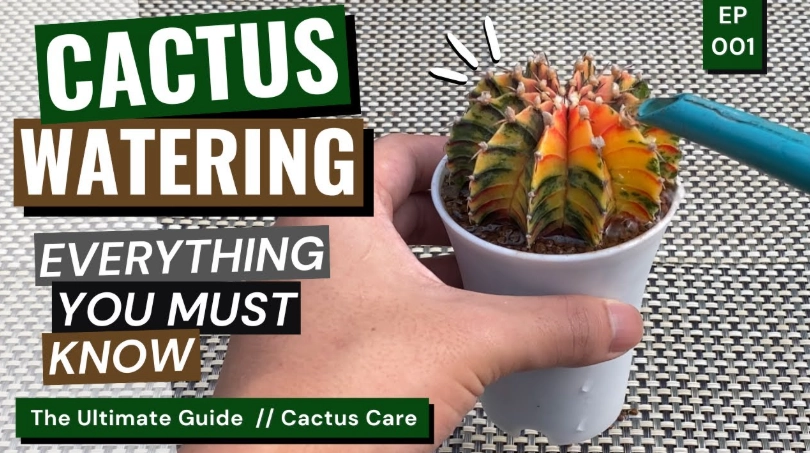
Succulents & Cacti
Philosophy: Drought lovers. Think "soak and dry."
Method: Water deeply, thoroughly, only when the soil is 100% completely dry all the way through. In winter, this could mean watering once a month or even less.
My Take: These are the easiest to kill with kindness. When in doubt, wait another week. A wrinkled, slightly shriveled succulent is just thirsty. A mushy one is dead.
Monstera, Philodendron, Pothos (Common Tropicals)
Philosophy: Like consistent moisture, but hate soggy feet.
Method: Water when the top 1-2 inches of soil are dry. Give a thorough soak. They'll tolerate a bit of under-watering better than over-watering.
Good Resource: The Royal Horticultural Society's plant database has excellent, science-backed profiles on many common houseplants.
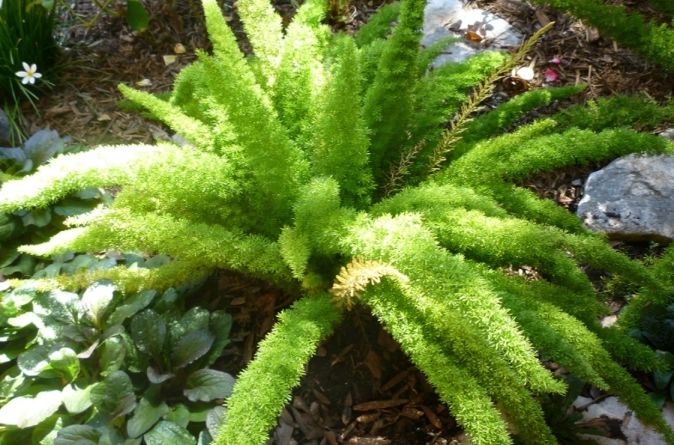
Ferns (Boston, Maidenhair)
Philosophy: Moisture lovers, but still need drainage.
Method: Never let them dry out completely. Keep the soil consistently like a wrung-out sponge—damp but not waterlogged. They also love high humidity.
Warning: These are not beginner plants if your home is dry. They'll crisp up fast.
Snake Plants (Sansevieria)
Philosophy: Nearly indestructible drought-tolerant champions.
Method: Treat them like succulents. Water deeply, then let the soil dry out completely. In low light, this might be every 4-6 weeks. They thrive on neglect.
Orchids (Phalaenopsis/Moth Orchid)
Philosophy: Unique. Their roots need air and light.
Method: Water by soaking the pot (in its inner plastic pot with holes) in room-temperature water for 10-15 minutes. Let it drain completely. Water only when the roots look silvery-gray (not green) and the potting bark feels dry.
Good Resource: The USDA has guides on plant care, and many university extension services have fantastic orchid sheets, like those from the University of Minnesota Extension.
Advanced Tips & Tools for Perfect Plant Watering
Once you've got the basics down, these can take your plant care to the next level.
Self-Watering Pots and Globes
These have a reservoir at the bottom that wicks water up into the soil as needed. They're great for consistent moisture lovers (like ferns or peace lilies) or if you travel frequently. They're not great for plants that need to dry out (like succulents). Do your research on the specific type.
Making Your Own Well-Draining Soil Mix
This is a game-changer. A simple, foolproof mix for most houseplants is: 2 parts regular potting soil, 1 part perlite, 1 part orchid bark (or coconut coir). The perlite adds aeration and drainage, the bark creates air pockets. It's hard to overwater in this mix. For succulents and cacti, use a grittier mix with even more perlite/pumice and some coarse sand.
Using a Humidifier
This isn't directly about soil watering, but it's related. Many tropical plants suffer because our homes have 10-30% humidity, and they crave 50-60%. Dry air makes soil dry out faster from the top and stresses the plant. A small humidifier near your plant collection can reduce how often you need to water and keep leaf tips from browning.
Plant watering feels complicated at first, but it becomes second nature. You start to notice the slight droop of a Peace Lily, the lighter weight of the Fiddle Leaf Fig pot, the silvery sheen on the orchid roots.
It shifts from a chore to a conversation. You're not just pouring water; you're responding to what your plant is telling you it needs that particular week, in that particular season.
The biggest shift for me was moving from fear ("what if I kill it?") to observation. Now, when a plant looks off, I don't panic and drown it. I touch the soil. I lift the pot. I look at the leaves closely. 90% of the time, the answer is right there. And if I get it wrong? Well, there's always another plant at the nursery. We learn by doing, and sometimes by accidentally killing.
So put down the strict schedule. Pick up your curiosity. Get your fingers dirty. That's the real secret to mastering plant watering.

Comments