Quick Navigation
- Why Propagate Aloe from Cuttings? (It's Not Just About Free Plants)
- Step Zero: Picking Your Champion (The Right Cutting Matters)
- The Essential Pre-Root Ritual: The Callus
- The Two Main Roads to Roots: Soil vs. Water
- After the Roots: Your Baby Aloe's First Home
- Frequently Asked Questions (The Stuff That Keeps You Up at Night)
- Advanced Tips & Troubleshooting
Let's be honest. The first time I tried to root aloe vera cuttings, it was a disaster. I basically treated it like a regular plant clipping, stuck it in some damp soil, and gave it a good drink. Big mistake. A week later, it was a mushy, brown mess. I felt like I'd murdered a perfectly good pup. Sound familiar?
If you've ever searched for how to root aloe vera cuttings and ended up more confused, you're not alone. There's a lot of conflicting advice out there. Some say water, some say soil. Some say wait for days, others say weeks. It's enough to make you just buy a new plant.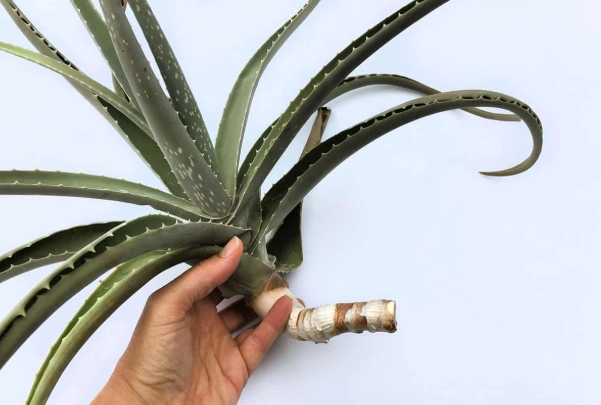
But here's the thing: propagating aloe vera is actually one of the simplest gardening tasks you can do, once you know the few non-negotiable rules. It's not about having a green thumb; it's about understanding what a succulent needs (and, more importantly, what it doesn't need) to grow new roots.
This guide is everything I wish I'd known back then. We're going to walk through the whole process, step by step, and clear up the confusion. By the end, you'll know exactly how to root aloe vera cuttings successfully, whether you have a single offset or a whole plant that needs saving.
Why Propagate Aloe from Cuttings? (It's Not Just About Free Plants)
Sure, getting new aloe plants for free is a fantastic perk. But learning how to propagate aloe vera from cuttings serves a few other really practical purposes that most guides don't talk about.
First, it's rescue mission central. Maybe your main aloe got leggy and stretched out from lack of light (it happens to the best of us). You can behead it, root the top part, and start over with a compact plant. The old base might even sprout new babies. It's a total reset button.
Second, it's about control. Aloes produce offsets, or "pups," like crazy sometimes. If you don't divide them, they become a tangled, crowded mess competing for water and nutrients in the same pot. Knowing how to root aloe vera cuttings from these pups lets you manage the family, give each plant its own space, and keep everyone healthy.
And third, it's simply more reliable than seeds. Aloe seeds can be finicky and slow. A cutting from a healthy plant already has a head start. You're cloning its hardiness.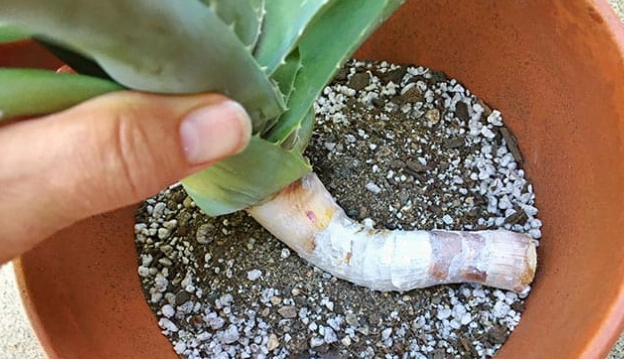
Step Zero: Picking Your Champion (The Right Cutting Matters)
This is where most people rush. They see a piece and just snip. But your success in learning how to root aloe vera cuttings starts before you even make the cut. You need the right raw material.
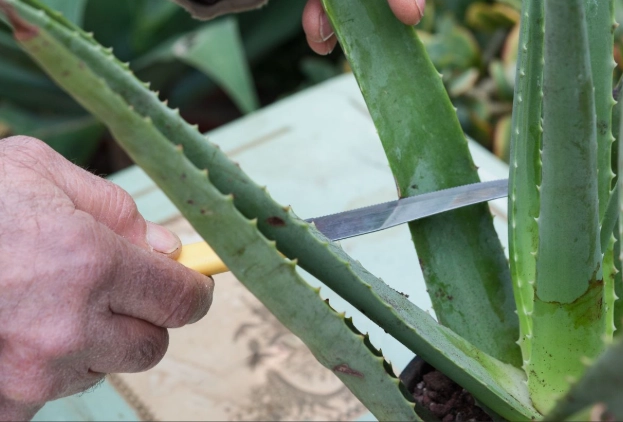
For offsets (pups): Look for ones that are a decent size, at least one-third the size of the mother plant. Tiny pups don't have enough energy stored up. The ideal pup has a few sets of leaves and is starting to form its own root nubs. Gently dig around the base to see if it's attached by a stem.
For stem cuttings (from a leggy plant): You want a section that's firm, healthy, and has a good few inches of stem below the lowest leaves. Avoid any sections that are discolored, soft, or have black spots.
The health of the mother plant is everything. A sickly plant gives you sickly cuttings.
The Essential Pre-Root Ritual: The Callus
This is the single most important step in the entire process of how to root aloe vera cuttings, and the one I skipped during my first mushy failure. You must let the cut end dry and form a callus.
Think of the fresh cut as an open wound. If you put that wet, open wound directly into moist soil or water, it's an invitation for bacteria and fungi to waltz right in and cause rot. The callus is a protective scab.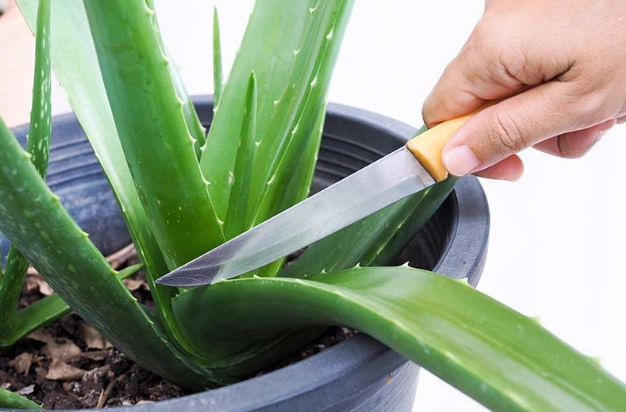
I place mine on a paper towel on a shelf. Some people use a empty egg carton. Just make sure it's not sitting in a damp saucer or in direct sun, which can cook it.
The Two Main Roads to Roots: Soil vs. Water
Here's the big debate. Which method is better for learning how to root aloe vera cuttings? Both work, but they have different personalities and success rates. Let's break them down.
Method 1: Rooting in Soil (The Traditional Route)
This is the most common method and how aloes root in nature. It's a set-it-and-forget-it approach that minimizes transplant shock later.
- Pot and Mix: Get a small pot with excellent drainage holes. Terracotta is great because it breathes. Your soil mix is critical—it must drain incredibly fast. A standard cactus/succulent mix is a good start, but I like to make it even grittier. I do a 50/50 mix of cactus soil and perlite or coarse sand. The goal is water to run through it like a sieve.
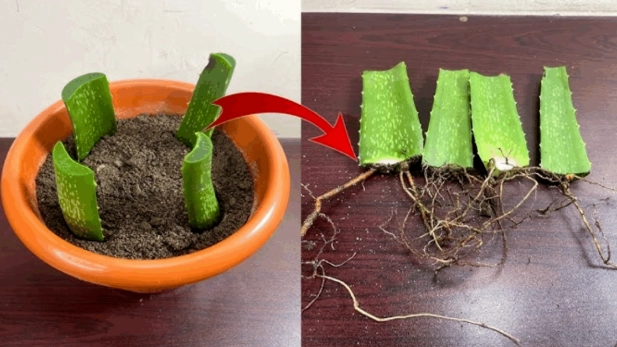
- Planting: Fill the pot with your dry mix. Make a small hole in the center. Place the callused end of your aloe cutting into the hole. You can bury it just deep enough to support itself, about an inch or so. Don't bury the lower leaves.
- The Initial Watering: Here's a trick: Do NOT water it right after planting. The soil is dry, the cutting is dry. Leave it completely dry for another 5-7 days. This encourages the cutting to send out roots searching for moisture. After this waiting period, give the soil a light splash around the edge of the pot, not directly on the stem. You're just dampening the surrounding soil to signal that water is available.
- Waiting Game: Place the pot in bright, INDIRECT light. No direct sun yet—it can dehydrate the unrooted cutting. Resist the urge to tug on it to check for roots. It can take 4 to 8 weeks to establish a solid root system. How do you know it's working? The cutting will feel firmly anchored when you give it a very gentle wiggle, and you might see new, bright green growth from the center.
Method 2: Rooting in Water (The Visual Learner's Method)
Water propagation is popular because you can actually see the roots growing. It feels more active and rewarding. But for succulents like aloe, it's a bit riskier and requires more attention.
- Setup: Use a clean glass or jar. The key is to suspend the cutting so that only the very bottom of the callus is near the water, not submerged. You can use toothpicks poked into the stem to rest on the rim of the glass, or a narrow-necked bottle that holds the stem in place. The goal is to have the cut end hovering just above the water surface, where humidity is high, or barely kissing the water.
- Water and Location: Use fresh, room-temperature water. Change it every 3-5 days to keep it oxygenated and prevent bacterial slime. Place the setup in bright, indirect light.
- What to Look For: In a few weeks, you should see tiny white nubs emerging from the callus. These are your first roots! Once they grow to about an inch or two, you can carefully transfer the cutting to soil.
| Method | Pros | Cons | Best For |
|---|---|---|---|
| Soil Propagation | Minimizes rot risk; no transplant shock; mimics natural conditions; lower maintenance. | You can't see progress; requires more patience; tricky to gauge early watering. | Beginners, larger cuttings, anyone prone to over-watering. |
| Water Propagation | Visual confirmation of roots; can be faster initially; satisfying to watch. | Higher rot risk; water roots are fragile and must adapt to soil; requires more frequent attention. | Visual learners, small offsets, experienced propagators monitoring closely. |
So, which one for you? If you're a set-it-and-forget-it person, go with soil. If you're a helicopter plant parent who needs to see action, try water—but be vigilant.
After the Roots: Your Baby Aloe's First Home
Okay, you've done it! You've figured out how to root aloe vera cuttings and you see new growth. The job isn't over. Now you need to transition it to a stable, happy life.
For soil-rooted cuttings: Once it's firmly rooted and showing new growth, you can gradually introduce it to brighter light, eventually giving it the direct sun it craves (acclimate over a week or two to avoid sunburn). Start a regular succulent watering routine: soak the soil thoroughly, then let it dry out completely before watering again.
For water-rooted cuttings: The transition to soil is delicate. Water roots are different from soil roots—they're thinner and adapted to an aquatic environment. When you plant them in soil, they often die back a bit before new soil-adapted roots grow.
- Prepare a pot with your fast-draining cactus mix, pre-moistened (slightly damp, not wet).
- Make a hole and gently place the rooted cutting in. Don't cram the fragile water roots.
- Hold off on watering for about a week to allow any minor root damage to heal and to encourage roots to seek moisture in the soil.
- After a week, give it a light watering. Keep it in bright, indirect light until you see signs of new growth, indicating it has settled in.
Frequently Asked Questions (The Stuff That Keeps You Up at Night)
Advanced Tips & Troubleshooting
Once you've mastered the basic how to root aloe vera cuttings process, here are some extra insights for tricky situations.
Dealing with Rot Mid-Process: If you notice a black or mushy spot on the stem, act immediately. Cut well above the rot into healthy, firm tissue. Let it re-callus completely and start over. Sterilize your knife between cuts.
No Pups? Encouraging Offsets: Sometimes a mature aloe won't produce pups. To encourage it, make sure it's getting enough light and is slightly pot-bound. Being a bit snug in its pot can trigger it to reproduce. Also, feeding it lightly in the growing season with a balanced, diluted fertilizer can help.
The Leaf-Cutting Myth: You might see advice on rooting a single aloe leaf. Let me save you the heartache: it almost never works. A leaf cutting might root, but it will almost never produce a new plant. It lacks the necessary growth cells (meristematic tissue) found in the stem or base of a pup. Stick to pups or stem sections.
For more in-depth botanical information on succulent growth habits and propagation science, resources like the University of Florida IFAS Extension offer reliable, research-based guidance. Similarly, the Missouri Botanical Garden's plant database is an excellent authority for confirming plant care specifics.
So, there you have it. The complete, no-nonsense guide on how to root aloe vera cuttings. It's not about complex techniques, just understanding a few simple principles that work with the plant's nature, not against it. Grab a healthy pup, let it callus, choose your method, and practice a little patience. Before you know it, you'll have a whole family of these forgiving, useful plants, all from that first successful cut.

Comments