Let's be honest. You've brought home a lush, beautiful houseplant, full of hope. You water it, maybe talk to it, place it in what you think is a good spot. A month later, it's a sad collection of yellow leaves or a crispy stick in a pot. Sound familiar? That's where the legend of the "never die plant" comes in. It's not about magic, but about choosing the right botanical companions—plants with a built-in will to live that matches your (perhaps chaotic) lifestyle. This guide isn't just a list; it's a mindset shift for anyone who thinks they have a black thumb.
What You'll Learn in This Guide
What Makes a Plant 'Never Die'?
These plants share a few superpowers. First, drought tolerance. They store water in thick leaves (like succulents), rhizomes (like ZZ plants), or tuberous roots. Forget to water for two weeks? They shrug it off. Second, low light adaptability. They evolved under forest canopies, so they don't need a sunny south-facing window to photosynthesize. A dim corner or office fluorescent light is enough. Third, forgiveness. They show distress signs (drooping, slight yellowing) slowly, giving you ample time to correct course before it's a funeral.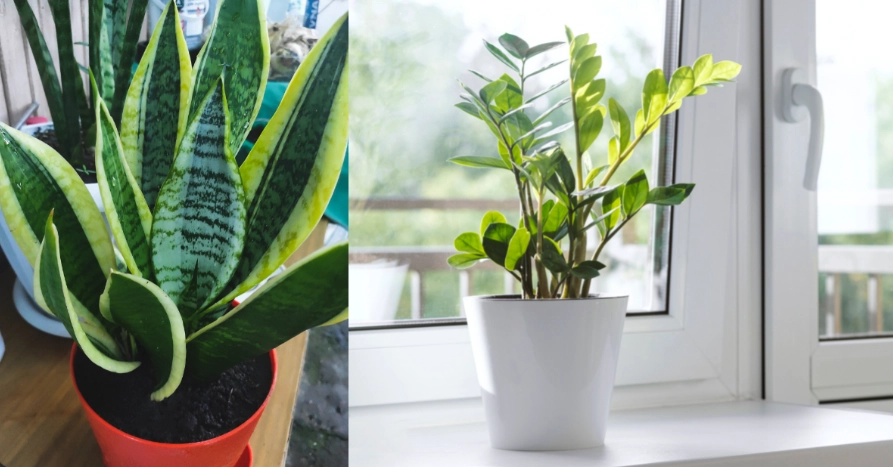
Top 5 Never Die Plants for Absolute Beginners
Forget vague descriptions. Here’s a breakdown of the top contenders, ranked by sheer resilience. I've killed my share of plants over the years, but these have consistently pulled through my neglect.
| Plant (Common Name) | Scientific Name | Light Needs | Water When... | Why It's Tough |
|---|---|---|---|---|
| Snake Plant | Dracaena trifasciata | Low to Bright Indirect | Soil is completely dry (every 3-8 weeks) | Practically thrives on neglect. Overwatering is its only enemy. Purifies air (NASA study). |
| ZZ Plant | Zamioculcas zamiifolia | Low to Moderate Indirect | Soil is dry 2-3" down (every 2-4 weeks) | Uses potato-like rhizomes to store water. Grows slowly, needs little. |
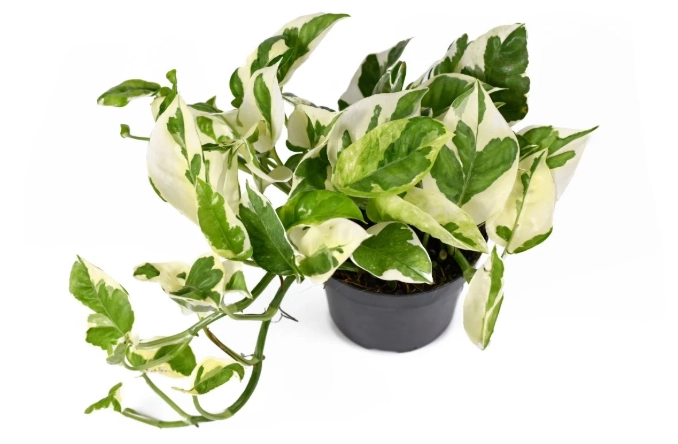
| Pothos / Devil's Ivy | Epipremnum aureum | Low to Bright Indirect | Top 1-2" of soil is dry (every 1-2 weeks) | Grows fast, tells you it's thirsty by wilting, then bounces back hours after watering. |
| Spider Plant | Chlorophytum comosum | Moderate to Bright Indirect | Soil is partly dry (every 1-2 weeks) | Produces baby "spiderettes" you can propagate. Non-toxic to pets. |
| Cast Iron Plant | Aspidistra elatior | Very Low to Moderate | Soil is mostly dry (every 2-3 weeks) | Its name says it all. Handles dust, low light, and temperature swings. |
Notice a pattern? The watering frequency is measured in weeks, not days. That's the secret.
The Simple Care Rules Everyone Gets Wrong
You can buy the toughest plant on Earth and still kill it with kindness. Here’s where most people, including my past self, mess up.
How to Water (This is 90% of the Battle)
Stop watering on a schedule. Your home's humidity, light, and season change constantly. Instead, check the soil. Stick your finger in up to the second knuckle. For snake and ZZ plants, it should feel completely dry. For pothos and spider plants, mostly dry. When you do water, do it thoroughly until water runs out the drainage hole. Then, let it drain completely. No plant likes wet feet.
The Right Light (It's Not What You Think)
"Low light" doesn't mean no light. It means no direct sunbeams hitting the leaves. A spot a few feet away from a north-facing window, or in the middle of a bright room, is perfect. Direct afternoon sun through a south window can scorch even tough leaves. If you can comfortably read a book in that spot without turning on a light during the day, it's probably sufficient for these plants.
Potting and Soil: The Foundation
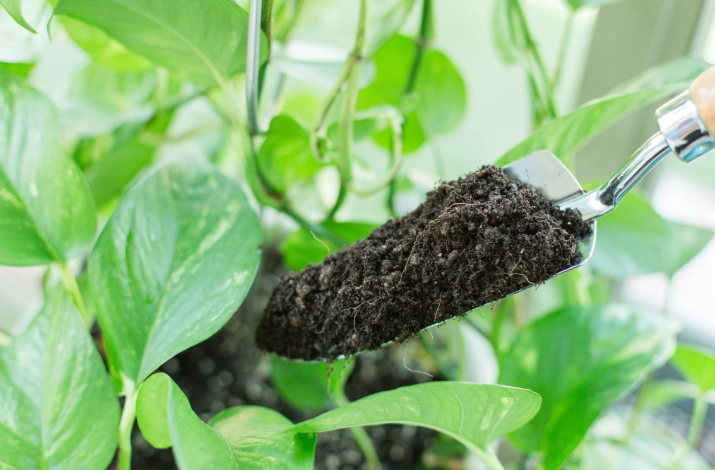
This is critical. Always use a pot with a drainage hole. No exceptions. Ceramic, plastic, terracotta—it doesn't matter as long as water can escape. Terracotta is great for over-waterers as it wicks moisture away. Use a well-draining potting mix, often labeled for cacti/succulents or indoor plants. You can make your own by mixing standard potting soil with perlite or orchid bark for extra drainage.
Real-Life Test: The Frequent Traveler's Setup
Let's get specific. Say you travel for work every other week. Here’s a bulletproof plan.
Plant Selection: A medium-sized Snake Plant and a ZZ Plant. These are your anchors. Add a Pothos for some trailing greenery—it wilts visibly when thirsty, a good reminder.
Pre-Travel Prep (The Night Before):
Check the soil moisture for each. Only water the ones that are completely dry. Do not water them all "just in case." That's how you come home to root rot. Group them together in a room with moderate, indirect light (not a dark closet). This creates a slightly more humid microclimate.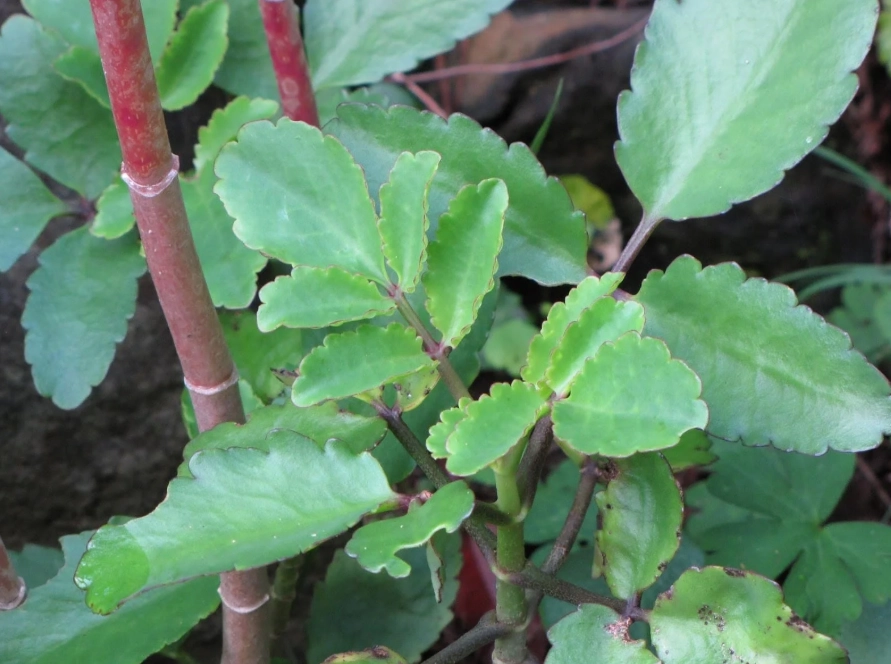
Upon Return:
Check the plants before you unpack. The snake and ZZ will likely be fine. The pothos may be dramatic and wilted. Water it thoroughly, and it will perk up within hours. This system works because it aligns with the plants' natural drought cycles.
Your Never Die Plant Questions, Answered
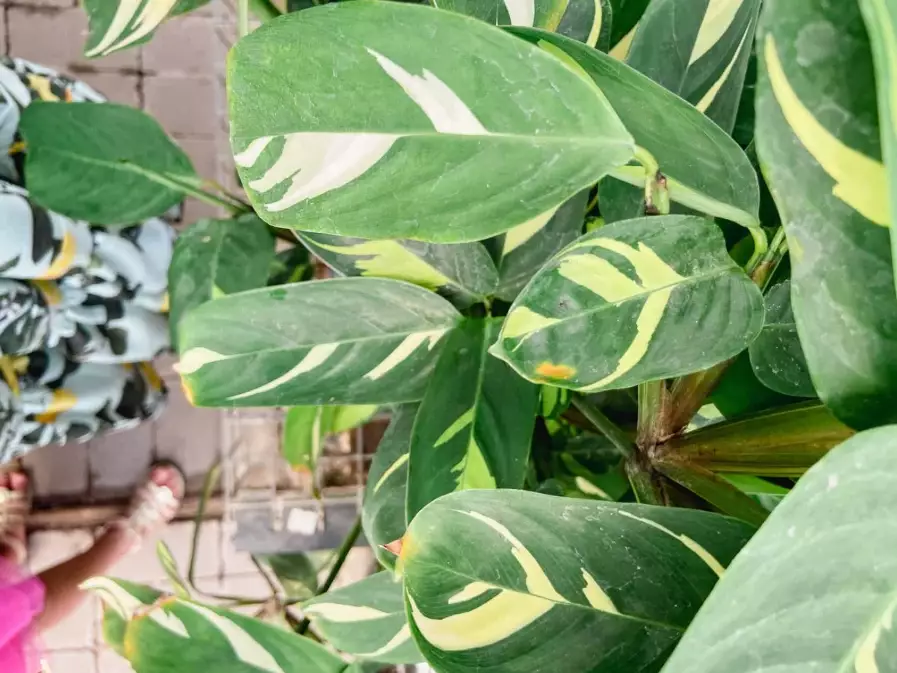 My pothos has long vines but no leaves at the top. What did I do wrong?
The goal isn't to have a perfect, Instagram-ready jungle overnight. It's to build confidence. Start with one snake plant. Master its watering rhythm. See it put out a new shoot—that's the reward. Then maybe add a pothos. These plants are called "never die" for a reason. They want to live. Your job is just to not get in their way too much. Give it a try. You might just find your black thumb was a myth all along.

Comments