I killed my first baby rubber plant by overwatering—a mistake I see all the time. After years of growing these guys, I've learned they're not the indestructible plants some blogs claim, but with a few tweaks, they thrive. This guide cuts through the noise to give you practical, experience-based advice for keeping your Peperomia obtusifolia healthy.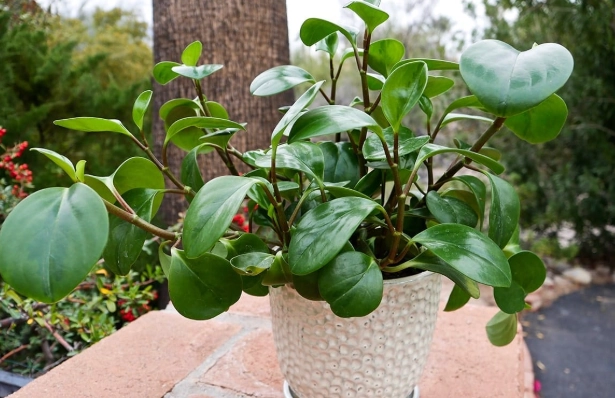
What You'll Learn in This Guide
What Is a Baby Rubber Plant Really?
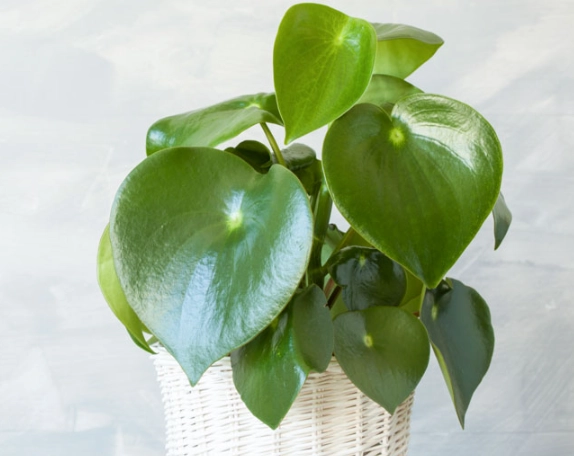
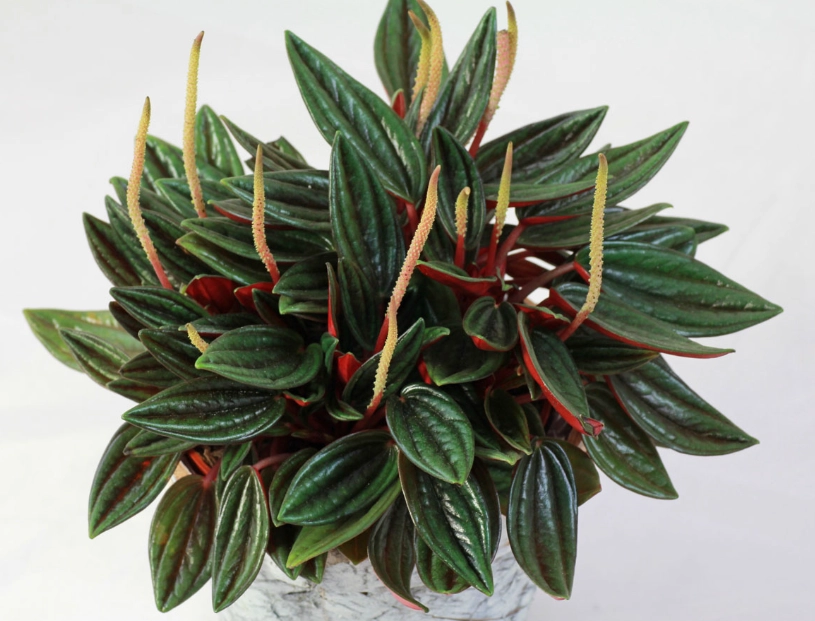
Let's clear this up: baby rubber plant, or Peperomia obtusifolia, isn't a true rubber plant (that's Ficus elastica). It's a compact perennial from the Piperaceae family, native to Florida and the Caribbean according to the Missouri Botanical Garden. The leaves are thick, glossy, and oval-shaped—sometimes variegated with cream or yellow. Why do people love it? It's slow-growing, stays small (usually under 12 inches), and handles neglect better than many houseplants.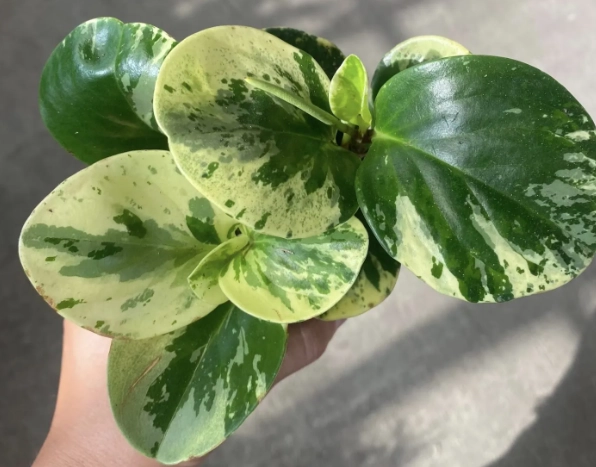
But here's a nuance most miss: the "baby" part refers to its size, not its age. I've had one for five years that's still petite. It's perfect for shelves, desks, or as a table centerpiece.
Botanical Background and Why It's a Beginner Favorite
Peperomia obtusifolia is often marketed as a low-light plant, but that's a bit misleading. In my experience, it tolerates low light but grows leggy and pale. Bright indirect light is where it shines. It's also non-toxic, which adds to its appeal for homes with pets or kids.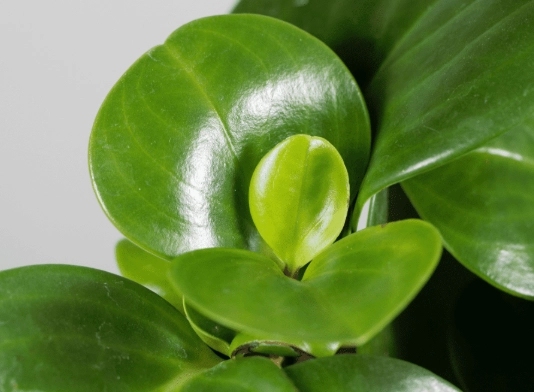
The Care Routine That Prevents Common Killers
Most baby rubber plants die from overwatering or poor light. Let's break down the essentials.
Light Requirements: Finding the Sweet Spot
Forget deep shade. Place it near an east or north-facing window where it gets bright, indirect light for 4-6 hours daily. South or west windows? Use a sheer curtain to filter harsh rays. I've seen plants in dim corners survive but not thrive—they stretch out, losing that compact shape.
If you're using artificial light, a standard LED grow light 12 inches away for 8 hours works. Rotate the pot every few weeks to ensure even growth.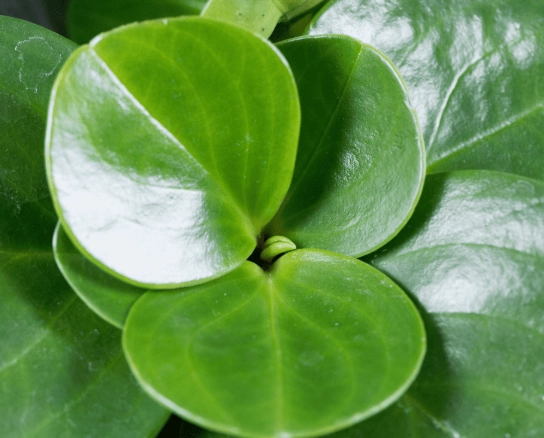
Watering: The Most Common Mistake
This is where I messed up initially. Baby rubber plants store water in their leaves, so they hate soggy soil. Water only when the top 1-2 inches of soil are dry. Stick your finger in—if it feels moist, wait. In summer, that might be every 7-10 days; in winter, every 2-3 weeks.
Use room-temperature water and ensure the pot has drainage holes. I prefer terracotta pots because they wick away excess moisture.
Soil and Potting Mix
A well-draining mix is non-negotiable. I use equal parts potting soil, perlite, and orchid bark. Avoid heavy garden soil—it retains too much water. Repot every 2-3 years in spring if the roots are crowded, but these plants like being slightly root-bound.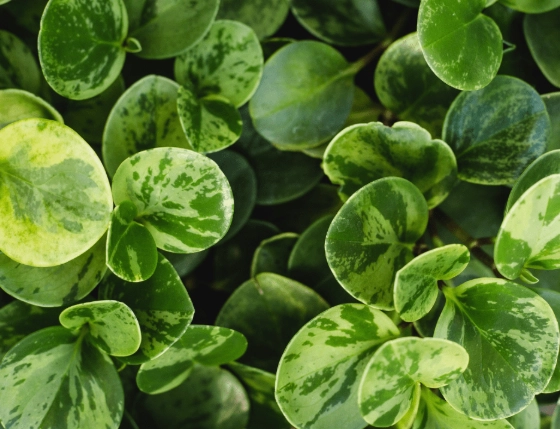
Temperature and Humidity: Room Conditions Work
Keep temperatures between 65-80°F (18-27°C). They handle average household humidity (40-50%), but if your air is dry, mist the leaves weekly or use a humidifier. Don't place it near drafts or heating vents.
Fertilizing: Less Is More
Feed monthly in spring and summer with a balanced liquid fertilizer diluted to half strength. Skip fertilizing in fall and winter. Over-fertilizing causes salt buildup and leaf burn—I learned this the hard way with yellow-edged leaves.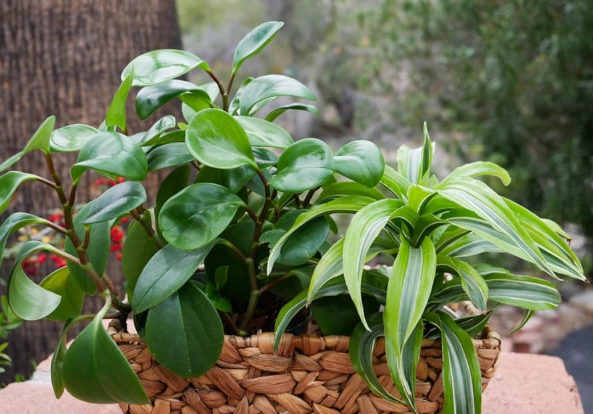
Pro Tip: If you're unsure about watering, err on the dry side. A underwatered plant recovers faster than an overwatered one with root rot.
| Care Aspect | Ideal Condition | What to Avoid |
|---|---|---|
| Light | Bright indirect light | Direct sun or deep shade |
| Watering | When top soil is dry | Weekly schedules or soggy soil |
| Soil | Well-draining mix (e.g., soil + perlite) | Heavy, water-retentive soil |
| Temperature | 65-80°F (18-27°C) | Below 50°F or sudden drafts |
| Fertilizer | Half-strength monthly in growing season | Over-fertilizing in dormant periods |
Troubleshooting: When Things Go Wrong
Even with care, issues pop up. Here's how to diagnose and fix them.
Yellow Leaves: Overwatering vs. Underwatering
Yellow leaves usually mean overwatering—the soil stays wet, and roots suffocate. Check for mushy stems or a foul smell. Solution: let the soil dry out completely, and if root rot is severe, repot in fresh soil after trimming damaged roots.
Underwatering causes leaves to yellow and crisp up at the edges. Water thoroughly until it drains from the bottom.
Leggy Growth: Not Enough Light
If stems stretch out with sparse leaves, it's craving more light. Move it to a brighter spot or supplement with grow lights. Prune back leggy stems to encourage bushier growth.
Pests: How to Deal with Mealybugs and Spider Mites
Mealybugs look like tiny cotton balls on stems. Wipe them off with a cotton swab dipped in rubbing alcohol. Spider mites cause fine webbing—spray with neem oil solution weekly. Isolate affected plants to prevent spread.
Propagation Made Simple
Propagating baby rubber plant is rewarding and easy. I've had success with both methods.
Leaf Cuttings: Step-by-Step
Cut a healthy leaf with about an inch of stem. Let it callous for a day to prevent rot. Then, place the stem in water or moist soil. In water, change it weekly; roots appear in 4-8 weeks. In soil, keep it lightly moist and in bright indirect light.
Stem Cuttings: Faster Results
Take a 3-4 inch stem cutting with a few leaves. Remove lower leaves, dip the cut end in rooting hormone (optional), and plant in soil. Keep it humid by covering with a plastic bag for a week. Roots develop in 2-4 weeks.
Safety for Pets and Kids
Good news: baby rubber plant is non-toxic to cats and dogs, as listed by the ASPCA. But ingestion can cause mild stomach upset. Keep it out of reach to avoid chewed leaves—the plant doesn't like it either.
Styling Your Space with Baby Rubber Plant
Its compact size makes it versatile. Use it in terrariums, mixed planters, or as a solo accent. I love pairing it with trailing plants like pothos for contrast. Place it on a coffee table or office desk—it adds a touch of green without overwhelming the space.

Comments