Quick Navigation
- The Bromeliad Mindset: They're Not Like Other Plants
- Light: Finding That Sweet Spot
- Watering: The Big One. Don't Drown the Roots.
- Humidity & Temperature: They Like It Comfortable
- Feeding: Less Is More
- The Potting Mix & Repotting
- The Bloom and The "Pup" Saga: What Happens Next?
- Common Bromeliad Types and Their Little Quirks
- Fighting Off Problems (They're Few, But Here They Are)
- Your Bromeliad Care Questions, Answered
- Wrapping It Up: Keep It Simple
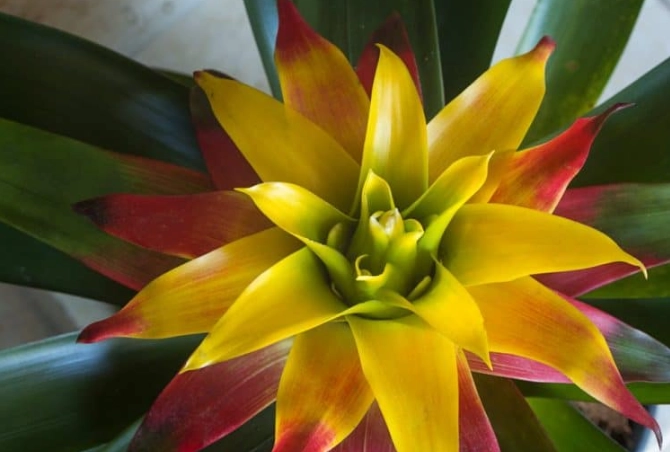
Let's be honest. You probably brought that bromeliad home because it looked like a sculptural piece of art from another planet. Those vibrant, spiky leaves forming a perfect cup. That crazy flower spike (called an inflorescence, if we're being fancy) that looks like it's made of neon plastic. It screamed "tropical vacation" in the middle of a boring home goods store aisle. So you bought it.
And now it's sitting on your windowsill, and you're googling "bromeliads care" because you're terrified you're going to kill it. You're wondering if that central cup is supposed to have water in it. You're noticing a leaf tip turning brown and panicking. Is it getting too much sun? Not enough? Why won't it bloom again?
Take a deep breath. I've been there. I've killed my share of plants, including a gorgeous Aechmea that I lovingly drowned with misguided affection. The truth about bromeliad care is that it's different from caring for your pothos or fiddle leaf fig, but once you get the hang of a few key things, it's surprisingly straightforward. They're tougher than they look. This guide is going to walk you through everything, not as a textbook, but as if we're just chatting about our quirky plant friends.
The Bromeliad Mindset: They're Not Like Other Plants
First, understanding where they come from helps make sense of how to care for them. Most bromeliads we grow as houseplants are epiphytes. Fancy word. It just means they grow on other things (like tree branches) in the wild, not in the ground. They're not parasites; they just use the tree for support. Their roots are often more for anchoring than for serious drinking.
This is the single most important concept for bromeliad care. They get water and nutrients from their central cup (the tank) and through their leaves. This changes everything about how you water them. Forget everything you know about pouring water on soil.
Light: Finding That Sweet Spot
This is where people get tripped up. Too little light, and your bromeliad becomes a sad, stretched-out version of itself, with colors fading to dull green. Too much direct, scorching sun, and those beautiful leaves will get sunburned—crispy, bleached patches that won't recover.
Think dappled sunlight under a jungle canopy. For your home, that usually translates to bright, indirect light. An east-facing window is often perfect. A west-facing window can work if filtered by a sheer curtain. A south-facing window? Probably too intense unless it's filtered. North-facing might be too dim for most types to maintain vibrant color.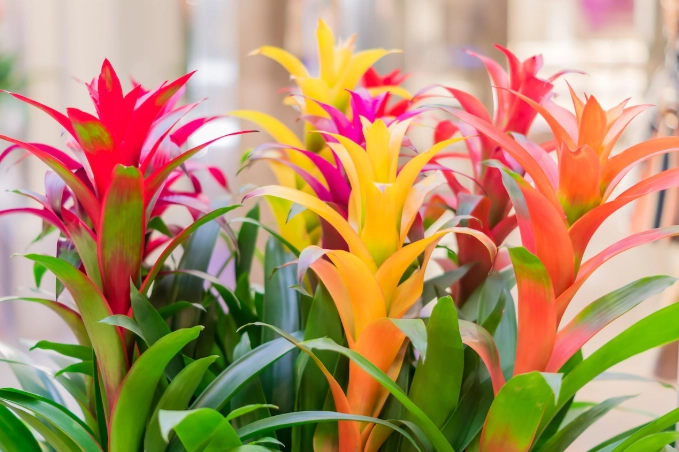
There's some variation, of course. Bromeliads with stiff, grayish, or very spiny leaves (like many Dyckias or Hechtias) can often handle more direct sun. The ones with softer, greener leaves (like most Guzmanias and Vrieseas) prefer shadier conditions. When in doubt, err on the side of less direct sun. They'll tolerate lower light better than a sunburn.
Watering: The Big One. Don't Drown the Roots.
Here's the core of how to care for bromeliads. You water the plant in two places: the central cup (tank) and the potting medium, but with very different approaches.
Watering the Tank (The Main Event)
Keep the central cup about 1/4 to 1/2 full of water. Use rainwater, distilled water, or filtered water if you can. Tap water is okay for many, but the minerals can build up and cause ugly brown tips on the leaves over time. I use filtered water from my fridge, and it's made a noticeable difference.
Critical step: Every 1-2 weeks, you MUST flush out the old water from the cup. Tilt the plant over a sink or bucket and let it all drain out. Then refill it with fresh water. Why? Stagnant water in that cup becomes a mosquito nursery and a breeding ground for bacteria and rot. It smells funky too. Flushing is non-negotiable for good bromeliad plant care.
Watering the Potting Mix
This is more about preventing the roots from completely drying out and turning to dust. The medium should be allowed to dry out almost completely between waterings. When you do water the pot, water it thoroughly until it runs out the drainage holes, then let it drain completely. Never let the pot sit in a saucer of water. That's a one-way ticket to root rot.
In winter, or if your home is cool, you might water the potting mix only once a month or even less. The tank still needs attention, but the roots are barely active.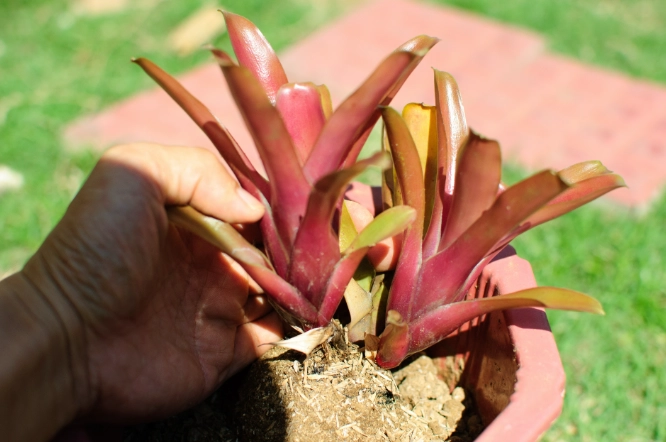
Humidity & Temperature: They Like It Comfortable
Bromeliads thrive in the same conditions you do. Comfortable room temperatures between 60°F (15°C) and 80°F (27°C) are perfect. They can handle brief dips lower, but don't let them sit near cold drafts or frosty windows.
Humidity is where our modern homes can fall short. They prefer 40-60% humidity. If your air is Sahara-dry (hello, winter heating!), you can:
- Group plants together to create a microclimate.
- Use a humidifier. (This is the best solution, and your own skin will thank you too).
- Set the pot on a pebble tray filled with water (make sure the pot isn't sitting *in* the water).
Misting? I find it does very little to raise humidity and can promote fungal spots on the leaves if they stay wet for hours. I don't really bother with it.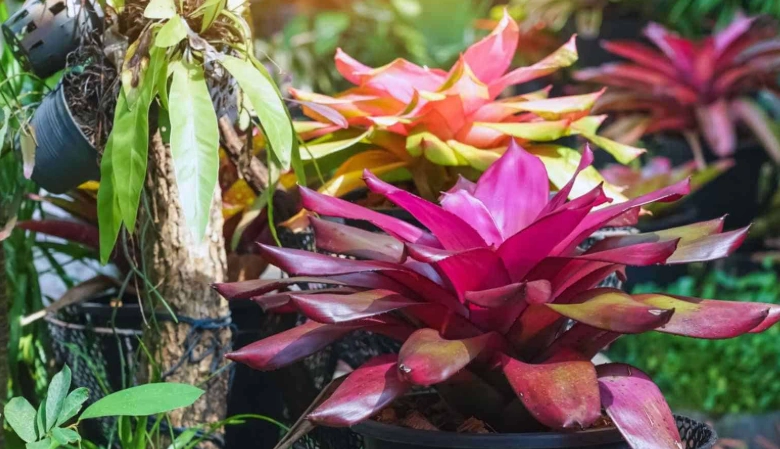
Feeding: Less Is More
Bromeliads are not heavy feeders. In fact, over-fertilizing can burn their leaf tips and spoil the colors. If you want to feed, use a very weak, balanced liquid fertilizer (like a 10-10-10 or 20-20-20) diluted to 1/4 or 1/2 the strength recommended on the bottle.
And here's the key: Pour the diluted fertilizer solution into the central cup, not onto the soil. Do this during the growing season (spring and summer) and only once a month at most. In fall and winter, don't fertilize at all. Some growers swear by just skipping fertilizer entirely, and their plants do fine. I feed mine maybe twice a year, and that seems plenty.
The Potting Mix & Repotting
Remember the epiphyte thing? Their roots need air. A standard potting soil will suffocate and rot them. You need a mix that is incredibly fast-draining and chunky.
You can buy a specialty orchid mix (the bark-based kind for epiphytic orchids) and it will work great. Or, make your own simple blend. Here's what I use:
- 50% Orchid bark (small to medium chunks)
- 30% Coarse perlite
- 20% Sphagnum moss (not peat moss)
This holds a tiny bit of moisture but drains instantly. Repotting is rarely needed, as their root systems are small. You might only repot if the mix has broken down completely (after years) or if you are separating "pups" (more on that next). Use a pot that is just big enough to hold the roots comfortably—they often prefer being slightly pot-bound. And drainage holes are absolutely mandatory.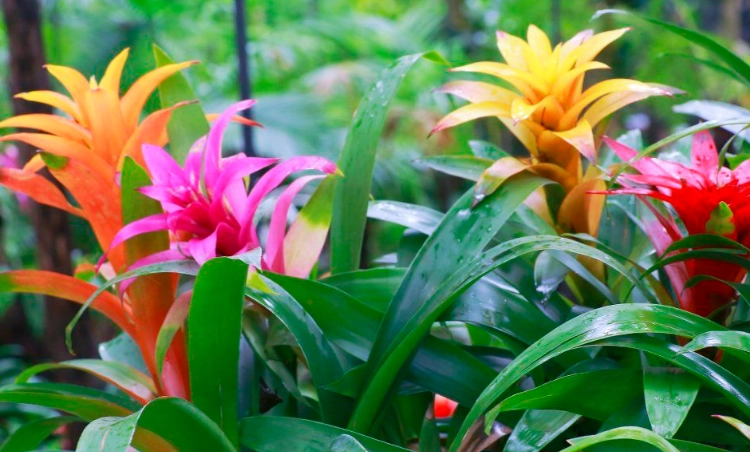
The Bloom and The "Pup" Saga: What Happens Next?
This is the part that surprises everyone. A bromeliad blooms once, and that's it for that particular plant. The bloom can last for months—seriously, sometimes 3 to 6 months of fantastic color. But eventually, it will start to fade and die back.
Don't panic! This is the natural cycle. As the mother plant (called the "parent") is flowering and then declining, it will start producing baby plants around its base. These are called "pups" or "offsets."
Your job is to keep caring for the mother plant as usual. She is now channeling energy into growing these pups. Once the pups are about one-third to one-half the size of the mother plant and have developed their own little root systems, you can separate them.
The mother plant will eventually completely brown and die. You can remove her then. Don't be sad; she's left you a legacy.
Common Bromeliad Types and Their Little Quirks
Not all bromeliads are exactly the same. Here’s a quick table to show the differences between some popular types you’ll find. It’s useful for setting expectations.
| Type (Genus) | What It Looks Like | Light Preference | Special Care Note |
|---|---|---|---|
| Guzmania | Soft, arching green leaves; spectacular, long-lasting central flower spike in red, orange, pink, or yellow. | Lower, indirect light. Tolerates lower light best. | Very common as a gift plant. The tank is crucial. Often has a shorter lifespan post-bloom. |
| Aechmea | Stiff, broad leaves often with silvery bands or spines; pink, cone-shaped flower spike. | Bright, indirect light to some morning sun. | Very tough. The tank holds a lot of water. I find them to be the most forgiving. |
| Neoregelia | Low, spreading rosette; flowers are small in the center, but the inner leaves turn brilliant colors (red, pink, purple) when "in bloom." | Medium to bright indirect light. More light = better color. | The "color" is the main show. Keep the central cup clean as water can sit in many small leaf axils. |
| Tillandsia (Air Plants) | Most have no soil; famous silvery types like Tillandsia xerographica. | Bright, indirect light. | Soak weekly, shake dry upside down. No pot needed! A whole different care category, really. |
| Vriesea | Smooth, strap-like leaves; flat, sword-like flower spike (like a flattened Guzmania). | Similar to Guzmania—medium, indirect light. | Loves humidity a bit more. The flower spike can be incredibly architectural. |
Fighting Off Problems (They're Few, But Here They Are)
Good bromeliad care usually prevents most issues. But here's what to watch for:
- Brown Leaf Tips: Usually low humidity, minerals in your water, or (less often) over-fertilizing. Switch to filtered/rain water and trim the brown tip off, following the leaf's natural shape.
- Soft, Mushy Base: Root or crown rot from overwatering the soil. Often fatal. Prevention is key.
- Pale, Stretched Leaves: Not enough light. Move it to a brighter spot.
- Bleached, Scorched Patches: Too much direct sun. Move it back.
- Scale or Mealybugs: Occasionally they can get these. Wipe with a cotton swab dipped in rubbing alcohol. Check the leaf axils (where leaves meet) and undersides.
Your Bromeliad Care Questions, Answered
Wrapping It Up: Keep It Simple
The best bromeliad care advice I can give is to stop worrying so much. They are adaptable. Focus on the big three:
- Light: Bright, indirect. No sunburn.
- Water: Keep the cup fresh and flushed. Let the potting mix dry out.
- Air: Fast-draining mix and good air circulation.
Everything else—feeding, humidity, precise temperatures—is fine-tuning. Get those three things right, and your bromeliad will not just survive, it will thrive, produce pups, and give you years of enjoyment. For deeper dives into specific genera or scientific classifications, fantastic resources exist from institutions like the University of Florida's IFAS Extension or the Bromeliad Society International. These are great for when you get really hooked.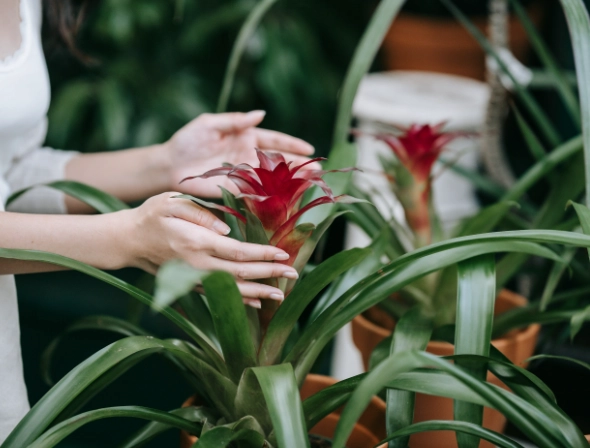
Now go check that central cup. Is the water fresh? Give it a flush. Then step back and admire your piece of living art. You've got this.


Comments