What You'll Find in This Guide
Let's cut to the chase. A large house plant can transform a dull room into a vibrant space, but most advice out there is generic. You know, "water when dry" and "provide indirect light." After ten years of filling my home with everything from a towering fiddle leaf fig to a sprawling monstera, I've learned it's the nuances that matter. This guide skips the fluff and gives you the actionable details you need to succeed, especially if you've killed a plant or two before.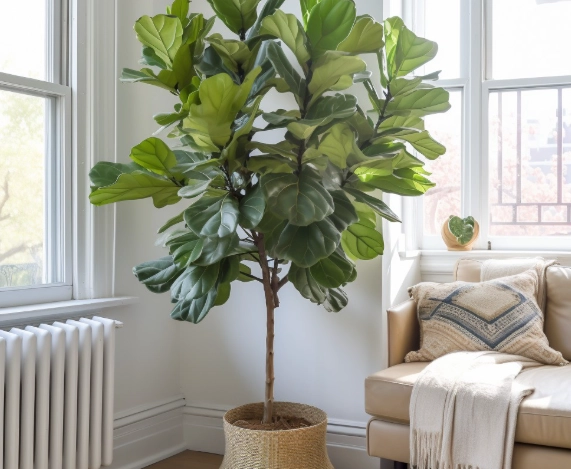
Why Bother with Large House Plants Anyway?
Sure, they're trendy. But beyond Instagram aesthetics, a big indoor plant does something small ones can't. It creates an instant focal point, divides a room naturally, and adds a layer of texture that furniture alone can't match. There's a psychological boost too—a study published in the Journal of Physiological Anthropology found that interacting with indoor plants can reduce stress. But here's the kicker: large plants are often easier to care for than tiny, fussy ones. Their larger root systems buffer against occasional neglect. My first big plant, a rubber tree, survived my chaotic watering schedule while my succulents perished.
How to Choose the Right Large House Plant for Your Space
This is where most people go wrong. They fall for a beautiful plant at the nursery without considering their home's conditions.
Light: The Non-Negotiable Factor
Forget "bright indirect light." Be specific. Stand where you want the plant at 10 AM. Does sunlight hit the spot? That's direct light. Is it bright but no sunbeams? That's bright indirect. Is it shady but you can still read a book? That's low light. A north-facing window often provides low light. A large snake plant will thrive there; a bird of paradise will not.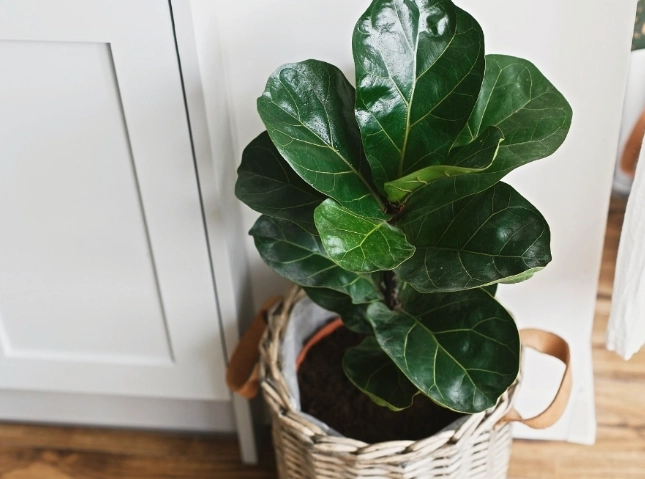
Space and Practicality
Measure the height and width of the space. Now subtract 2 feet. That's your max plant size. Plants grow. I made the mistake of putting a young majesty palm in a corner, only to have it block the TV two years later. Also, consider weight. A large pot with wet soil can be incredibly heavy. Can your floor handle it? If you rent, think about mobility.
Essential Care Tips Most Guides Overlook
Watering is just the start. Here's what really keeps large indoor plants alive and thriving.
Watering: It's Not About Frequency
The rule "water once a week" is a death sentence. Soil type, pot material, humidity, and season all change thirst. Instead, learn the heft test. Lift the pot when the soil is dry. Feel its weight. Lift it again a few days after watering. The difference is dramatic. Water when the pot feels light, not when the calendar says so. For large plants, deep watering until it runs out the bottom is crucial to encourage deep roots. Then, let it drain completely—no sitting in a saucer of water.
Soil and Potting: The Root of All Health
Big plants need airy soil. Standard potting mix often compacts over time. I mix my own: two parts all-purpose potting soil, one part perlite, one part orchid bark for chunkiness. This improves drainage and aeration. Repotting? Don't rush. Only repot when roots are congested, and only go up 1-2 inches in pot diameter. A pot too large holds excess moisture, leading to root rot.
Feeding and Cleaning
Fertilize during active growth (spring and summer) with a balanced, water-soluble fertilizer diluted to half strength. In fall and winter, stop. Dust is a silent killer for large leaves. Wipe them monthly with a damp cloth. It lets the plant breathe and photosynthesize efficiently.
My Top 5 Large House Plants for Real-Life Conditions
Based on resilience, aesthetics, and care ease, here are my picks. I've grown all of these.
| Plant Name | Light Needs | Watering | Mature Height | Why I Recommend It |
|---|---|---|---|---|
| Fiddle Leaf Fig (Ficus lyrata) | Bright, indirect light | Let top 2" dry out | Up to 10 ft indoors | Dramatic, large leaves. Finicky but rewarding if you avoid drafts and overwatering. |
| Monstera Deliciosa | Medium to bright indirect | Water moderately, loves humidity | Up to 8 ft | Iconic split leaves. Grows fast. More forgiving than the fiddle leaf fig. |
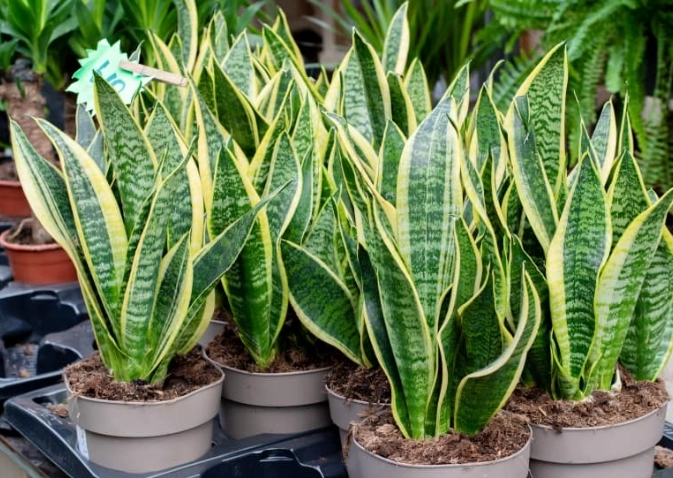
| Snake Plant (Sansevieria trifasciata) | Low to bright indirect | Very low; drought-tolerant | Up to 4 ft | Nearly indestructible. Perfect for beginners or low-light spaces. |
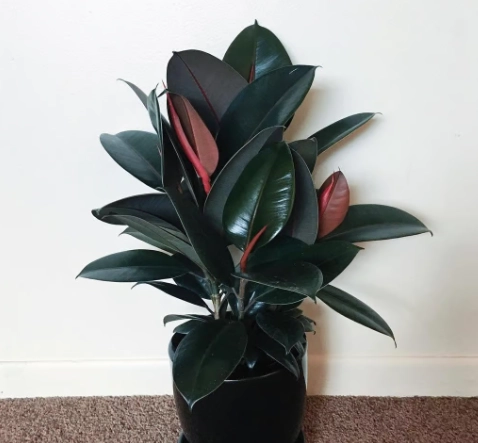
| Rubber Plant (Ficus elastica) | Bright, indirect light | Let soil dry between waterings | Up to 8 ft | Glossy, dark leaves. Pest-resistant and handles occasional neglect well. |
| ZZ Plant (Zamioculcas zamiifolia) | Low to bright indirect | Water sparingly, every 3-4 weeks | Up to 3-4 ft | The ultimate low-maintenance plant. Thrives on neglect and low light. |
Notice I didn't include the majesty palm. It's popular but often infested with spider mites indoors and needs high humidity. In most homes, it's a struggle.
Styling with Large Plants: Avoiding the Overcrowded Look
One large statement plant often beats a cluster of small ones. Place it in a corner to soften edges, behind a sofa to define a space, or in an empty hallway as a welcoming gesture. Use a stylish pot that complements your decor—a neutral woven basket or a simple ceramic pot works better than a garish colored one. Elevate the pot on a plant stand for added height and drama. But leave some negative space around it. Let the plant breathe visually.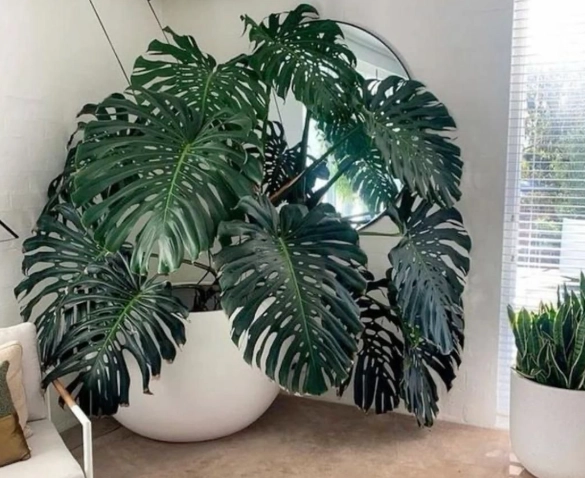
I once crammed a large cheese plant (Monstera adansonii) between a bookshelf and a chair. It looked messy, not curated. Moved it to an open corner, and suddenly it became the room's hero.
Answers to Questions You're Too Embarrassed to Ask
Final thought: Start with one plant. Get to know it. Observe how it responds to light and water in your specific environment. That hands-on knowledge beats any generic guide. Large house plants aren't just decor; they're living companions that teach patience and observation. Now go find your green giant.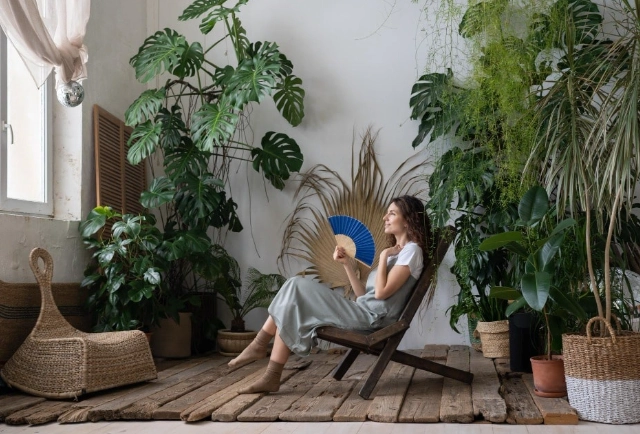

Comments