Let's cut to the chase. If your indoor plants keep dying, there's a 90% chance the problem starts in the pot. Not with your watering can, but with what's inside the pot. That bag of "all-purpose" soil from the big-box store? It's probably a death sentence for your succulents, monsteras, and snake plants. The single most important upgrade you can make for your indoor jungle isn't a fancy humidifier or a grow light. It's switching to a genuinely well draining potting mix.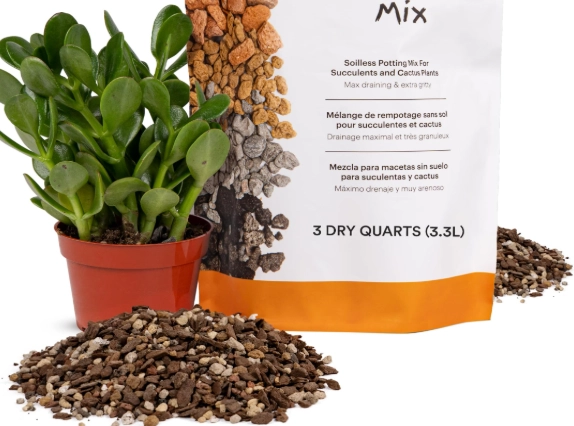
I learned this the hard way after killing my third fiddle leaf fig. I followed every watering rule, but the soil stayed soggy for weeks. The issue wasn't me; it was the dense, peat-heavy mix that acted like a wet sponge. Once I understood what "well-draining" really meant and started making my own blends, everything changed. Root rot vanished. Growth exploded. My plants finally looked happy.
What You'll Learn
- What Makes a Potting Mix "Well-Draining"? (It's Not Just Sand)
- The Building Blocks: A Guide to Potting Mix Ingredients
- DIY Recipes: How to Mix Your Own Perfect Potting Soil
- How to Test if Your Potting Mix Drains Well Enough
- Expert Tips & Common Mistakes (The Stuff Blogs Don't Tell You)
- Your Well-Draining Soil Questions, Answered
What Makes a Potting Mix "Well-Draining"? (It's Not Just Sand)
A well-draining mix does two things perfectly, and they seem contradictory: it holds enough moisture for roots to access, and it lets excess water escape rapidly. Think of it as a fluffy, airy apartment building for roots, not a cramped, waterlogged basement.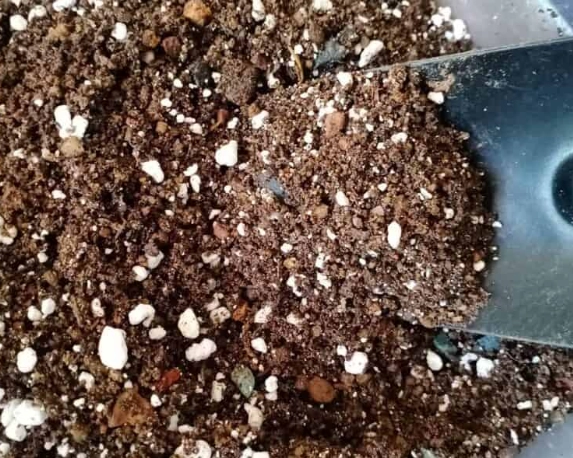
The magic happens through two key properties:
- Porosity: The tiny spaces (pores) between soil particles. More and larger pores mean water can flow through quickly, and, crucially, air can get in. Roots need oxygen as much as they need water.
- Structure: The mix's ability to hold its loose, chunky form and resist compaction. A mix that collapses into a dense brick after a few waterings has failed.
Here's the biggest misconception: adding a handful of sand to heavy soil fixes drainage. It usually makes it worse, creating a concrete-like texture. True drainage comes from coarse, irregular particles like perlite, pumice, or orchid bark.
The Root of the Problem: When soil stays wet for too long, oxygen is pushed out. Roots suffocate and begin to rot. This root rot is a silent killer—by the time you see yellow leaves or mushy stems above the soil, the damage below is often severe. A well-draining mix is your primary defense.
The Building Blocks: A Guide to Potting Mix Ingredients
Think of making your mix like cooking. You need a base, some aerators, and maybe a moisture moderator. Here’s the pantry list every indoor gardener should know.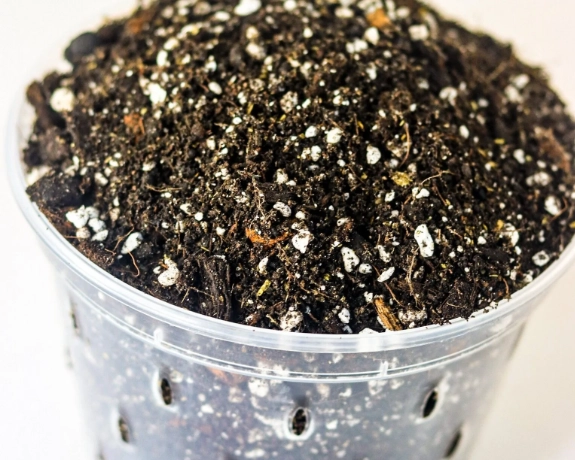
| Ingredient | Primary Role | Drainage Rating | Best For / Notes |
|---|---|---|---|
| Coco Coir | Moisture-Retentive Base | Medium | Eco-friendly peat alternative. Holds water well but resists compaction. Needs pre-rinsing. |
| Perlite (the white stuff) | Aeration & Drainage | Very High | The classic aerator. Lightweight, sterile, and creates air pockets. Can float to the top over time. |
| Pumice | Aeration & Drainage | Very High | Heavier than perlite. Won't float, provides excellent long-term structure. My personal favorite. |
| Orchid Bark (Pine/Fir) | Aeration & Structure | High | Adds chunkiness. Breaks down slowly, feeding beneficial fungi. Essential for aroids (Monstera, Philodendron). |
| Horticultural Charcoal | Filtration & Toxin Absorption | Medium-High | Not a major drainage component, but helps filter impurities and can prevent sour soil. |
| Worm Castings | Nutrient Source | Low-Medium | Adds gentle, bioavailable nutrients. Improves soil biology but doesn't aid drainage—use sparingly. |
| Peat Moss | Moisture-Retentive Base | Medium (when dry) | Common in commercial mixes. Holds water but can become hydrophobic when bone dry and is environmentally contentious. |
A note on peat: Many commercial "well-draining" mixes are peat-based with a bit of perlite. They work okay initially but have a fatal flaw. As noted by the Royal Horticultural Society, peat can be difficult to re-wet if it completely dries out, leading to uneven moisture. It also compacts over time. For a truly sustainable and long-lasting mix, I've moved away from peat entirely.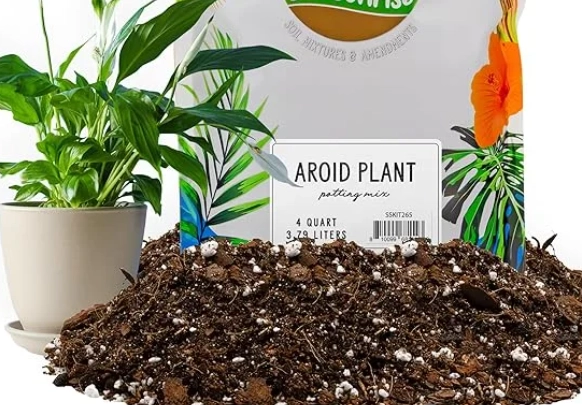
DIY Recipes: How to Mix Your Own Perfect Potting Soil
Ready to get your hands dirty? Mixing your own gives you control. Here are three reliable recipes, from a simple starter to my go-to premium blend.
The Simple Starter Mix (For Succulents & Cacti)
This is foolproof. Dump into a large tub and mix with your hands or a trowel until uniform.
- 2 parts Potting Soil (Use a basic, cheap one as your base)
- 1 part Perlite
- 1 part Coarse Sand (Horticultural sand, not beach sand)
It dramatically improves store-bought soil. The sand adds weight, which is good for top-heavy plants.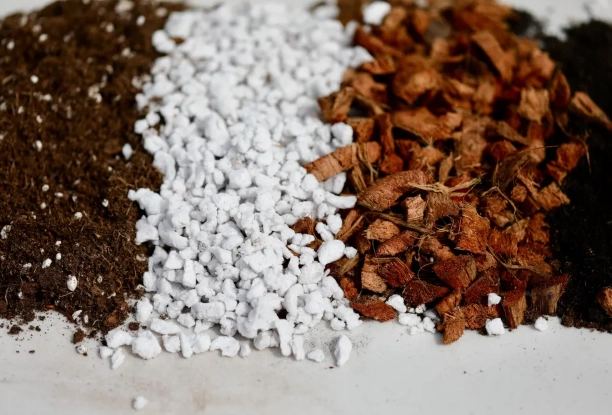
The All-Purpose Champion Mix (For Most Tropicals: Pothos, Philodendron, ZZ Plants)
This is the workhorse. I use it for probably 70% of my plants.
- 3 parts Coco Coir (pre-soaked and wrung out)
- 2 parts Orchid Bark (medium grade)
- 1.5 parts Pumice (or Perlite if pumice is unavailable)
- 1 part Horticultural Charcoal
- 0.5 part Worm Castings (for nutrients)
Mix thoroughly in a wheelbarrow or large container. It's chunky, airy, and smells earthy and clean.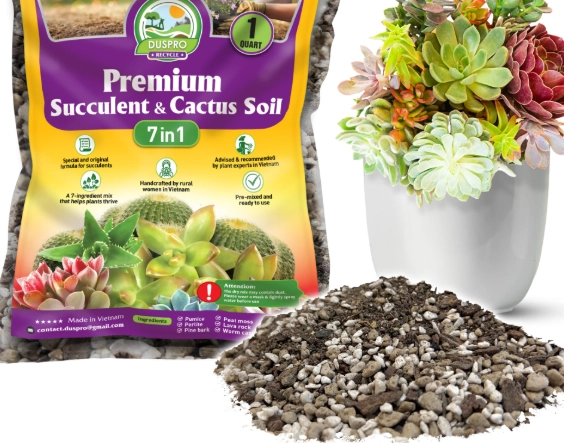
The Aroid Special (For Monsteras, Alocasias, Anthuriums)
These plants crave exceptional drainage and air flow around their roots. This mix mimics their natural epiphytic tendencies.
- 2 parts Orchid Bark (large/medium chunk)
- 1 part Coco Coir
- 1 part Pumice
- 0.5 part Horticultural Charcoal
- A handful of worm castings per gallon
It looks more like an orchid mix than soil. Water flows through it in seconds. If you've ever had an Alocasia bulb rot, try this mix.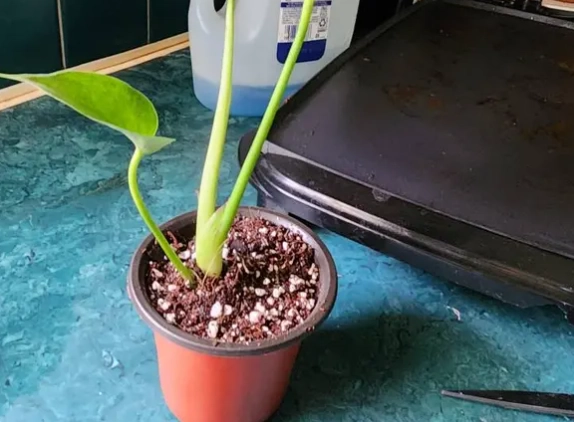
How to Test if Your Potting Mix Drains Well Enough
Don't guess. Test it. Here's a simple method I use before potting any valuable plant.
The Percolation Test:
- Take a clean, empty nursery pot with drainage holes.
- Fill it with your dry or slightly damp potting mix.
- Place it in a sink or bowl.
- Slowly pour water onto the surface, as if you were watering thoroughly.
- Watch the bottom. You should see water start to drip out within 10-15 seconds.
- Stop pouring once a steady stream runs out the bottom. The entire process of watering and draining should take 30-60 seconds max.
If water pools on top for a minute before draining, your mix is too dense. If it immediately gushes out the bottom like a sieve, it might be too coarse and lack any moisture retention (a common DIY error). You're aiming for a steady, quick flow-through.
Expert Tips & Common Mistakes (The Stuff Blogs Don't Tell You)
After a decade of trial and error, here are the nuanced insights that made the biggest difference.
1. The "Layer of Rocks" Myth is Worse Than Useless
Putting gravel or rocks at the bottom of a pot does not improve drainage; it often worsens it. This creates a "perched water table"—a zone where water hesitates to cross from the fine soil into the coarse rocks. It raises the soggy zone higher into the root ball. Just use a pot with holes and good soil all the way down.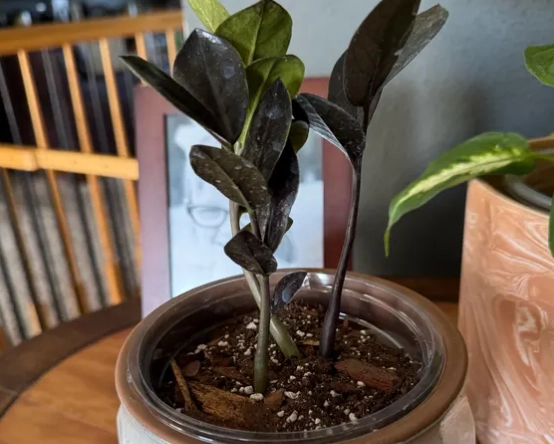
2. Particle Size Consistency Matters
Mixing fine sand with large bark creates small gaps that get clogged. For optimal porosity, aim for ingredients with somewhat similar particle sizes (e.g., medium perlite with small orchid bark). This creates a more uniform network of air and water channels.
3. Your Environment Dictates the Recipe
A mix that's perfect for a dry, sunny room in Arizona will drown a plant in a humid, low-light bathroom in Seattle. In humid climates, lean heavier on the chunky aerators (pumice, bark). In arid climates, you can afford a bit more coco coir for moisture.
4. Don't Skimp on the "Grit"
The most common DIY mistake is being too timid with perlite or pumice. In a well-draining mix, these aren't additives; they are primary ingredients. If your final mix doesn't look noticeably chunky and light, you probably didn't add enough.
5. Pre-Moisten Your Mix Before Potting
Always mix water into your blend until it's evenly damp (like a wrung-out sponge) before you put plants in it. Dry coco coir or peat repels water, leading to dry pockets that roots avoid.
Your Well-Draining Soil Questions, Answered
The right potting mix isn't just dirt. It's the foundation of your plant's health. Moving from a generic, water-retentive soil to a tailored, well-draining mix is the single most impactful shift you can make in your plant care routine. It gives you a margin for error with watering, encourages robust root growth, and ultimately leads to more resilient, thriving plants. Stop fighting against your soil. Mix a batch, repot that struggling plant, and watch what happens.

Comments