I've been growing hoyas for over a decade, and let me tell you—propagating these waxy-leaved beauties is one of the most rewarding parts of indoor gardening. But it's not just about snipping a stem and hoping for the best. Most guides repeat the same basics, but I've seen too many cuttings fail from subtle mistakes no one talks about. This guide dives deep into hoya plant propagation, covering methods that work, pitfalls to avoid, and my personal tricks for success.
What You'll Learn in This Guide
Why Propagate Hoya Plants?
You might think propagation is just for expanding your collection, but it's more than that. Hoyas, like Hoya carnosa or Hoya kerrii, can become leggy over time. Pruning and propagating keep them bushy and healthy. Plus, sharing cuttings with friends? That's a joy. I once gave a cutting to a neighbor—now her living room is a hoya jungle. It's cost-effective too; instead of buying new plants, you clone your favorites.
But here's a non-consensus point: many people propagate hoyas in spring, assuming it's best. In my experience, if you provide warmth and light, you can propagate year-round indoors. I've rooted cuttings in winter under grow lights just fine.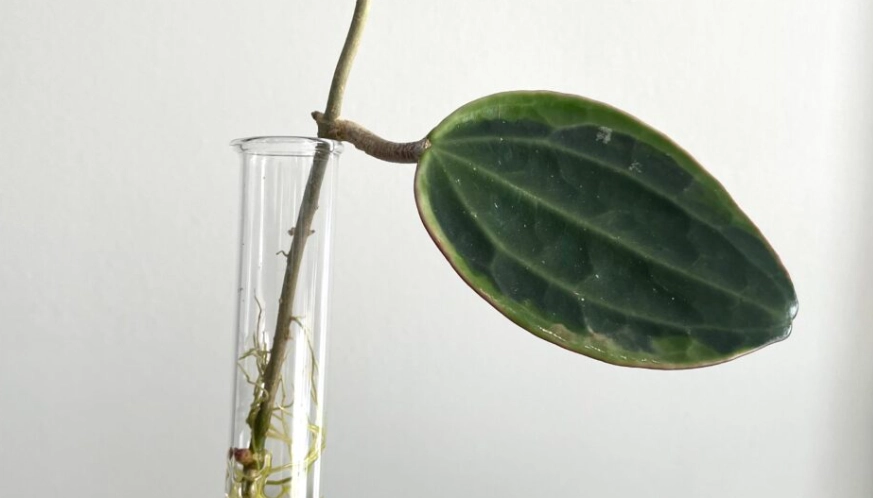
Getting Started: Tools and Materials You'll Need
Before you cut anything, gather your supplies. You don't need fancy gear—just the right stuff.
- Sharp scissors or pruning shears: Sterilize with rubbing alcohol to prevent disease. Dull blades crush stems, harming the cutting.
- Containers: Small pots with drainage holes, or clear jars for water propagation.
- Potting mix: A well-draining blend is crucial. I use 1 part potting soil, 1 part perlite, and 1 part orchid bark. Avoid heavy soils that retain water.
- Rooting hormone (optional): As I'll explain later, it's often unnecessary for hoyas.
- Humidity dome or plastic bag: To maintain moisture without overwatering.
I learned the hard way: using regular garden soil led to rot. Now, I stick to my custom mix, and failure rates dropped to near zero.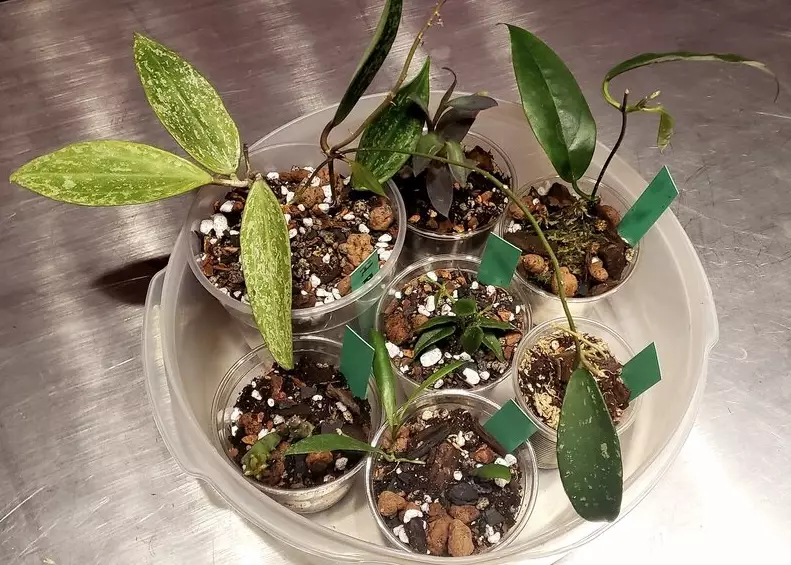
Step-by-Step Propagation Methods
There are three main ways to propagate hoyas: stem cuttings, leaf cuttings, and air layering. Each has its pros and cons.
Stem Cuttings: The Most Reliable Method
This is my go-to for speed and success. Follow these steps:
- Select a healthy stem with at least two nodes (those bumpy spots where leaves grow). Cut 4-6 inches below a node using sterilized shears.
- Remove leaves from the lower node to expose it—this is where roots will form.
- Let the cutting callous over for a few hours. This step is often skipped, but it prevents rot. I leave mine on a paper towel for 4-6 hours.
- Choose your medium: water or soil. For water, place the cutting in a jar so the node is submerged. Change water weekly. For soil, dip the end in rooting hormone if desired (I usually skip it), then plant in moist mix.
- Keep in bright, indirect light. Roots appear in 3-8 weeks.
Case study: My Hoya pubicalyx cutting rooted in water after 5 weeks, but when I transplanted to soil, it wilted. Lesson learned: acclimate slowly by adding soil to the water over a week.
Leaf Cuttings: A Test of Patience
You can propagate from a single leaf, but it's slow. Cut a leaf with a bit of stem attached. Plant it in soil, keeping it barely moist. It might root in months, but new growth can take a year. I tried this with Hoya kerrii—the heart-shaped leaf—and it sat there for 8 months before a tiny shoot emerged. Not for the impatient.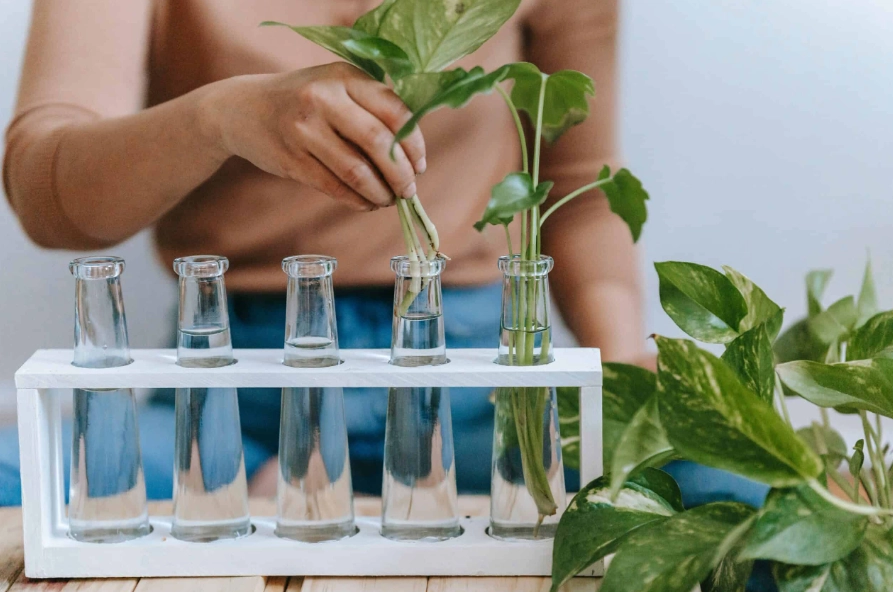
Air Layering: For Larger, Established Plants
If your hoya has long vines, air layering lets you root while attached. Make a small cut in a stem, wrap it with damp sphagnum moss, and cover with plastic. Secure with ties. Roots form in 4-6 weeks, then cut below the roots and pot. This method reduces shock. I used it on a mature Hoya australis, and it thrived immediately after separation.
Aftercare: Ensuring Your Propagations Thrive
Once rooted, don't neglect them. New plants need gentle care.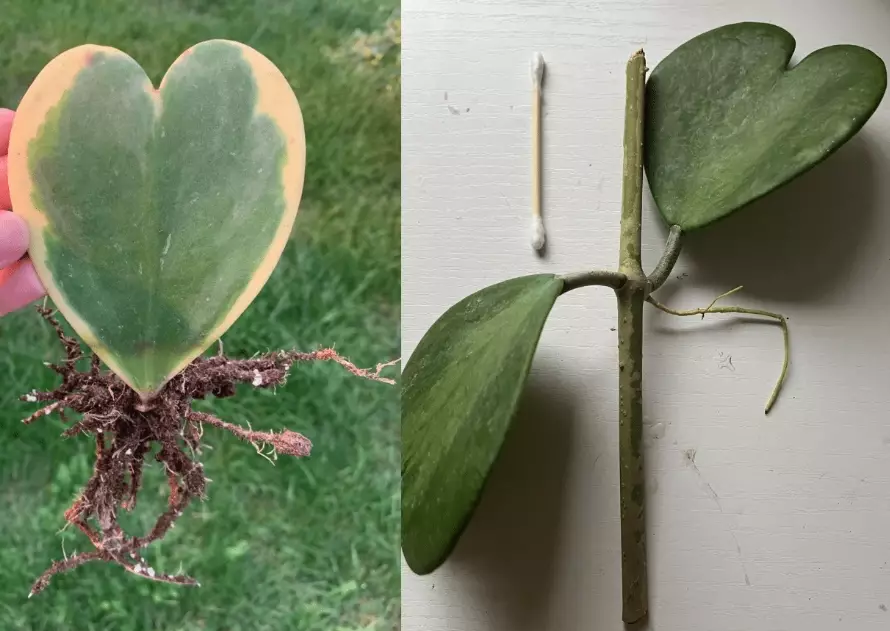
- Light: Bright, indirect light is key. Direct sun can scorch tender growth. East-facing windows work best.
- Watering: Water when the top inch of soil is dry. Overwatering is the top killer. I check with my finger—if it feels damp, I wait.
- Fertilizing: Hold off for the first month. Then, use a diluted balanced fertilizer every 4-6 weeks during growing season.
- Potting up: When roots fill the container, move to a slightly larger pot. Hoyas like being snug, so don't overpot.
I recall a propagation that rooted well but then yellowed. Turned out it needed more humidity—a pebble tray solved it.
Common Hoya Propagation Mistakes (And How to Fix Them)
Everyone makes errors, but catching them early saves plants. Here's a table of common issues:
| Mistake | Why It Happens | How to Fix |
|---|---|---|
| Cutting rots before rooting | Overwatering or poor drainage | Use well-draining mix, water sparingly, ensure callousing |
| No roots after months | Low temperature or light | Move to warmer spot (above 65°F), add grow light |
| Leaves wilt or drop | Transplant shock or low humidity | Mist lightly, cover with plastic dome temporarily |
| Growth stunted after rooting | Nutrient deficiency or small pot | Fertilize mildly, repot if root-bound |
A subtle mistake I've seen: people use tap water for propagation, which can contain chemicals that hinder rooting. Switch to filtered or distilled water—it made a difference for my Hoya obovata cuttings.
Frequently Asked Questions
 Propagating hoyas isn't rocket science, but it demands attention to detail. Start with stem cuttings, keep things dryish, and be patient. Before you know it, you'll have a thriving collection. For more tips, check out resources from the Royal Horticultural Society on plant propagation basics.

Comments