You know that feeling. You bring home a new plant, all fluffy and green, and you’re ready for it to become a statement piece. Maybe it's a foxtail fern (Asparagus densiflorus ‘Meyersii’), with those incredible, arching plumes that look like a fox's tail. You picture it on a bright plant stand, cascading elegantly. But then… reality sets in. The fronds start looking a bit pale. The growth seems slower than you expected. Maybe you even see a few brown tips.
Let’s cut to the chase. The foxtail fern is not a difficult plant. In fact, it’s one of the most forgiving and architecturally interesting ferns you can grow. But it has its quirks. Treat it right, and it rewards you with year-round, lush green texture. Get a few things wrong, and it sulks.
I’ve been growing foxtail ferns for over a decade now, in everything from terracotta pots on sunny patios to shady corners of humid bathrooms. I’ve made every mistake you can think of. I’ve overwatered them until the roots rotted. I’ve underwatered them until they looked like crispy tumbleweeds. I’ve even tried to grow them in what I thought was ‘low light’—a mistake I won’t let you repeat. And through all that, I’ve learned one big lesson: this plant communicates very clearly. You just need to know what to look for.
What You'll Find Inside
- What Exactly Is a Foxtail Fern? (Not a real fern, and not your average plant)
- The Single Most Important Factor: Light
- How to Water a Foxtail Fern Without Killing It
- The Right Soil and Fertilizer: A Simple Recipe
- Temperature, Humidity, and Seasonal Changes
- Pruning, Shaping, and How to Propagate More Plants
- Troubleshooting Common Problems (Yellow Leaves, Brown Tips, Pests)
- Your Foxtail Fern Questions, Answered
What Exactly Is a Foxtail Fern? (And Why Is Everyone Confused?)
First, let's clear up the name. When you search for "foxtail plant," you might end up with two very different things. One is a common ornamental plant, the Asparagus densiflorus ‘Meyersii’, also called the foxtail fern or foxtail asparagus fern. This is the plant we're talking about in this guide. It’s a popular houseplant and landscaping shrub known for its soft, needle-like foliage that forms dense, upright plumes.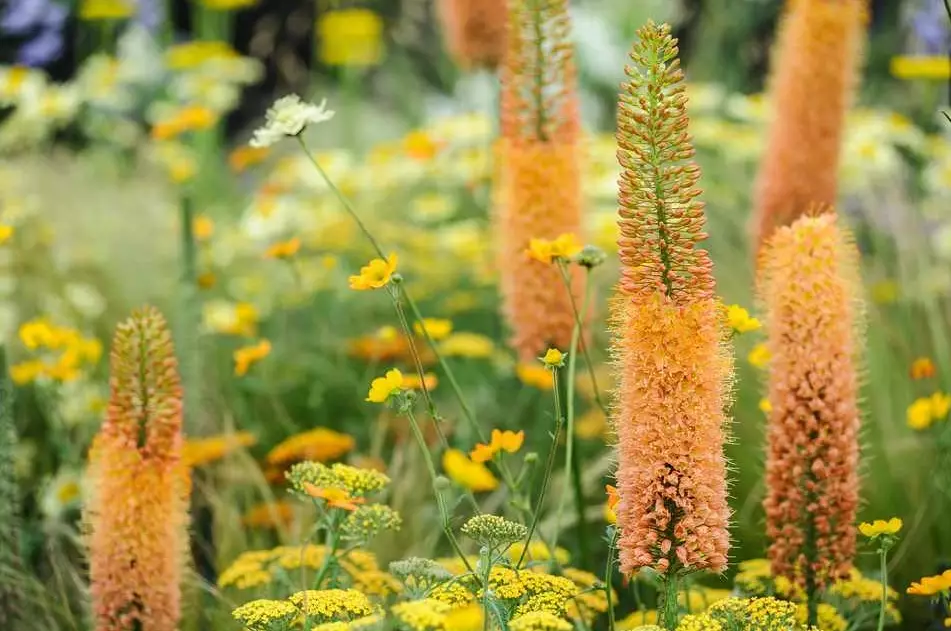
The other result might be a wild grass called foxtail barley (Hordeum jubatum) or other weedy plants with foxtail-like seed heads that are problematic for pets. These are not the same plant. This guide focuses exclusively on the care of the ornamental foxtail fern, Asparagus densiflorus ‘Meyersii’.
This plant is a bit of a botanical oddball. It's not a true fern at all—it's a member of the asparagus family (Asparagaceae). That means it grows from a tuberous root system, not from fibrous roots like many ferns. This is crucial to understanding its care. Those plumes you love? They’re actually modified stems called cladodes. The true leaves are the tiny, scale-like structures you sometimes see at the base of the cladodes.
Why does this matter? Because this growth habit gives the foxtail fern some unique advantages and specific needs. It’s incredibly drought-tolerant once established, thanks to those water-storing tubers. But it also means it hates having its roots constantly wet. More on that in the watering section.
The Single Most Important Factor: Light
Let’s talk about light. This is where I see most new foxtail fern owners stumble, and it’s a mistake that’s rarely mentioned in basic care guides. Everyone says “bright, indirect light,” and they’re right. But there’s a nuance.
Your foxtail fern will survive in lower light. It won’t die. But it will become what I call “leggy and lanky.” The stems will elongate, the density of the plumes will decrease, and the beautiful, arching structure will start to look… stretched. The plant is searching for more light. It’s sacrificing its form for survival.
On the other end of the spectrum, too much direct, hot sun (think afternoon sun in a south-facing window) will scorch the tips of the cladodes. They’ll turn a pale, crispy brown. It’s not a disease; it’s a sunburn.
So what’s the sweet spot? I’ve found that these plants truly thrive when they receive a solid 4-6 hours of bright, indirect light daily. An east-facing window is often perfect. A spot a few feet back from a south or west-facing window with a sheer curtain also works beautifully. If you only have a north-facing window, you can still grow a foxtail fern, but manage your expectations. Growth will be slower, and the plant will be less full.
Here’s a quick reference table based on my own experiments:
| Light Condition | What Happens to Your Foxtail Fern | My Personal Verdict |
|---|---|---|
| Deep Shade (e.g., far corner of a room) | Extremely slow growth, very loose and open form, stems may flop over seeking light. High risk of looking unhappy. | Avoid. It’s a struggle for the plant. |
| Low Light (e.g., a north window) | Survives, but grows slowly. Stems are longer and more spaced out, the plant looks less dense and more ‘open’. It’s not dying, but it’s not thriving either. | Acceptable, but not ideal. You’re basically keeping it alive, not encouraging new growth. |
| Bright, Indirect Light (The Sweet Spot) | Vibrant, dense green color. Compact, bushy, and upright growth. New plumes emerge regularly and healthily. | Perfect. This is where you want it. |
| Some Direct Morning Sun (e.g., an east window) | Excellent. Often enhances growth and color without burning. Many of my best plants get this treatment. | Highly Recommended. Often produces the most robust growth. |
| Hot, Direct Afternoon Sun (e.g., a south or west window without a filter) | Cladodes scorch, turn brown and crispy. Plant looks stressed and may drop leaves. Soil dries out far too quickly. | Danger Zone. Move it back or filter the light immediately. |
The takeaway? Don’t be afraid to give it a bit of morning sun. Just protect it from the harsh afternoon rays.
How to Water a Foxtail Fern Without Killing It
Watering is the second most common pitfall, and it’s almost always overwatering. Remember those tuberous roots I mentioned? They store water. This plant is built for periods of dryness.
Here’s my golden rule, born from killing one too many plants: Stick your finger in the soil. Not just the top inch. Go down about two inches. If it feels even slightly damp, walk away. Do not water. When the top two inches feel completely dry to the touch, then it’s time to give it a thorough, deep watering until water runs out of the drainage holes. Then, walk away again. Let it drain completely, and never let it sit in a saucer of water.
The frequency of this “finger test” will change dramatically with the seasons and your home’s environment. In a warm, dry room with lots of light, you might be watering every 7-10 days in summer. In a cooler, humid environment in winter, that might stretch to 14-21 days. This is why a schedule is the enemy of this plant. You must learn to read its needs.
A common mistake I see is people watering on a schedule (e.g., every Saturday) regardless of the soil’s moisture level. This is a recipe for root rot. Instead, try this: when you do water, take the plant to the sink or shower and water it thoroughly. Let the pot drain completely before returning it to its decorative cover or saucer. This ensures the entire root ball gets hydrated and flushes out any built-up salts from fertilizer.
Signs You're Overwatering (And It's Probably Too Late)
How do you know you’ve overwatered? The classic sign is yellowing leaves, starting from the lower, older fronds. But here’s a subtlety most guides miss: the yellowing often has a soft, almost translucent quality, and the stems near the soil might feel soft or mushy. If you pull the plant out of the pot (and you should, for a health check every few months), the tubers themselves might look brown and squishy. At that stage, it’s an uphill battle to save the plant. Prevention is key.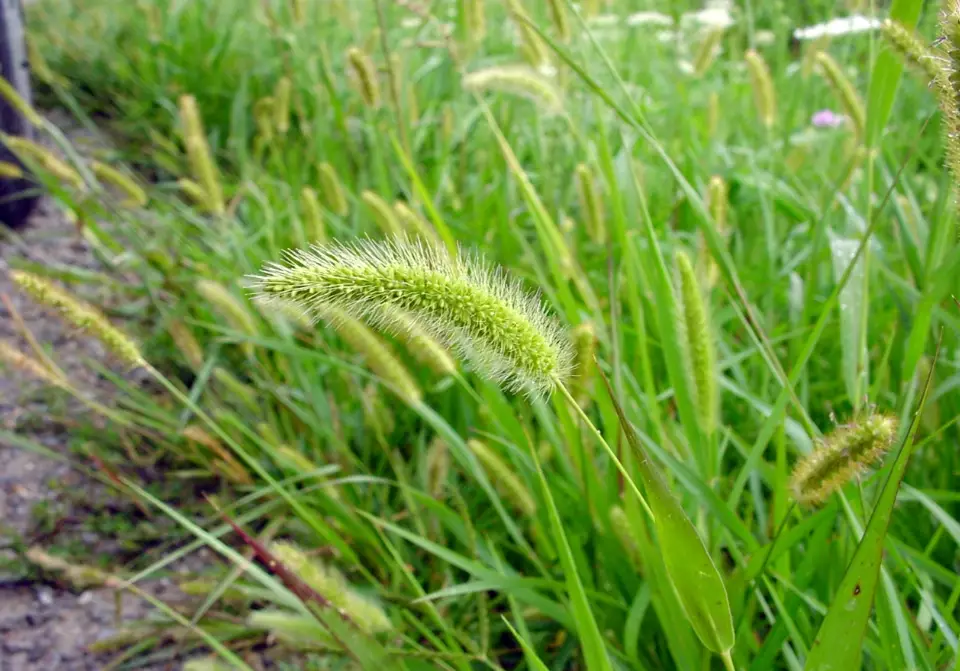
Signs of Underwatering (Much Easier to Fix)
Underwatering, on the other hand, is very fixable. The plant will conserve resources. The cladodes (the ‘needles’) will start to look dull and lose their luster. They may curl slightly at the edges. The soil will be bone dry. The plant is telling you it’s thirsty. When you water it thoroughly, it will perk back up within a day or so. The key with underwatering is to catch it early. If the plant has been severely underwatered for a long time, some of the older cladodes may not recover and will turn brown and crispy. These can be trimmed off. The plant itself is resilient and will bounce back with consistent care.
The Right Soil and Fertilizer: A Simple Recipe
Let’s talk about what goes under your plant. Soil is not just dirt; it’s the plant’s home, its pantry, and its plumbing system all in one. For a foxtail fern, you want a mix that drains exceptionally well but still retains some moisture. Why? Because those tuberous roots I keep mentioning? They hate being waterlogged. Soggy soil is a death sentence.
My go-to mix for years has been:
- 50% high-quality potting mix (I like ones with coir or peat moss as a base).
- 30% perlite or pumice for aeration and drainage. This is non-negotiable in my book.
- 20% orchid bark or coarse sand to further improve drainage and mimic the well-draining conditions it enjoys in its native habitat.
You can use a pre-made succulent and cactus mix, which often has a similar structure. Just avoid anything labeled as “moisture control” or “water-retentive.”
Now, fertilizer. This is another area where I see well-meaning plant owners overcomplicate things. The foxtail fern is not a heavy feeder. In fact, over-fertilizing will do more harm than good, causing salt buildup and root burn.
I fertilize mine only during the active growing season (spring and summer), and I use a balanced, water-soluble fertilizer (like a 10-10-10 or 20-20-20) at half the recommended strength on the bottle. I do this once a month at most. During fall and winter, I stop fertilizing completely. The plant is resting, and it doesn’t need the extra nutrients.
A common misconception is that you need a special “fern” fertilizer. You don’t. Any balanced houseplant fertilizer works perfectly well. The key is dilution and frequency, not the type of fertilizer.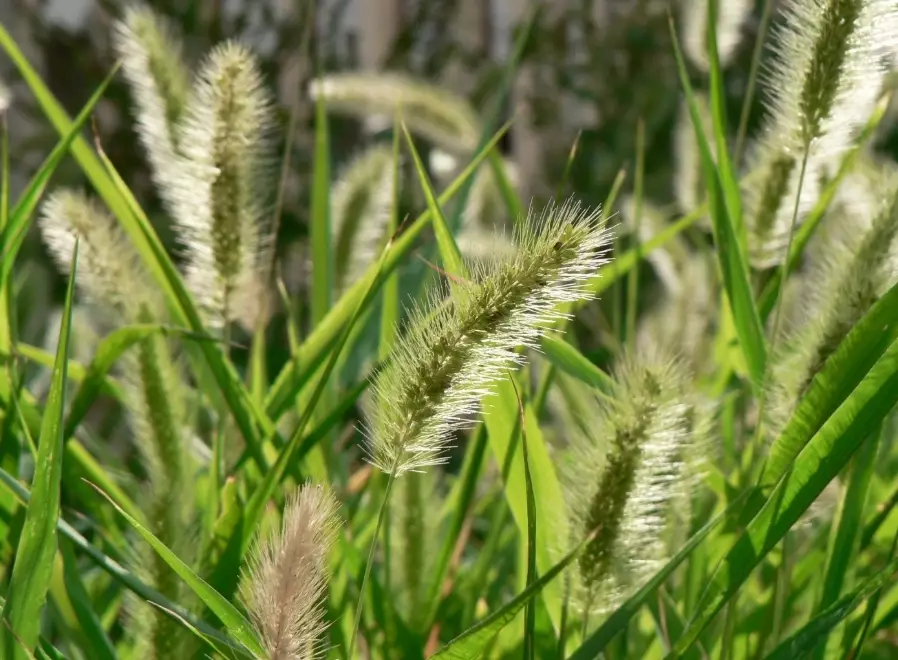
Temperature, Humidity, and Seasonal Changes
This plant is more adaptable than you might think. It originates from South Africa, which gives us clues about its preferences. It likes warmth. I keep mine in temperatures between 65°F (18°C) and 80°F (27°C) during the day, and they tolerate a drop to around 60°F (16°C) at night. They’ve even handled the occasional dip into the 50s°F (10-15°C) in my cooler rooms without complaint.
What they don’t like are cold drafts. Keep them away from drafty windows or air conditioning vents in winter.
Humidity is where I see a lot of confusion. Yes, it’s a plant that enjoys higher humidity. In its native environment, it would experience it. But here’s the secret: it’s not a tropical fern that will instantly crisp up and die in your average home’s humidity. I’ve grown them successfully in rooms with humidity as low as 30-40%. They don’t love it, but they tolerate it. The tips of the cladodes might brown a bit more quickly in dry air, but it’s usually a cosmetic issue, not a fatal one. If you’re concerned about crispy tips, you can try grouping plants together, using a pebble tray with water, or occasionally misting the foliage. But honestly, I find misting to be of minimal long-term benefit unless you’re doing it multiple times a day, which isn’t practical for most people.
What About Dormancy?
This is a crucial point that most beginner guides miss, and it’s the reason many people think they’ve killed their plant over winter. The foxtail fern has a dormant period. In cooler climates with shorter days and lower light levels (or if you keep it in a consistently cool room), it will naturally slow or stop its top growth. It’s not dead. It’s resting. The energy is going into the root system (those tubers) below the soil.
During this time, your watering should slow down dramatically. Let the soil dry out almost completely between waterings. You might only be watering once every 3-4 weeks, or even longer. Do not fertilize during dormancy. The plant is not actively growing and cannot use the nutrients, which will lead to salt buildup in the soil.
Signs it’s entering dormancy include: slower growth (or no new plumes emerging), older cladodes turning yellow and dropping (this is natural senescence—don’t panic), and an overall less thirsty appearance. When spring returns with more light and warmer temperatures, you’ll see new growth emerge from the base or from the existing plumes.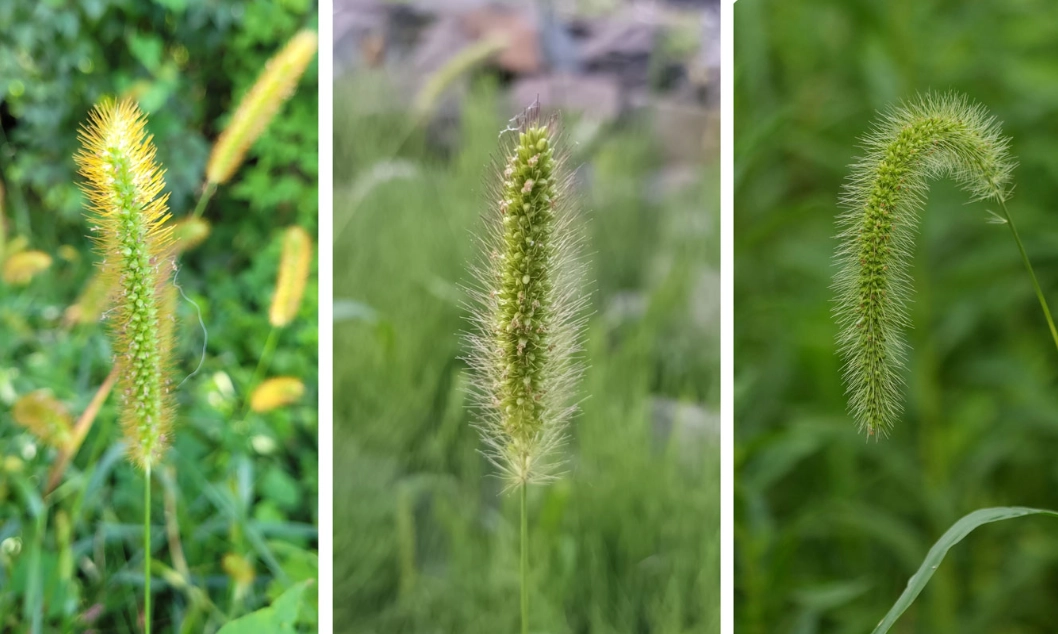
Pruning, Shaping, and How to Propagate More Plants
One of the joys of the foxtail fern is that it requires very little pruning to look good. It naturally forms a tidy, upright clump. However, there are a few reasons you might want to reach for the pruners:
- To remove dead or damaged growth. This is purely for aesthetics and plant health. Use clean, sharp scissors or pruning shears and cut the stem back to its base.
- To control the size or shape. If your plant outgrows its space, you can certainly prune it back. The best time to do this is in early spring, just as new growth is starting. You can be quite aggressive if needed; it will bounce back.
- To encourage bushier growth. This is a bit of a myth with this plant. Pruning the tips of a stem will not cause it to branch out from that point like a shrub. New growth will emerge from the base of the plant or from the underground tubers. Pruning is mainly for size control, not for creating a bushier plant.
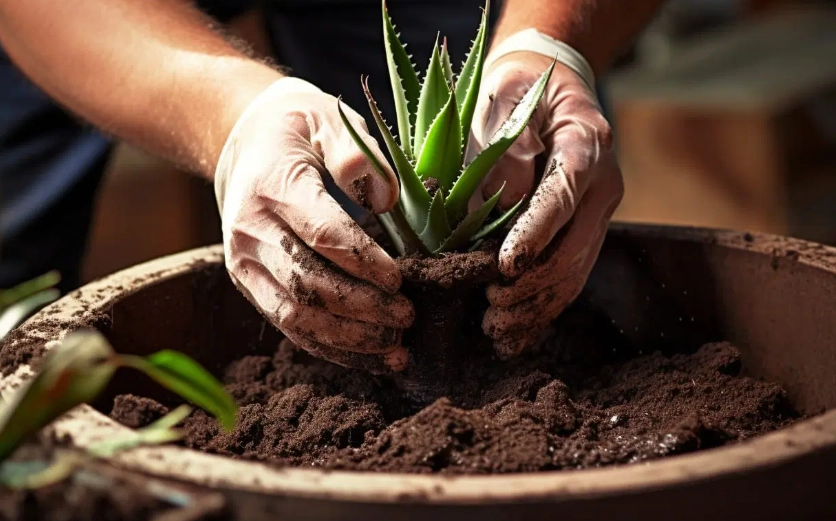
The real fun, in my opinion, is propagation. Why buy more plants when you can create them yourself? The foxtail fern is incredibly easy to propagate by division, which is my preferred method. Here’s how I do it, usually in spring when I’m repotting:
- Water the plant thoroughly the day before you plan to divide it. This makes the roots more flexible and less prone to breakage.
- Gently remove the entire plant from its pot.
- Inspect the root mass. You’ll see the network of tubers and roots.
- Using your hands or a clean, sharp knife, you can pull or cut the plant into sections. Each section should have a good amount of roots and at least one or two healthy tubers attached.
- Pot each new division into a suitably sized pot with fresh, well-draining potting mix.
- Water them in well and place them in bright, indirect light. Keep the soil slightly moist (but not soggy) for the first few weeks as they establish.
You can also try propagating from stem cuttings, though I find it less reliable than division. If you want to experiment, take a 4-6 inch cutting from a healthy stem, remove the lower cladodes, and place it in water or a moist potting mix. Roots may form in a few weeks, but be patient.
Troubleshooting Common Problems (Yellow Leaves, Brown Tips, Pests)
Even with the best care, things can sometimes go a bit sideways. Here’s a quick diagnostic guide based on the most common issues I see:
| Symptom | Likely Cause | How to Fix It |
|---|---|---|
| Widespread yellowing leaves, starting from the bottom | Overwatering / poor drainage. Check for soggy soil and possible root rot. | Stop watering immediately. Let soil dry out completely. Check for root rot (brown, mushy roots). If present, remove affected roots, repot in fresh, dry soil, and water very sparingly until new growth appears. |
| Brown, crispy tips on the cladodes | Underwatering, low humidity, or too much direct sun (scorch). | Check soil moisture. If dry, water thoroughly. If humidity is low, try grouping plants or using a humidifier. Move away from direct sun. |
| Leaves turning pale green or yellow (but not from the bottom up) | Often a sign of too much light (bleaching) or, conversely, insufficient light (paling). Can also indicate a nutrient deficiency. | Adjust light levels. If in strong light, move to a shadier spot. If in low light, move to a brighter spot. Consider a light feeding with diluted fertilizer if it’s been over 6 months. |
| Leggy, stretched-out growth with large gaps between cladodes | Insufficient light. The plant is etiolating (reaching for light). | Move to a brighter location with more indirect light. |
| No new growth for several months | Likely dormant due to season (winter) or environmental conditions (cool temperatures, lower light). | Be patient. Ensure it’s not in a cold draft and reduce watering. Growth will resume when conditions improve. |
| Sticky residue or webbing on the plant | Pests: likely scale insects (sticky residue) or spider mites (webbing in dry conditions). | Isolate the plant. Wipe leaves with a damp cloth. Treat with insecticidal soap or neem oil, following product instructions. |
Pests are thankfully rare on a healthy foxtail fern. The most common ones I’ve encountered are mealybugs, which look like little bits of white cotton fluff, usually in the leaf axils or on the stems. They can be dabbed off with a cotton swab dipped in rubbing alcohol. For larger infestations, an insecticidal soap spray usually does the trick.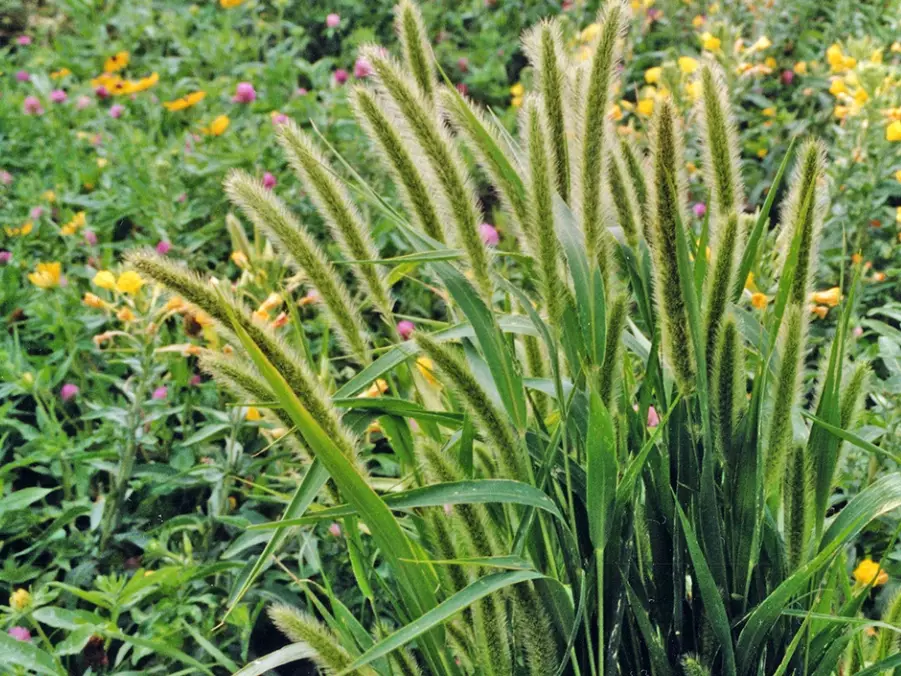
Your Foxtail Fern Questions, Answered
I get a lot of questions about these plants. Here are the ones that come up most often, answered from my own, sometimes hard-won, experience.

Comments