Your Propagation Journey at a Glance
- Why Propagate Your Rubber Plant Anyway?
- The Big Three: Your Rubber Plant Propagation Methods
- Gathering Your Propagation Toolkit
- The Step-by-Step: From Cutting to New Plant
- Why Did My Rubber Plant Propagation Fail?
- Your Rubber Plant Propagation Questions, Answered
- Caring for Your Brand New Rubber Plant
Let's be honest. You saw that gorgeous, glossy-leaved rubber plant (Ficus elastica) at your friend's house or maybe on some trendy interior design blog, and you wanted one. Then you saw the price tag for a decent-sized one at the nursery. Ouch. That's probably what led you here, searching for rubber plant propagation methods. Good news: you can create an entire jungle from a single plant, and it's not some secret gardening magic. It's straightforward, satisfying, and saves you a ton of money.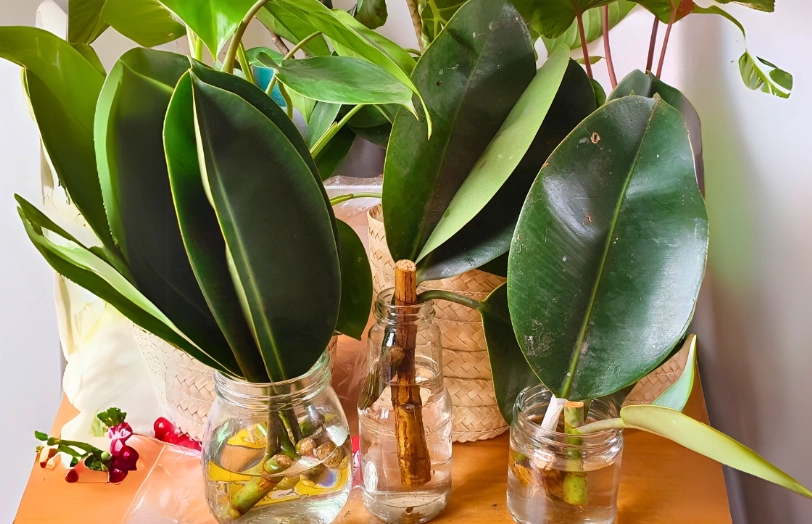
I've been there. My first attempt was a disaster. I snipped a random leaf, plopped it in water, and waited... and waited. Nothing but a sad, rotting stem. Turns out, there's a right way and many wrong ways. After killing a few cuttings (we all have our plant casualties), I figured it out. Now, propagating rubber plants is one of my favorite plant chores. This guide is everything I wish I'd known, packed with clear steps, honest talk about what can go wrong, and answers to all those little questions that pop up.
Why Propagate Your Rubber Plant Anyway?
Beyond saving money, there are some solid reasons to learn how to propagate a rubber plant. Maybe your original plant is getting too tall and leggy. Propagation lets you chop it back (which encourages bushier growth on the mother plant) and root the top part. Free plant! It's also a fantastic way to share the love with friends and family. A propagated cutting makes a thoughtful, personal gift. Or perhaps you just want the satisfaction of creating new life from a plant you've nurtured. It never gets old.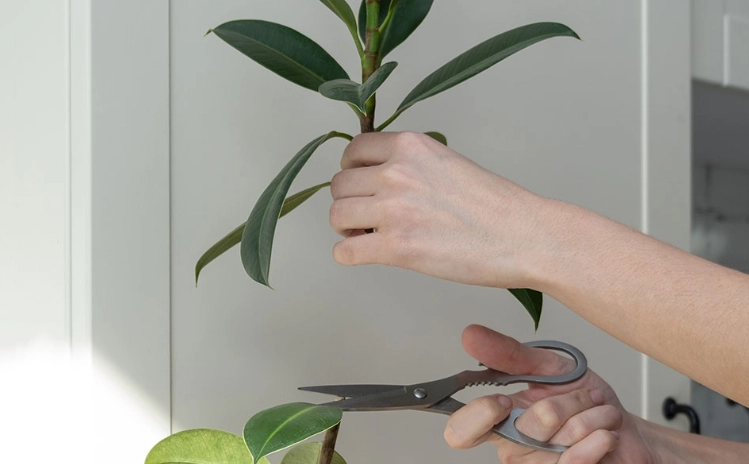
The Big Three: Your Rubber Plant Propagation Methods
You'll mainly hear about three techniques. Each has its fans and its best-use scenarios. I've tried them all, and I'll give you my personal take on their pros and cons.
| Method | Best For | Success Rate (My Experience) | Time to Visible Roots | Effort Level |
|---|---|---|---|---|
| Water Propagation | Beginners, visual learners, small stem cuttings. | High | 3-6 weeks | Low |
| Soil Propagation | Those who hate transplanting, larger cuttings. | Medium-High | 4-8 weeks (can't see them) | Medium |
| Air Layering | Large, mature plants, guaranteeing success before cutting. | Very High | Roots form on the plant in 2-3 months | High |
Method 1: Water Propagation (The Crowd Favorite)
This is where most people start, including me. It's simple: you put the cutting in water, wait for roots, then plant it. The biggest perk? You get to watch the roots grow. It's incredibly rewarding and lets you monitor progress. If something's going wrong (like rot), you see it early.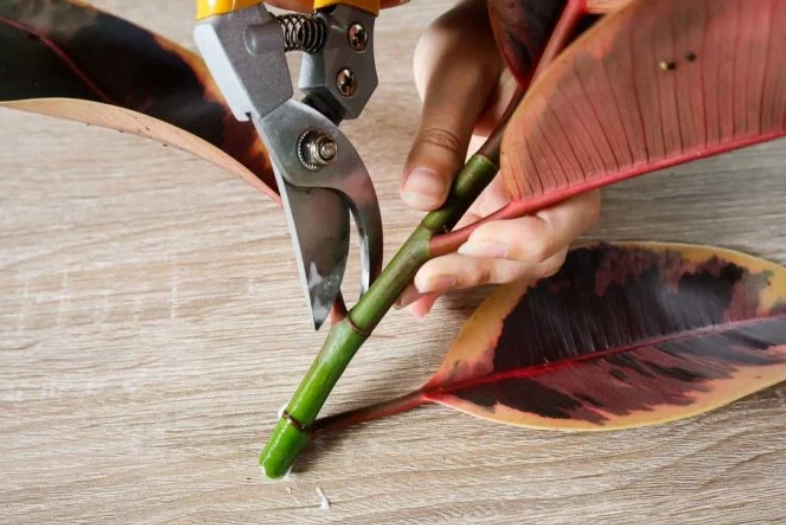
But it's not perfect. The transition from water roots to soil roots can be tricky. Some plants get "water shock" when moved to soil. The roots they grow in water are different—more fragile—than soil roots. You have to be gentle during the switch.
Method 2: Soil Propagation (Direct and Simple)
This method skips the middleman. You plant the cutting directly into a potting mix. The advantage is there's no stressful transition phase later. The roots that form are soil roots from day one, so the plant establishes faster in the long run. It's also less maintenance—no changing water weekly.
The downside is the "black box" effect. You're planting it and basically hoping for the best. You can't see if roots are forming or if rot is setting in until you gently tug on the stem (which you shouldn't do often). It requires more faith and careful control of moisture. Too wet, and the stem rots. Too dry, and it never roots.
The key here is the soil mix.
Don't use heavy, moisture-retentive garden soil. You need a loose, airy, well-draining mix. A great combo is equal parts regular potting soil, perlite, and orchid bark or coarse coconut coir. This provides structure, aeration, and just enough moisture.
Method 3: Air Layering (The High-Success Magic Trick)
This sounds fancy but is surprisingly logical. Instead of cutting first and hoping for roots, you encourage the stem to grow roots while it's still attached to the mother plant. Once the roots are established, you cut it off. It's like the plant is giving you a guaranteed-success cutting.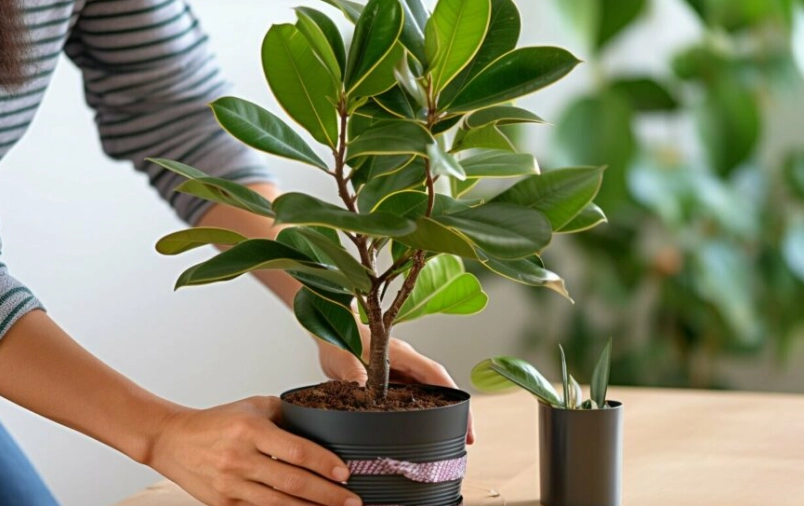
It's the best method for propagating a very tall rubber plant where you only want to remove the top section. The mother plant continues to get nutrients from the rooted section until it's severed. The success rate is near 100% if done correctly.
The downside? It takes the longest and is the most hands-on to set up. You need sphagnum moss, plastic wrap, and string or tape. It looks a bit odd for a few months—your plant will have a bulging, wrapped section on its stem.
Gathering Your Propagation Toolkit
You don't need a lot, but having the right stuff makes a difference.
- Sharp, Clean Scissors or Pruners: This is non-negotiable. Dull tools crush the stem, creating a wound that's hard to heal and prone to rot. Clean them with rubbing alcohol to prevent spreading disease. I use a dedicated pair of floral snips.
- Rooting Hormone (Optional but Helpful): This powder or gel contains growth hormones that encourage root formation and can protect against fungal infection. It's not strictly necessary for rubber plants (they root fairly easily), but it can speed things up and boost confidence. I use it for soil propagation more than water.
- Containers: For water, a clear glass or jar lets you see roots. For soil, a small pot (4-6 inches) with drainage holes is crucial. No drainage = a swamp = a dead cutting.
- The Right Medium: Fresh water (tap water left out for 24 hours is fine to let chlorine evaporate). Or, your well-draining soil mix as described above.
- Optional Extras: A clear plastic bag or propagator lid to create humidity for soil cuttings. Chopsticks or pencils to support the cutting in soil.
The Step-by-Step: From Cutting to New Plant
Let's walk through the most common path: taking a stem cutting for water or soil propagation.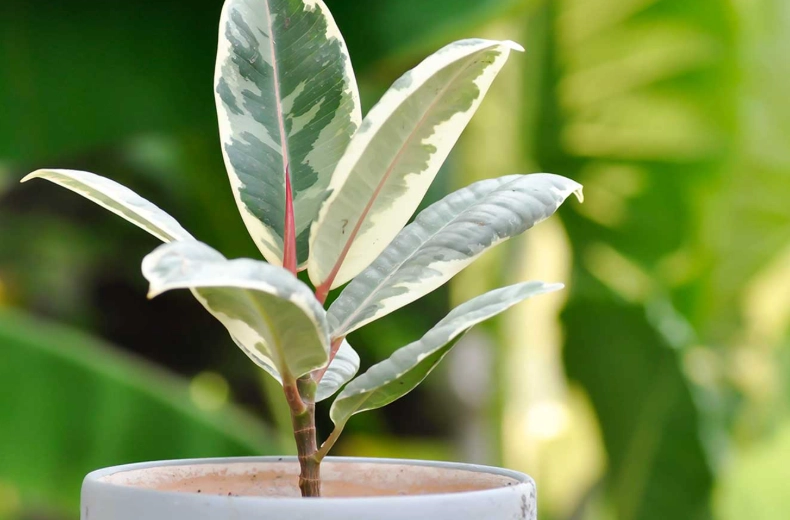
Step 1: The Perfect Cut
This is the most important step. Don't just snip anywhere.
- Identify a Node: Look for a spot on the stem where a leaf is (or was) attached. You'll see a little bump or ring. This node is packed with cells that can turn into roots. Your cutting must include at least one node. A leaf alone, without a node, will look pretty in water but will never grow roots or a new plant. This was my first mistake!
- Make the Cut: Using your clean tools, cut about a quarter-inch below the node. You want the node to be on the cutting, not left on the mother plant. Your cutting can be 4-8 inches long, with 1-3 leaves.
Step 2: Prepping the Cutting
Once cut, you'll see a white, milky sap ooze out. This latex sap can irritate skin (wash your hands!) and can clog the cut end, hindering water uptake.
If your cutting has large leaves, you can cut the top half of each leaf off. This sounds brutal, but it reduces water loss through transpiration while the cutting has no roots to take up water. I often do this for soil propagation, less so for water.
Step 3: Rooting It (Water vs. Soil)
For Water: Place the calloused cutting in your jar so the node is submerged, but no leaves are under water. Leaves in water rot. Place in bright, indirect light. Change the water once a week to keep it fresh and oxygenated. Top it off if it evaporates. Be patient. You might see little white nubs (root initials) in a few weeks.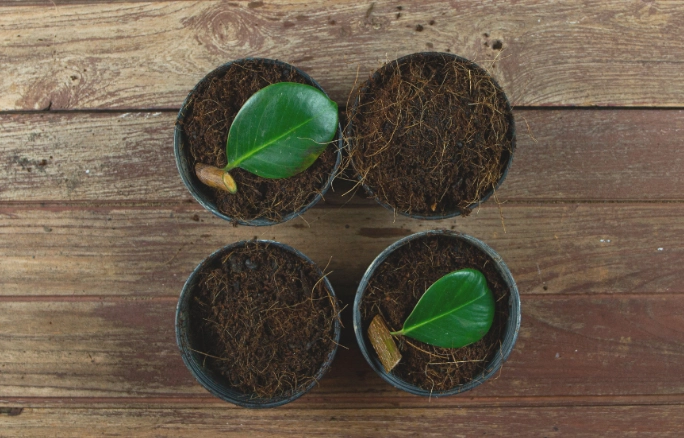
For Soil: Dip the calloused end in rooting hormone (tap off excess). Make a small hole in your pre-moistened soil mix with a pencil. Insert the cutting, ensuring the node is buried. Firm the soil gently around it. Water lightly to settle. You can cover the pot with a clear plastic bag (use chopsticks to keep it off the leaves) to create a mini-greenhouse for humidity. Place in bright, indirect light. Keep the soil slightly moist, not soggy. Never let it dry out completely.
Step 4: The Waiting Game & Aftercare
This is the hardest part. For water propagation, wait until the roots are a couple of inches long—nice and sturdy, not just tiny threads. This takes a month or more.
Then comes the tricky transplant.
Plant it in a small pot with well-draining soil. For the first week or two, keep the soil more moist than usual to help the water roots adapt. Then gradually treat it like a normal rubber plant.
For soil propagation, you'll know it's worked when you see new leaf growth. A gentle, very slight tug might meet resistance after 6-8 weeks. Once it's pushing new leaves, you can remove any humidity cover and care for it normally.
Why Did My Rubber Plant Propagation Fail?
Let's troubleshoot. It happens to everyone.
- Rotting Stem (Mushy, Brown/Black): The #1 killer. Caused by: 1) Not letting the cut callous, 2) Keeping soil too wet, 3) Leaves submerged in water, 4) Using unclean tools. If rot starts in water, cut above the rot, re-callous, and restart. In soil, it's usually a lost cause.
- No Roots After Months: The cutting might look okay but does nothing. Possible causes: Not enough light (bright indirect light is fuel for root growth), temperature too cold (aim for 65-75°F), or the cutting was taken from a dormant or unhealthy plant.
- Leaves Dropping or Wilting: Some leaf loss is normal as the cutting redirects energy to roots. Severe wilting means it's losing water faster than it can take it up. Increase humidity (bag tent), make sure it's not in direct sun, and ensure the stem/soil isn't too dry.
Your Rubber Plant Propagation Questions, Answered
These are the real questions people have once they get past the basics.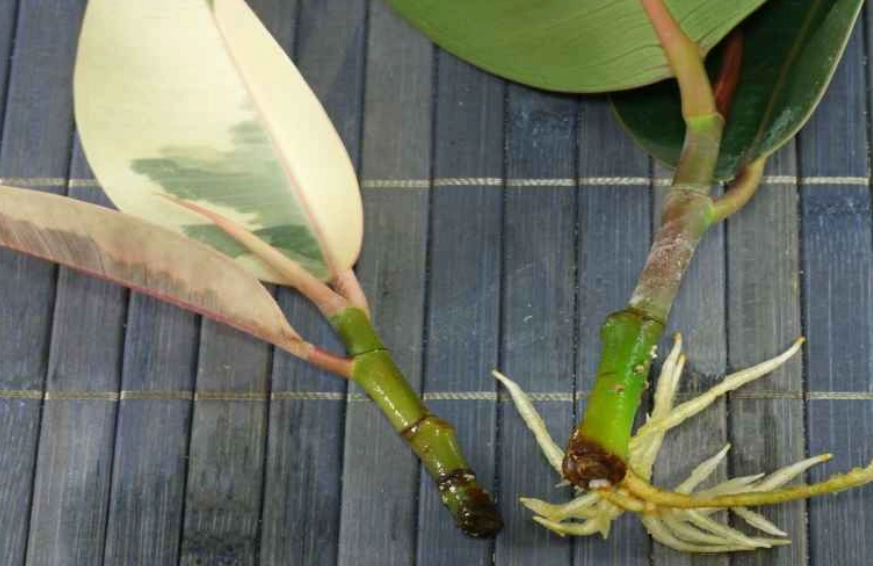
Caring for Your Brand New Rubber Plant
Once rooted and potted, treat it like any young rubber plant.
- Light: Bright, indirect light is king. An east-facing window is perfect. A few feet back from a south or west window works too. Direct hot sun can scorch the tender new leaves.
- Watering: This is where most people kill mature plants, too. Water thoroughly when the top 1-2 inches of soil feel dry. Let excess water drain away completely. Never let it sit in a saucer of water. In winter, water less.
- Soil & Pot: Use that well-draining mix we talked about. Repot only when the roots have filled the current pot—maybe once a year or two for a young plant.
- Humidity: Rubber plants appreciate average to high humidity but tolerate average home levels. If your air is very dry, a pebble tray or occasional misting can help, but don't rely on misting alone.
- Fertilizer: Go easy. A balanced, diluted liquid fertilizer once a month during spring and summer is plenty. Don't fertilize a newly potted cutting for at least 3-4 months, and never in fall/winter.
The journey of rubber plant propagation is a mix of simple science and a bit of patience. Don't be afraid to try. Even if a cutting fails, you learn something for next time. Start with a simple water propagation of a small side shoot. The day you see those first tiny white roots poking out, you'll be hooked. Before you know it, you'll have more rubber plants than you know what to do with—and that's a wonderful problem to have.


Comments