In This Guide
- Why Regular Potting Soil is a Monstera's Worst Enemy
- Breaking Down the Perfect Monstera Soil Recipe
- My Go-To Monstera Soil Mix Recipes (Tested and Proven)
- Signs Your Current Monstera Soil is Failing
- Step-by-Step: Repotting Your Monstera with the New Soil
- Advanced Topics: pH, Fertilizing, and Long-Term Soil Health
- Common Monstera Soil Questions Answered
- Wrapping It Up: The Simple Truth
Let's talk about dirt. Not just any dirt, but the specific, magical blend that makes your Monstera deliciosa throw out those huge, split leaves we all love. I've killed my share of plants by getting the soil wrong—it's a rite of passage, I think. But after years of trial and error (and some tears over a gorgeous Swiss Cheese Vine that turned to mush), I've figured out what actually works.
Getting the monstera soil right isn't about buying the most expensive bag at the garden center. It's about understanding what's happening down there in the pot. Think of it as the plant's house, kitchen, and plumbing system all rolled into one. Mess that up, and nothing else you do matters.
The core idea? Monsteras are tropical climbers. In the wild, their roots are used to grabbing onto trees, getting soaked by rain, and then drying out quickly in the air. They absolutely hate having wet feet for days on end. That's the single biggest clue to cracking the code for the perfect monstera potting mix.
Why Regular Potting Soil is a Monstera's Worst Enemy
Here's the first major mistake almost everyone makes. You buy a beautiful Monstera, it comes in a decent-looking pot, and you think, "I'll just repot it into this all-purpose potting mix I have." Bad move. I've done it. The plant sulked for months.
Standard potting soil is designed to retain moisture for a wide variety of plants. It's often too fine and dense. For a Monstera, that dense soil acts like a wet sponge wrapped around its roots. Oxygen can't get in, the roots start to suffocate, and then rot sets in. It's a slow, sad decline. You'll see yellowing leaves, stunted growth, and a general look of unhappiness.
The goal for your monstera soil is the opposite of dense. We want it chunky, airy, and fast-draining.
Breaking Down the Perfect Monstera Soil Recipe
You can buy a pre-mixed aroid mix, and some are pretty good. But making your own gives you control. It's like baking bread versus buying it. Let's look at what each ingredient does.
The Non-Negotiable Base: Aeration and Drainage
This is the backbone of your mix. These components create the air pockets.
- Orchid Bark (Pine Bark Fines): My absolute favorite. Chunky, doesn't break down quickly, creates perfect air gaps. It mimics the tree bark they cling to in nature.
- Perlite: Those little white puff balls. Super light, improves drainage dramatically. It's inert, so it doesn't affect soil pH. Essential for preventing compaction.
- Horticultural Charcoal: Not the stuff for your BBQ! This is a game-changer. It absorbs impurities and toxins, helps keep the soil "sweet," and improves porosity. I never skip it now.
- Coco Chips: A sustainable alternative to bark. They hold a bit of moisture but remain very airy. Great for adding structure.
I made the mistake once of using fine, dusty charcoal meant for filtering. Don't do that. It made a mess and turned the whole mix black and sludgy. Look for coarse, hard horticultural charcoal pieces.
The Support Crew: Moisture and Nutrients
These hold onto water and food, but in a balanced way.
- Coco Coir or Peat Moss: This is your moisture-retaining component. I lean towards coco coir because it's more sustainable, rewets easier when it dries out completely, and has a neutral pH. Peat moss can become hydrophobic if it dries out. Both work, but you need less of this than you think.
- Worm Castings: This is your gentle, slow-release fertilizer. It doesn't burn roots and adds beneficial microbes to the soil ecosystem. Think of it as a probiotic for your plant's roots.
My Go-To Monstera Soil Mix Recipes (Tested and Proven)
Alright, let's get practical. Here are a few recipes, from the simple "cheater's mix" to the premium "gourmet blend." I've used all of these with great success.
The Simple Starter Mix (The "I Don't Have Fancy Stuff" Mix)
This is perfect for your first repot or if you're on a budget. You can find these ingredients at any decent garden center.
- 40% All-Purpose Potting Soil: Yes, we just criticized it, but we're diluting it heavily.
- 30% Orchid Bark: To chonk it up.
- 20% Perlite: For the drainage boost.
- 10% Worm Castings: For a nutrient kick.
Mix it all up in a big tub. It's far better than plain potting soil and will keep your Monstera happy for a year or two.
The Gold Standard Aroid Mix
This is my daily driver. It's what I use for 90% of my Monsteras (and my Philodendrons and Alocasias too). It's the perfect balance of drainage, moisture retention, and nutrition.
| Ingredient | Percentage | Why It's In There |
|---|---|---|
| Orchid Bark (Medium Grade) | 35% | Provides long-lasting structure and massive air pockets. |
| Coco Coir | 25% | Holds moisture evenly without becoming soggy. |
| Perlite | 20% | Ensures rapid drainage and prevents compaction. |
| Horticultural Charcoal | 10% | Filters impurities and adds extra porosity. |
| Worm Castings | 10% | Feeds the plant and enriches the soil biology. |
The result is a mix that feels light and crumbly in your hands. When you water it, the water runs right through, but you can feel the coir and bark have absorbed some. It's the ideal best soil for monstera growth.
Pro Tip: Always mix your components dry in a large container before you use them. Trying to mix them in the pot with a plant already in it is messy and you won't get an even blend. Ask me how I know.
The Super-Drainage "I Overwater Everything" Mix
If you're a chronic overwaterer, or if your Monstera lives in a low-light, humid spot, this mix is your safety net. It's incredibly fast-draining.
- 40% Orchid Bark
- 25% Perlite or Pumice (pumice is heavier and won't float)
- 20% Coco Chips
- 10% Horticultural Charcoal
- 5% Worm Castings (just a sprinkle)
You'll need to water more frequently with this one, but the risk of root rot plummets. It's a great mix for terracotta pots, which also pull moisture out.
Signs Your Current Monstera Soil is Failing
How do you know if it's time for a change? Your plant will tell you.
Major Red Flags (Time for an Emergency Repot):
- The soil stays wet for more than 10-14 days after a thorough watering. Stick your finger deep in the pot. Soggy = bad.
- Fungus gnats are having a party. Their larvae thrive in constantly moist, organic soil.
- A foul, sour smell is coming from the pot. This is anaerobic bacteria—a sure sign of rot.
- The soil has pulled away from the edges of the pot and looks hard and cracked. This is severe compaction.
Other, subtler signs include slowed growth, smaller new leaves without splits (fenestrations), and a general lack of perkiness even when watered.
Step-by-Step: Repotting Your Monstera with the New Soil
Don't be scared. Repotting is like moving your plant to a better apartment.
- Water your plant a day or two before. This reduces transplant shock and makes the root ball easier to work with.
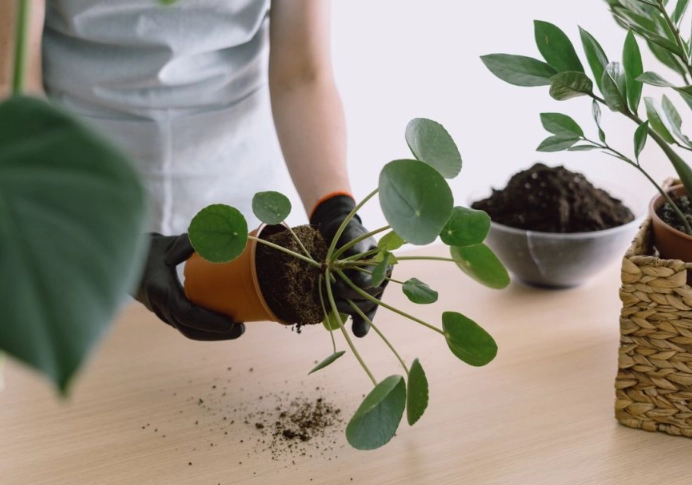
- Gently remove the plant from its old pot. Squeeze the sides, turn it sideways, and coax it out. Don't yank it by the stem!
- Inspect and massage the roots. Shake off the old, spent soil. If the roots are a tight, tangled mat (root-bound), gently tease them apart with your fingers. If you see any black, mushy roots, snip them off with clean scissors.
- Place a layer of your new monstera soil mix in the bottom of the new pot. The pot should only be 1-2 inches larger in diameter than the old one. Too big, and the excess soil stays wet.
- Set your plant in. The top of the root ball should sit about an inch below the pot's rim.
- Fill in around the sides with your mix, tapping the pot to settle it. Don't pack it down hard.
- Water thoroughly until water flows freely from the drainage holes. This helps settle the soil around the roots.
That's it. Put it back in its spot and let it settle in. It might droop a little for a few days—that's normal.
Advanced Topics: pH, Fertilizing, and Long-Term Soil Health
Once you've got the basic mix down, you can geek out on the details.
Soil pH for Monsteras
Monsteras prefer slightly acidic to neutral soil, with a pH between 5.5 and 7.0. Most quality coco coir and bark are in this range. If you're using peat moss, it's more acidic. If you're really curious, you can get a cheap pH test kit. But honestly, with the mixes above, pH is rarely an issue. The University of Florida IFAS Extension notes that many tropical foliage plants, including aroids, thrive in this slightly acidic range, which aids nutrient availability. (You can read more about soil pH for container plants on their comprehensive container gardening guide).
Fertilizing in a Chunky Mix
Because a chunky monstera soil doesn't hold onto nutrients as long, you need to fertilize more regularly but with a lighter hand. I use a balanced, liquid fertilizer (like a 3-1-2 or 5-2-3 NPK ratio) diluted to half-strength every 4-6 weeks during the growing season (spring and summer). In fall and winter, I cut back to once every 8-10 weeks or stop altogether. The worm castings in the mix provide a gentle baseline feed.
I learned the hard way that using full-strength fertilizer in this airy mix can lead to salt buildup and burned root tips. Less is more.
When to Refresh the Soil
Even the best bark breaks down over time. Every 2-3 years, it's a good idea to do a complete soil refresh. You'll notice the mix looks darker, finer, and compacts more easily. That's your cue. Don't wait for the plant to struggle.
Common Monstera Soil Questions Answered
Can I use cactus/succulent soil for my Monstera?
You can, but you'll likely need to amend it. Most cactus mixes are still too fine and mineral-based (with lots of sand) for Monsteras. They drain well but don't provide the chunky aeration the roots love. If it's all you have, mix it 50/50 with orchid bark.
Should I put rocks or gravel at the bottom of the pot for drainage?
No. This is a persistent myth. A layer of rocks at the bottom actually creates a "perched water table"—it raises the level of saturated soil *higher* in the pot, right where the roots are. The Royal Horticultural Society explains this phenomenon well. Drainage comes from the soil structure throughout the entire pot, not a rock layer at the bottom. Just use a pot with holes.
My Monstera soil is growing mold on top. What do I do?
White, fuzzy mold on the surface is usually harmless saprophytic fungus breaking down organic matter. But it's a sign the surface is staying too moist for too long. Scoop off the moldy bit. Let the top few inches of soil dry out more between waterings. Increase air circulation around the plant. You can also top-dress with a thin layer of horticultural sand or more orchid bark to keep the surface drier.
Is it okay to reuse old Monstera soil?
I don't recommend it. The old soil is spent—its structure has broken down, nutrients are used up, and it could harbor pathogens or pest eggs. Start fresh. Your plant will thank you for the upgrade to a new, well-aerated monstera potting mix.
Wrapping It Up: The Simple Truth
At the end of the day, nailing your monstera soil is the single most impactful thing you can do for the plant. More than fancy fertilizers, more than humidifiers. It sets the foundation for everything else.
Start with the Simple Starter Mix if you're new. Play with the ratios as you learn what your plant and your watering habits need. Pay attention to how the soil feels. It should be light, fluffy, and never, ever act like a swamp.
I still look at that first Monstera I lost sometimes. It taught me a tough but valuable lesson. Now, when I see the vigorous growth and huge, fenestrated leaves on my current plants, I know it all started with getting the dirt right. You can do it too.
Got a specific soil problem I didn't cover? Hit me up in the comments below—I love talking shop about this stuff.

Comments