You brought home a cute little succulent. It looked plump and happy at the store. You found a nice pot, added some soil from the backyard, gave it a good drink, and placed it on your sunny windowsill. Fast forward two weeks, and it's either shriveled up like a raisin or turned into a mushy, translucent mess. Sound familiar? Planting succulents seems straightforward, but that first step—getting them into the right home—is where most people silently fail. It's not just about sticking a plant in dirt. It's about creating an environment that mimics the harsh, dry, fast-draining conditions they evolved to love. Let's fix that.
What's Inside?
Picking Your First (or Next) Succulent
Not all succulents are created equal, especially when you're just starting out. Walking into a garden center can be overwhelming. You'll see spiky aloes, rosette-forming echeverias, trailing string-of-pearls, and tall, architectural cacti. The key is to match the plant's needs with your environment and your own habits (be honest with yourself about how often you remember to water).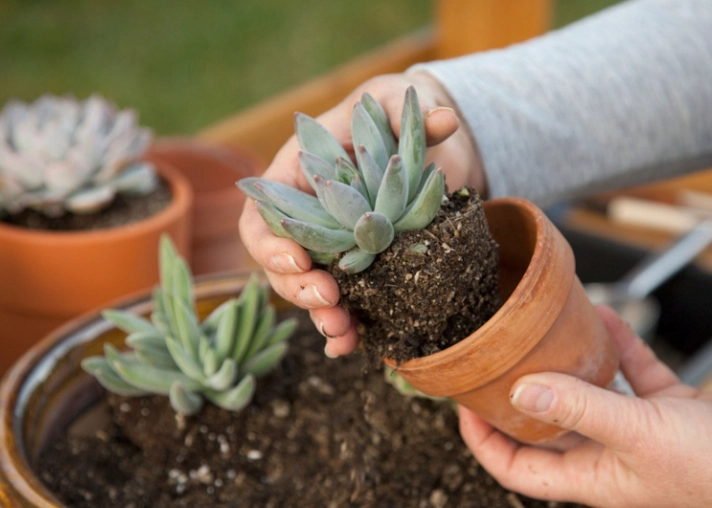
For absolute beginners, I always recommend starting with the "Forgiving Three": Jade Plant (Crassula ovata), Snake Plant (Sansevieria, yes, it's a succulent), and Zebra Haworthia (Haworthiopsis attenuata). These guys tolerate lower light and the occasional overwatering mistake better than most. My first plant was a jade, and I drowned it. But it gave me enough warning signs (dropping leaves) that I had time to save it.
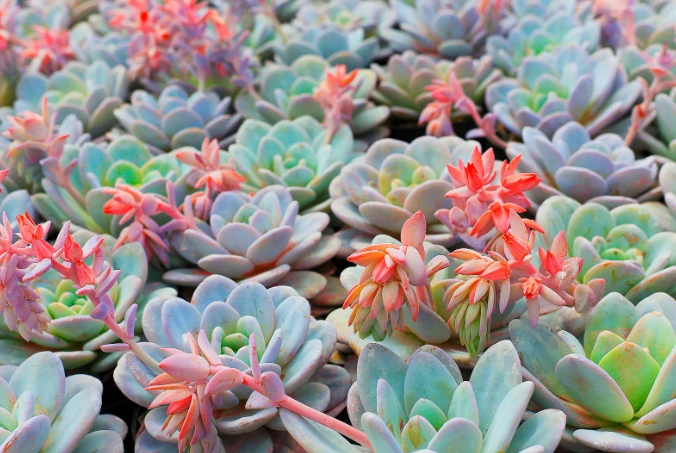
If you have a very sunny spot (think 6+ hours of direct sun), you can graduate to sun-lovers like Echeverias, Sedums, and most Sempervivums (hens-and-chicks). Their colors get stunning with enough light.
The Secret's in the Mix: Soil & Pot Prep
This is the most critical, most overlooked part of planting succulents. That bag of generic "cactus mix" from the big-box store? It's often not gritty enough on its own. Succulent roots need to dry out quickly, or they suffocate and rot. Think desert floor, not forest bed.
The Perfect DIY Succulent Soil Recipe
You can buy a good mix, but making your own gives you control. Here's a simple, effective starter recipe:
- 50% Inorganic Grit: This is for drainage. Use perlite, pumice, or coarse horticultural sand. I prefer pumice because it's heavier and doesn't float to the top when you water. Chicken grit (granite) from a feed store works too.
- 50% Potting Soil: Use a regular, well-draining potting mix. Avoid mixes with moisture-retaining crystals or a lot of peat moss, which becomes hydrophobic when dry.
Mix it thoroughly in a bucket. The final texture should be loose and crumbly, holding its shape for a second if you squeeze it, then falling apart.
Choosing the Right Pot
The pot is just as important as the soil. Two non-negotiables:
- Drainage Hole: This is not optional. No matter how cute that mug is, if it doesn't have a hole, don't use it for succulents. Root rot is a death sentence.
- Material: Terra cotta (clay) pots are the gold standard for beginners. They're porous, which allows the soil to dry from the sides as well as the top. Plastic and glazed ceramic pots retain moisture longer, meaning you must water less frequently.
Size matters. Choose a pot that's just 1-2 inches wider than the root ball of your plant. A huge pot holds too much wet soil around small roots.
The Planting Process: A Step-by-Step Walkthrough
You have your plant, your custom soil, and a pot with a hole. Let's put it all together.
Step 1: Prep the Plant. Gently remove it from its nursery pot. If the roots are tightly wound in a circle (root-bound), you can gently tease them apart with your fingers. If the soil is old and compacted, you may need to rinse the roots gently with water. Let the plant sit out in a shady spot for a few hours to a day so any damaged roots can callous over. This prevents rot when you plant it in fresh, moist soil.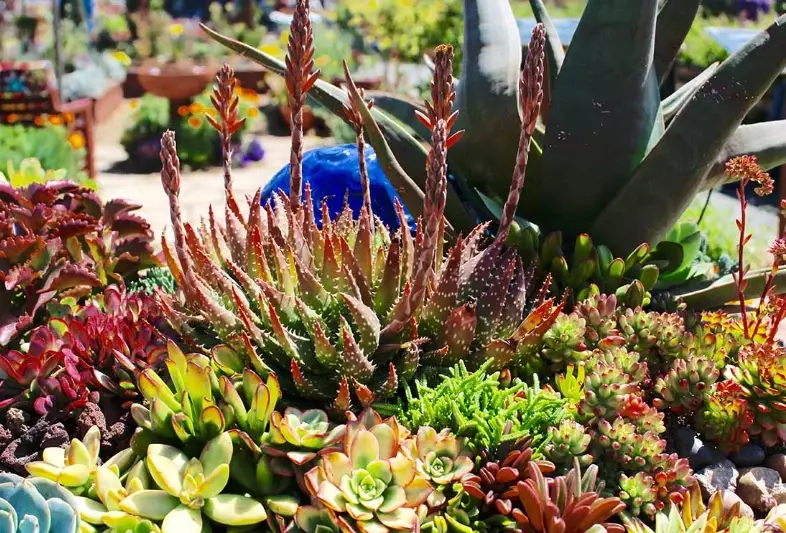
Step 2: Prep the Pot. Place a piece of mesh, a coffee filter, or a shard of broken pottery over the drainage hole. This keeps the soil in while letting water out. Add a layer of your prepared succulent mix to the bottom of the pot.
Step 3: Find the Right Height. Hold the plant in the pot so the base of the stem is just below the rim. You want the top of the root ball to be about half an inch to an inch below the pot's edge. Add or remove soil underneath until it sits at the right level.
Step 4: Fill and Settle. Holding the plant in place, gently scoop soil around the roots. Don't pack it down tightly—just tap the pot on the table a few times to help the soil settle and eliminate large air pockets. Leave a little space at the top for water.
Step 5: The No-Water Period (This is crucial!). Do NOT water your newly planted succulent right away. Those disturbed roots are vulnerable. Place the pot in bright, indirect light and leave it completely dry for 4-7 days. This gives the roots time to heal and start looking for moisture. After this waiting period, give it a thorough soak until water runs out the bottom.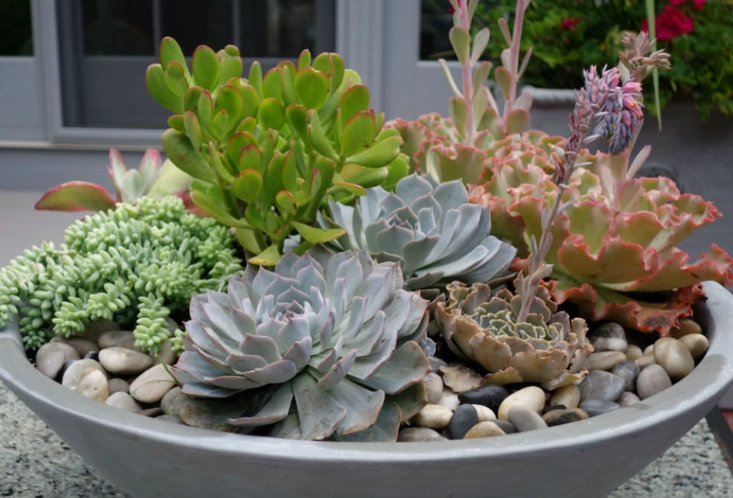
The First Few Weeks: Critical Aftercare
Your planting job is done, but the setup phase isn't over. How you treat the plant in the next few weeks sets its trajectory.
Light: Keep it in bright, indirect light for about a week after that first watering. Then, you can gradually introduce it to more direct sun if the species requires it. Move it an hour closer each day to avoid sunburn. A sunburned succulent gets bleached, permanent scars.
Watering: This is the eternal question. The "soak and dry" method is gospel for a reason. After the initial watering, wait until the soil is completely dry all the way to the bottom. How do you know? Stick your finger deep into the soil, or use a wooden chopstick. If it comes out clean, it's time. Then, water deeply until it flows from the drainage hole. The frequency could be every 7 days in hot summer or every 3-4 weeks in winter. The plant will tell you—plump leaves mean wait, slightly wrinkled leaves mean drink.
I see more people kill succulents with kindness (overwatering) than neglect. A thirsty succulent can almost always be revived. A rotten one cannot.
| Common Issue | Likely Cause | Quick Fix |
|---|---|---|
| Lower leaves turning yellow, translucent, and mushy | Overwatering / Root Rot | Stop watering immediately. Remove mushy leaves. Check stem for rot. If stem is firm, repot into dry, gritty soil. |
| Leaves wrinkling, thinning, and feeling crispy | Underwatering | Give the plant a thorough soak. Leaves should plump up in 1-3 days. |
| Stem stretching out, leaves spaced far apart | Insufficient Light (Etiolation) | Gradually move to a brighter location. The stretched part won't shrink, but new growth will be compact. |
| Brown, crispy patches on leaves | Sunburn | Move to a spot with less intense, direct afternoon sun. The scars are permanent. |
Comments