Let's be honest. Sometimes, you just want a bit of green in your home without the mess of dirt. You see those gorgeous pictures on social media—a simple glass vase holding a lush, green plant, roots dangling artistically in clear water. It looks effortless, clean, and modern. You think, "I could do that." But then the questions start. Which plants actually work for this? Won't they just rot? What's the catch?
I've been there. I've killed my fair share of plants, both in soil and water, before figuring out what really makes a good vase plant. The term "vase plant" is a bit informal—it usually refers to any plant you can grow primarily in a vase of water, often through a method called water propagation or hydroponics. It's not just about sticking a cutting in water and hoping for the best, though that's part of the fun. It's about choosing the right green companions that are genetically predisposed to thrive with their feet wet.
So, if you're tired of overwatering your succulents or just want a low-commitment way to bring nature indoors, you're in the right place. This isn't a theoretical guide. It's a practical walkthrough from someone who has both stunning successes and a few slimy, rotten failures in a jar. We'll cover everything: the top performers, the setup, the maintenance, and how to solve the weird problems that inevitably pop up.
Quick Navigation
Why Bother with Plants in a Vase?
Before we dive into the "what," let's talk about the "why." Why choose a vase plant over a traditional potted plant? The benefits are more than just aesthetic, though that's a huge part of it.
First, it's arguably easier for beginners. You eliminate the single biggest killer of houseplants: incorrect watering. Is the soil dry an inch down? Is it soggy? With a vase plant, you just look at the water level. The visual cue is instant. Second, propagation is a breeze. Many of these plants root readily in water, so you can create new plants from cuttings to share or expand your collection for free. It's incredibly satisfying to watch roots grow from a node you snipped yourself.
There's also a cleanliness factor. No soil spills, and if you use clear glass, you can spot algae or root rot early. For people with allergies to soil molds, it's a great alternative. And let's not forget the decor flexibility. A beautiful vase can be a centerpiece. A mason jar with a pothos vine on a bookshelf adds life. A sleek cylindrical vase with a straight-stemmed dracaena on a desk looks professional and calming.
But it's not all perfect. Vase plants have needs. They require regular water changes (forget this, and you'll get a smelly science experiment). They may grow slower than their soil-bound counterparts because water doesn't always provide the same level of nutrients. And not every plant is cut out for this life. Trying to grow a cactus or a fern in just water is a fast track to disappointment.
The Top Contenders: Best Plants for Your Vase
This is the fun part. Based on hardiness, root-growing ability, and overall visual appeal, here are the champions of the vase plant world. I've split them into categories because not everyone is looking for the same thing.
The Unkillable Trailers (Perfect for Beginners)
These plants are tough, fast-growing, and will forgive your mistakes. They're typically vining plants that look fantastic spilling over the edge of a vase.
- Pothos (Epipremnum aureum): The undisputed king of the vase plant. It roots incredibly fast, thrives in low to bright indirect light, and its heart-shaped leaves come in varieties like Golden (speckled with yellow), Marble Queen (white and green), and Neon (bright lime green). I've left pothos cuttings in water for months with just occasional top-ups, and they're still happy. Their only real downside? They're so common they might feel boring to seasoned plant parents, but for a reliable, beautiful green presence, you can't beat them.
- Philodendron Heartleaf (Philodendron hederaceum): Often confused with pothos, it's just as easy. The leaves are typically a bit softer and more heart-shaped. It's a vigorous grower and will quickly give you a cascade of green. It's slightly more tolerant of lower light than some pothos varieties.
- Tradescantia (Inch Plant/Wandering Dude): This one adds a pop of color. Varieties like Tradescantia zebrina have stunning purple and silver striped leaves. They root almost overnight. Be warned, they can get leggy if the light is too low, but a quick trim and re-propagation fixes that. They're thirsty growers, so watch the water level.
The Architectural Statements
These plants offer bold shapes, upright forms, and a more sculptural look. They're fantastic as a single, striking focal point.
- Lucky Bamboo (Dracaena sanderiana): Technically a dracaena, not a bamboo, this is the classic water plant. It's sold everywhere with its stalks twisted into shapes. It's incredibly low-maintenance and thrives in water indefinitely. Just keep the water clean and give it some indirect light. It's almost foolproof.
- Dracaena "Janet Craig" or "Warneckii" Cuttings: You can take a top cutting from a taller dracaena plant and root it in water. It creates a lovely, straight, leafy stem. It's slower to root than a pothos, but it results in a very elegant, tree-like vase plant. I find the plain green "Janet Craig" does better in water than the variegated types.
- Spider Plant (Chlorophytum comosum) Pups: Those little baby spider plants (offsets) that dangle from the mother plant are pre-programmed for water propagation. Snip one off, pop it in a vase, and it will develop a robust root system quickly. They look adorable in a small, bulb-shaped vase.
The Flowering & Fragrant Options
Yes, some flowering plants can do well as vase plants, at least for a significant period.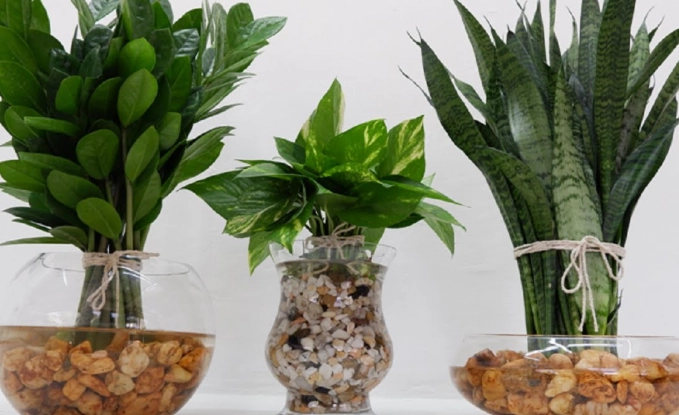
- Peace Lily (Spathiphyllum wallisii): This is a controversial one. Many people successfully grow peace lilies in water permanently. You need to start with a plant that's already established and carefully wash all the soil from its roots. It's more demanding than the others—it needs consistent water quality, occasional hydroponic fertilizer, and good indirect light to potentially bloom. I've done it, and while it's stunning, it's not as carefree as a pothos. The white "flowers" (actually spathes) against the glossy leaves in a clear vase are breathtaking, though.
- Paperwhite Narcissus: These are seasonal bulb plants. You force the bulbs in pebbles and water for beautiful, fragrant white flowers around winter. They're a temporary but delightful vase plant project. Just know they're a one-time show; the bulbs are usually spent afterwards.
What about succulents or herbs? Herbs like mint or basil will root in water quickly but rarely thrive long-term; they become leggy and nutrient-deficient. Succulents almost always rot. Stick with the tried-and-true list above for success.
Your Vase Plant Setup: It's More Than Just Water
Okay, you've chosen your plant. Now, how do you set it up for success? Throwing it in any old cup with tap water is where many good intentions fail.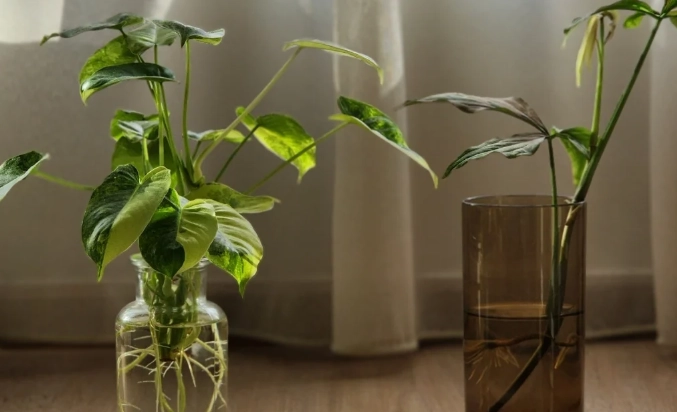
The Vase Itself
Material matters. Clear glass is popular because it lets you monitor root and water health. Ceramic or opaque vases hide algae growth but also hide problems. The shape is key. A narrow-necked vase looks elegant but can trap gases and make cleaning roots difficult. A wider mouth is more practical. Size should be proportional to your cutting—a massive vase for a tiny cutting looks odd and increases water surface area for algae. You want enough room for roots to spread but not so much that the plant looks lost.
The Water: The Lifeblood
This is the most critical part. Straight tap water is often fine, but it contains chlorine and chloramines (added by municipalities to kill bacteria) which can also slow root growth or harm sensitive plants. Letting water sit out for 24 hours allows chlorine to evaporate. For chloramines, which don't evaporate, using filtered or distilled water is better. Rainwater is fantastic if you can collect it.
Water temperature matters too. Ice-cold water shocks the roots. Use room temperature water. Always.
How much water? Don't submerge the entire stem. Only the nodes and emerging roots should be underwater. Leaves submerged will rot and foul the water. Keep the water level consistent, topping it off with fresh water as it evaporates, but also doing complete changes regularly.
To Feed or Not to Feed?
Plain water has minimal nutrients. Your plant will survive on stored energy for a while, but growth will eventually stall, and leaves may yellow. For long-term vase plants, you need to add nutrients. But you can't use regular soil fertilizer; it's too strong and not formulated for direct root contact.
The solution? A hydroponic fertilizer or a high-quality liquid houseplant fertilizer diluted to 1/4 or 1/2 strength. Add it to the fresh water during your monthly water change. Don't overdo it. Less is more. Algae love excess nutrients. A resource from a reputable institution like the University of Minnesota Extension discusses general fertilizing principles that apply to water culture as well—the key is dilution and moderation.
| Plant Type | Light Needs | Water Change Frequency | Fertilizer (During Growing Season) | Difficulty |
|---|---|---|---|---|
| Pothos / Philodendron | Low to Bright Indirect | Every 1-2 Weeks | Monthly, 1/4 Strength | Very Easy |
| Lucky Bamboo | Low to Medium Indirect | Every 2-3 Weeks | Every 6-8 Weeks, 1/4 Strength | Very Easy |
| Spider Plant Pup | Medium to Bright Indirect | Weekly | Monthly, 1/4 Strength | Easy |
| Peace Lily (Transitioned) | Medium Indirect | Weekly | Every 2 Weeks, 1/2 Strength Hydroponic | Intermediate |
The Care Routine: Keeping Your Vase Plant Happy
Think of this as a simple checklist. It takes minutes a week.
- Water Changes are Non-Negotiable. Stagnant water loses oxygen and builds up root secretions and potential pathogens. Every 1-2 weeks, gently remove the plant, rinse the roots under lukewarm water, scrub the vase clean (a bottle brush is handy), and refill with fresh, room-temperature, dechlorinated water. This is the single most important task.
- Root Checks. During water changes, inspect the roots. Healthy roots are firm and white or tan. Mushy, brown, or slimy roots are rotting. Snip them off with clean scissors. A slight smell is normal; a foul, rotten smell means you need to change water more often or there's significant rot.
- Leaf Maintenance. Wipe dust off leaves so they can breathe and photosynthesize. Trim any yellowing leaves at the stem. Pinch back growing tips on vining plants to encourage bushier growth.
- Algae Management. Algae growth in the vase is normal, especially in bright light. It's not directly harmful but competes for nutrients and looks unsightly. Regular cleaning and using an opaque vase or wrapping clear glass in decorative paper can block the light that algae needs. Don't use algaecides meant for ponds.
Common Vase Plant Problems & Solutions
Things will go wrong. Here's how to diagnose and fix the most common issues.
Yellowing Leaves: This is the universal plant distress signal. For vase plants, the most common causes are nutrient deficiency (add weak fertilizer), old age (lower leaves sometimes yellow and drop naturally), or, less commonly, chlorine/fluoride sensitivity (switch to filtered water).
Brown Leaf Tips: Often a sign of low humidity or chemical burn from water additives. Using distilled or filtered water can help. You can also mist the leaves occasionally.
Slow or No Root Growth: Be patient. Some plants are slow. Ensure you have a node underwater. Check water temperature (too cold slows growth). Try changing the water more frequently to increase oxygen. A rooting hormone isn't typically used for water propagation, but a tiny dab on the node can sometimes speed things up for stubborn plants.
Foul Smelling Water: You've waited too long between changes. Bacteria are having a party. Dump the water, clean everything thoroughly, rinse the roots, and start fresh with a more frequent change schedule.
Frequently Asked Questions About Vase Plants
Starting with a vase plant is one of the most rewarding entry points into plant parenthood. The learning curve is gentle, the results are visible, and the style is undeniable. Grab a cutting from a friend, find a vase you love, and give it a try. You might just find your new favorite way to garden.
Remember, the best vase plant is the one that brings you joy without becoming a chore. Start with a pothos. You won't regret it.
Comments