Replanting aloe might seem straightforward, but get it wrong, and you'll watch your plant slowly decline. I learned this the hard way when I drowned my first aloe by repotting it into soggy soil. After years of trial and error—and rescuing dozens of aloes for friends—I've nailed down a method that works every time. Let's dive in so you can avoid the common pitfalls.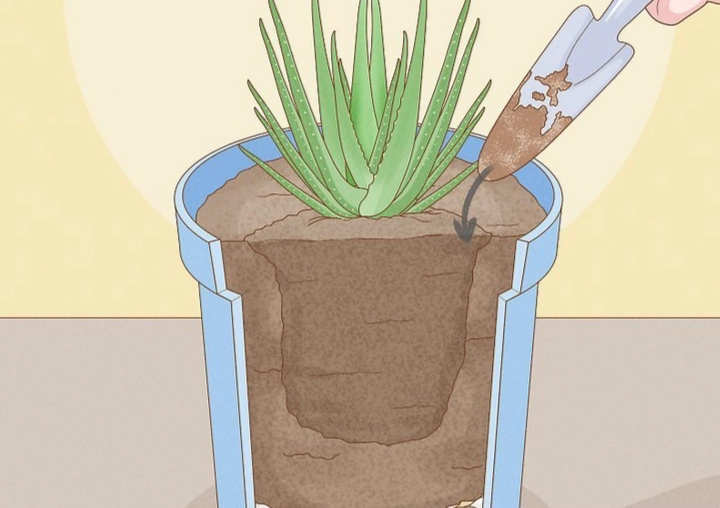
What You'll Learn
Why Replanting Aloe is Crucial
Aloe vera plants are tough, but they're not immortal in cramped pots. Over time, roots fill the container, stealing space and nutrients. I've seen aloes that haven't been replanted in years—they stop growing, leaves turn pale, and eventually, the whole plant becomes unstable. Replanting gives them room to breathe, refreshes the soil, and prevents diseases like root rot. Think of it as a health check-up for your plant.
One subtle point many guides miss: aloe roots are shallow and spread wide. If the pot is too deep, water pools at the bottom, inviting rot. A wider, shallower pot often works better than a tall one. I switched to shallow terracotta pots years ago, and my aloes have never been happier.
When to Replant for Success
Timing is everything. The best period is late spring to early summer, when aloe is actively growing. This gives it time to establish before cooler months. Avoid winter—growth slows, and replanting stress can be fatal.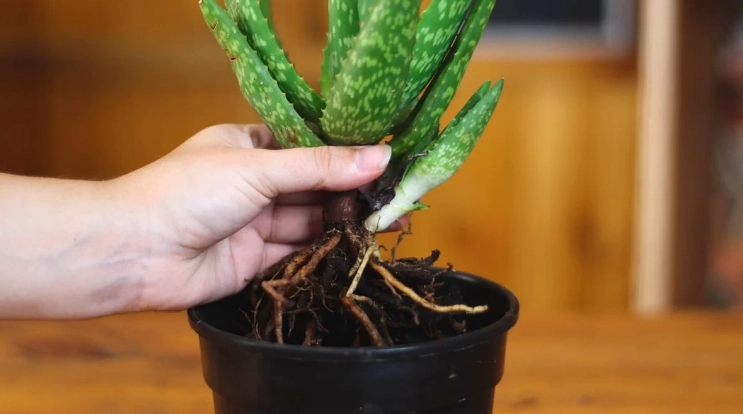
Signs you need to replant now:
- Roots peeking out of drainage holes or circling the soil surface.
- The plant tips over easily because it's top-heavy.
- Leaves show yellowing or browning at the base, despite proper care.
- Water drains too quickly, indicating compacted, root-bound soil.
If you see these, don't wait. I once postponed replanting, and my aloe developed root rot within weeks. It recovered, but it was a close call.
Step-by-Step Replanting Process
Follow these steps closely. Rushing leads to mistakes.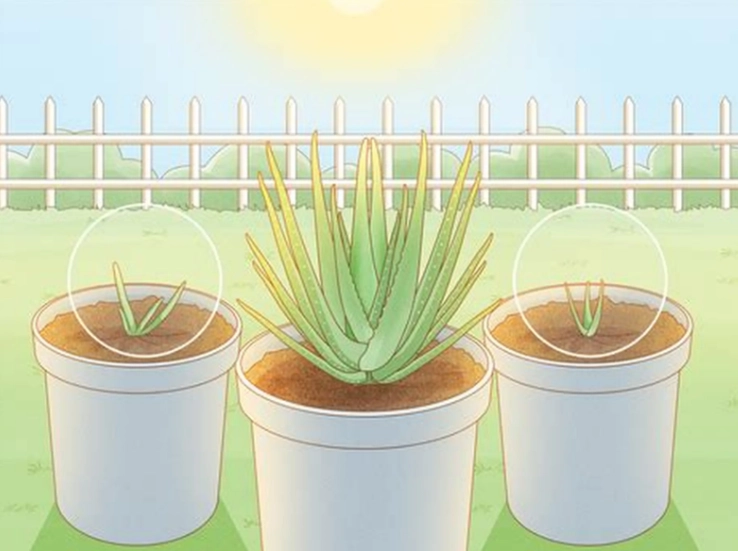
Gather Your Tools
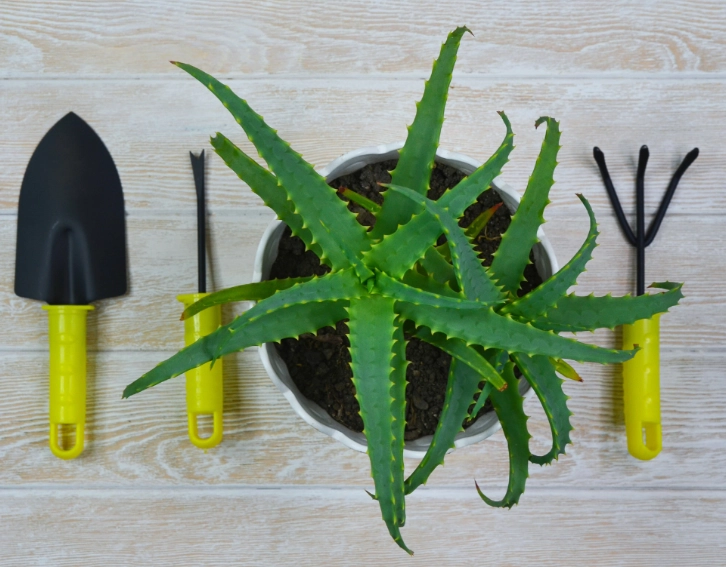
You'll need:
- A new pot: 1-2 inches wider in diameter than the current one, with drainage holes. Terracotta is ideal—it breathes.
- Fresh soil: Cactus or succulent mix. Don't cheap out here; I've had bad experiences with generic brands that hold moisture.
- Gloves: Aloe sap can irritate skin.
- Trowel and newspaper for mess control.
Prepare the New Pot
Add a layer of small stones or broken pottery at the bottom for extra drainage. Fill about one-third with soil. Moisten it slightly—just damp, not wet. This helps roots settle without shock.
Remove the Aloe Carefully
Water the plant lightly a day before to loosen the soil. Tilt the pot and gently squeeze the sides. Ease the aloe out, supporting the base. If it's stuck, run a knife around the edges. Avoid pulling on the leaves—they snap easily. I learned this after breaking a leaf on my favorite plant.
Inspect and Trim Roots
Shake off old soil. Look for dark, mushy roots—these are rotten and need cutting with sterilized scissors. Healthy roots are firm and light-colored. Trim any excessively long ones to encourage new growth. This step is often skipped, but it's vital for preventing disease spread.
Place in New Pot
Set the aloe in the center, ensuring the base sits just below the pot rim. Fill around with soil, pressing gently to eliminate air pockets. Leave about half an inch of space at the top for watering.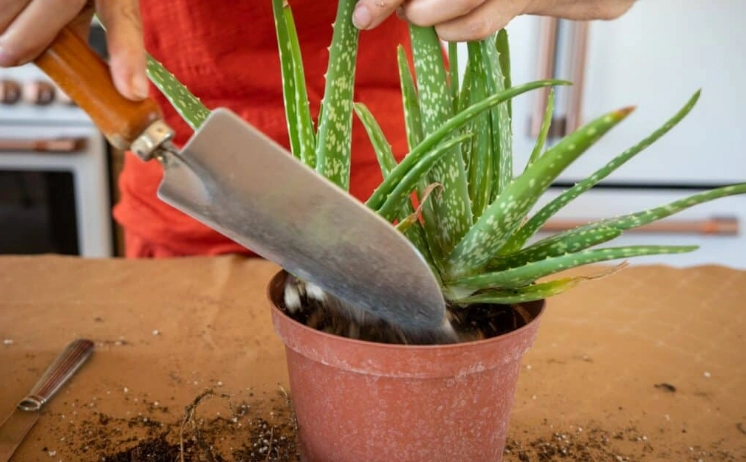
Initial Watering
Wait a week before watering. Then, give a thorough drink until water drains out. Place in bright, indirect light for a few days to adjust. Direct sun right away can scorch the leaves.
Post-Replanting Care Tips
Aftercare determines success. Here's what works:
- Light: Aloe loves bright, indirect light. A south-facing window is perfect. Too much direct sun right after replanting can stress it.
- Watering: Water only when the soil is completely dry—about every 2-3 weeks. Overwatering is the top killer. I use a moisture meter to be sure; it's saved many plants from my over-enthusiasm.
- Fertilizing: Hold off for at least a month. Then, use a diluted succulent fertilizer during growing season. Never fertilize in winter.
Monitor for signs of stress: drooping or color changes. Usually, it bounces back in 2-3 weeks. If not, check for root issues.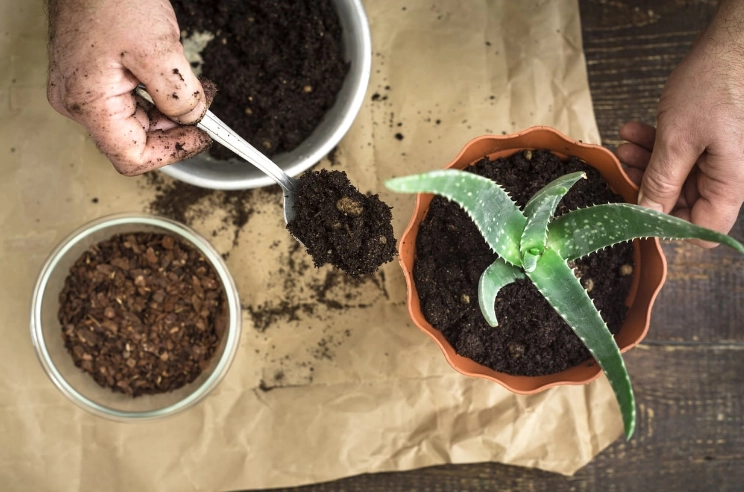
Common Mistakes to Avoid
I've made these myself, so learn from my errors:
| Mistake | Why It's Bad | How to Fix |
|---|---|---|
| Using a pot without drainage | Water pools, causing root rot | Always choose pots with holes; drill some if needed |
| Replanting in wet soil | Increases rot risk and compacts soil | Use slightly moist soil, not soggy |
| Watering immediately after | Damages healing roots | Wait a week, then water lightly |
| Ignoring root inspection | Spreads disease to new soil | Trim rotten roots before replanting |
Another big one: choosing the wrong soil. Regular potting soil is a death sentence for aloe. It retains moisture like a sponge. Stick to cactus mix or make your own—I blend 2 parts potting soil, 1 part perlite, and 1 part coarse sand. Works like a charm.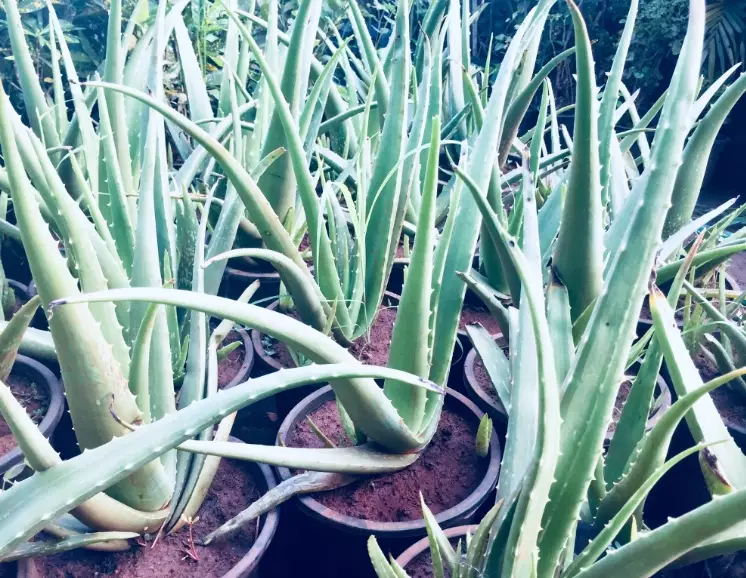
Frequently Asked Questions
 Replanting aloe isn't rocket science, but attention to detail makes all the difference. Start with the right timing, use proper tools, and give it time to adjust. Your aloe will thank you with lush, healthy growth. Got more questions? Drop a comment—I've been there, and I'm happy to help.

Comments