You brought home that cute, glossy-leaved Baby Rubber Plant (Peperomia obtusifolia), thinking it was the perfect easy-care companion. Now you're staring at it, wondering if you're doing it right. Is the light okay? Are you watering too much? Why isn't it growing? Relax. I've killed a few of these to learn how to keep them thriving, and I'm here to save you the trouble.
Contrary to its common name, it's not a true rubber plant (that's Ficus elastica). It's a compact, forgiving Peperomia from South America. The secret to success isn't a green thumb—it's understanding its few simple, non-negotiable needs. Forget the complex routines. Let's talk about what actually works.
What's Inside: Your Quick Care Checklist
Getting the Light Just Right
This is the biggest make-or-break factor, and most advice is too vague. "Bright, indirect light"—what does that even mean in your living room?
Think of the light under a tree canopy. Direct sun will scorch those lovely leaves, leaving crispy brown patches. But a dark corner turns it into a leggy, sad specimen with pale, spaced-out leaves.
The Goldilocks Zone: A spot near an east or north-facing window is perfect. A south or west window works if you diffuse the light with a sheer curtain. Here's a simple test: place your hand between the plant and the window around noon. If you see a sharp, defined shadow, it's probably too direct. A soft, fuzzy shadow is ideal.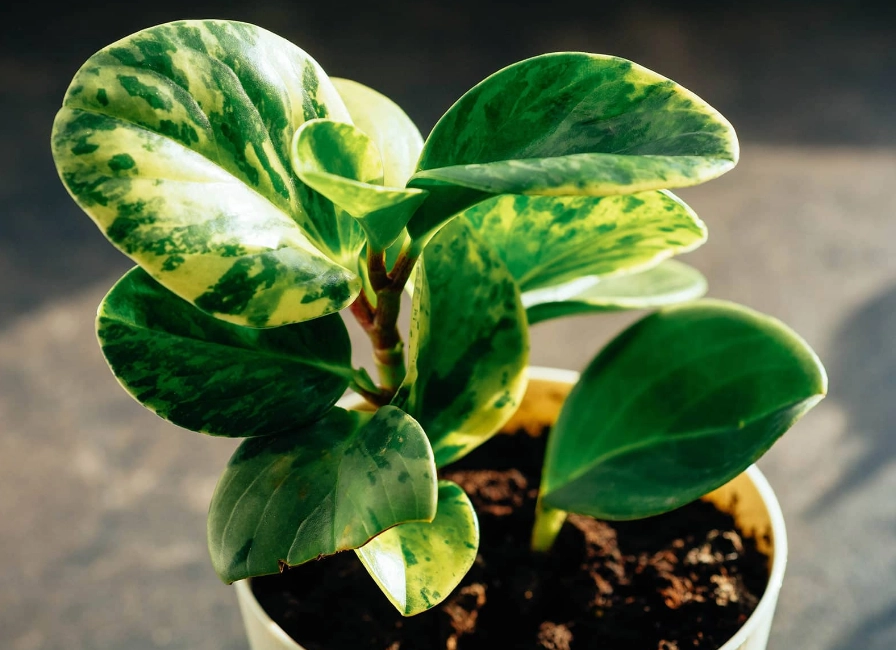
I had one in a north-facing bathroom with frosted glass, and it grew like a weed from the humidity and consistent gentle light. Don't underestimate a good bathroom window.
| Light Condition | Plant's Response | What to Do |
|---|---|---|
| Ideal (Bright, Indirect) | Steady, compact growth. Vibrant, firm leaves. | Keep doing what you're doing. |
| Too Low | Slow or no growth. Stretched, leggy stems. Smaller new leaves. | Move closer to a light source or consider a grow light. |
| Too Direct (Hot Sun) | Faded, washed-out color. Brown, scorched patches on leaves. | Move back from the window or use a curtain. |
The One Watering Mistake Everyone Makes
Overwatering. It's the assassin of 90% of houseplants, and Baby Rubber Plants are prime targets. Their succulent-like leaves store water, making them drought-tolerant. They'd rather be thirsty than soggy.
Forget the schedule. Watering every Tuesday because you read it somewhere is a recipe for root rot. Your plant's thirst depends on light, season, and pot size.
Here's the method that never fails me: The Finger Test. Stick your index finger into the soil, up to the first knuckle (about 1-2 inches). If the soil feels dry at your fingertip, it's time to water. If it feels damp or cool, wait. In winter, you might only need to water every 3-4 weeks.
When you do water, do it thoroughly. Take it to the sink and pour water evenly over the soil until it runs freely out of the drainage holes. This ensures the entire root ball gets hydrated. Let it drain completely before putting it back in its decorative pot. Never let it sit in a saucer of water.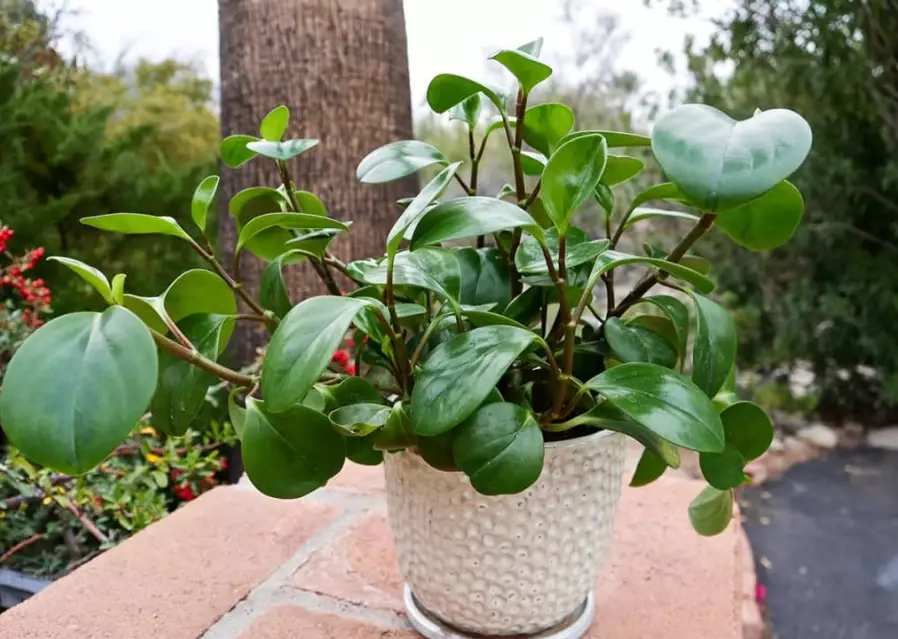
Soil, Potting, and When to Leave It Alone
These plants need soil that drains quickly. Standard bagged potting soil often holds too much moisture.
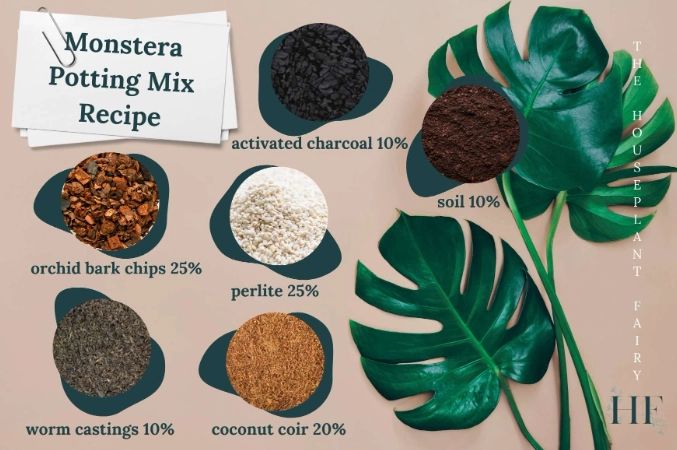
The Mix: Use a regular potting mix but amend it. I use a 2:1 ratio—two parts potting mix to one part perlite or coarse orchid bark. This creates air pockets and improves drainage dramatically. You can also use a pre-mixed cactus or succulent soil.
How Often to Repot? Less Than You Think.
Baby Rubber Plants actually enjoy being a bit root-bound. Repotting too often or into too large a pot is a common error. A huge pot means lots of wet soil around a small root system, inviting rot.
Repot only every 2-3 years, or when you see roots growing out of the drainage holes. When you do, choose a pot only 1-2 inches larger in diameter than the old one. Spring or early summer is the best time.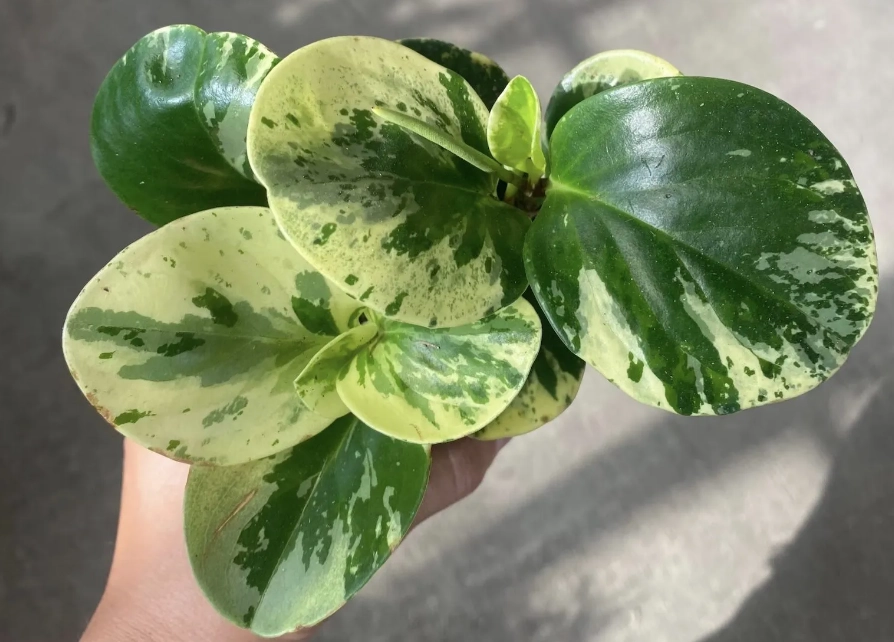
Reading the Leaves: Fixing Common Problems
Your plant talks to you through its leaves. Here's how to translate.
Yellow, Mushy Leaves: This is the classic sign of overwatering. Stop watering immediately. Check the roots. If they're brown and slimy, it's root rot. You'll need to cut away the rotten parts, repot in fresh, dry soil, and cross your fingers.
Brown, Crispy Leaf Edges: Usually low humidity or underwatering. While they tolerate dry air, very low humidity can cause this. Increase humidity by grouping plants, using a pebble tray, or occasional misting. Also, ensure you're watering thoroughly when you do.
Dropping Leaves: Can be caused by a sudden change in temperature (drafts from AC or heaters) or extreme underwatering. Find it a stable spot away from vents and doors.
Pests: Keep an eye out for mealybugs (look like tiny cotton balls) or spider mites (fine webbing). Wipe leaves with a damp cloth regularly to deter them. For infestations, use insecticidal soap or neem oil.
Making More Plants: Simple Propagation
This is the fun part. The easiest way is stem cuttings.
- Use a clean, sharp pair of scissors to cut a stem tip with at least 2-3 leaves.
- You can root it in water or soil. For water, place the cut end in a glass, ensuring no leaves are submerged. Change the water weekly. For soil, dip the cut end in rooting hormone (optional) and plant it in a small pot with moist potting mix.
- Place in bright, indirect light. Roots in water appear in a few weeks. For soil, keep it lightly moist and give a gentle tug after a month—resistance means roots have grown.
I prefer water propagation because you can see the roots develop. It's satisfying. Once the roots are an inch or two long, pot it up into soil.
Your Top Baby Rubber Plant Questions, Answered
 So there you have it. Baby Rubber Plant care isn't about constant attention. It's about strategic neglect. Give it the right light, water only when it's truly dry, and don't fuss over it. Do that, and you'll have a resilient, glossy-green companion for years. It might even reward you with those curious, rat-tail-like flower spikes. Now go check your soil.
Comments