Jump Straight to What Matters
Let's cut to the chase. You brought home a gorgeous floor plant, maybe a Fiddle Leaf Fig or a Monstera, and now it's looking sad. Brown tips, yellow leaves, or worse—it's just sitting there, not growing. I've been there. Over the past ten years, I've killed my share of plants and learned the hard way. This guide isn't about pretty pictures; it's about keeping your floor plants alive and thriving, based on real experience, not textbook theory.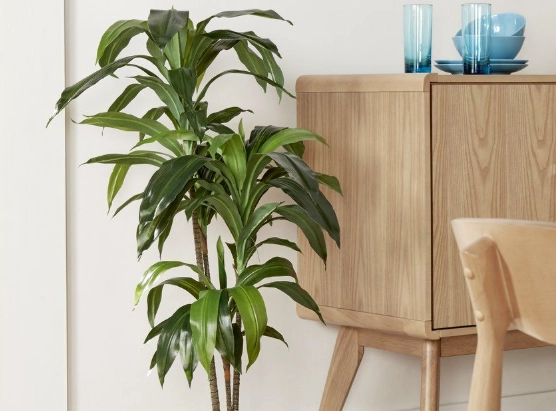
Floor plants, or large indoor plants, are more than decor. They purify air—NASA's Clean Air Study highlighted this—and boost mood. But most guides miss the nuances. For instance, that "low light" label on a plant tag? It's often misleading. I'll explain why later.
How to Choose the Right Floor Plant for Your Space
Skip the impulse buy. The biggest mistake I see? People pick plants based on looks alone, without considering their home's conditions. It's like buying a dog without checking if your apartment allows pets.
Assessing Light: The Truth Behind "Bright Indirect Light"
Every plant care guide says "bright indirect light," but what does that mean? Here's a simple test: place your hand where the plant will go. If you see a sharp shadow, it's direct light. A soft shadow? Indirect. No shadow? Low light. Most floor plants need at least indirect light to survive.
I once put a Snake Plant in a dark corner, thinking it was "indestructible." It survived but stopped growing for months. Lesson: even tough plants have limits.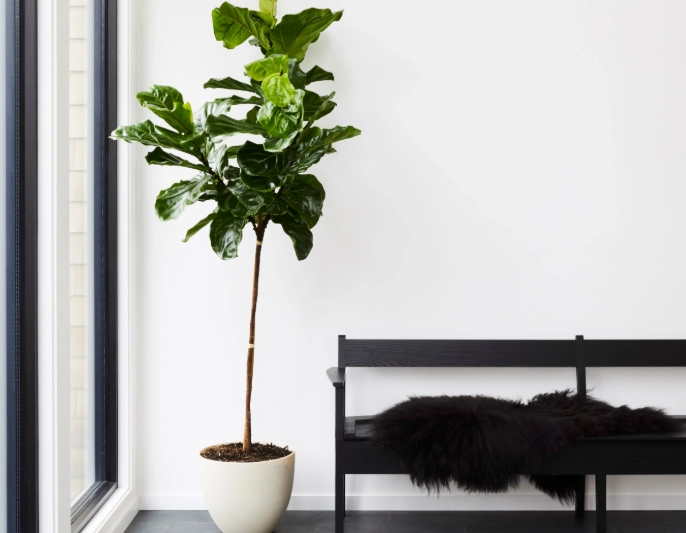
Top 5 Floor Plants for Real-World Conditions
Forget generic lists. Here are plants that actually work, based on my trials:
| Plant Name | Light Needs | Watering Frequency | Why It's a Winner |
|---|---|---|---|
| Monstera Deliciosa | Bright indirect | Every 1-2 weeks | Forgives occasional neglect; iconic split leaves. |
| Fiddle Leaf Fig | Bright light, some direct | Weekly, but check soil | Dramatic look, but fussy—needs consistency. |
| ZZ Plant | Low to bright indirect | Every 3-4 weeks | Nearly impossible to kill; great for beginners. |
| Bird of Paradise | Bright light, tolerates direct | Weekly in summer | Adds tropical vibe; grows tall fast. |
| Rubber Plant | Medium to bright indirect | Every 1-2 weeks | Glossy leaves; adapts well to indoor humidity. |
Notice I didn't include Peace Lily? It's often recommended, but it's not a true floor plant—it stays small. For large plants, go with these.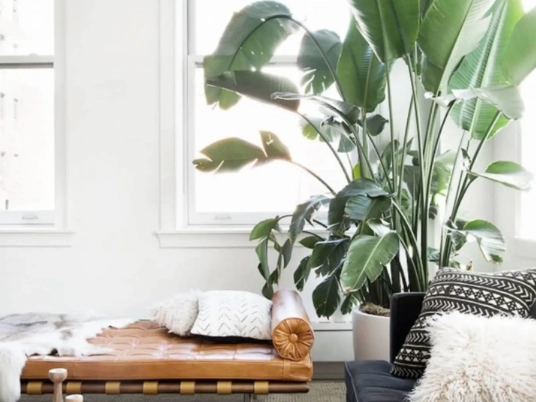
The Care Routine That Actually Works
Most people overcomplicate this. Water, light, soil—that's it. But the devil's in the details.
Watering: Why Your Plant Is Drowning (or Thirsty)
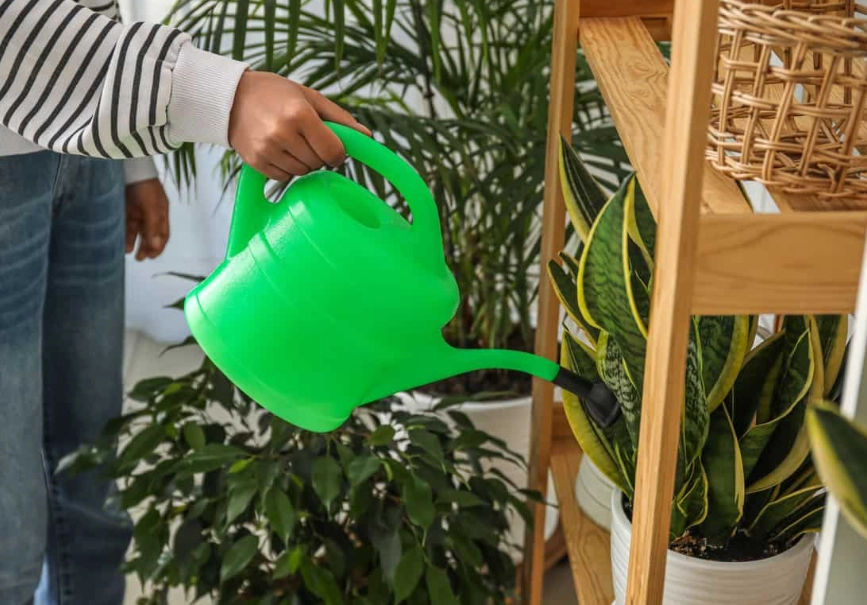
I killed my first Fiddle Leaf Fig by watering on a schedule. Big error. Plants don't care about calendars. Stick your finger into the soil up to the second knuckle. If it's dry, water. If damp, wait. For large floor plants, this check is crucial because the pot retains moisture longer.
Use room-temperature water. Cold water shocks the roots. And always water until it drains out the bottom—this ensures the roots get hydrated evenly. But don't let the plant sit in water; empty the saucer after 30 minutes.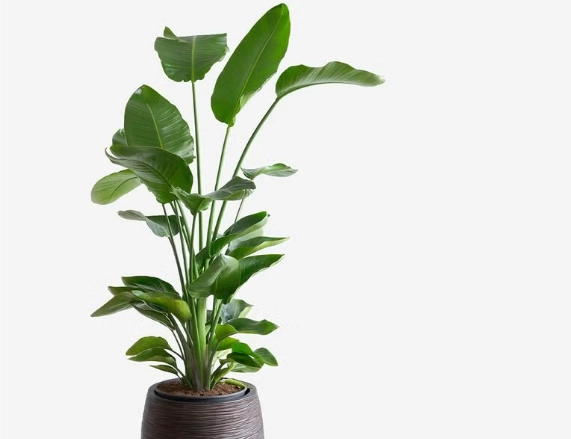
Soil and Potting: The Overlooked Game-Changer
Generic potting soil is a trap. It holds too much water for most floor plants. Mix in perlite or orchid bark for drainage. A good ratio: 2 parts potting soil, 1 part perlite. This prevents root rot, which is the silent killer of indoor plants.
When repotting, choose a pot only 1-2 inches larger in diameter. Too big, and the soil stays wet too long. I learned this after a Monstera developed root rot in a huge pot I thought was "giving it space."
Pro tip: Add a layer of activated charcoal at the bottom of the pot. It filters impurities and reduces odors. Most garden centers sell it, or you can find it online. This tiny step saved my plants from fungal issues.
Fixing Common Floor Plant Problems
Yellow leaves? Drooping? Let's diagnose.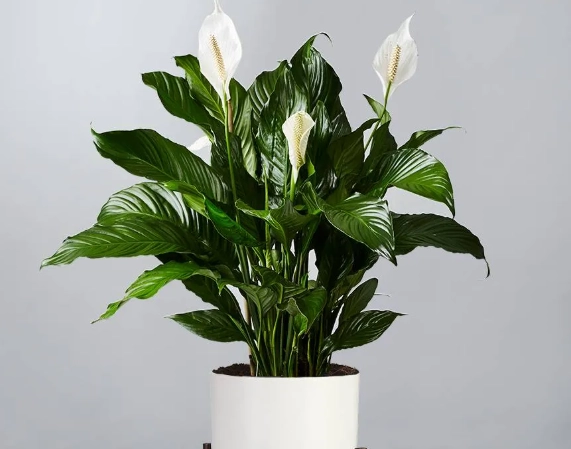
Yellow Leaves: It's Not Always Overwatering
Common wisdom says yellow leaves mean too much water. Sometimes. But if the lower leaves yellow and drop slowly, it might be natural aging. If new leaves yellow, check for nutrient deficiency. A balanced liquid fertilizer every month during growing season helps. I use half the recommended dose—less is more here.
If leaves yellow with brown spots, it could be sunburn. Yes, plants get sunburned. Move it away from direct sunlight.
Pest Control: Skip the Chemicals
Spider mites and mealybugs love dry indoor air. I spotted them on my Rubber Plant last winter. Instead of insecticide, I used a mix of water, dish soap, and neem oil. Spray every few days for two weeks. Works like a charm and is pet-friendly.
Increase humidity around the plant by misting or using a humidifier. Most floor plants originate from humid tropics, so dry air stresses them.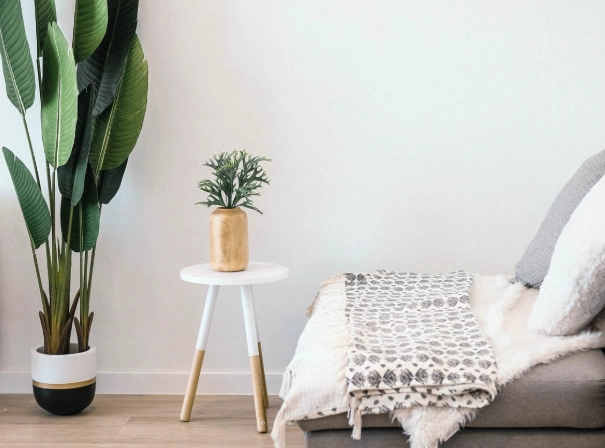
Advanced Tips You Won't Find Elsewhere
After a decade, here are my non-consensus takeaways.
Rotate your plant quarterly. Not weekly—that's overkill. A quarter-turn each season ensures even growth without stressing the plant. I skipped this with a Bird of Paradise, and it grew lopsided toward the window.
Fertilize less in winter. Plants slow down, so reduce feeding to every 2-3 months. Over-fertilizing in dormancy leads to salt buildup in soil, which I've seen burn roots.
Talk to your plants? Sounds silly, but the carbon dioxide from your breath can help. More practically, gently wipe leaves with a damp cloth monthly. It removes dust, allowing better photosynthesis. My Fiddle Leaf Fig perked up after I started this.
Your Burning Questions Answered
Floor plants transform spaces, but they're not set-and-forget decor. They're living things that need attention. Start with one plant, master its care, then expand. I began with a single Snake Plant and now have a jungle. It's rewarding—when you get it right.
For more authority, refer to sources like the Royal Horticultural Society's guidelines on indoor plant care or the NASA study on air-purifying plants. But remember, your home's conditions are unique. Adapt, observe, and enjoy the process.
Comments