Your Pruning Roadmap
- Why You Absolutely Need to Prune Your Hibiscus
- The First, Most Critical Step: What Kind of Hibiscus Do You Have?
- When to Prune: Timing is (Almost) Everything
- Gearing Up: The Right Tools for the Job
- The Step-by-Step: How to Prune Hibiscus (Tropical Focus)
- Pruning Hardy Hibiscus: The Spring Clean-Up
- What to Do Right After You Prune
- Common Questions & Mistakes (The FAQ You Actually Need)
- Putting It All Together: Your Pruning Checklist
Let's be honest. The first time I looked at my overgrown hibiscus, a tangled mess of stems with fewer flowers than the year before, I was scared to death of picking up the pruners. I thought I'd kill it. Cut the wrong thing, and poof – no more stunning blooms. Sound familiar? If you're searching for how to prune hibiscus, you're probably feeling that same mix of necessity and nervousness. You know it needs a haircut, but where do you even start?
Well, take a deep breath. After years of trial and error (yes, I've made some brutal mistakes), talking to local nursery experts, and pruning everything from the hardy 'Lord Baltimore' in my backyard to the finicky tropical variety on my patio, I've figured it out. It's not rocket science, but there are a few crucial things you need to get right. This guide will walk you through every single step, clear up the confusion between different types, and answer all those nagging questions. By the end, you'll know exactly how to prune hibiscus for more flowers and a healthier plant.
Why You Absolutely Need to Prune Your Hibiscus
Maybe you're wondering if you can just let it grow wild. I mean, it's a plant, right? It should know what to do. I used to think that too. But skipping the prune is like never getting a haircut – things get messy, unhealthy, and less productive.
Pruning isn't just about controlling size. It's the single best thing you can do to encourage your hibiscus to put on a spectacular show. Here's what happens when you do it right:
- More Flowers, Bigger Flowers: Hibiscus bloom on new growth. By cutting back old wood, you're literally forcing the plant to create fresh branches where those gorgeous dinner-plate-sized (or smaller, depending on variety) flowers will form.
- Better Shape and Structure: Without pruning, hibiscus can get leggy. All the growth shoots up from the top, leaving a bare, woody base. Strategic cuts promote bushier, fuller growth from the bottom up.
- Healthier Plant: You're removing dead, diseased, or damaged wood. This improves air circulation through the center of the plant, which is key to preventing fungal diseases. It also lets more sunlight into the interior, energizing the whole plant.
- Rejuvenation: An old, neglected hibiscus can be brought back to life with a hard prune. It might look drastic at first, but the plant will thank you with vigorous new growth.
The First, Most Critical Step: What Kind of Hibiscus Do You Have?
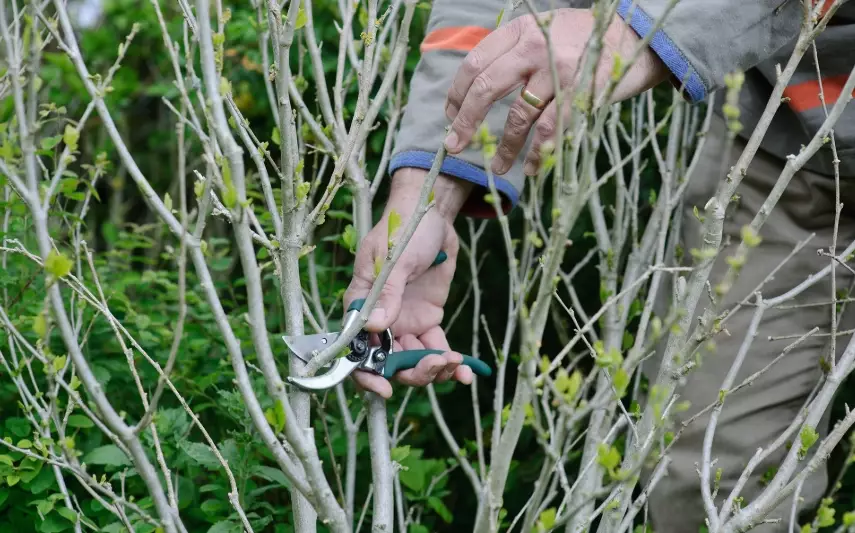
This is where most generic guides fail, and it's the most important piece of the puzzle. How to prune hibiscus depends entirely on whether you have a tropical hibiscus or a hardy (perennial) hibiscus. Get this wrong, and you could cut off all your future flowers or even harm the plant.
Quick ID Tip: Look at the leaves. Tropical hibiscus (Hibiscus rosa-sinensis) typically have glossy, dark green leaves. Hardy hibiscus (Hibiscus moscheutos and others) have larger, heart-shaped or maple-like leaves that are often duller green. Also, tropicals are usually grown in pots in non-tropical climates, while hardies are planted directly in the ground and die back to the roots in winter.
Let's break it down clearly. This table should save you a ton of confusion:
| Feature | Tropical Hibiscus (Hibiscus rosa-sinensis) | Hardy / Perennial Hibiscus (Hibiscus moscheutos, syriacus) |
|---|---|---|
| Where it Grows | Potted, brought indoors in cold climates. Landscaped in frost-free zones. | Planted directly in garden beds. Dies back to ground in winter. |
| Bloom Time | Blooms on new growth. Can flower year-round in ideal conditions. | Blooms on new growth. Flowers in mid to late summer. |
| Pruning Goal | Shape, size control, and encouraging bushiness. | Clean-up winter die-back and encourage strong new stems. |
| Biggest Pruning Mistake | Pruning in late fall/winter when bringing indoors, removing potential flower buds. | Pruning in early spring before new growth emerges (you might cut live wood). |
See? They're practically different plants when it comes to care. The University of Florida IFAS Extension has a great resource on growing hibiscus in Florida, which heavily focuses on tropical types, while the Missouri Botanical Garden provides excellent plant finder details on hardy species like Hibiscus moscheutos. Knowing your plant's scientific name helps a lot.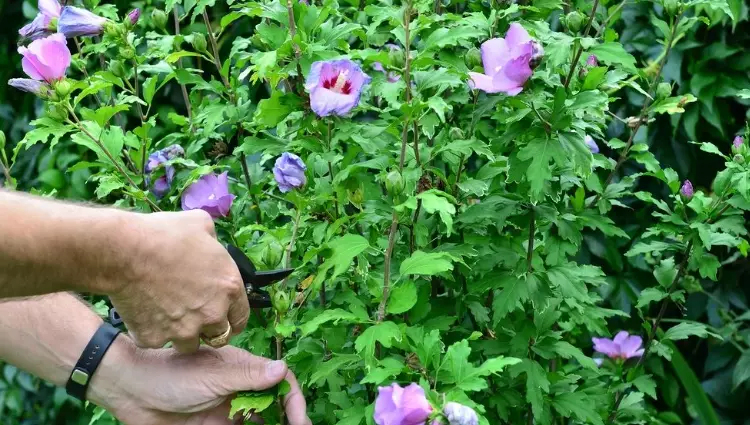
When to Prune: Timing is (Almost) Everything
You've got the right plant ID. Now, when do you actually make the cut? This is the second most common question after how to prune hibiscus.
For Tropical Hibiscus
The best time is in early spring, just as the plant is coming out of its winter rest and you see new little green buds ("eyes") starting to swell on the stems. This is usually after the last frost date in your area. If you keep it indoors, prune it a few weeks before you plan to move it back outside for the summer.
Why spring? It gives the plant the entire growing season to produce that new, flower-bearing growth. You can do light pinching and shaping throughout the summer to keep it tidy, but save the major structural pruning for spring.
Warning: Avoid heavy pruning in late fall. You'll be cutting off the stems that are preparing to produce flowers. I made this mistake once, gave my tropical a "nice trim" before bringing it inside for winter, and it rewarded me with zero blooms for months. Lesson learned.
For Hardy Hibiscus
This one is easier. Late winter or very early spring is your window. The key is to wait until you see new growth starting to emerge from the ground. Since the plant dies back completely, you often can't even see where the old stems are until the new shoots point them out. Then, you simply cut all the old, dead stems down to about 2-3 inches from the ground.
Don't be tempted to clean it up in the fall. Those dead stems actually help protect the crown of the plant over the winter. Let them be until spring.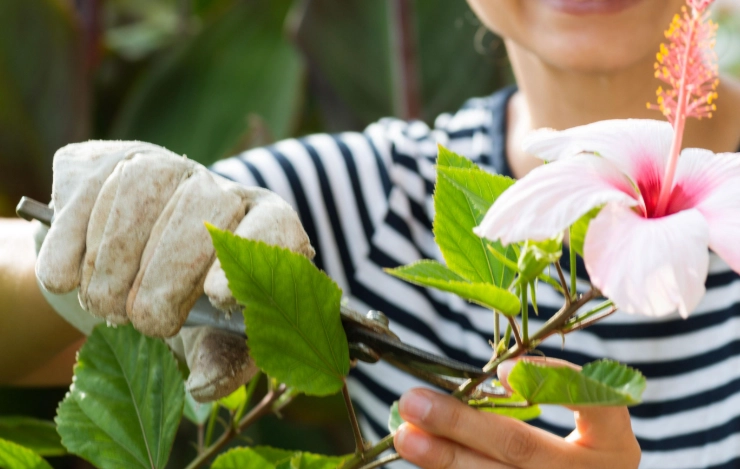
Gearing Up: The Right Tools for the Job
Using dull or dirty tools is a fast track to damaging your plant. A clean, sharp cut heals quickly and prevents disease entry. Here's what you need:
- Bypass Pruners (Hand Shears): These are your workhorse, for most stems up to about 1/2 inch thick. They work like scissors and make a clean cut. Don't use anvil-style pruners, as they crush the stem.
- Loppers: For thicker branches on mature tropical hibiscus, usually between 1/2 inch and 1.5 inches. The long handles give you leverage.
- Sharp, Clean Cloth & Rubbing Alcohol: Wipe down your blade with alcohol between plants, or if you're cutting away diseased wood, to prevent spreading pathogens.
- Gloves: Some people have skin sensitivity to hibiscus sap. Plus, it's just good practice.
Invest in a good pair of pruners. It makes the whole process smoother.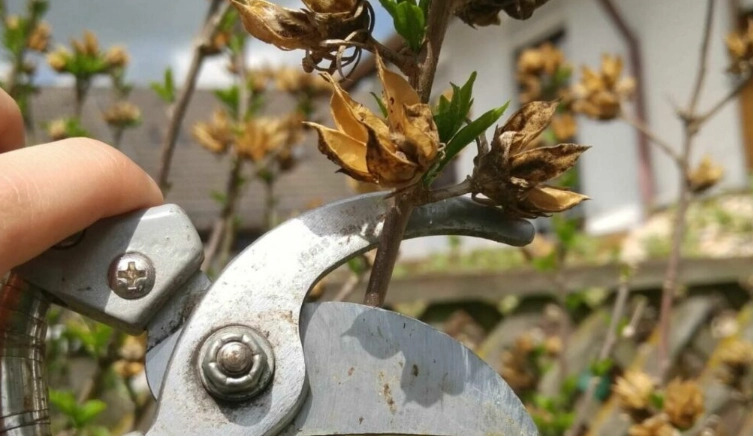
The Step-by-Step: How to Prune Hibiscus (Tropical Focus)
Let's get to the main event. Since tropical hibiscus pruning is more involved, we'll focus here. The principles of where to cut apply to both.
Step 1: The Clean-Out
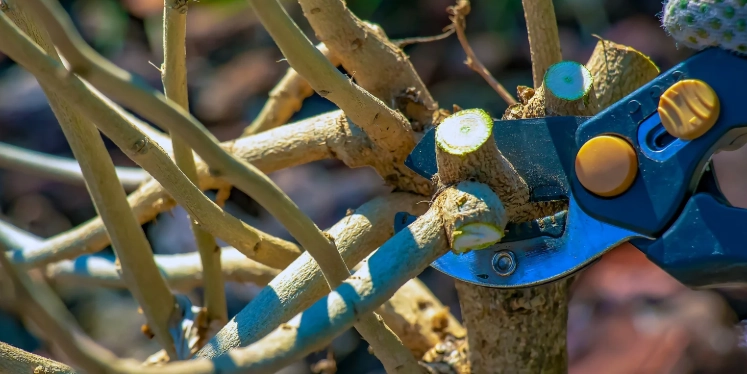
Before shaping, remove anything that's dead, diseased, or damaged. Cut these stems all the way back to their point of origin or to healthy wood. Also, look for any spindly, weak growth or stems that are crossing and rubbing against each other. Remove the weaker of the two. This opens up the plant's center.
Step 2: Shape and Reduce Height
Now, look at the overall shape. Decide how tall and wide you want it. To encourage branching, find a leaf node (that little bump where a leaf grows from the stem) that is facing the direction you want a new branch to grow – usually outward, not inward toward the center. Make your cut about 1/4 inch above that node, at a slight angle away from it.
Don't just cut the tips willy-nilly. Go stem by stem, cutting some back by one-third, others by half, to create a natural, layered look. The goal is to avoid that dreaded "meatball" shape.
Step 3: The Pinching Trick (For Summer Maintenance)
Throughout the growing season, you can "pinch" or snip off the very tip of a new, soft shoot. This stops that shoot from growing long and leggy and forces it to branch out into two new shoots right below the cut. More branches = more potential flower sites. It's the easiest way to keep your plant bushy.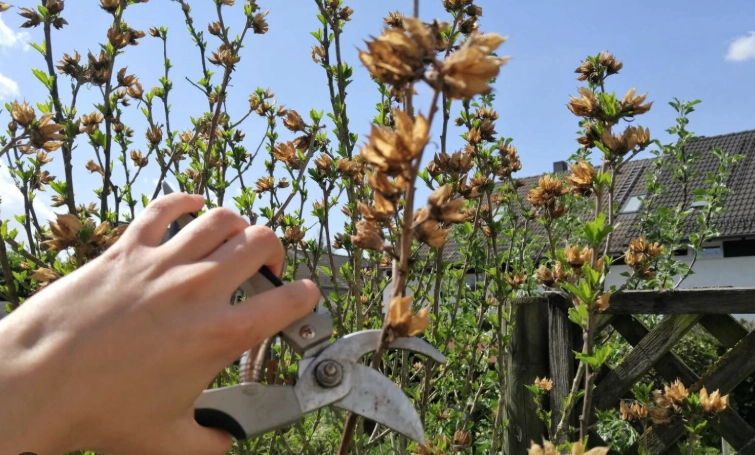
Pruning Hardy Hibiscus: The Spring Clean-Up
This is much more straightforward. In late winter/early spring:
- Wait for new red or green shoots to emerge from the ground.
- Using your loppers or strong hand shears, cut all of the previous year's dead, brown stems down to within 2-6 inches of the ground.
- Clear away the debris. That's it. The plant will do the rest, shooting up remarkably fast.
Some people with tree-form hardy hibiscus (like some Hibiscus syriacus cultivars) might do light shaping after flowering, but the main event is that spring ground-level cut.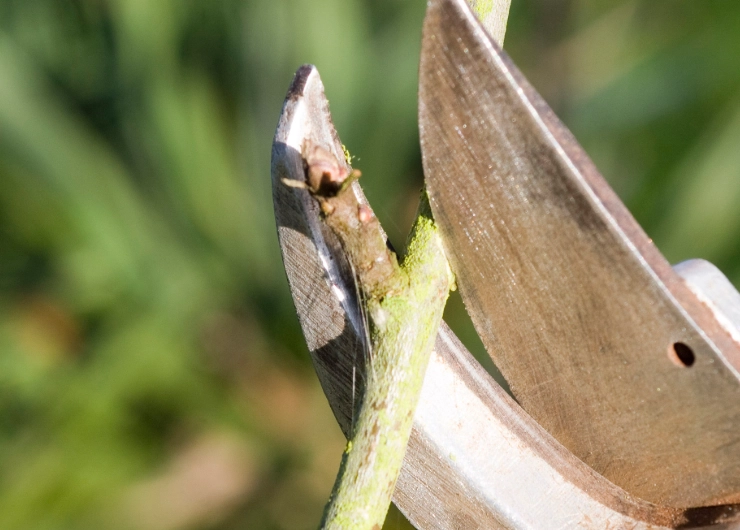
What to Do Right After You Prune
Your job isn't quite done. Post-prune care helps your plant bounce back stronger.
- Water Well: Give it a good drink to help ease any transplant shock (if you repotted) and support new growth.
- Hold the Fertilizer: Wait 4-6 weeks after a major prune before applying a balanced fertilizer. Let the plant focus on root and shoot development first. Then, a bloom-booster fertilizer (higher phosphorus) can help encourage flowers.
- Sunlight: Ensure it gets plenty of light. This is the energy source for all that new growth you just prompted.
Common Questions & Mistakes (The FAQ You Actually Need)
Putting It All Together: Your Pruning Checklist
Before you head out with your shears, run down this list:
- [ ] Identified my hibiscus type (Tropical vs. Hardy).
- [ ] Checked the calendar for the right season (Spring for tropicals after frost, Late Winter/Spring for hardies).
- [ ] Gathered sharp, clean bypass pruners (and loppers if needed).
- [ ] For Tropical: Plan to remove dead/damaged wood first, then shape by cutting above outward-facing nodes.
- [ ] For Hardy: Waited for new shoots, then cut all old stems to 2-6 inches from ground.
- [ ] Remembered not to fertilize immediately after.
Learning how to prune hibiscus is a skill that pays off for years. That initial fear transforms into confidence. You stop seeing it as a chore and start seeing it as the key to unlocking your plant's full potential. You're not just cutting; you're directing energy, shaping beauty, and setting the stage for a season of incredible color.
The best part? Even if you don't get it perfect the first time, these plants are forgiving. They want to grow. They want to bloom. By pruning, you're simply giving them a clear instruction manual: grow here, flower here, be strong and beautiful. Now go grab those pruners. Your hibiscus is waiting for its makeover.

Comments