Let's be honest. That little plastic clamshell of mint from the grocery store? It's a tragedy. Wilted, overpriced, and often flavorless. The soul of a great mojito isn't just the rum or the lime—it's the sharp, aromatic slap of fresh mint. And there's no mint fresher than the sprigs you just picked from your own plant. Growing mint for mojitos isn't just gardening; it's an upgrade to your entire home bar experience. It's easier than you think, but most guides miss the subtle details that separate a good plant from a great one. I've killed my share of mint through trial and error, and I've learned what actually works.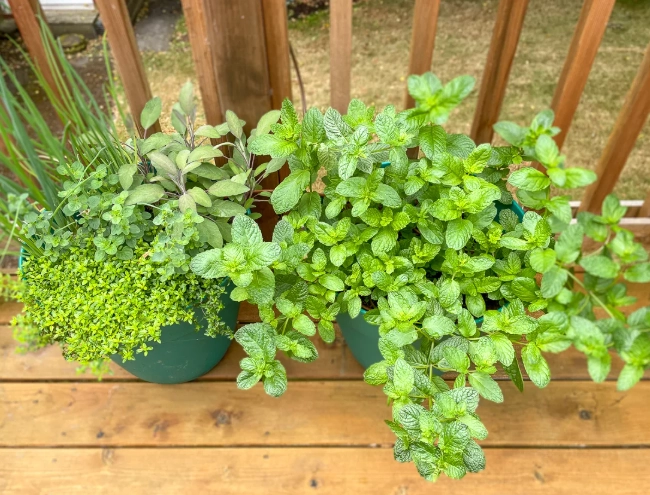
What You'll Learn in This Guide
Why the Right Mint Variety Matters for Mojitos
This is the biggest mistake beginners make. They grab any "mint" plant. All mint is not created equal for cocktails.
Peppermint is for candy canes and tea. It's too sharp, too medicinal, too much menthol. It will overpower your drink. What you want is Spearmint (Mentha spicata). Its flavor is sweeter, more rounded, with notes of carvone instead of an intense menthol blast. It's the classic, authentic mojito mint.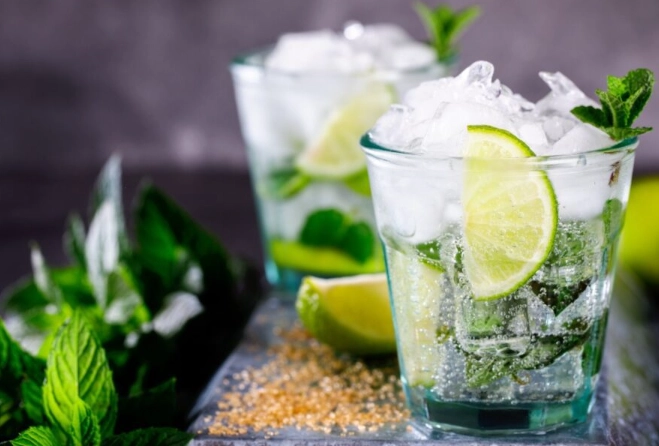
But let's get specific. Here’s a breakdown of the mint players:
| Mint Variety | Flavor Profile | Best For Mojitos? | Growth Habit |
|---|---|---|---|
| Spearmint | Sweet, mild, slightly tangy. The classic flavor. | YES. The gold standard. | Vigorous, spreads quickly. |
| Mojito/Cuban Mint | A spearmint type. Often slightly more robust. | YES. An excellent choice. | Very vigorous. |
| Peppermint | Strong, sharp, cooling (high menthol). | No. Overpowers the drink. | Vigorous, prefers cooler temps. |
| Chocolate Mint | Spearmint base with a subtle chocolate aftertaste. | Maybe (for a twist). Fun for experimentation. | Vigorous. |
| Pineapple Mint | Variegated leaves, fruity, milder flavor. | Not really. Too mild, better for garnish. | Less aggressive, good for mixed pots. |
I started with peppermint. My first mojito tasted like cough syrup. Lesson learned the hard way.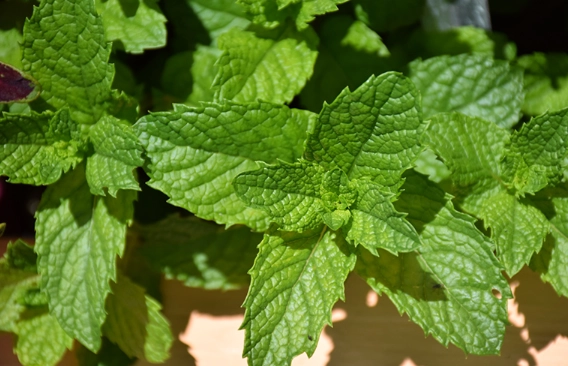
How to Plant and Care for Your Mojito Mint
Mint has a reputation for being indestructible. That's only half true. It's hard to kill, but easy to grow poorly. A struggling mint plant gives you weak, tasteless leaves.
Container Gardening is Non-Negotiable
Plant mint in the ground, and in a year, it's everywhere. It sends out underground runners (stolons) that will invade your entire garden. The Royal Horticultural Society even lists mint as potentially invasive. Always use a pot.
Pot size matters. A tiny 6-inch pot will need constant watering and stunt growth. Go for a 12-inch diameter pot or larger. Depth is less critical than width, as mint roots spread horizontally. Ensure it has excellent drainage holes.
Light, Water, and Food: The Trifecta
Light: Aim for 4-6 hours of direct sunlight. Morning sun with afternoon shade is ideal in hot climates. Less sun = leggy, weak growth. A south or east-facing windowsill works indoors, but a grow light is better for consistent results.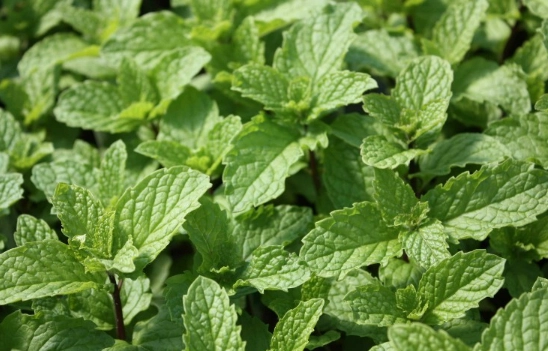
Water: This is where most people fail. The rule is water deeply, then let the top inch of soil dry out before watering again. Stick your finger in the soil. Is it damp? Wait. Constantly wet soil leads to root rot and flavorless leaves. In summer, you might water every other day. In cooler weather, once a week.
Food: Mint isn't a heavy feeder. A monthly dose of a balanced, water-soluble fertilizer (like a 10-10-10) during the growing season (spring to early fall) is plenty. Over-fertilizing gives you lots of soft, lush growth that's more susceptible to pests and has less concentrated flavor. Less is more.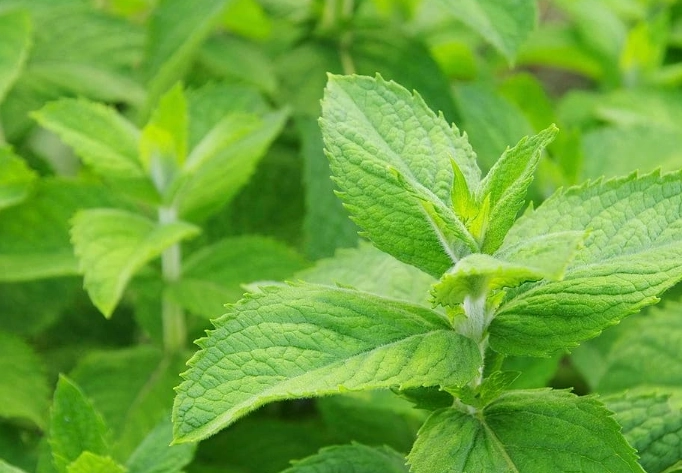
The Art of Harvesting and Storing for Maximum Flavor
Harvesting is how you shape your plant. Don't be timid.
When to Harvest: The essential oils are most concentrated just before the plant flowers, in the morning after the dew has dried. Pinch off flower buds to keep the plant in leaf-production mode.
How to Harvest: Never just pluck a few leaves from the top. This makes the plant tall and spindly. Instead, use clean scissors and cut a stem back by one-third to one-half, just above a set of leaves (a node). This encourages bushy growth from lower down. Take the longest stems. Your plant should look like you gave it a haircut.
Storing Fresh-Picked Mint: For immediate use, great. For later, the best method is the herb bouquet. Trim the stems, place them in a glass with an inch of water, and loosely tent a plastic bag over the top. Store in the fridge. It'll last a week this way. Change the water every couple of days.
What Are Common Problems When Growing Mint for Mojitos?
Mint is tough, but not immune.
Leggy, Sparse Growth: Not enough light. Move it to a sunnier spot. Also, you're not pruning hard enough.
Yellowing Lower Leaves: Usually overwatering. Let the soil dry out more. Could also be natural aging if it's just the very bottom leaves.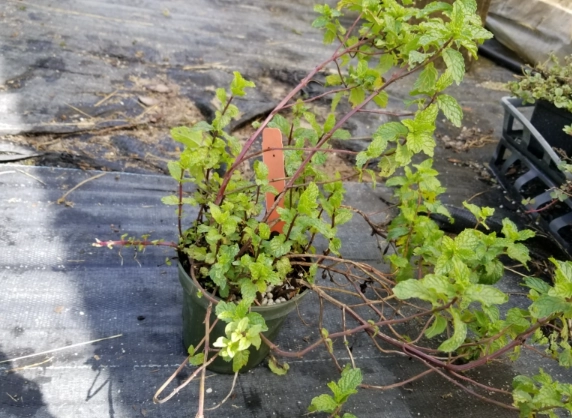
Rust (Orange spots on leaves): A fungal disease from poor air circulation and wet foliage. Avoid overhead watering. Remove affected leaves. Improve airflow around the plant.
Aphids or Spider Mites: Check the undersides of leaves. A strong blast of water from a hose often knocks them off. For persistent issues, insecticidal soap works. I rarely have pest issues on healthy, well-spaced plants grown outdoors.
The single biggest problem I see? People love their mint to death with too much water. Neglect is often better than over-attention.
Your Mint Plant: Beyond the Mojito Glass
You'll have more mint than you know what to do with. That's the goal.
Freeze mint-infused ice cubes for future mojitos. Dry some for teas (though flavor diminishes). Add fresh leaves to salads, grain dishes like tabbouleh, or steep in simple syrup for minty cocktails. Crush a leaf and rub it on your temples for a natural headache relief—the menthol in spearmint, while milder than peppermint, still has a cooling effect.
Growing mint connects you to the ritual of the drink. You tend the plant, you harvest with purpose, you muddle with respect. It transforms a simple cocktail into something you crafted from the ground up.
Quick Answers to Your Mint Questions
My mint tastes bland in mojitos. What did I do wrong?
Can I use any mint from the grocery store to start a plant for mojitos?
My mint keeps getting leggy and falling over. How do I fix it?
What's the best way to store fresh-picked mint for mojitos?

Comments