If you've ever brought home a potato vine, you know it can be either a showstopper or a headache—often depending on a few subtle details most guides gloss over. I've grown these vines for over a decade, and let me tell you, the standard advice out there misses the mark. This isn't just another generic plant care post; it's a deep dive from someone who's killed a few vines and learned why.
Quick Navigation: What's Inside
What is Potato Vine and Why Should You Grow It?
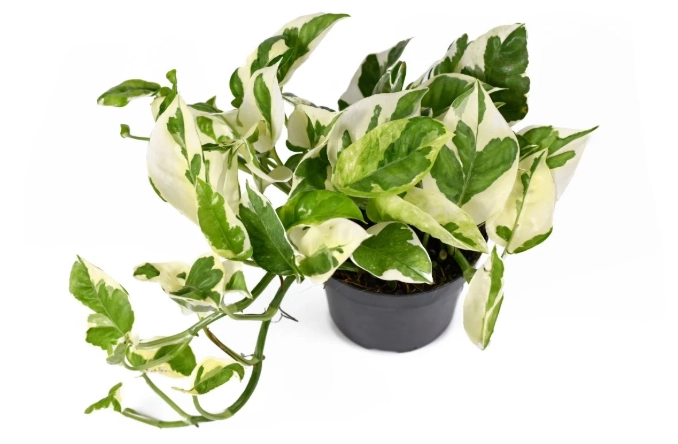
Potato vine, often called sweet potato vine (Ipomoea batatas), isn't the same as the veggie you eat—though they're cousins. It's a fast-growing ornamental plant with heart-shaped leaves that come in colors like purple, lime green, or variegated patterns. People love it for hanging baskets or ground cover because it spills over edges beautifully.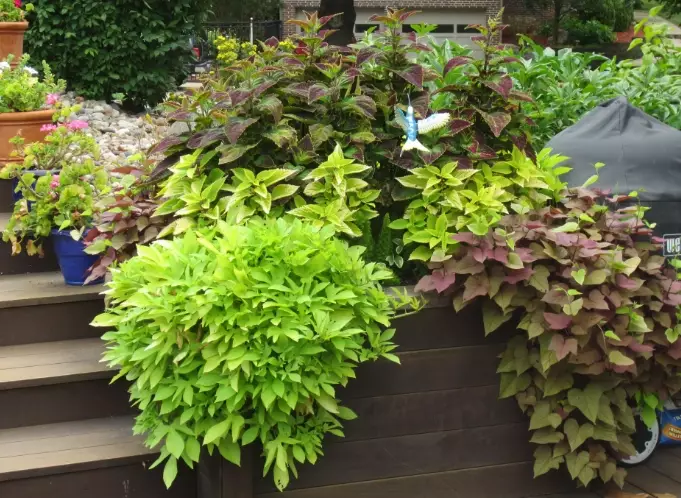
But here's something you won't hear often: it's surprisingly low-maintenance if you get the basics right. I started with one small pot, and now it's taken over a corner of my patio. The trick? Ignoring the "water every week" rule and paying attention to light.
How to Plant Potato Vine: A Step-by-Step Guide
Planting seems straightforward, but I've seen folks mess it up by rushing. Let's break it down.
Choosing the Right Pot and Soil
Go for a pot with drainage holes—non-negotiable. I learned this when a friend's vine drowned in a decorative pot without holes. Size-wise, start with something 12 inches wide; these vines spread fast. For soil, use a well-draining mix. I blend potting soil with perlite (about 3:1 ratio) to avoid soggy roots. The Royal Horticultural Society recommends similar mixes for container plants, and it works.
Planting Techniques for Success
Plant in spring after frost passes. Dig a hole twice as wide as the root ball, place the vine, and fill in gently. Water thoroughly right after. If you're planting multiple vines, space them 18 inches apart. I once crammed them too close, and they competed for light—ended up with sparse growth.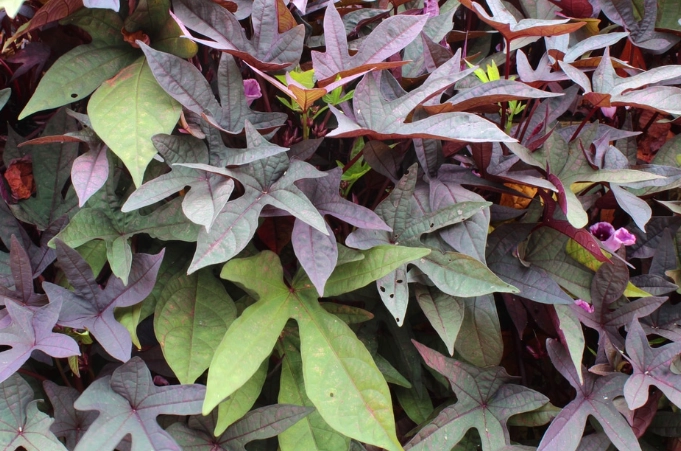
Potato Vine Care Essentials: Light, Water, and Food
This is where most guides fail. They treat potato vine like any other houseplant, but it has quirks.
Light Requirements: Finding the Sweet Spot
Potato vine needs bright, indirect light. Direct sun can scorch leaves, especially in hot climates. Mine thrives in an east-facing window where it gets morning sun. If leaves start fading, it's begging for more light. But here's a nuance: in low light, growth slows, and you must cut back on water. I've seen people overwater in dim rooms, leading to root rot.
Watering Wisdom: Avoid Overwatering
Water when the top 1-2 inches of soil feel dry. Stick your finger in—it's old-school but reliable. In summer, that might be every 5-7 days; in winter, every 2-3 weeks. I use a moisture meter now because I've been fooled by dry surfaces. Overwatering is the top killer, and it's sneaky; yellow leaves don't show up until it's too late.
Feeding Your Vine: Fertilizer Tips
Use a balanced, water-soluble fertilizer (like 10-10-10) every 6-8 weeks during growing season. Skip it in fall and winter. A common mistake? Over-fertilizing for faster growth. I did that once, and the leaves turned brittle. Less is more here.
Pro Tip: If your vine looks leggy, pinch back the tips. It encourages bushier growth. I do this monthly in spring—makes a huge difference.
Common Problems and How to Fix Them
Even with care, issues pop up. Here's a quick table based on my experience.
| Problem | Likely Cause | Solution |
|---|---|---|
| Yellow leaves | Overwatering or poor drainage | Let soil dry out; repot with better drainage |
| Brown edges | Low humidity or too much sun | Mist leaves or move to indirect light |
| Slow growth | Insufficient light or nutrients | Increase light exposure; fertilize lightly |
| Pests (e.g., aphids) | Dry conditions or overcrowding | Wipe with soapy water; improve air flow |
Pest control is often overlooked. Spider mites love potato vine in dry indoor air. I combat them by wiping leaves with a damp cloth weekly. For severe cases, neem oil works—but test on a small area first.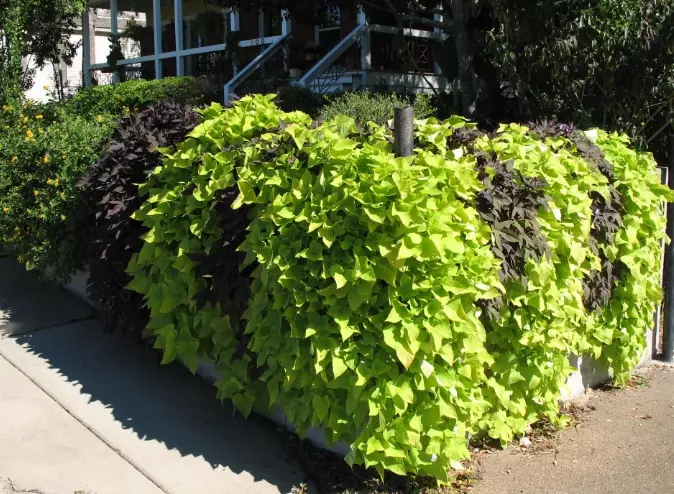
Propagation Made Easy: Multiply Your Vines
Want more plants for free? Propagation is simple. Take stem cuttings 4-6 inches long, remove lower leaves, and place in water or moist soil. Roots appear in 1-2 weeks. I prefer water because you can see progress. Once rooted, plant as usual. I've given away dozens of cuttings to friends—it's that easy.
Timing matters: do it in spring or early summer for best results. I tried in winter, and it took forever.
Personal Insights: Lessons from My Garden
Let me share a story. A few years back, I moved my potato vine to a south-facing window, thinking more sun equals better growth. Within weeks, the leaves bleached and curled. I had to prune it back hard and move it. It recovered, but it taught me that gradual acclimation is key. Now, I shift plants slowly over a week.
Another thing: potato vine can get invasive outdoors. In my garden, it started choking out other plants. I had to install barriers. If you're planting in-ground, keep it contained or be ready to trim regularly.
Honestly, this plant isn't perfect. It can be messy if neglected, and some varieties attract more pests. But with a bit of attention, it rewards you with lush growth year-round.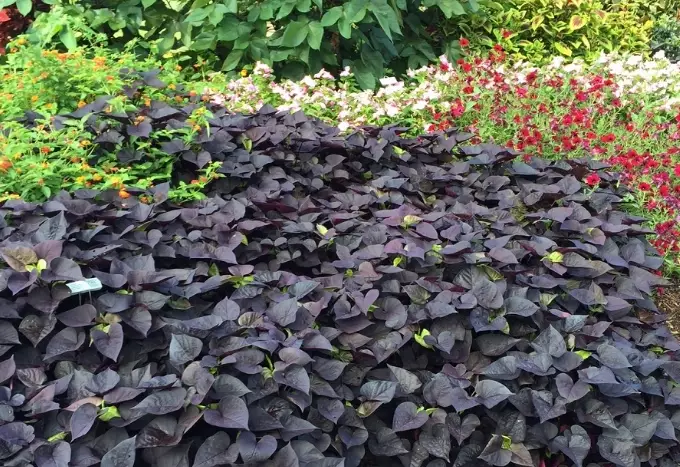
Frequently Asked Questions
That wraps it up. Potato vine is a gem if you treat it right. Start with these tips, and don't be afraid to experiment—gardening is all about learning from mistakes. Happy growing!

Comments