You brought home a perfect little succulent. It was plump, symmetrical, and fit snugly in its cute ceramic pot. Fast forward a year, and now it's leaning to one side, spilling over the edges, or worse—the leaves are soft and yellowing at the base. Sound familiar? The problem isn't that you're a bad plant parent. The problem is likely that your succulent is screaming for a new home. Replanting, or repotting, isn't just an aesthetic choice; it's a critical maintenance task for long-term succulent health. Done wrong, it can send your plant into shock or cause fatal root rot. Done right, it's like hitting the reset button for vigorous new growth.
What You’ll Learn in This Guide
When Is the Best Time to Replant Succulents?
Timing is everything. Most guides will tell you "spring or summer," and they're not wrong. That's when succulents are actively growing and can recover fastest. But here's the nuance everyone misses: the absolute worst time to repot is right after you buy a plant from a big-box store. Those plants are often grown in dense, peaty soil that holds too much water. Your instinct is to "save" it immediately by putting it in better soil. Resist. The plant is already stressed from transport and new lighting. Give it 1-2 weeks to acclimate to your home first, then repot.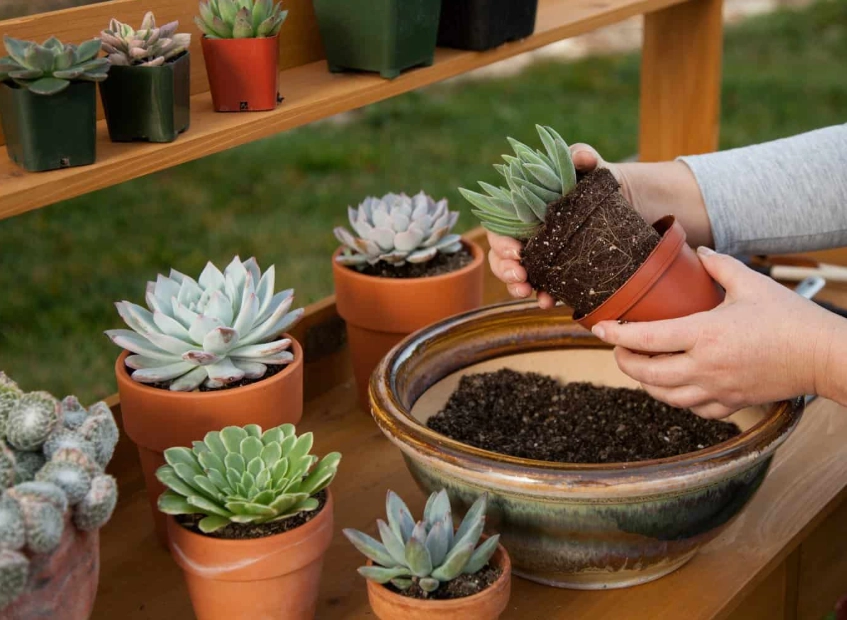
Look for these specific signs that your succulent needs a new pot now, regardless of the season:
- Roots are escaping: You see roots growing out of the drainage hole or creeping over the top of the soil.
- The pot is top-heavy: The plant looks like it might tip over because its rosette or stems are much wider than the pot.
- Water runs straight through: When you water, it immediately pours out the bottom. This means the roots have filled the pot and there's little soil left to retain moisture.
- Stunted growth or pale leaves: The plant hasn't grown in a year, or new leaves are smaller and less vibrant. It's out of nutrients.
- Suspect soil: The current soil stays soggy for days, smells musty, or has a white crust (mineral buildup).
Expert Tip: If you must repot in fall or winter (say, to address root rot), do it but keep the plant in a warmer spot (above 60°F/15°C) and be extra stingy with water. It will recover slowly, but survival is the goal.
Gathering Your Tools: The Non-Negotiable Materials
You don't need fancy gear, but skipping the essentials is a recipe for failure. Here’s your shopping list:
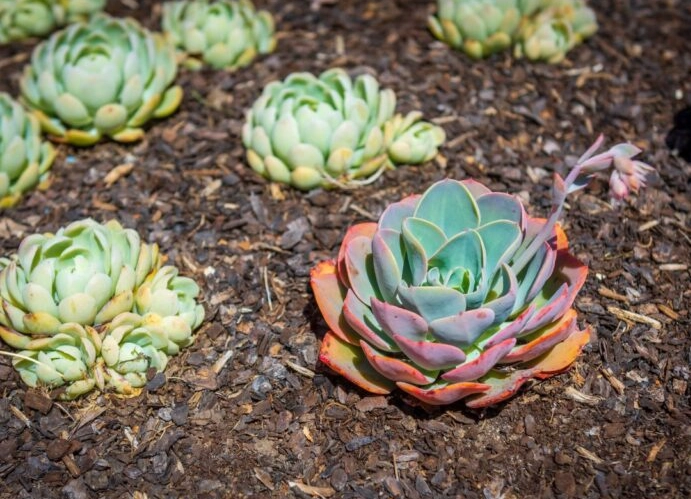
- A new pot: Only 1-2 inches wider in diameter than the old one. Too big = too much wet soil = root rot. Terracotta is king for its breathability, but ceramic with a drainage hole works. No hole? Don't even think about it.
- Fresh potting mix: Do not use garden soil or generic potting soil. We'll build the perfect mix next.
- Coarse drainage material: Perlite, pumice, or coarse horticultural sand. This is non-negotiable for aeration.
- Trowel or spoon: For moving soil.
- Protective gear: Gloves (some succulents have irritants) and newspaper/paper towels for the mess.
- Sharp, clean scissors or pruning shears: For root surgery.
- A chopstick or skewer: Seriously. It's the best tool for gently loosening root balls and poking soil into gaps.
The Secret Sauce: Crafting the Perfect Succulent Soil Mix
This is where most replanting efforts fail. Bagged "cactus and succulent mix" from the store is often still not gritty enough. I've lost more plants to pre-mixed bags that retained moisture than I care to admit. You need to amend it.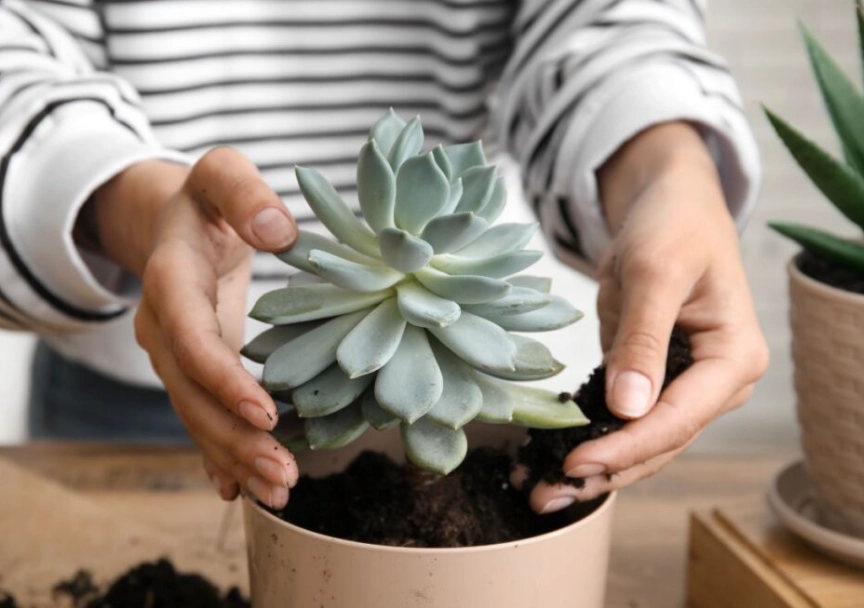
The golden rule: Your mix should drain so fast that you wonder if you even watered it. A study from the University of California's Agriculture and Natural Resources department emphasizes the importance of rapid drainage for preventing Phytophthora and other root rot pathogens.
Here are two reliable recipes. Mix them thoroughly in a bucket before you start.
| Mix Name | Ingredients | Best For | Why It Works |
|---|---|---|---|
| The All-Rounder | 2 parts bagged succulent/cactus mix + 1 part perlite + 1 part pumice or coarse sand | Most common succulents (Echeveria, Sedum, Haworthia) | Improves store-bought mix dramatically. Perlite aerates, pumice provides weight and moisture retention without sogginess. |
| The Gritty Mix (My Go-To) | 1 part pine bark fines (sifted) + 1 part pumice or turface + 1 part crushed granite or coarse sand | Succulents prone to rot (Lithops, Split Rocks, overwatered rescue plants) | Minimal organic material. Drains almost instantly. Mimics rocky natural habitats. You must fertilize lightly during growing season. |
| The Simple Fix | 1 part standard potting soil + 2 parts perlite or pumice | If you only have regular potting soil on hand | Quick emergency mix. Much better than pure potting soil, but not as good as the mixes above. |
Feel the difference. A good mix won't clump; it'll feel loose and gritty, like coarse beach sand with little bits of rock and bark.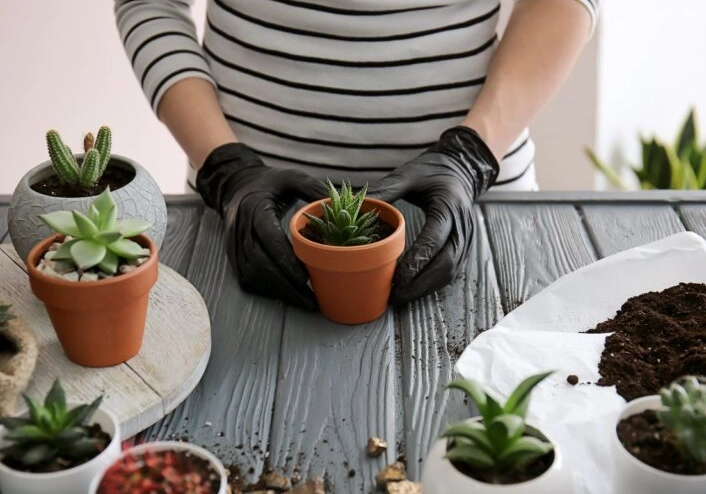
How to Repot a Succulent Step-by-Step
Let's walk through the process. I'm assuming you're repotting a common rosette-type succulent like an Echeveria.
Step 1: The Dry Extraction
Do not water your succulent for at least a week before replanting. Dry soil falls away from roots more easily, and dry roots are less brittle and prone to damage. Tilt the pot sideways and gently squeeze/flex it. Support the plant at its base (not by a leaf!) and coax it out. If it's stuck, run a knife around the inside edge of the pot.
Step 2: Root Inspection and Surgery
This is the most overlooked step. Gently shake and brush off the old soil. Now, look closely.
Healthy roots are white or light tan and firm.
Unhealthy roots are dark brown/black, mushy, or papery and crumble when touched.
Using your clean shears, snip off all the unhealthy roots. Don't be shy. It's better to remove a rotten root system entirely and encourage the plant to grow new ones than to leave rot in the pot. If you do major surgery, let the plant sit out on a paper towel in the air for a day or two to callus over the cuts. This prevents infection when planted in damp soil.
Common Mistake: People see a tight root ball and just plop the whole thing into a bigger pot. This "root-bound" mass often has dead roots in the center that can harbor rot. Always loosen the roots gently with your fingers or a chopstick to allow them to spread into the new soil.
Step 3: Pot Preparation and Planting
Place a small piece of mesh or a broken pottery shard over the drainage hole to keep soil in. Add a layer of your fresh, dry potting mix to the bottom so that when you place the plant on top, its base will sit just below the rim of the pot.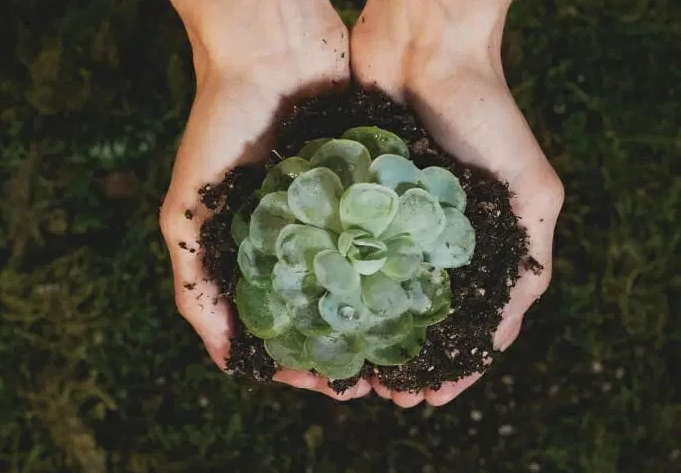
Hold the succulent centered in the pot. With your other hand, use a trowel or cup to pour soil around the roots. Do not pack it down. Tap the pot on the table to help soil settle. Use your chopstick to gently poke soil into any air pockets around the roots—this is crucial for root-to-soil contact.
Step 4: The Top Dressing (Optional but Smart)
Add a thin layer of decorative gravel, crushed rock, or coarse sand on top of the soil. This isn't just for looks. It keeps the base of the plant dry (preventing stem rot), reduces evaporation, and stops soil from splashing onto leaves during watering.
The Critical Aftercare: What to Do (and Not Do) After Replanting
Here’s where patience is tested. Your instinct will be to water it. Fight that instinct.
- Do NOT water immediately: You've likely caused microscopic tears in the roots. Watering now invites rot. Wait 5-7 days, sometimes even up to 10 for plants that had significant root work.
- Provide bright, INDIRECT light: No direct sun for at least a week. The plant is stressed and can sunburn easily. A bright windowsill without harsh afternoon rays is perfect.
- Resume watering cautiously: After the waiting period, give it a thorough soak until water runs out the bottom. Then, let it dry out completely before watering again. This encourages roots to grow outward seeking moisture.
- Hold the fertilizer: Don't fertilize for at least a month. Fresh soil has nutrients. Let the plant focus on root establishment.
You might see some bottom leaves withering in the first few weeks. This is normal. The plant is reallocating energy to root growth. Only worry if the new growth at the center looks mushy or discolored.

Comments