Let's talk about getting more peperomia plants for free. It's one of the most satisfying parts of being a houseplant parent. You look at your full, healthy Peperomia obtusifolia or your trailing Peperomia prostrata and think, "I want another one of those." Good news: propagating peperomia is genuinely easy, even if you've killed a few cuttings before. I've been doing this for years, and I still remember the first time a leaf cutting rotted because I did what every blog said and kept it soggy. We'll avoid that.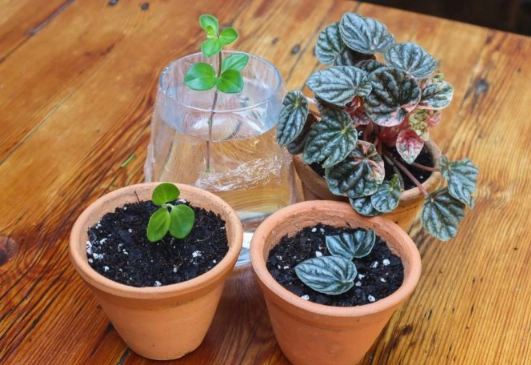
What You'll Learn Inside
What You Absolutely Need Before You Start
Gathering the right stuff takes five minutes and prevents most failures. Don't just grab scissors and a cup.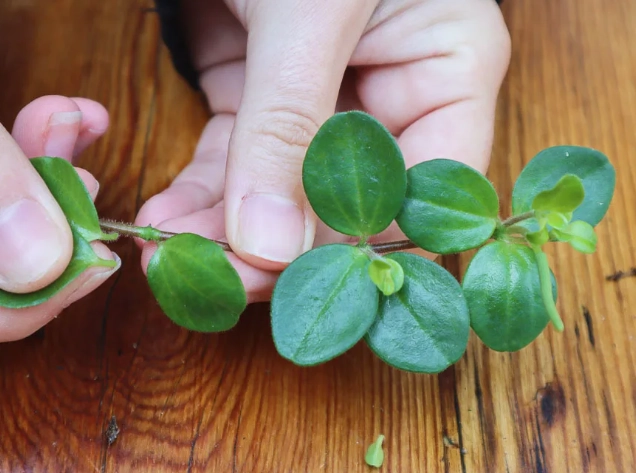
The Non-Negotiable Toolkit
You need clean, sharp tools. I use a dedicated pair of floral snips or a brand-new razor blade wiped with rubbing alcohol. Dull scissors crush the stem, creating an open wound that invites rot. A clean cut heals faster.
For rooting medium, you have choices. A well-draining mix is key. I blend two parts regular potting mix with one part perlite and one part coarse orchid bark. For water propagation, any clean glass jar works, but I prefer opaque ones. Some say roots develop better in darkness, and it definitely slows algae growth.
Choosing Your "Mother Plant"
This is where people mess up. Don't take cuttings from a sick or struggling plant. It's tempting to try to save a dying plant through propagation, but weak parents make weak babies. Choose a stem or leaf that's mature, firm, and shows no signs of pests or yellowing.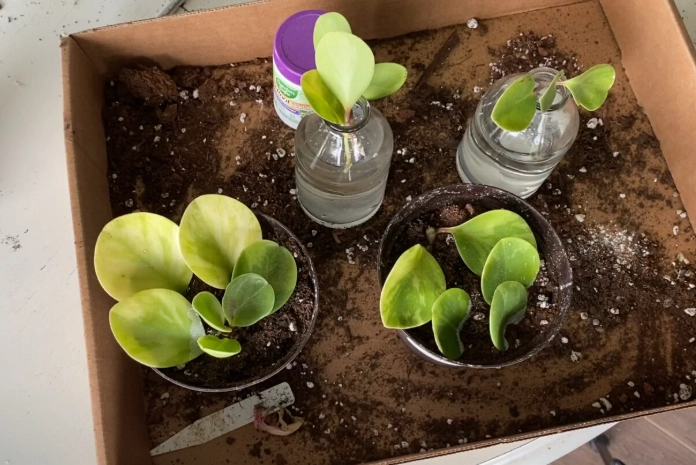
Look for a stem with at least 3-4 nodes (those little bumps where leaves grow) or a plump, healthy leaf from the middle of the plant. Avoid the very old, leathery leaves or the tiny, new ones at the tip.
The Foolproof Leaf Cutting Method
Leaf propagation is magical. A whole new plant from a single leaf. It works brilliantly for types like Peperomia caperata (the ripple peperomia), Peperomia polybotrya (raindrop), and most thick-leaved varieties.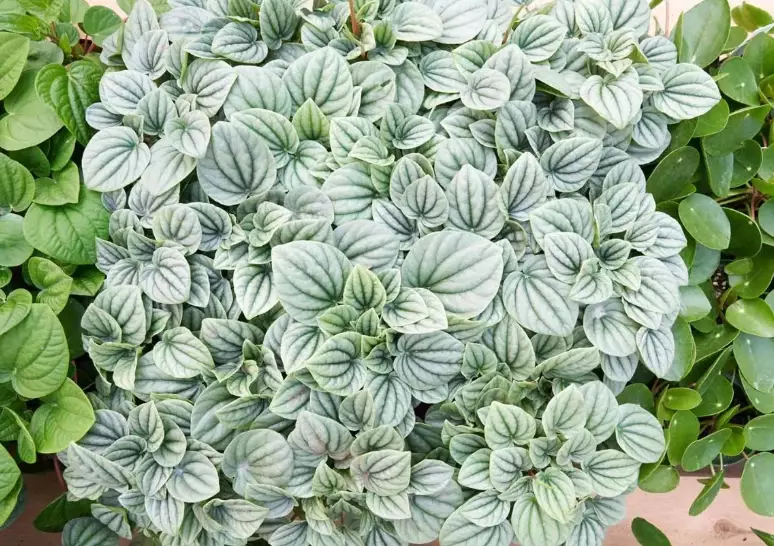
Step-by-Step: From Leaf to Life
First, select your leaf. Gently wiggle it side-to-side until it snaps off at the base, or use your sterilized tool to cut it, leaving a tiny bit of petiole (leaf stem).
Here's the expert tip nobody talks about: let the cut end callous. Don't stick it in soil or water right away. Lay the leaf on a paper towel out of direct sun for a few hours, even up to a day. This seals the wound and is the single biggest factor in preventing rot. I've lost more cuttings to impatience than anything else.
Now, for planting. You can do the classic soil method or try water.
- Soil Method: Fill a small pot with your damp mix. Make a small hole. Dip the calloused end in rooting hormone powder (optional but helpful). Insert the leaf about half an inch deep, propping it up so the leaf blade isn't lying flat on the soil. You can use a chopstick for support.
- Water Method: Suspend the leaf so only the calloused petiole touches the water. Use plastic wrap over a jar with a hole poked in it, or special propagation stations. Change the water weekly.
Place it in bright, indirect light. No direct sun. Then, wait. And wait. Leaf propagation is slow. Roots may appear in 3-6 weeks, but a tiny plantlet (a pup) forming at the base of the leaf can take 2-4 months. Keep the soil slightly moist, not wet. For water, just top it off.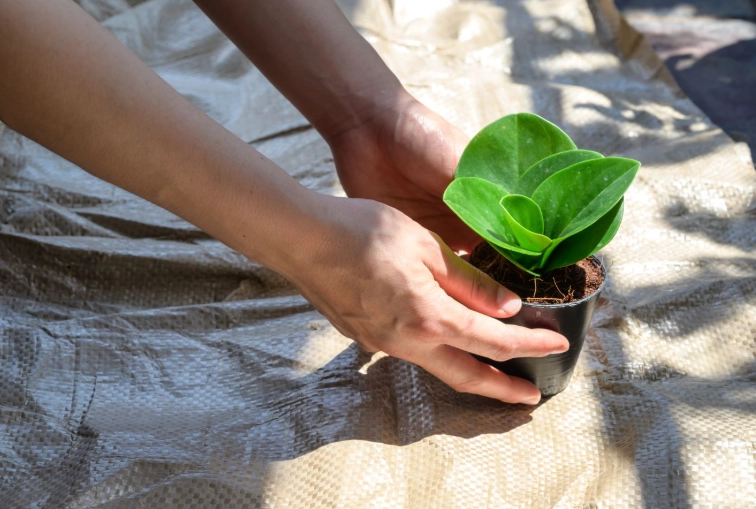
Faster Results with Stem Cuttings
If you want a new plant faster, stem propagation is your friend. This is ideal for vining types like Peperomia scandens or bushy ones where you want to trim back leggy growth.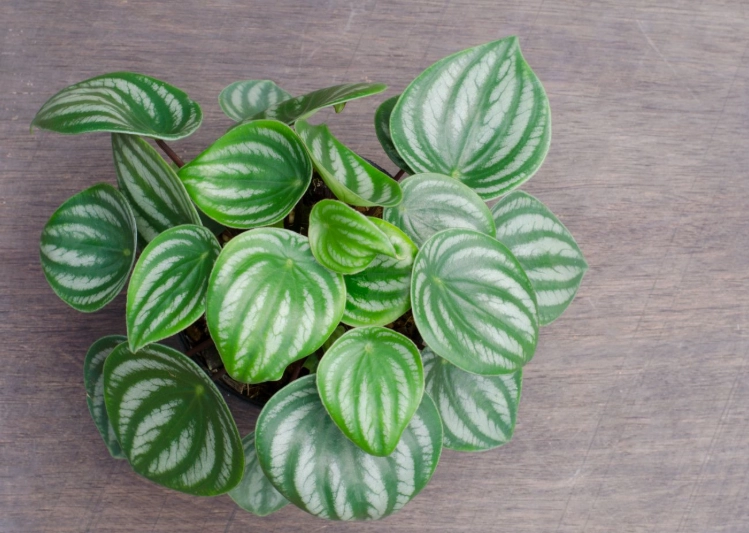
Find a stem with a few leaves. Using your clean tool, cut about 3-4 inches down, making sure you have at least one node (preferably two or three) on the cutting. The node is where roots will emerge.
Remove the leaves from the bottom node or two. This gives you a clean section to insert into water or soil. Let the cutting callous for a few hours, just like the leaf.
You can root stem cuttings in water or soil directly. Water lets you see the progress, which is gratifying. Soil often leads to a stronger root system from the start. For soil, plant the cutting deep enough to cover the bare nodes. Firm the soil gently.
My go-to for quick results. Almost never fails.| Method | Best For | Rooting Time | My Personal Preference |
|---|---|---|---|
| Leaf in Soil | Thick-leaved types (Obtusifolia, Caperata) | Slow (2-4 months for a plantlet) | Reliable, less fuss. I set up a tray and ignore it. |
| Leaf in Water | Beginners who need visual proof | Slow (1-2 months for roots) | Fun to watch, but algae is annoying. |
| Stem in Water | Vining/trailing types (Scandens, Prostrata) | Fast (2-4 weeks for roots) | |
| Stem in Soil | Creating a full plant faster, avoiding transplant shock | Medium (3-6 weeks for establishment) | Best if you can provide consistent humidity. |
Water vs. Soil: Which is Actually Better?
This debate is endless. Here's my take after propagating hundreds of cuttings.
Water propagation is fantastic for stem cuttings. You see the white, healthy roots developing. It's confidence-building. The downside? Those roots are "water roots." They're adapted to living in water and can be fragile when moved to soil. You must transition them carefully, keeping the soil extra moist for the first week or two.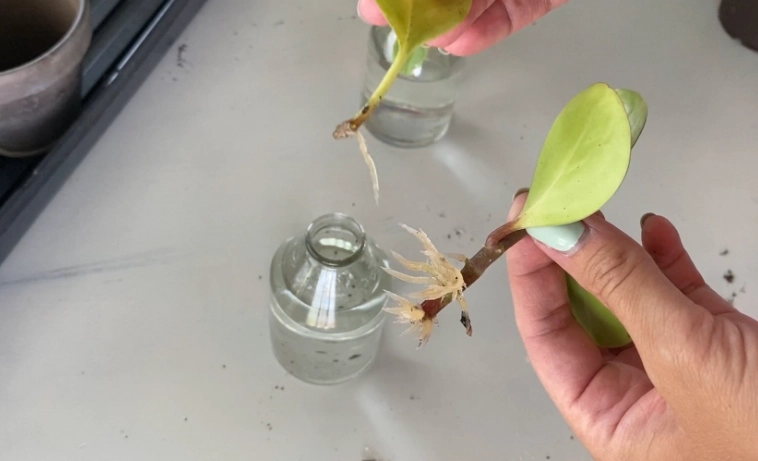
Soil propagation skips the transition phase. The roots that form are "soil roots"—tougher and ready to go. The catch is you're working blind. You have to trust the process. A clear plastic cup as a pot can help you see root growth at the edges.
My rule of thumb: For beginners, start stems in water for the instant gratification. For leaves, go straight to soil—they sit there so long that water often leads to rot before anything happens.
What to Do After Your Cuttings Root
Success! You see roots or a new pup. Now what?
If you rooted in water, don't rush the move to soil. Wait until the roots are at least an inch or two long and have some secondary branching (little roots off the main roots). Gently plant in a small pot with well-draining mix. Water it thoroughly and place it back in bright, indirect light. For the first week, you might even cover it loosely with a clear plastic bag to boost humidity and reduce shock. Open it daily for air.
For cuttings started in soil, once you see new leaf growth, you know it's established. You can start treating it like a normal, young peperomia.
Care for your new baby:
- Light: Bright, indirect light. An east-facing window is perfect.
- Water: Let the top inch of soil dry out before watering thoroughly. Peperomias store water in their leaves and stems—overwatering is the #1 killer.
- Pot: Keep it in a small pot. Peperomias like to be slightly root-bound and hate sitting in a large volume of wet soil.
It will take 6-12 months to grow into a respectable-sized plant. Enjoy the slow journey.
Your Peperomia Propagation Questions, Answered
Why did my peperomia leaf cutting turn to mush?
Rot. Almost always from too much moisture and not enough air circulation. The cutting was either not calloused, planted in soaking-wet soil, or covered with a humidity dome that was never vented. Next time, let it callous, use barely-damp soil, and if you use a cover, take it off for an hour each day.
Is it better to propagate peperomia in water or soil?
There's no universal "better." Water is great for monitoring stem cuttings but requires an extra transplant step. Soil is more set-and-forget for leaf cuttings and avoids transplant shock. Choose based on your plant type (see the table above) and your personal patience level for wanting to see roots.
How long does peperomia propagation take?
Stem cuttings in water can show roots in 2-4 weeks. Leaf cuttings in soil might take 2 months just to show roots, and 4+ months before a tiny plant appears. Temperature and light affect this greatly. A warm, bright spot speeds things up; a cool, dark windowsill slows it to a crawl.
Can you propagate a peperomia from just a leaf without a stem?
Yes, but with a caveat. For most peperomias, you need at least a tiny piece of the petiole (leaf stem). If you just cut the leaf blade itself without that connection point, it might root but will almost never produce a new plant—it just sits there. Always try to get that little stem attached.
My water-propagated stem has roots, but they look brown and slimy.
That's rot, usually from not changing the water. Bacteria and algae build up. Change the water completely at least once a week. Rinse the roots gently under lukewarm water when you do. Using an opaque container also helps inhibit algae growth.
When should I fertilize my new peperomia plant?
Wait. Don't fertilize for at least 3-4 months after potting, or until you see significant new growth. The fresh potting mix has nutrients. Fertilizing a tiny, establishing root system can burn it. When you do start, use a diluted, balanced liquid fertilizer at half strength, and only during the growing season.

Comments