In This Guide
- So, What Exactly Is a Peperomia Plant?
- Why Has the Peperomia Plant Become So Wildly Popular?
- Navigating the Jungle: A Look at Common Peperomia Types
- The Real Deal on Peperomia Plant Care (No Fluff)
- Common Problems & How to Actually Fix Them
- How to Propagate Your Peperomia Plant (It's Easier Than You Think)
- Advanced Tips & Styling Your Peperomia
- Final Thoughts: Is a Peperomia Plant Right for You?
Let's be honest, we've all killed a plant or two. Maybe you over-loved it with water, or perhaps it just silently gave up in a dark corner. I've been there. That's why when I first got a peperomia plant, I was skeptical. It looked too good to be true – those thick, patterned leaves promised resilience. But you know what? It thrived. And it didn't just survive my occasional neglect; it became a cornerstone of my plant collection.
Peperomia plants, often just called "peps" by enthusiasts, are having a major moment. And for good reason. They're not some fleeting trend. They're the reliable, stylish, and forgiving houseplant that many of us have been searching for. Whether you live in a dim apartment or just want something that won't demand a PhD in botany, there's probably a peperomia variety that's perfect for you.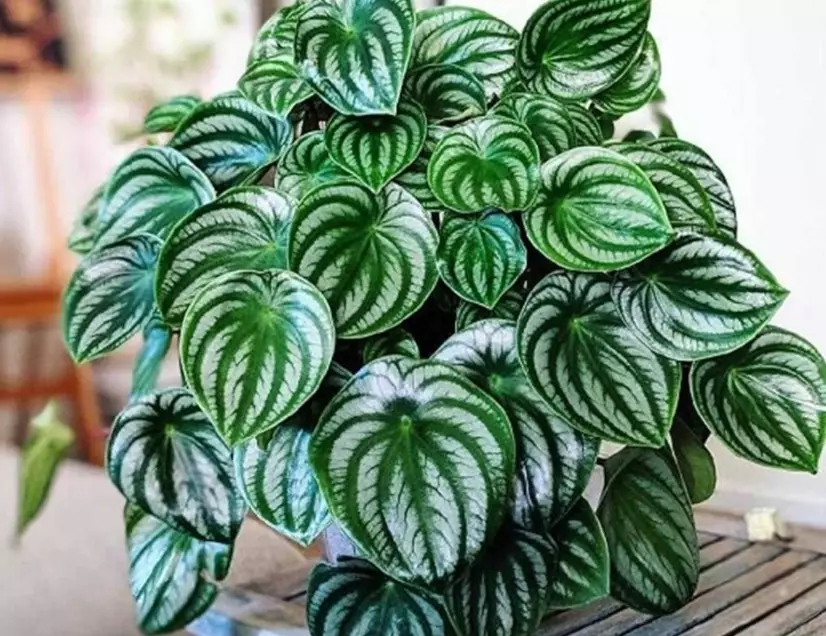
But here's the thing. While they're marketed as "easy," they have their quirks. Get those wrong, and you'll join the club of people wondering why their peperomia's leaves are dropping or turning mushy. This guide isn't just a rehash of basic tips. It's the deep dive I wish I had when I started – pulling from experience, chatting with other plant parents, and sifting through expert resources to give you the real story on peperomia care.
So, What Exactly Is a Peperomia Plant?
Peperomia isn't just one plant. It's a massive genus containing over 1,500 species, most of which are compact, tropical perennials native to Central and South America. They're part of the Piperaceae family, which makes them distant cousins to the black pepper plant (piper nigrum). You can sometimes see the resemblance in the flower spikes, which look like slender, tail-like rat tails – not showy, but kind of charming in a weird way.
Their appeal lies in the foliage. My goodness, the foliage. We're talking about leaves that can be rippled, striped, heart-shaped, oval, or even resemble a watermelon's rind. They come in shades of deep green, silver, red, and cream. The texture is often succulent-like; many types have thick, fleshy leaves that store water. This is your first clue to their care: they're built for some drought.
Why Has the Peperomia Plant Become So Wildly Popular?
Walk into any modern home store or browse a plant influencer's feed. You'll see peperomias everywhere. Their popularity isn't an accident. It's a perfect storm of plant traits meeting modern lifestyles.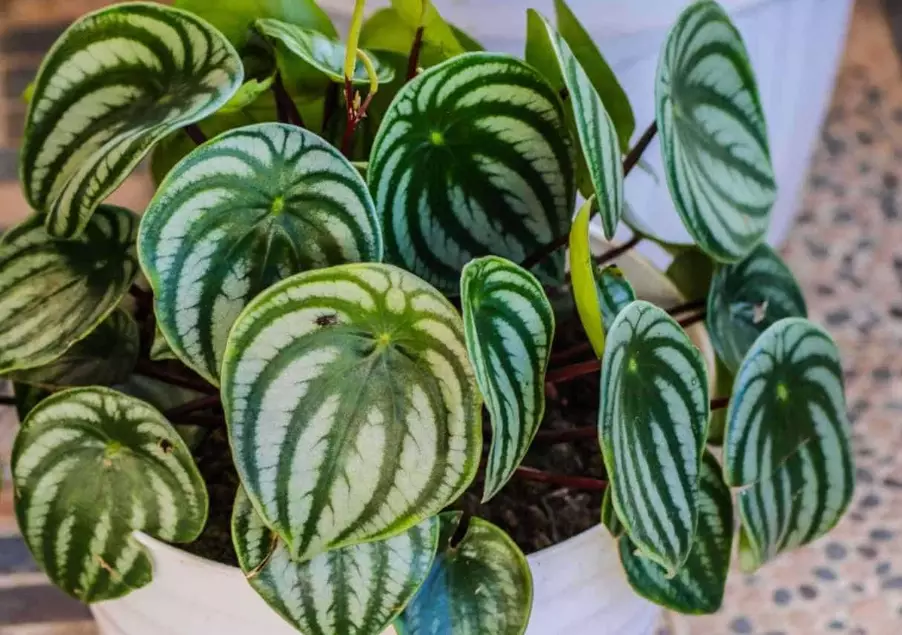
First, they're the ideal scale for today's living spaces. Most are naturally compact and slow-growing. You won't need to repot a peperomia plant every six months or worry about it taking over your desk. They're perfect for shelves, small side tables, and terrariums.
Second, they are notoriously forgiving of lower light. Now, I need to be clear here – no plant truly thrives in a dark dungeon. But many peperomia varieties, like the Peperomia caperata (Emerald Ripple) or Peperomia obtusifolia, can handle the indirect light of a north-facing window or a spot further back from a bright one. This makes them a top contender for offices and rooms with fewer windows.
Finally, there's the visual diversity. You can create an entire collection of just peperomias without it looking repetitive. From the silvery stripes of the Peperomia argyreia (Watermelon Peperomia) to the deep, quilted leaves of the Peperomia caperata 'Rosso', there's a texture and color for every aesthetic. It's like collecting living art.
Navigating the Jungle: A Look at Common Peperomia Types
This is where it gets fun. Choosing your first (or fifth) peperomia plant. To make sense of the variety, it helps to group them by their growth habit and leaf type. Care can differ slightly between groups.
| Type / Common Name | Key Identifying Features | Light Preference | Why You Might Love It | One Thing to Watch |
|---|---|---|---|---|
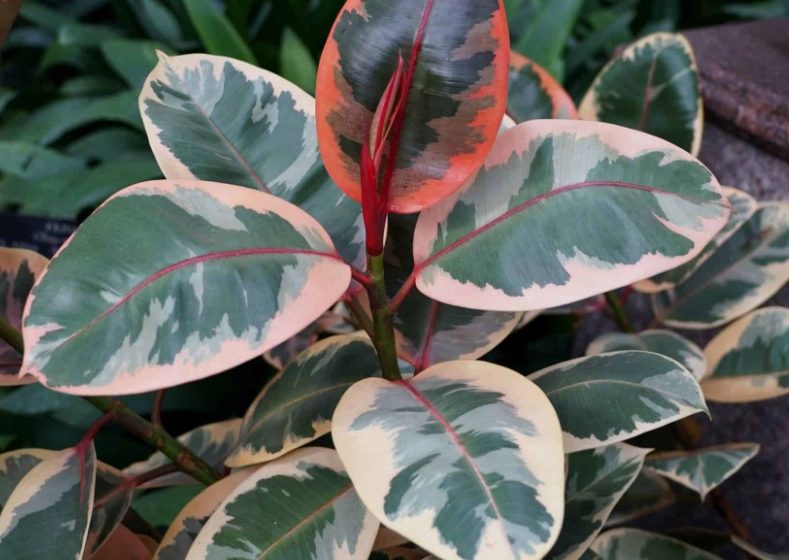
| Peperomia obtusifolia (Baby Rubber Plant) | Thick, glossy, spoon-shaped leaves. Often has variegated (green & cream) forms. | Medium to bright indirect. | Incredibly sturdy and classic look. Tolerates occasional dryness well. | Can get leggy if light is too low. Prone to overwatering. |
| Peperomia argyreia (Watermelon Peperomia) | Round leaves with stunning silver stripes on a green background, resembling a watermelon. | Medium indirect light. | It's a showstopper. The patterning is unreal and always a conversation starter. | Leaves can be delicate. Avoid direct sun which fades the stripes. |
| Peperomia caperata (Emerald Ripple/Radiator Plant) | Deeply corrugated, heart-shaped leaves. Comes in green, red, and silver varieties. | Low to medium indirect. | The texture is amazing. It's a compact, clumping plant perfect for small spaces. | Prefers slightly higher humidity than some others. |
| Peperomia scandens (Cupid Peperomia) | Vining/trailing habit with heart-shaped, green or variegated leaves. | Medium indirect light. | Perfect for hanging baskets or high shelves. Grows faster than bushy types. | Can look sparse if not given enough light to encourage full growth. |
| Peperomia graveolens (Ruby Glow) | Succulent-like, red-edged leaves that grow in a v-shape. Very architectural. | Bright indirect light. | It looks like a succulent but acts like a tropical. Unique color and form. | Needs excellent drainage and brighter light to maintain red color. |
See what I mean? The variety is staggering. My personal favorite for beginners is the Peperomia obtusifolia. It's tough. But my heart belongs to the Watermelon Peperomia, even though I've had a couple of mishaps with it. Its leaves are just so darn pretty.
The Real Deal on Peperomia Plant Care (No Fluff)
Okay, let's get down to the nitty-gritty. How do you actually keep these things alive and happy? Forget the one-size-fits-all advice. Here’s a layered look at what they need.
Light: The Golden Rule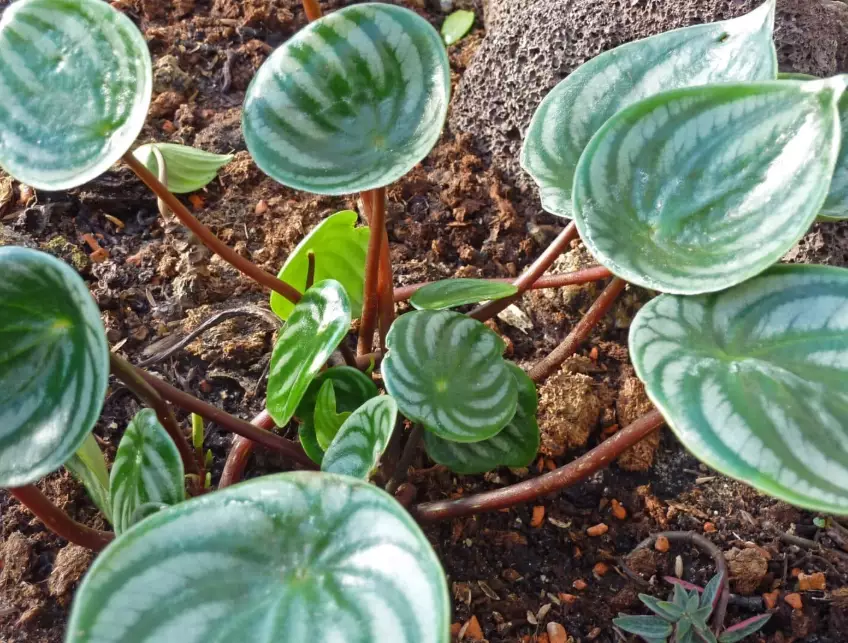
This is the most important factor. Think bright, indirect light. A spot near an east or west-facing window where the sun never directly hits the leaves is ideal. A north window works for many types. A south window? You'll need to pull the plant back a few feet or use a sheer curtain.
I keep my Watermelon Peperomia about three feet back from a south-facing window, filtered by a sheer curtain. It's putting out new leaves constantly. My Emerald Ripple, on the other hand, is perfectly content on a bookshelf in a room with a large north window.
Watering: The Make-or-Break Habit
This is where most peperomia plants meet their demise. Overwatering. Those succulent leaves mean they store water. They are far more tolerant of dry soil than wet soil.
The Finger Test Method: This never fails. Stick your finger into the soil, up to the first knuckle. If the soil feels dry at that depth, it's time to water. If it feels even slightly damp, walk away. Come back in a few days.
Soak and Dry Method: When you do water, do it thoroughly. Take the plant to the sink and water until it runs freely out of the drainage holes. Let it drain completely before putting it back in its decorative pot. Never let it sit in a saucer of water.
Soil & Potting: Building the Right Foundation
They need soil that drains incredibly fast. A standard potting mix holds too much moisture. You need to amend it.
My go-to mix: 2 parts regular indoor potting mix, 1 part perlite, and 1 part orchid bark (or coconut coir). The perlite and bark create air pockets, preventing the roots from suffocating in dense, wet soil. This mix has worked for every peperomia type I've tried.
Choose a pot with drainage holes. Always. Terracotta pots are excellent because they're porous and help wick away extra moisture. When repotting, which is only needed every 2-3 years, only go up one pot size (about 1-2 inches wider in diameter). Too much extra soil stays wet for too long.
Humidity & Temperature: The Comfort Zone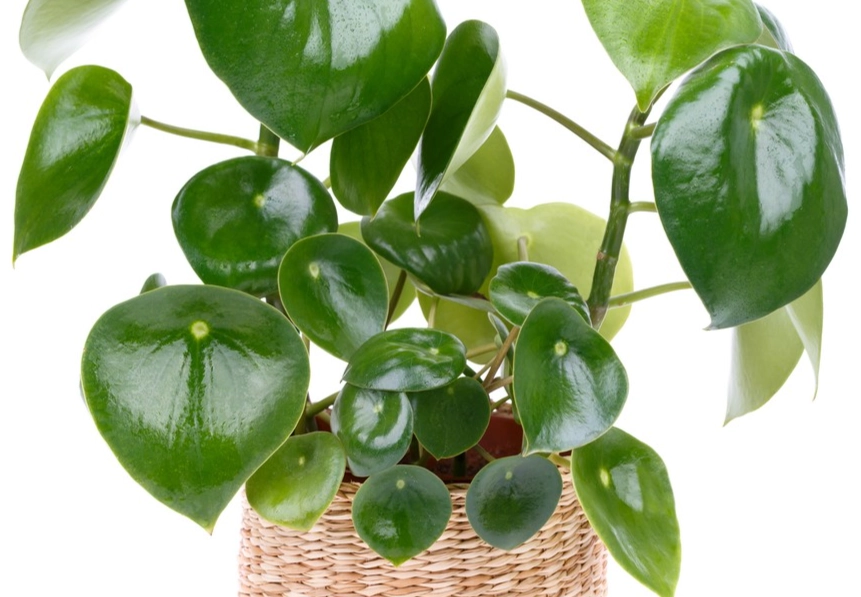
Peperomias appreciate average to high household humidity (40-50%+), but most will adapt to typical home conditions. If your air is very dry (common in winter with heating), you might see crispy leaf edges on sensitive types like the Watermelon Peperomia.
Simple fixes: group plants together, use a shallow pebble tray with water under the pot (keep the pot above the water line), or run a humidifier. I find a small humidifier in my plant corner during winter makes a world of difference for all my tropicals, not just the peperomia.
They like the same temperatures you do: between 65°F and 75°F (18°C - 24°C). Keep them away from cold drafts, air conditioning vents, and heating vents.
Common Problems & How to Actually Fix Them
Even with the best care, things can go sideways. Here's how to diagnose and treat common peperomia plant issues.
Other pests like mealybugs (look like tiny cotton balls) or fungus gnats (from consistently wet soil) can also appear. The treatment is similar: isolation, manual removal, and targeted sprays or soil treatments.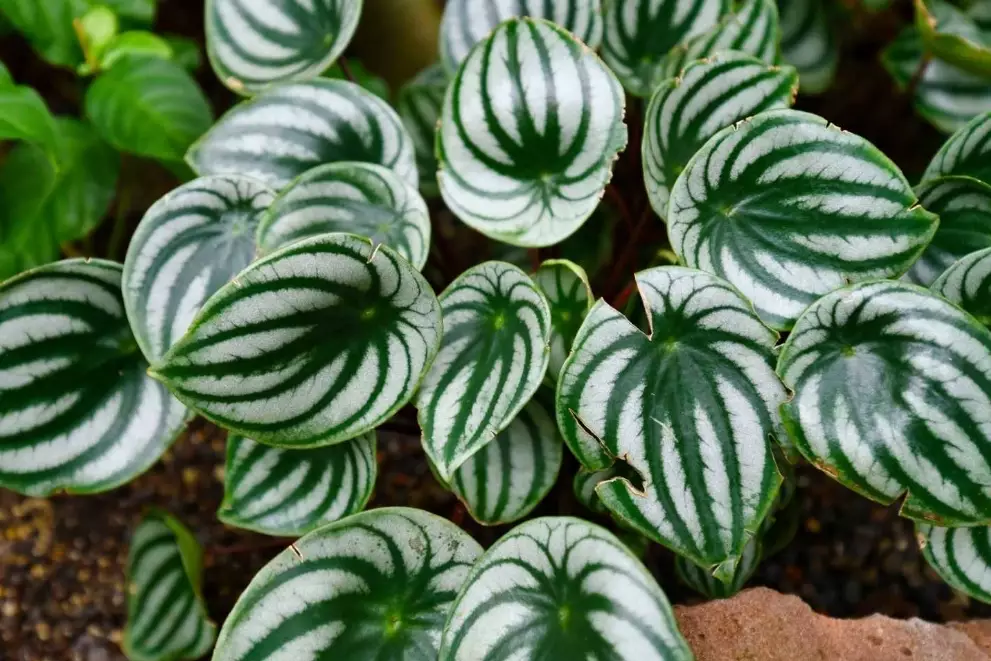
How to Propagate Your Peperomia Plant (It's Easier Than You Think)
One of the great joys of plant parenthood is making more plants for free. Peperomias are fantastic for propagation. The two easiest methods are leaf cuttings and stem cuttings.
Stem Cuttings (Best for trailing/vining types like Peperomia scandens):
- Cut a stem with at least 2-3 nodes (the little bumps where leaves grow).
- Remove the leaves from the bottom node or two.
- Place the cut end in water, ensuring at least one node is submerged.
- In a few weeks, you'll see roots. Wait until they're an inch or two long, then pot in soil.
Leaf Cuttings (Great for many bushy types like Watermelon Peperomia):
- Cut a healthy leaf, including the petiole (the little stem).
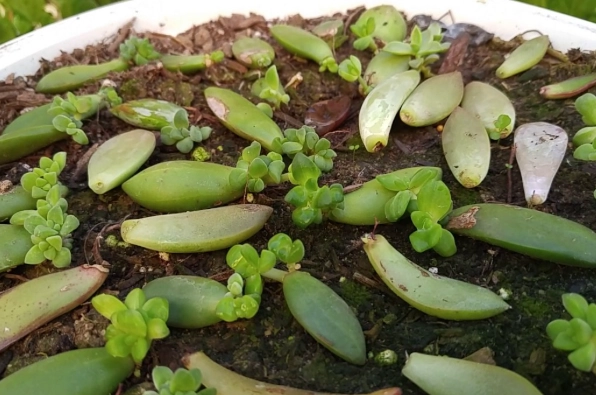
- You can place the petiole in water (like a stem cutting) or lay the leaf on top of moist propagation soil, petiole tucked in.
- For soil propagation, cover the pot with a plastic bag to keep humidity high. Keep in bright, indirect light.
- In a month or two, tiny baby plantlets will emerge from the base of the petiole. Be patient – this one takes time!
Advanced Tips & Styling Your Peperomia
Once you've mastered the basics, you can play around. Peperomias are fantastic design elements.
Creating a Peperomia "Collection" Display: Group several different types together on a tray or shelf. The contrasting textures and colors create a stunning, low-maintenance living display. A Watermelon, an Emerald Ripple, and a trailing Cupid in a small pot make a perfect trio.
Pruning for Shape: Don't be afraid to pinch back the tips of your peperomia plant. This encourages bushier, fuller growth. If a stem gets too long or leggy, just snip it off. You can use the cutting to propagate!
Fertilizing: They aren't heavy feeders. During the growing season (spring and summer), a monthly dose of a balanced, water-soluble fertilizer diluted to half-strength is plenty. Stop fertilizing in fall and winter. Over-fertilizing can burn the roots and cause leaf tip burn.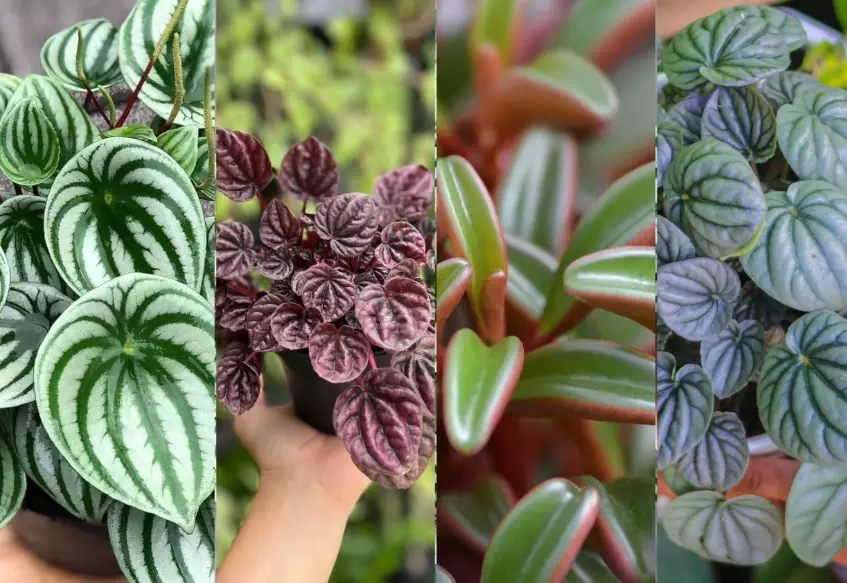
Final Thoughts: Is a Peperomia Plant Right for You?
Let's wrap this up. The peperomia plant is an exceptional choice for a wide range of people. It's perfect for beginners due to its forgiving nature, for busy people because of its low water needs, and for design-conscious folks because of its incredible variety.
Its resilience is backed by its biology. As noted by the University of Florida's IFAS Extension, many Peperomia species are epiphytes or lithophytes in nature, meaning they grow on other plants or rocks, not in soil. This explains their need for excellent drainage and air around their roots – they're not used to soggy ground. You can read more about their fascinating growth habits in their documentation on foliage plants.
For definitive identification and a deeper botanical dive, resources like the Missouri Botanical Garden's Plant Finder or the Royal Horticultural Society's plant database are invaluable. They provide taxonomically accurate information that helps clear up the confusion between similar-looking varieties.
So, should you get one?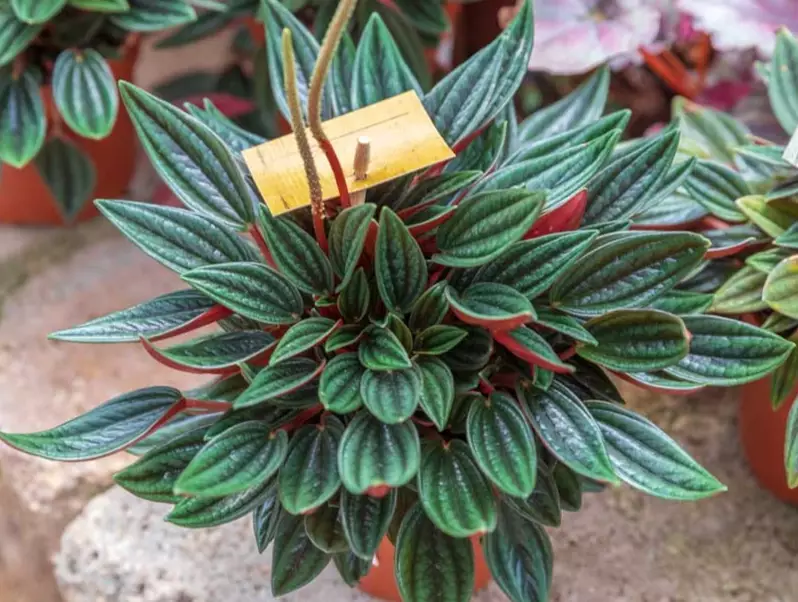
If you want a plant that offers visual interest without high drama, if you're tired of killing plants that need constant attention, and if you have a spot with decent indirect light, then the answer is a resounding yes. Start with a sturdy Peperomia obtusifolia or a captivating Watermelon Peperomia. Learn its rhythms. Enjoy its quiet growth. Before you know it, you might just find yourself, like I did, making room for just one more peperomia plant on that shelf.
They're not just plants. They're little lessons in resilience and adaptation, wrapped up in some of the prettiest leaves you'll find. And honestly, what's better than that?


Comments