Rosemary gets a bad rap for being finicky. You bring home a lush, fragrant plant, only to watch it turn brittle and brown a few months later. I’ve been there. My first rosemary died a slow, sad death in a pot of rich, moisture-retentive potting mix. It was a classic beginner mistake. The truth is, rosemary (Salvia rosmarinus, formerly Rosmarinus officinalis) isn't hard to grow—it just has very specific, non-negotiable needs that most general gardening advice glosses over. Once you understand its Mediterranean roots (literally), it becomes one of the most resilient and rewarding plants in your garden or on your windowsill.
What's Inside
Why Bother Growing Rosemary?
Beyond the obvious culinary punch it adds to roasted potatoes and lamb, a rosemary plant is a multi-tasking powerhouse. Fresh sprigs are infinitely better than dried—brighter, more complex, less dusty. But it's more than a herb. It's an evergreen shrub that can provide structure in garden borders, a source of aromatic cuttings for homemade cleaners, and according to studies referenced by the National Institutes of Health, its compounds are linked to potential cognitive and circulatory benefits. Having one alive and growing means you have a living, breathing ingredient and garden companion at your fingertips.
How to Plant Rosemary for Success
Getting this step wrong sets you up for failure. Most rosemary deaths stem from issues planted in the first day.
The Single Most Important Factor: Drainage
Rosemary roots abhor soggy soil. They need to dry out between waterings. This isn't a suggestion; it's a requirement. The number one killer, hands down, is soil that stays moist for too long, leading to root rot. You can't just use bagged potting soil.
Here’s what you actually need:
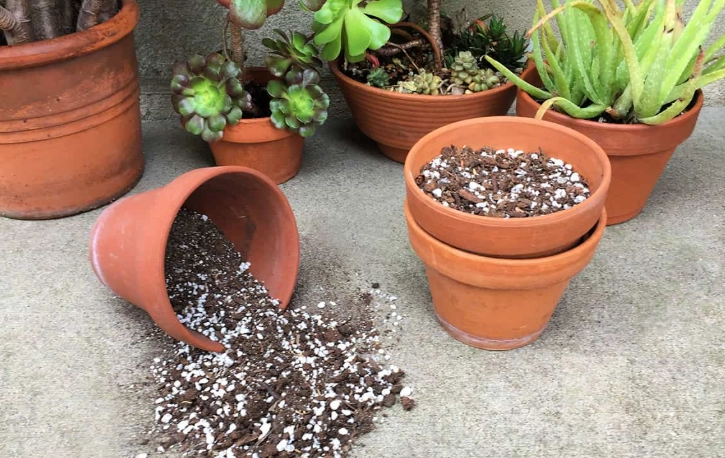
- For Pots: Mix 2 parts high-quality potting soil with 1 part coarse perlite or pumice and 1 part horticultural grit or small gravel. This creates a fast-draining, airy environment. A terracotta pot is ideal—it breathes and helps wick away moisture.
- For Garden Beds: If your soil is heavy clay, don't fight it. Build a raised bed or plant on a mound. Amend the planting hole generously with gravel and sand. The USDA Plants Database lists its native habitat as "dry, rocky slopes"—that's the vibe you're going for.
Sunlight: There's No Such Thing as Too Much
Rosemary needs a minimum of 6-8 hours of direct, unfiltered sunlight daily. Less than that, and it gets leggy, weak, and susceptible to disease. A south-facing spot is perfect. Indoors, a sheer curtain won't cut it; it needs to be right against the sunniest window you have, preferably a south or west exposure.
| Rosemary Variety | Best For | Key Characteristic |
|---|---|---|
| 'Arp' | Cold climates (down to -10°F/-23°C) | Upright, hardy, lemony scent |
| 'Tuscan Blue' | Cooking & tall hedges | Vigorous, upright, strong flavor |
| 'Prostratus' | Ground cover, trailing over walls | Creeping habit, great for pots |
| 'Barbecue' | Skewers (stems are straight) | Stiff, upright growth |
Your Year-Round Rosemary Care Calendar
Care isn't constant. It changes with the seasons, and missing these shifts is where people get tripped up.
Watering: The Art of Neglect
Stick your finger into the soil. If the top 1-2 inches are bone dry, it's time to water. Then, water deeply until it runs out the drainage holes, and walk away. In winter, especially for indoor plants, you might only water every 2-3 weeks. Overwatering is silent and deadly; underwatering gives you clear signals (wilting, dry leaves) and the plant bounces back quickly.
Feeding: Less is More
Rosemary isn't a heavy feeder. A light application of a balanced, organic fertilizer in early spring as new growth appears is plenty. Over-fertilizing, especially with high-nitrogen mixes, leads to soft, sappy growth that lacks flavor and is prone to pests. If you repot annually with fresh soil mix, you might not need to fertilize at all.
Pruning: Shape It or Lose It
Don't be scared to cut it. Regular harvesting is pruning. Always cut just above a set of leaves, never into the old, woody, leafless stems—they often won't regrow. In spring, you can shape it more aggressively. Pruning keeps the plant bushy, prevents it from getting woody and sparse in the center, and gives you a constant supply of herb.
Overwintering: The Indoor Dilemma
This is a major pain point. Bringing rosemary indoors for winter is tricky because homes are dark, dry, and warm—the opposite of its needs.
- Option 1 (Best): If you're in zones 7-10, mulch it heavily and leave it outside. Established plants are hardier than you think.
- Option 2: If you must bring it in, give it the brightest, coolest spot possible (a cool sunroom or a bright, unheated garage). Cut back on watering drastically. Expect some leaf drop; it's normal.
- Option 3: Take cuttings in late summer, root them in water, and grow young plants indoors over winter. They adapt better than mature shrubs.
What Are the Best Ways to Use Rosemary?
If you're only using it in food, you're missing out.
In the Kitchen
Fresh sprigs in roasting pans, chopped leaves in bread dough, infused in olive oil or vinegar. The stems make fantastic natural skewers for grilled vegetables or kebabs. Try steeping a sprig in hot tea or a cocktail like a gin and tonic.
Beyond the Plate
- Fragrance: Simmer sprigs with citrus peels on the stove for a natural air freshener.
- Garden Ally: Its strong scent can help deter some carrot flies and cabbage moths. This is the companion planting benefit many gardeners seek.
- Wellness: While not medical advice, a rosemary rinse for hair has been a traditional practice for centuries, believed to stimulate the scalp.
Rosemary Rescue: Fixing Common Problems
Why are the tips of my rosemary plant turning brown and crispy?
Can I really grow rosemary indoors year-round?
How do I propagate rosemary from a cutting?
My rosemary looks woody and leggy in the middle. Can I save it?
How often should I water my potted rosemary in summer?
The key with rosemary is to stop treating it like a delicate herb and start treating it like the tough, sun-loving Mediterranean shrub it is. Give it gritty soil, blast it with sun, water it like you forget about it, and don't be shy with the pruners. Do that, and you'll have a fragrant, useful plant that thrives for years.
Comments