Propagating aloe vera from cuttings feels like unlocking a secret. You take a piece of a plant you already love and turn it into an entirely new, independent plant for free. It's a simple, satisfying way to fill your home with these useful, sculptural succulents. But here's the thing: the internet is full of advice that's just plain wrong. Most guides skip the one critical step that makes all the difference between a thriving new plant and a mushy, rotten mess.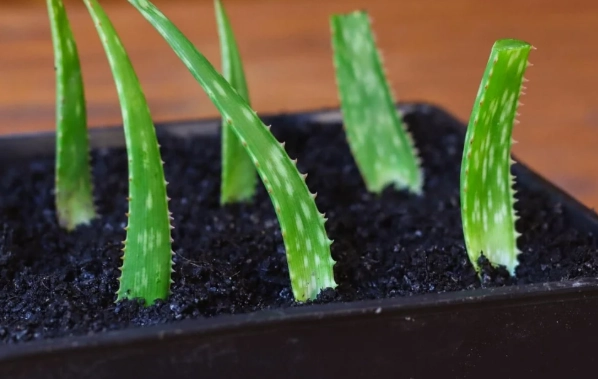
Let's get started. This isn't just about sticking a leaf in soil and hoping for the best. It's about understanding how aloe vera grows and giving it exactly what it needs to succeed.
What You'll Learn in This Guide
How to Propagate Aloe Vera from Cuttings: Step-by-Step
First, let's define "cuttings." With aloe vera, you're usually not propagating from a single leaf (that rarely works). You're typically using one of two things:
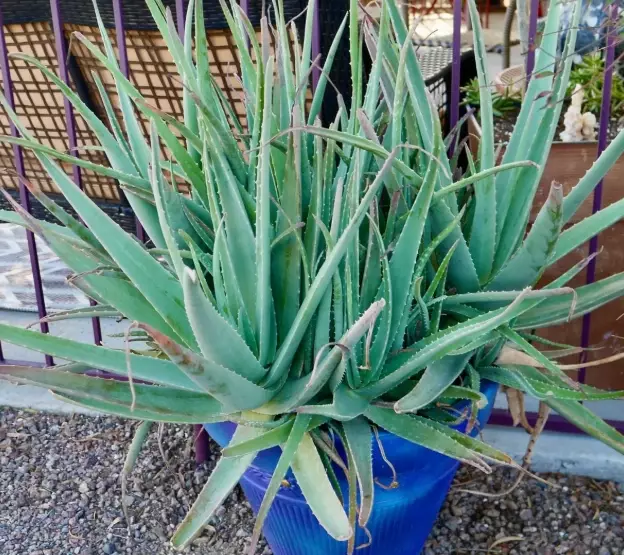
- Offsets or Pups: These are the small, baby plants that sprout from the base of the mother plant. They are the easiest and most reliable method.
- Leaf Cuttings: This is trickier but possible. You need to cut a healthy, mature leaf from near the base of the plant. Not from the top, and not a small leaf.
Step 1: Taking the Cutting Properly
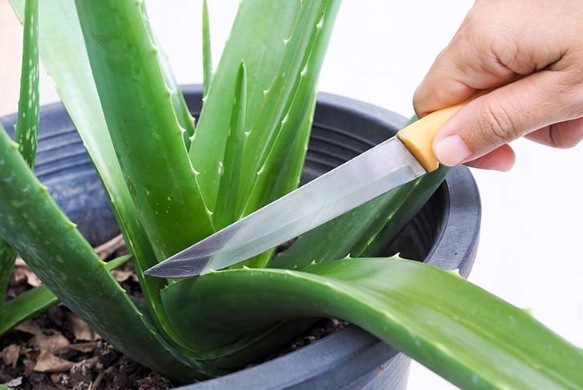
For pups: Gently wiggle the pup away from the mother plant. If it's stubborn, use a clean, sharp knife to separate it, making sure the pup has some roots attached if possible. If it doesn't, that's okay, but the process will take longer.
For leaf cuttings: This is where most people fail. Use a sharp, clean knife. I mean clean—wipe it with rubbing alcohol first. Make a clean, angled cut as close to the main stem as possible. A jagged tear or a cut with a dirty blade invites rot and disease.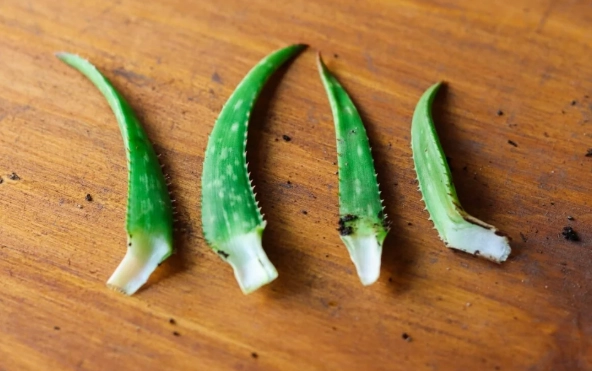
Step 2: The Crucial Step Everyone Forgets: Callusing
This is the secret sauce. Do not plant your cutting yet. Not for a few days. Place the cutting—pup or leaf—in a warm, dry, and shaded spot. A windowsill out of direct sun is perfect. Let the cut end dry out and form a hard, dry layer called a callus. This usually takes 3-7 days. This callus acts as a scab, sealing the wound and preventing soil-borne bacteria and fungi from getting in and causing rot. I learned this the hard way; my first batch of cuttings turned to mush because I planted them straight away.
Step 3: Planting and the Waiting Game
Once callused, plant the cutting in a small pot with drainage holes. Use a well-draining mix (we'll get to that in a second). Plant the pup so its base is just below the soil surface. For a leaf, bury about a quarter of it. Don't pack the soil tightly. Water it lightly, just enough to moisten the soil, not soak it. Then, place it in a spot with bright, indirect light. Direct sun will scorch it.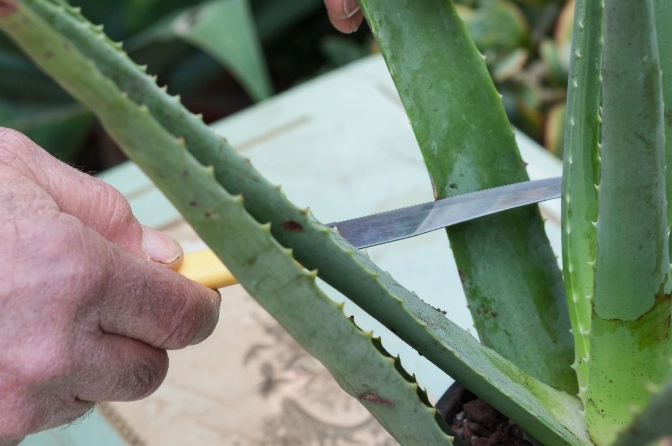
Common Mistakes and How to Avoid Them
I've killed more aloe cuttings than I care to admit. Here's what I wish I knew sooner:
- Watering too soon or too much: This is the #1 killer. The cutting has no roots to absorb water. Wet soil just rots the base. Water very sparingly until you see new growth, which signals root development.
- Using the wrong soil: Regular potting soil holds too much water. It's a death sentence.
- Impatience: It can take 4-8 weeks to see significant growth. Resist the urge to pull it out to check for roots.
Soil, Water, and Light: The Golden Rules for Success
The Perfect Soil Mix
Forget regular potting soil. Aloe needs fast-draining, gritty soil. A good cactus and succulent mix is a start, but I always amend it. My go-to recipe is:
- 2 parts cactus potting mix
- 1 part perlite (for aeration)
- 1 part coarse sand or pumice (for drainage)
This mix ensures water flows through quickly, preventing the "wet feet" that aloe roots despise.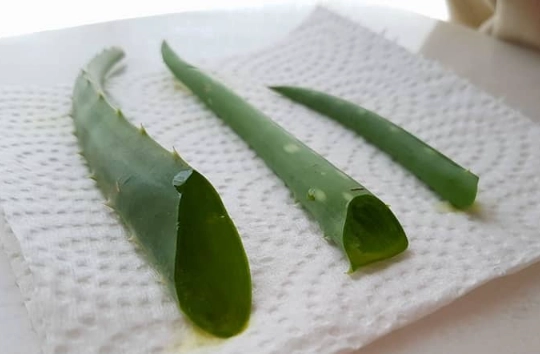
Watering Wisdom
After the initial planting water, wait. Let the soil dry out completely before even thinking about watering again. Stick your finger in the soil—if it's dry an inch down, you can give it a light soak. In the first month, you might only water it 2-3 times. Less is always more.
Light Requirements
Bright, indirect light is the sweet spot. A south or west-facing window with a sheer curtain is perfect. Direct afternoon sun can burn the tender new plant. Not enough light, and it will become leggy and weak, stretching towards the window.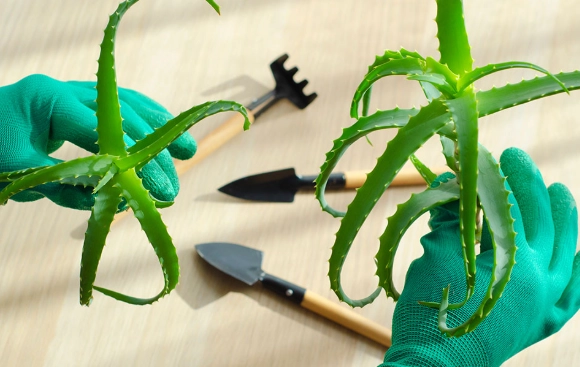
FAQ: Your Aloe Propagation Questions Answered
Propagating aloe from cuttings is a rewarding project. It teaches you more about plant biology than any guide can. It forces you to slow down, observe, and work with the plant's natural rhythms. Forget the quick-fix advice. Follow these steps, be patient, and you'll be rewarded with a whole new generation of aloe plants to enjoy, share, or even sell. The key isn't a green thumb—it's understanding that less is often more, especially when it comes to water.
Comments