Jump to Section
Let's be honest. You probably ended up here because you typed "hawthoria" into Google. Maybe you saw a cute, stripey little succulent at the store, brought it home, and now you're staring at it wondering if it's secretly plotting to die on you. Or perhaps one leaf is looking suspiciously soft and you're in full-blown plant panic mode.
First thing's first – take a breath. You're not alone. I've been there. I've killed my fair share of plants, including a beautiful Haworthia attenuata that I loved to death (literally, with too much water). The word you're looking for is Haworthia, often misspelled as "hawthoria," and they're some of the most forgiving little buddies you can have on your windowsill.
This isn't a stuffy botanical textbook. It's the guide I wish I had when I started. We'll cut through the confusing advice, tackle the real problems you're facing, and turn you from a worried plant parent into a confident hawthoria caretaker. We'll cover the weird names, the silent cries for help (like brown tips), and how to not drown the poor thing.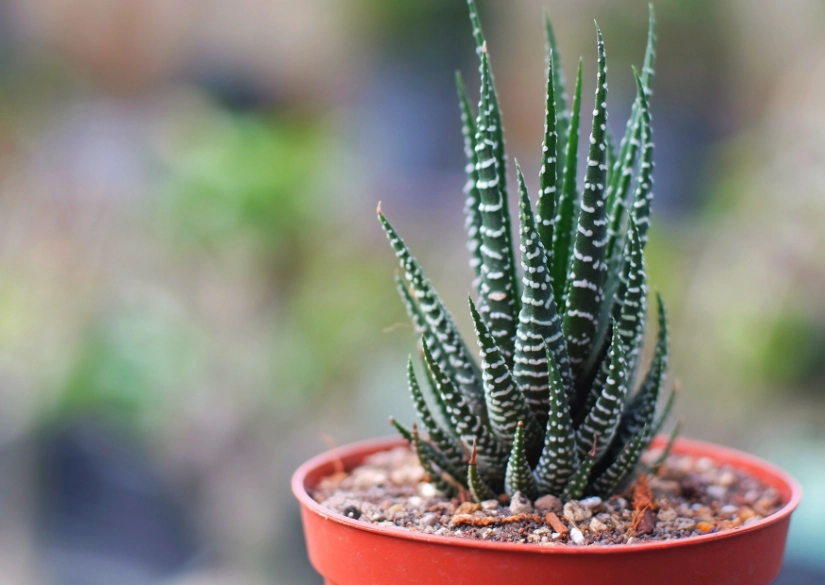
What Even Is a Hawthoria? Clearing Up the Name Game
"Hawthoria" is the common internet misspelling for Haworthia, named after the British botanist Adrian Hardy Haworth. It's a genus of small, rosette-forming succulents that are part of the Asphodelaceae family (they're cousins to Aloes and Gasterias).
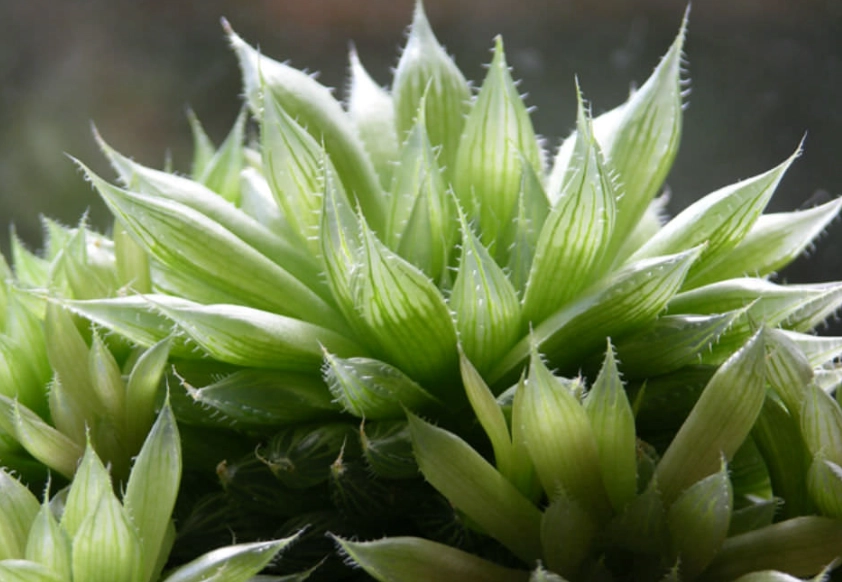
Why are they so popular? They're slow growers, stay relatively small, and have this incredible variety in their looks. Some look like they're made of translucent green windows (Haworthia cooperi), others are covered in pearly white warts (Haworthia margaritifera), and some have the classic zebra stripes everyone loves.
If you're trying to identify yours, the "hawthoria" you have is most likely one of a few common types. The big-box stores love selling a handful of varieties because they're tough.
The Usual Suspects: Common Haworthia Types You'll Actually Find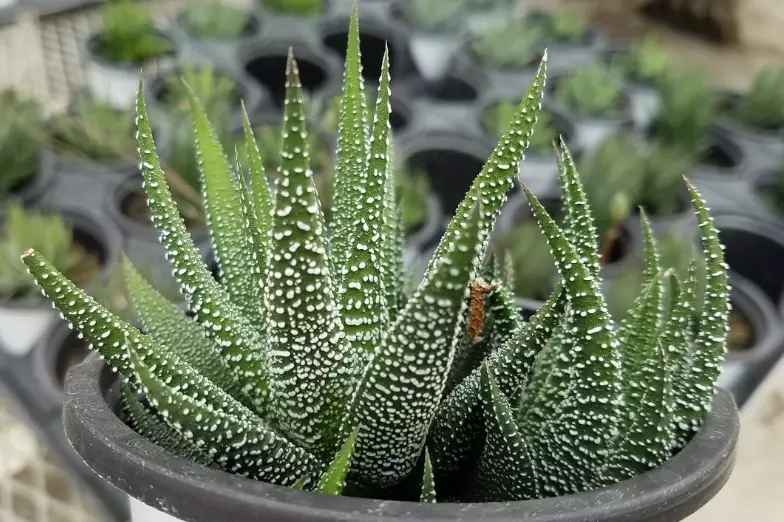
Honestly, the taxonomy for these plants is a mess. Experts argue, names change, and it's a headache. For us regular plant lovers, here's a simpler breakdown of the ones you're most likely to own or see.
| Common Name / Look | Likely Species Name | Key Identifying Feature | My Care Difficulty Note |
|---|---|---|---|
| Zebra Plant | Haworthiopsis attenuata (formerly H. attenuata) | Dark green leaves with horizontal white bands or stripes. Pointy leaves. | Super easy. The classic starter hawthoria. Forgiving of minor mistakes. |
| Fairy Washboard | Haworthiopsis limifolia | Distinct horizontal, ridged bands across the leaves that feel rough. | Also very easy. Seems to handle lower light a tad better than some. |
| Cooper's Haworthia ("Window Plant") | Haworthia cooperi varieties | Plump, rounded leaves with translucent "windows" at the tips. | Medium. More sensitive to overwatering. Needs brighter light to keep form. |
| Pearl Plant | Haworthia margaritifera or Haworthia pumila | Leaves covered in large, pearly-white tubercles (bumps). | Easy to medium. Grows slower. The bumps are its sunscreen! |
| Star Window Plant | Haworthia cymbiformis | Softer, paler green leaves forming a loose, open rosette. Very fleshy. | Easy. Propagates like crazy from offsets. Can get a bit floppy if light is low. |
See? Not so scary. Most general hawthoria care advice applies across the board, with just slight tweaks. For definitive identification and to dive into the scientific nitty-gritty, resources like the Missouri Botanical Garden's plant finder or the Succulent Guide are fantastic.
The Holy Trinity of Hawthoria Care: Light, Water, Soil
This is where everyone goes wrong. We treat them like a fern or a pothos. They are not. They are desert-adjacent survivors. Think of their three core needs as a balancing act.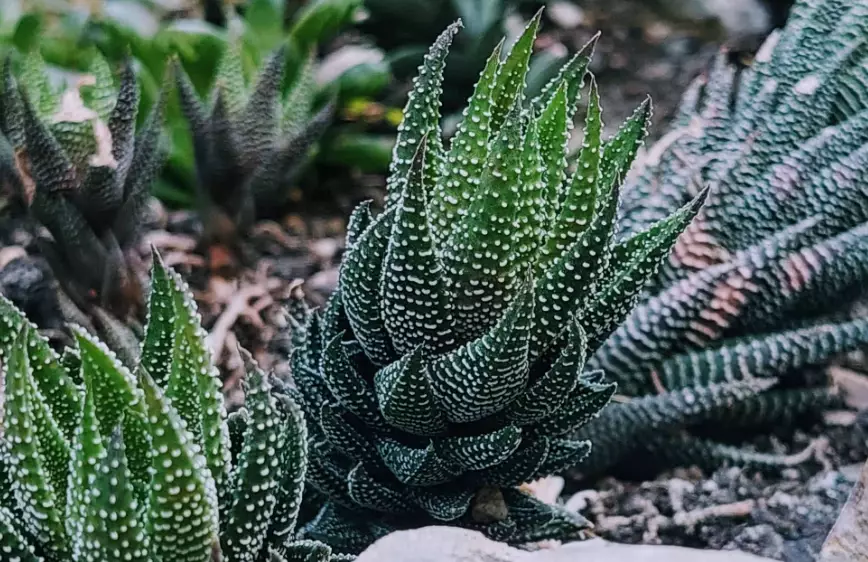
Light: Bright but Not Brutal
Haworthias love bright, indirect light. An east-facing window is often perfect. A south or west window is great, but you might need to pull them back a foot or two from the hot glass, or use a sheer curtain as a buffer.
What happens if the light is wrong?
- Too much direct sun: Sunburn. The leaves turn brown, red, or purple, get crispy, and look scorched. It's permanent scarring. My first zebra plant got a nasty burn one summer afternoon.
- Too little light: Etiolation. The plant starts stretching out, the leaves become longer, paler, and spaced further apart. It's reaching for light. It looks weak and leggy.
Watering: The Number One Killer
This is it. The big one. Overwatering is the cause of 90% of hawthoria deaths. Their roots are fine and prone to rot if left soggy.
Forget the "once a week" schedule. It's useless. Your watering schedule depends on your home's humidity, pot material, soil mix, and the season.
Here's the only method I trust now:
- Soak it. When you water, take the pot to the sink and water thoroughly until it runs freely out the drainage hole. This ensures the entire root ball gets moisture.
- Let it drain completely. Never let it sit in a saucer of water. Empty the saucer after 15 minutes.
- Forget it. Wait until the soil is completely dry all the way through. Then wait a few more days. Seriously. In winter, this might mean watering once a month or even less.
How to tell it's dry? Stick your finger in the soil. If it feels damp, wait. If the pot feels very light when you lift it, it's probably dry. For a more high-tech approach, a simple wooden chopstick inserted into the soil will come out clean and dry when it's time.
Soil and Pot: Building the Right Foundation
The goal is fast drainage. The water should flow through quickly, not get trapped.
The Soil Mix: A standard cactus/succulent potting mix from the store is a good start, but I find it's often still too moisture-retentive. I mix it 50/50 with perlite or pumice. Some people use a gritty mix of just inorganic materials. The Royal Horticultural Society (RHS) recommends a well-drained, loam-based compost with added grit for succulents.
The Pot: Drainage holes are non-negotiable. Terracotta pots are excellent because they're porous and help wick away moisture. Plastic pots are fine if you're careful with watering, but they dry out slower.
Get these three things right, and your haworthia will not just survive, it might even reward you.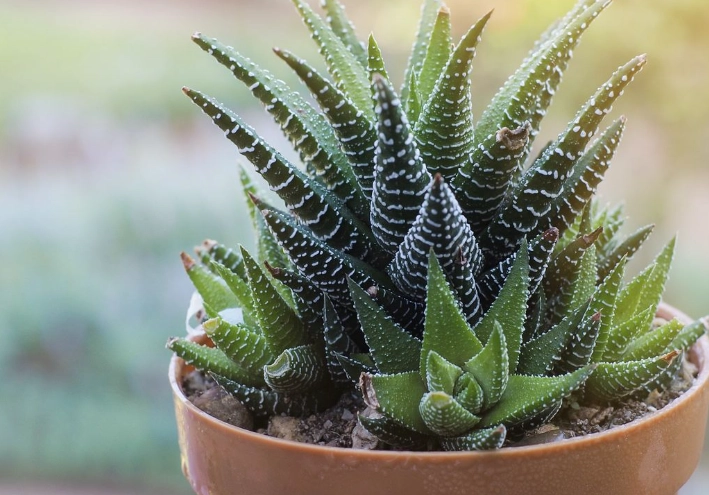
Beyond the Basics: Feeding, Repotting, and Those Pesky Pests
Once you've mastered light and water, the rest is pretty straightforward maintenance.
Fertilizing (It's Not a Big Deal)
Haworthias are not heavy feeders. In fact, you can skip it for the first year if you used fresh potting mix. If you want to give them a boost during their active growing season (spring and summer), use a balanced, water-soluble fertilizer diluted to half or quarter strength. Do this once, maybe twice, during the season. Never fertilize in fall or winter when they're semi-dormant.
Repotting: When and How
They like being slightly root-bound. Repot only when:
- The plant has clearly outgrown its pot (roots circling the bottom or coming out the holes).
- The soil has broken down and become compacted (every 2-3 years).
- You suspect root rot and need to change the soil.
Choose a pot only one size larger (an inch or two wider in diameter). Gently remove old soil, check the roots (snip off any black, mushy ones), and replant in fresh, dry mix. Wait about a week before you water to let any disturbed roots heal.
Common Pests and Problems
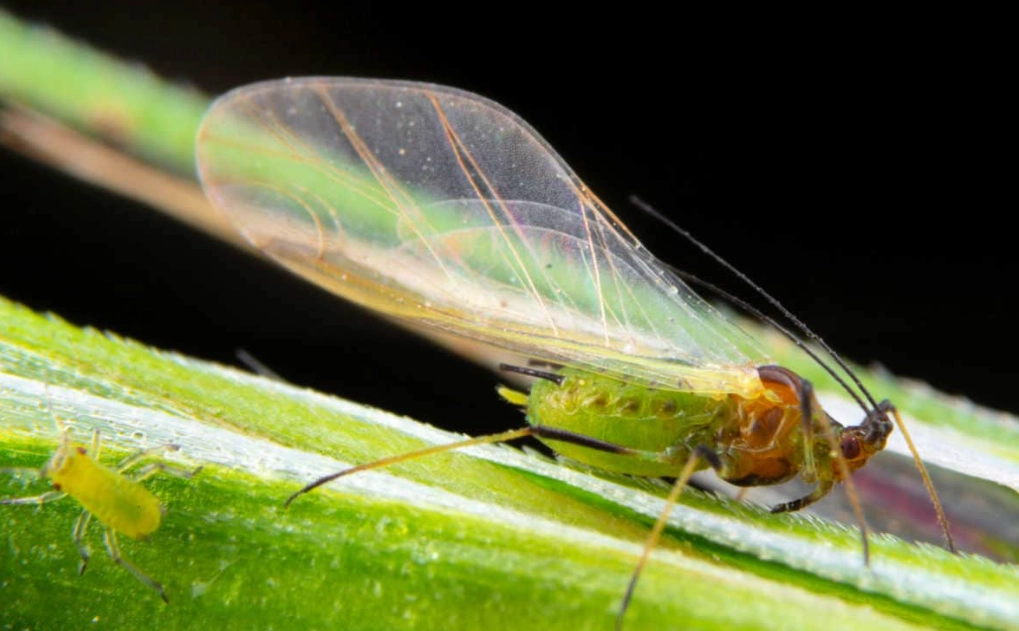
Thankfully, haworthias are relatively pest-resistant. The main culprits are:
- Mealybugs: Look for tiny white, cottony fluffs in the leaf axils or under leaves. Isolate the plant. Dab them with a cotton swab dipped in rubbing alcohol. Repeat weekly until gone.
- Fungus Gnats: Annoying little flies that love moist soil. The best cure is letting the soil dry out more between waterings. Yellow sticky traps help catch the adults.
- Brown Leaf Tips: Usually due to low humidity, mineral buildup from tap water, or the occasional underwatering stress. It's mostly cosmetic. You can snip the brown tip off with clean scissors if it bothers you.
Making More Hawthorias: Propagation is Easy
This is the fun part. Many haworthias produce offsets (pups) around their base. To propagate:
- Wait until the offset is a decent size (about 1/3 the size of the mother).
- Gently remove the whole plant from its pot.
- You can often twist the pup off with its own roots attached. If not, use a clean, sharp knife to separate it.
- Let the cut end callous over for a day or two.
- Plant the pup in a small pot with dry succulent mix.
- Wait a week, then water lightly. Treat it like a mature plant once new growth appears.
You can also try leaf cuttings, but it's slower and less reliable than with some other succulents. Offsets are the way to go.
Your Hawthoria Questions, Answered (The Real Stuff People Ask)
Let's tackle some specific, common worries head-on.
Look, the journey with any plant, especially a hawthoria, is about observation. Don't just follow a rigid schedule. Look at your plant. Feel the soil. Notice if the leaves are firm or soft. They're pretty good at telling you what they need, once you learn their language.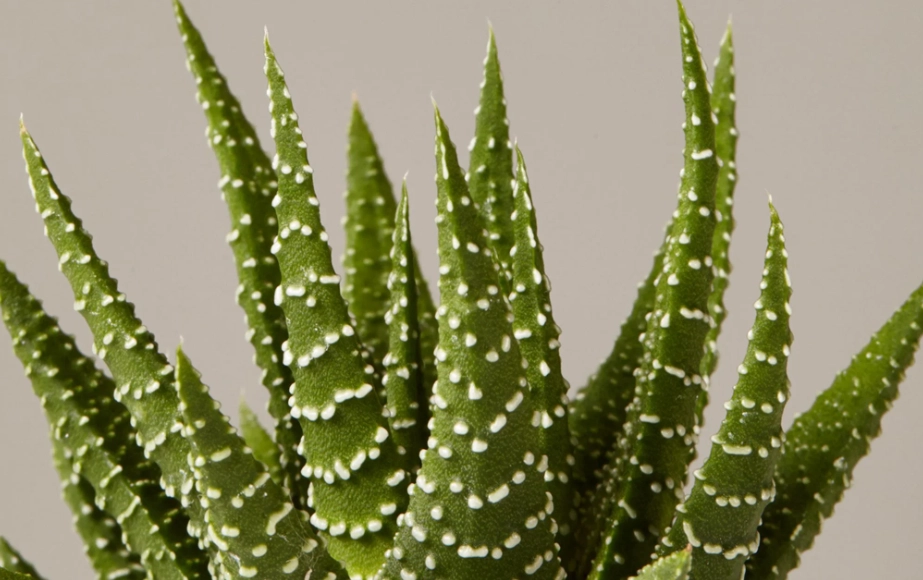
The goal isn't perfection. It's keeping a little piece of green alive and enjoying the process. These tough little succulents are perfect for that. So don't stress over the spelling—"hawthoria" or Haworthia, they're the same wonderful, stripey, forgiving plant. Give it some bright light, forget to water it on a regular basis, and it'll probably outlive your interest in half the other trendy houseplants. And that's a good thing.

Comments