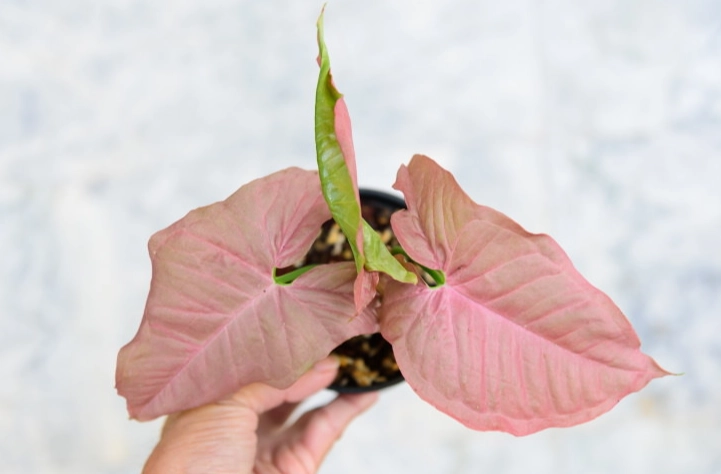
Let's be honest, you bought the Pink Allusion Arrowhead Plant (Syngonium podophyllum 'Pink Allusion') for one reason: that stunning, soft pink color that seems to glow from within the leaves. It's not the loud, neon pink of some other plants. It's more like a watercolor wash, a delicate blush that makes the green foliage look sophisticated. But here's the thing most care guides won't tell you straight up – that pink is notoriously fickle. It can fade to a dull green faster than you can say "overwatered." I've seen it happen, and it's disappointing. After growing these for years, I've learned it's not about following a rigid rulebook, but understanding what this plant is telling you. This guide cuts through the generic advice and gives you the specific, actionable steps to not just keep your Pink Allusion alive, but to make it a vibrant, pink-flushed centerpiece.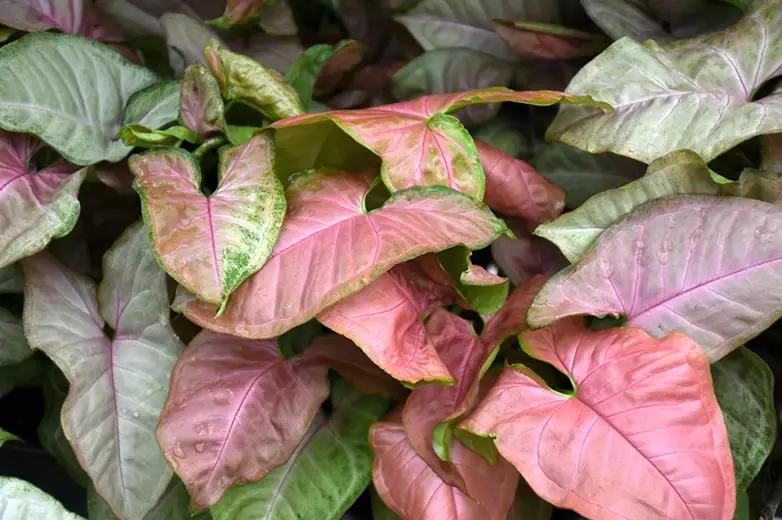
What You'll Find Inside
What Exactly Is a Pink Allusion Arrowhead Plant?
Before we dive into care, let's get to know your plant. The Pink Allusion is a cultivar of Syngonium podophyllum, a species native to tropical rainforests from Mexico to Brazil. In the wild, these plants start as compact, arrowhead-shaped creepers and can eventually develop long, climbing vines that seek out tree trunks. The 'Pink Allusion' variety is prized for its variegation: the center of each leaf (along the veins) is brushed with a soft pink or cream color, while the margins remain a pleasant green. New leaves often emerge with a more intense pink hue that matures and stabilizes.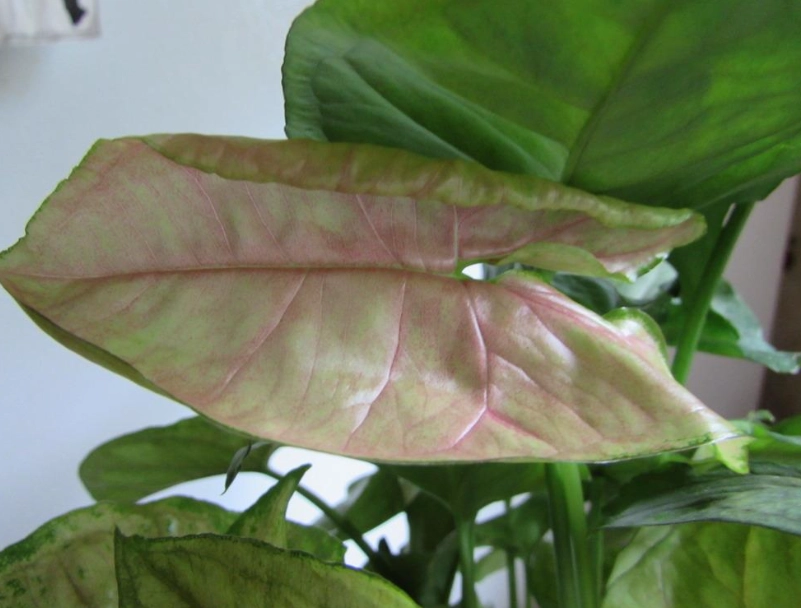
It's part of the Araceae family, related to peace lilies and philodendrons. This is key because it shares some common traits – it's generally forgiving but has specific dislikes (like soggy feet). According to the Missouri Botanical Garden's plant database, Syngoniums are valued for their adaptability as indoor foliage plants. The Pink Allusion is a compact grower compared to its all-green cousins, making it ideal for shelves, desks, or as a tabletop accent.
Botanical Name: Syngonium podophyllum 'Pink Allusion'
Common Names: Pink Allusion Arrowhead Plant, Pink Allusion Nephthytis
Mature Size: 12-24 inches tall and wide indoors (can be controlled with pruning)
Key Feature: Arrowhead-shaped leaves with pink to cream variegation along the veins.
Toxicity: Mildly toxic to cats, dogs, and humans if ingested due to calcium oxalate crystals. Causes mouth irritation and upset stomach. Keep out of reach of pets and children.
The Complete Pink Allusion Care Breakdown
This is where we get into the nitty-gritty. Forget the "moderate light and water" advice. Let's be precise.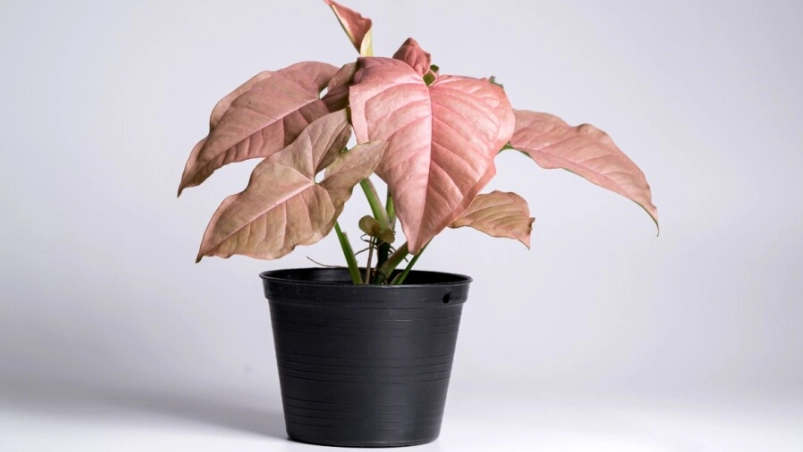
How Much Light Does a Pink Allusion Really Need?
Light is the single most important factor for maintaining the pink color. Too little, and the plant reverts to green to maximize chlorophyll production. Too much direct sun, and those delicate leaves will scorch, leaving ugly brown patches.
The sweet spot is bright, indirect light. Think near an east-facing window where it gets gentle morning sun, or a few feet back from a south or west-facing window, shielded by a sheer curtain. A north window can work, but the pink may be less pronounced and growth slower.
Here’s a simple test: place your hand between the plant and the light source at the brightest time of day. You should see a soft, fuzzy shadow, not a sharp, defined one. If you notice the pink fading, don't panic. Gradually move it to a brighter spot (avoid sudden moves to prevent shock), and the new growth should come in with better color.
| Light Condition | Effect on Pink Allusion | Recommended Action |
|---|---|---|
| Bright, Indirect Light (East window, filtered South/West) | Ideal. Promotes vibrant pink variegation, compact growth. | Perfect spot. Maintain here. |
| Medium Indirect Light (North window, room interior) | Pink may fade to cream/green. Growth slows. | Accept slower growth, or supplement with a grow light for 4-6 hours daily. |
| Low Light (Far from any window) | Leaves turn solid green, become smaller, stems leggy. | Move to a brighter location. This plant will not thrive here. |
| Direct Afternoon Sun | Dangerous. Leaves scorch (brown, crispy patches). | Move immediately to indirect light. Filter the sun with a curtain. |
Watering: The Biggest Killer (And How to Avoid It)
Overwatering is the #1 cause of Pink Allusion death. These plants like to dry out a bit between drinks. The classic "water once a week" advice is a recipe for root rot. Your watering schedule depends entirely on your home's light, temperature, and humidity.
The Finger Test is Your Best Friend: Stick your finger about 2 inches into the soil. If it feels dry, it's time to water. If it feels moist or cool, wait. In the winter, you might only need to water every 2-3 weeks. In a bright, warm summer spot, it could be once a week.
When you do water, do it thoroughly. Take the plant to the sink and water until it runs freely out of the drainage holes. Let it drain completely before putting it back in its decorative pot. Never let it sit in a saucer of water. Underwatering is less common and easier to fix – the leaves will get droopy and feel thin. A good soak usually perks them right up.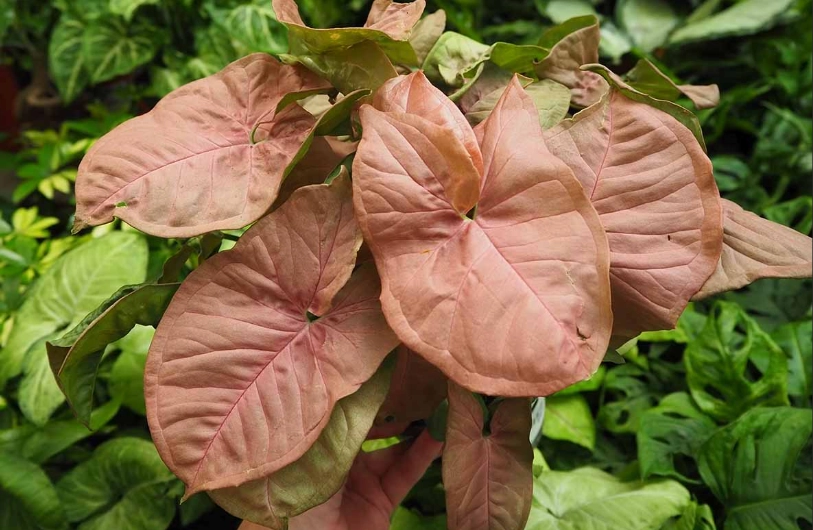
Soil, Potting, and Fertilizer: The Support System
Soil: Use a well-draining, airy potting mix. A standard indoor plant mix is okay, but I prefer to amend it. I mix 2 parts regular potting soil with 1 part perlite and 1 part orchid bark or coco coir. This creates a chunky mix that prevents waterlogging and allows roots to breathe.
Pot: Always use a pot with drainage holes. Terracotta pots are excellent because they wick away extra moisture. Repot every 1-2 years in spring, only going up one pot size (1-2 inches larger in diameter).
Fertilizer: Feed during the active growing season (spring and summer). Use a balanced, water-soluble fertilizer (like a 10-10-10 or 20-20-20) diluted to half strength every 4-6 weeks. A common mistake is over-fertilizing, which can burn the roots and cause leaf tip burn. In fall and winter, stop fertilizing.
Temperature and Humidity: Creating a Tropical Vibe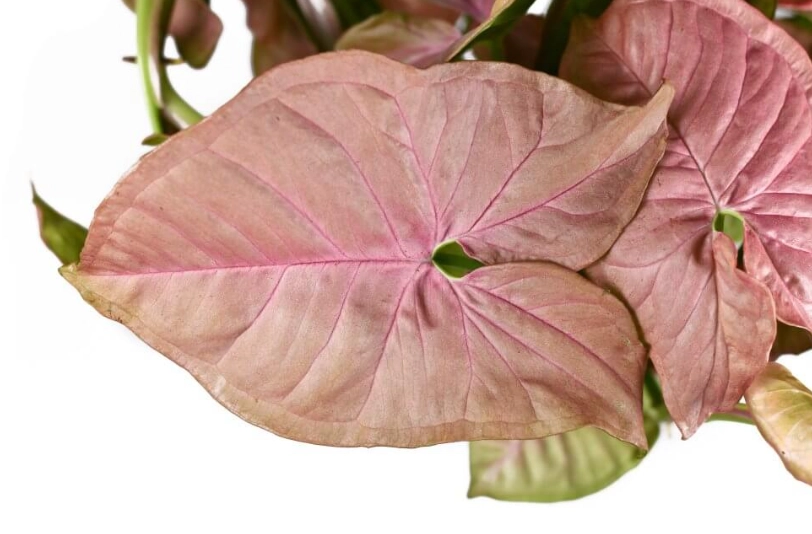
Pink Allusions enjoy average room temperatures between 60°F and 80°F (15°C - 27°C). Avoid cold drafts from windows or air conditioning vents, and keep them away from heating vents that dry the air out.
They appreciate higher humidity (above 50%), but they're more adaptable than, say, a Calathea. If your air is dry (especially in winter), you can:
- Group it with other plants to create a microclimate.
- Place it on a pebble tray filled with water (ensure the pot sits above the water line).
- Use a small humidifier nearby. This is the most effective method.
Brown, crispy leaf edges are a telltale sign of low humidity.
Solving Common Pink Allusion Problems
Here’s how to diagnose and fix issues you might encounter.
Yellow Leaves: Usually a sign of overwatering. Check the soil. If it's soggy, hold off on watering and consider if the pot drains well. If many leaves are yellowing, you may need to check for root rot (black, mushy roots).
Brown Leaf Tips or Edges: Low humidity is the most likely culprit. Dry air from heaters or air conditioners can cause this. Chemical burn from tap water (fluoride, chlorine) or over-fertilizing can also be the cause. Try using filtered or distilled water for a while.
Leggy Growth with Small Leaves: The plant is not getting enough light. It's stretching to find a light source. Move it to a brighter location.
Pests: Watch for spider mites (fine webbing, stippled leaves) and mealybugs (white cottony masses). Wipe leaves regularly with a damp cloth to deter them. For infestations, isolate the plant and treat with insecticidal soap or neem oil.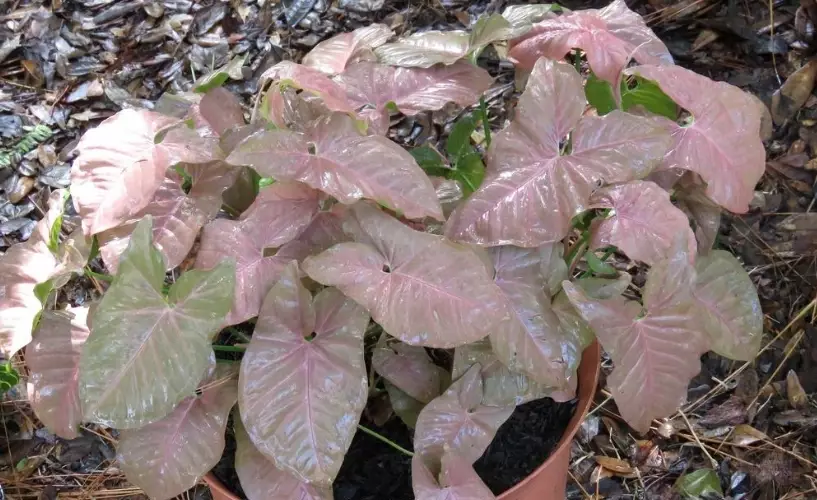
How to Propagate Your Pink Allusion
Propagating is easy and rewarding. The best method is stem cuttings in water.
- In spring or summer, use clean scissors to cut a stem section just below a node (the little bump where a leaf meets the stem). Include at least one or two leaves.
- Place the cutting in a jar of water, ensuring the node is submerged but the leaves are not.
- Put it in a spot with bright, indirect light. Change the water every few days to keep it fresh.
- In 2-4 weeks, you should see white roots developing from the node.
- Once the roots are an inch or two long, pot the cutting in the well-draining soil mix described earlier.
You can also propagate directly in moist soil, but water propagation lets you monitor root growth, which is more reassuring for beginners.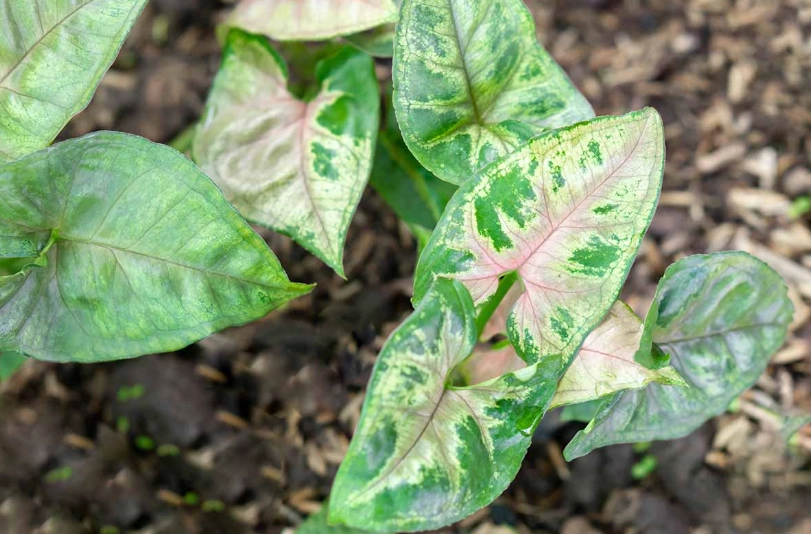
Where to Buy and What to Look For
You can find Pink Allusions at local nurseries, big-box garden centers (like Home Depot or Lowe's), and online plant shops (Etsy, The Sill, Bloomscape).
When selecting a plant, either in person or by evaluating online photos:
- Look for Vibrant Color: Choose a plant with clear pink variegation on several leaves, not just one.
- Check the Undersides: Look under leaves and along stems for any signs of pests (webs, bugs, sticky residue).
- Assess the Soil and Roots: If possible, gently check if the soil is bone dry or swampy. Avoid both extremes. A plant that's slightly dry is better than one that's waterlogged.
- Examine the Foliage: Avoid plants with many yellowing leaves, significant brown crispy edges, or a leggy, sparse appearance.
Price can range from $15 for a small 4-inch pot to $40+ for a large, bushy specimen.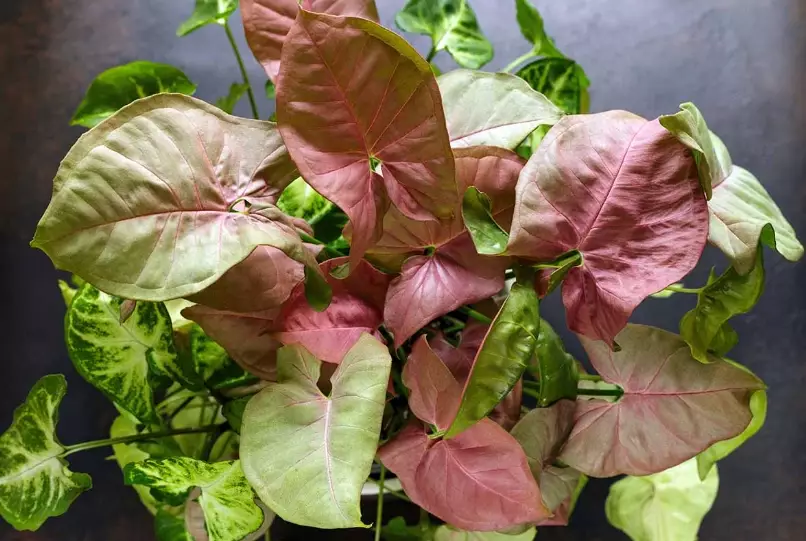
Your Pink Allusion Questions Answered
 Is the Pink Allusion safe for my cat who likes to nibble plants?
Growing a Pink Allusion Arrowhead Plant is a journey of observation. It’s a responsive plant. When you get the light right, the pink rewards you. When you listen to its watering needs, it grows steadily. It might have a reputation for being a bit fussy about its color, but that’s what makes it so satisfying when you crack the code. Start with the light, master the watering, and you’ll have a beautiful, blush-pink companion for years to come.

Comments