You see golden pothos everywhere. In offices, cafes, and Instagram feeds, those heart-shaped, marbled leaves trailing from shelves seem to symbolize effortless indoor greenery. But here's the thing I learned after killing a few: calling it "indestructible" sets you up for failure. It's tough, yes, but it communicates problems in subtle ways before giving up. Yellow leaves, leggy vines, brown tips—they're all messages. This guide is about learning that language.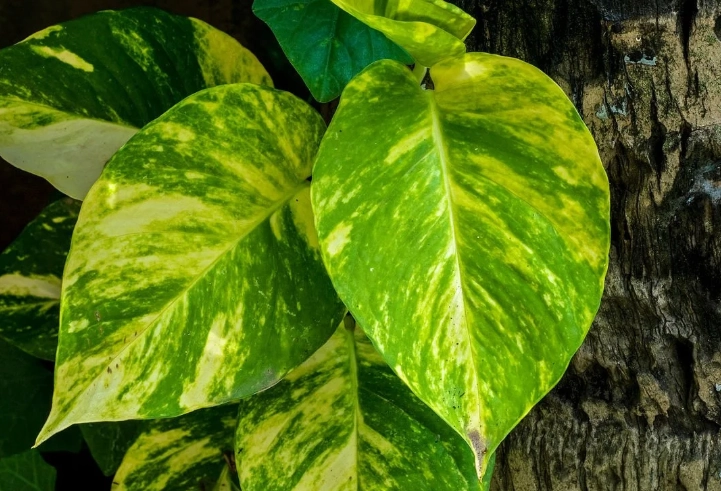
What's Inside This Guide
How to Care for Your Golden Pothos: Light, Water, Soil & More
Let's get the basics right. Think of golden pothos (Epipremnum aureum) as a resilient friend with simple needs, not a plastic decoration. Nail these, and you'll avoid most problems.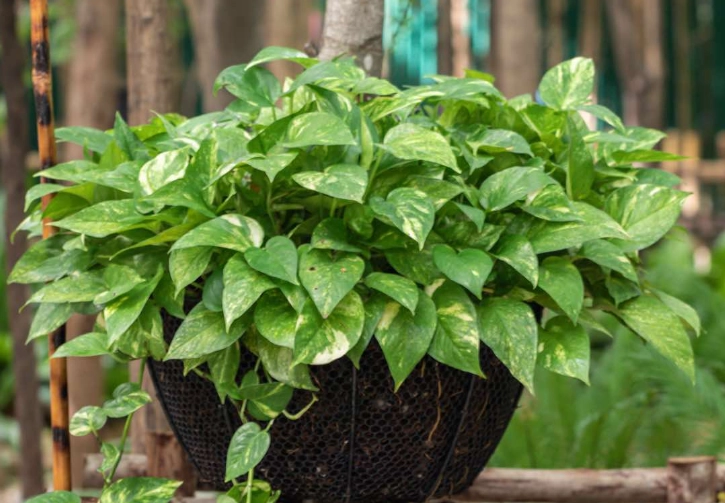
The Truth About 'Low Light' for Pothos
This is the biggest misconception. "Tolerates low light" doesn't mean "prefers a dark corner." In dim spots, growth slows to a crawl, the vines stretch out awkwardly searching for light (called etiolation), and most crucially, the beautiful golden variegation fades to solid green. The plant is surviving, not thriving.
What it really wants: Bright, indirect light. A spot near an east or north-facing window is perfect. A few feet back from a south or west window works too. If the only option is lower light, just adjust your expectations—growth will be slower, and you'll need to water less.
Watering: The Number One Killer
Overwatering is the silent assassin. Underwatering is a loud, dramatic cry for help (drooping leaves) that's easily fixed. The former rots roots quietly.
Forget the schedule. Don't water every Tuesday. Instead, check the soil. Stick your finger about 2 inches into the potting mix. If it feels dry, it's time to water. If it's still damp, wait. In winter, this might mean watering only every 2-3 weeks. In a hot, bright summer, maybe once a week.
When you do water, do it thoroughly. Pour water until it runs freely out of the drainage holes. This ensures the entire root ball gets moisture. Then, let the pot drain completely. Never let it sit in a saucer of water.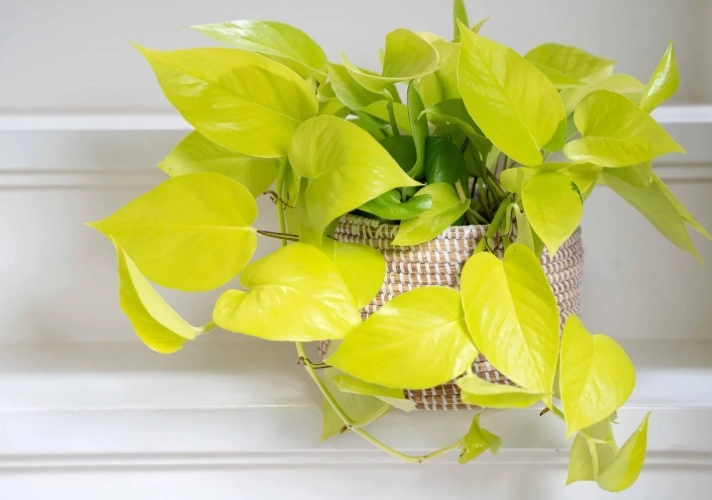
Soil and Potting: Let It Breathe
Golden pothos roots need oxygen. A dense, moisture-retentive soil suffocates them. Use a well-draining potting mix. A standard indoor plant mix is fine, but I often add a handful of perlite or orchid bark to mine to increase aeration. This is a cheap upgrade that makes a world of difference.
Pot choice matters. Always use a pot with drainage holes. Terracotta pots are excellent for beginners because they're porous and help soil dry out more evenly, reducing overwatering risk.
Feeding: Less Is More
These aren't heavy feeders. During the main growing season (spring and summer), a monthly dose of a balanced, water-soluble fertilizer (like a 10-10-10) diluted to half-strength is plenty. In fall and winter, stop fertilizing. The plant is resting, and unused fertilizer can build up and harm the roots.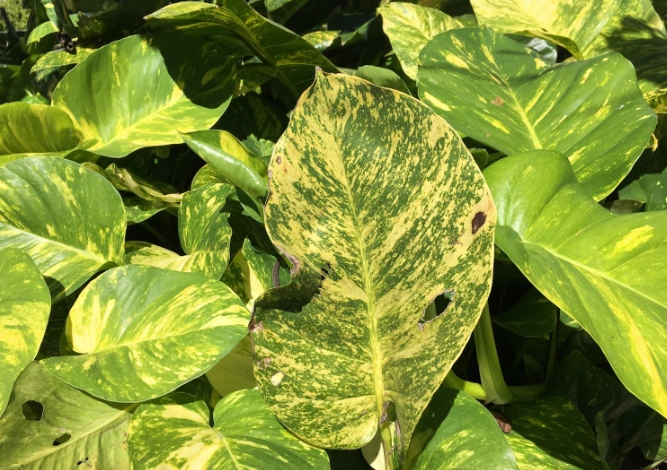
I see people over-fertilize trying to fix other problems, like slow growth from low light. It doesn't work. It just stresses the plant.
Why Are My Golden Pothos Leaves Turning Yellow? (The Real Reasons)
Yellow leaves are the most common panic trigger. The internet's default answer is "overwatering," but it's not always that simple. Here’s a diagnostic checklist.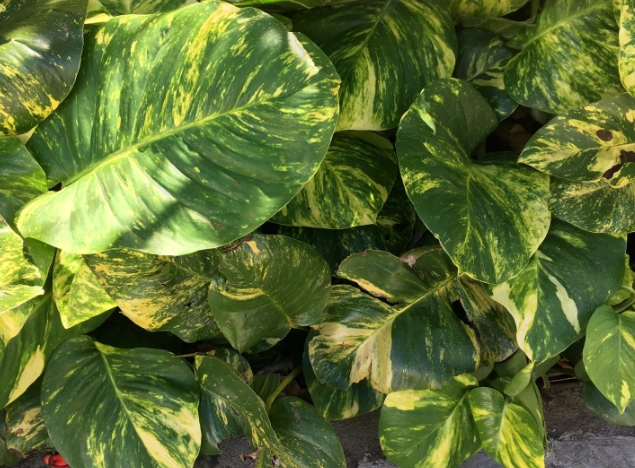
| Symptom Pattern | Likely Cause | How to Fix It |
|---|---|---|
| Older leaves (bottom of plant) turning yellow, one at a time, maybe with some brown spots. | Natural aging. The plant is shedding old leaves to focus energy on new growth. | Nothing to worry about. Simply pluck the yellow leaf off at the stem. |
| Multiple leaves yellowing, often with soft, mushy stems. Soil feels soggy. | Classic overwatering / root rot. Roots are drowning and can't function. | Stop watering immediately. Check the roots. If they're brown and mushy, trim the rot, repot in fresh, dry soil, and water very sparingly until new growth appears. |
| Leaves yellowing, especially newer growth, but soil is dry. Plant may be drooping. | Underwatering. The plant is dehydrated and can't sustain all its foliage. | Give it a thorough soak. It should perk up within hours. Adjust your checking routine. |
| Yellow leaves with tiny webs or specks on the underside. | Pest infestation (spider mites, mealybugs). | Isolate the plant. Wipe leaves with insecticidal soap or neem oil solution. Repeat weekly. |
| Widespread yellowing, no pests, watering seems fine. | Nutrient deficiency or, more likely, the plant is root-bound. | Check if roots are circling densely at the bottom of the pot. If so, it's time to repot into a container one size larger. |
How to Propagate Golden Pothos in Water or Soil
This is where the magic happens and why this plant is so beloved. Sharing cuttings is a joy. Propagation is foolproof if you cut in the right place.
Look at a vine. See those little brown nubs right where a leaf meets the stem? Those are aerial root nodes. This is your target. Every cutting needs at least one node, as that's where new roots will sprout.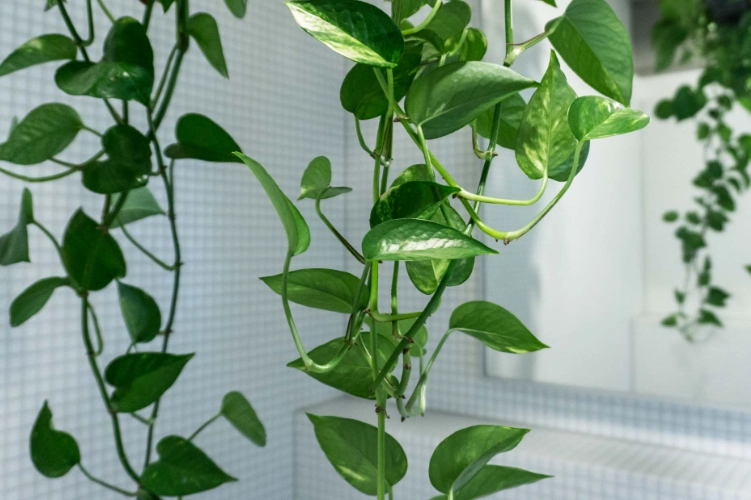
Water Propagation (The Visual Method)
- Cut a 4-6 inch stem section just below a node.
- Remove any leaves that would be submerged in water.
- Place the cutting in a jar of room-temperature water, ensuring the node is underwater.
- Put it in bright, indirect light. Change the water every week to keep it fresh.
- In 2-6 weeks, you'll see white roots growing from the node. Wait until they're a couple of inches long before potting in soil.
I keep a jar of propagating pothos on my kitchen windowsill. It's decorative and functional.
Soil Propagation (The Direct Route)
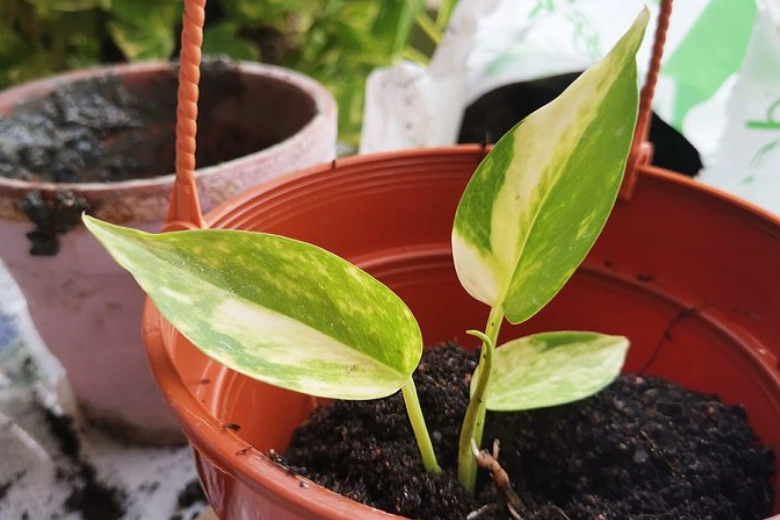
You can skip the water step entirely. Take your cutting (with a node), dip the cut end in rooting hormone (optional but helpful), and plant it directly into a small pot of moist potting mix. Keep the soil lightly moist (not wet) and in bright, indirect light. A clear plastic bag over the pot can create a humid mini-greenhouse. You'll know it worked when you see new leaf growth.
The Surprising Benefits of Keeping a Golden Pothos
Beyond looking pretty, this plant pulls its weight.
Air Purification: While the famous NASA Clean Air Study (which identified golden pothos as effective at removing volatile organic compounds like formaldehyde and benzene) was conducted in sealed chambers, the principle holds. More plants in a space contribute to better air quality. It's a living air filter.
Humidity Boost: Through transpiration (releasing water vapor from their leaves), plants add modest moisture to dry indoor air, which can be a relief in air-conditioned or heated rooms.
Mental Well-being: This isn't just fluff. Studies, like those referenced by the American Horticultural Therapy Association, show that caring for plants reduces stress and improves focus. The simple act of checking the soil, watering, and watching new leaves unfurl is a mindful practice.
Easy Decor: Its vining habit is incredibly versatile. Train it up a moss pole for a vertical statement, let it cascade from a high shelf, or drape it across a mantel. It fills space beautifully on a budget.
Golden Pothos FAQ: Expert Answers to Your Trickiest Questions
Golden pothos earns its popularity. It's a forgiving teacher for new plant owners and a reliable, beautiful presence for seasoned collectors. Pay attention to what it's telling you with its leaves, respect its basic needs for light and well-drained soil, and you'll have a lush, thriving vine for years. It might even become the plant you confidently take cuttings from to start someone else's plant journey.

Comments