Let's cut to the chase: propagating pothos (Epipremnum aureum) is one of the easiest, most rewarding things you can do as a plant parent. It's not just about getting free plants—though that's a huge perk. It's about the quiet satisfaction of turning one leggy vine into a dozen lush new starters, gifting them to friends, or filling every corner of your home with resilient, air-purifying greenery. Forget complex techniques; if you can use scissors and water, you're already qualified.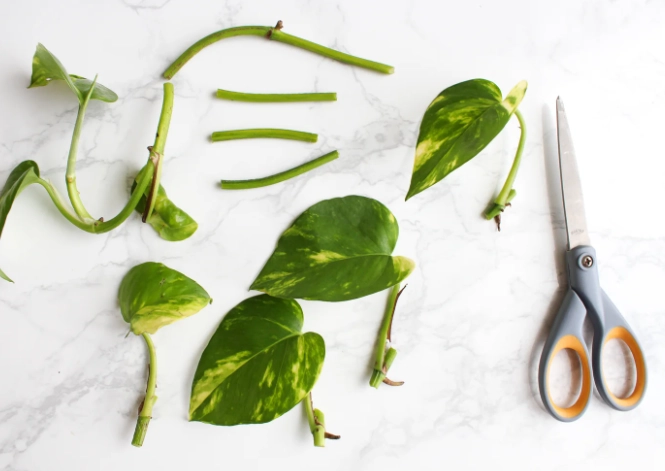
In This Article
Gathering Your Propagation Toolkit
You don't need much. Seriously. A fancy propagation station is nice for Instagram, but a clean jar and tap water work just fine. Here's the bare-bones list:
- A healthy mother plant: Look for vines with vigorous growth. Avoid sections that are yellowing or look sickly.
- Sharp, clean scissors or pruning shears: I wipe mine with rubbing alcohol. A clean cut heals faster and reduces the risk of introducing rot.
- Containers: For water, clear glass jars let you watch the roots grow (half the fun). For soil, small pots with drainage holes are non-negotiable.
- Medium: Fresh water or a well-draining potting mix. A mix of regular potting soil with 30% perlite or orchid bark is my go-to.
Pro Tip: While not essential, having a little rooting hormone powder on hand can speed up soil propagation, especially for slower-to-root varieties like the N'Joy or Manjula. It's like a confidence boost for your cuttings.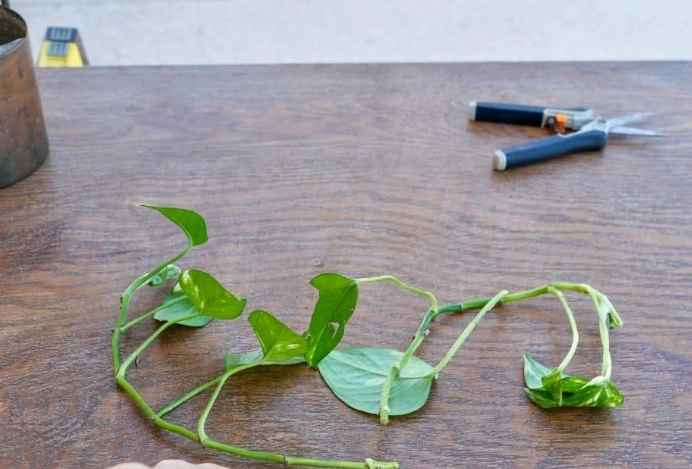
Step-by-Step: Propagating Pothos in Water
This is the classic method, perfect for beginners because you get a front-row seat to the rooting process. It's practically foolproof.
1. The All-Important Cut
Find a section of vine with at least 3-4 leaves. Look for those little brown bumps on the stem, right below where a leaf attaches. Those are nodes, and they are the magic spots where new roots will emerge. Make your cut about a quarter-inch below a node. You want that node to be on your cutting.
Length? A cutting with 1-2 nodes and 1-2 leaves is perfect. You can make it longer, but shorter cuttings often root faster because the plant has less foliage to support.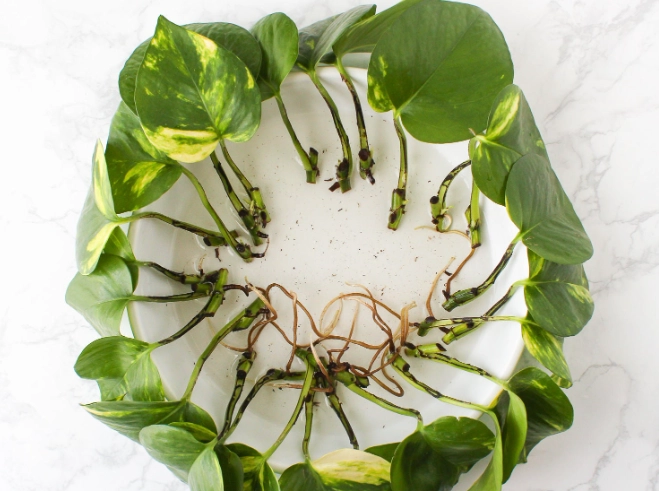
2. Prep and Place
Remove any leaves that would be submerged in water. Rotting leaves will foul the water and can kill your cutting. Place the cutting in your jar so that the node(s) are underwater, but the leaves are high and dry.
3. The Waiting Game
Put the jar in a spot with bright, indirect light. A north or east-facing windowsill is ideal. Direct sun can cook the roots. Change the water every 5-7 days to keep it fresh and oxygenated. You'll see little white nubs appear from the node in 1-2 weeks, developing into proper roots over the next month.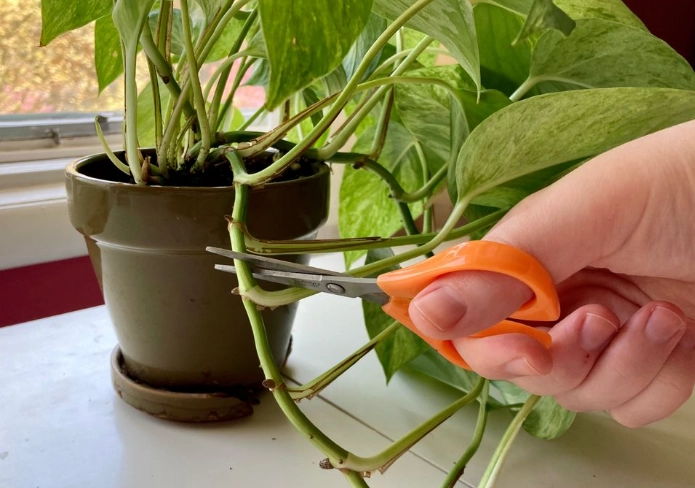
Watch Out: The most common error here is using a jar that's too deep, forcing you to fill it with too much water. You only need enough to cover the nodes. Less water means more oxygen reaches the developing roots, which they love.
Step-by-Step: Propagating Directly in Soil
This method skips the water phase, transitioning the cutting directly to its final home. It's faster overall and avoids transplant shock later, but requires a bit more attention to moisture.
- Take your cuttings as described above.
- Optional: Dip the cut end, especially the node area, in rooting hormone. Tap off the excess.
- Have your small pots filled with pre-moistened potting mix ready. Poke a hole with a pencil or your finger.
- Insert the cutting, ensuring at least one node is buried beneath the soil. Firm the soil gently around it.
- Water lightly to settle the soil. Then, place the pot in a warm spot with bright, indirect light.
- Here's the critical part: keep the soil lightly moist, not soggy. Think of a wrung-out sponge. A clear plastic bag placed loosely over the pot can create a humid mini-greenhouse, reducing the need to water frequently.
How do you know it's working? In a few weeks, give the cutting a very gentle tug. If you feel resistance, roots have formed. New leaf growth is the ultimate confirmation.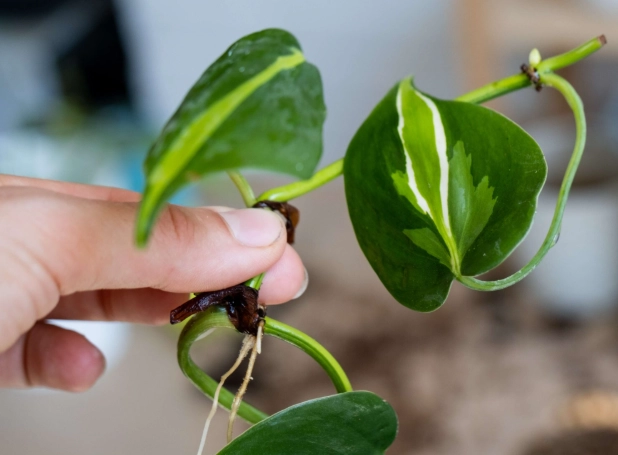
The Sneaky Mistakes That Kill Cuttings (And How to Avoid Them)
After helping countless friends propagate, I've seen the same pitfalls trip people up. It's rarely about a "black thumb."
| Mistake | Why It's a Problem | The Fix |
|---|---|---|
| Cutting without a node | No node, no roots. It's that simple. The cutting will just sit in water until it rots. | Always, always identify the brown aerial root bump before you snip. |
| Leaving leaves in water (water prop) | Submerged leaves decompose, creating bacteria that attack the vulnerable stem. | Strip any foliage that will be below the waterline. |
| Overwatering (soil prop) | Soggy soil suffocates the stem, causing it to rot before it can root. | Moisten the soil beforehand and water sparingly. Use the "mini-greenhouse" bag trick to maintain humidity without wet soil. |
| Using a giant pot | Too much soil stays wet for too long, again promoting rot. The cutting's small root system can't use all that moisture. | Start with a small pot (3-4 inches max). You can always pot up later. |
| Giving up too soon | Some cuttings, especially in lower light or cooler temps, can take a month or more to show progress. | Be patient. As long as the stem is firm and not mushy, it's still in the game. |
My own first propagation fail was due to that last one. I had a Marble Queen cutting in water for three weeks with no roots. I almost tossed it. On a whim, I left it, and in week five, a fat, healthy root finally emerged. Now it's a full plant.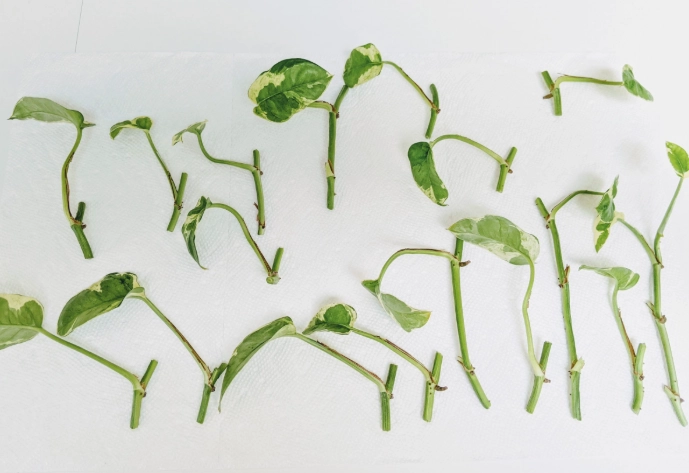
What to Do After Your Pothos Roots
Success! Roots are an inch or two long in water, or your soil cutting has new leaves. Now what?
For water-propagated cuttings: You can keep them in water almost indefinitely (they become semi-aquatic), but for best long-term growth, transition them to soil. When planting, water the soil thoroughly and keep it consistently moist (not wet) for the first 2-3 weeks. This helps the water roots adapt to their new soil environment. A little drooping post-transplant is normal; it'll perk up.
For all new plants: Treat them like any young pothos. Bright, indirect light. Water when the top inch of soil feels dry. Hold off on fertilizer for at least 2-3 months—the fresh potting mix has nutrients, and their primary goal is establishing roots, not explosive growth.
Your Propagation Questions, Answered
Why are the stems of my pothos cuttings rotting in water?
Can I propagate a pothos leaf without a stem?
How many cuttings should I put in one pot for a fuller plant?
My propagated pothos has tiny, pale leaves. What's wrong?
Is it better to propagate in spring or can I do it year-round?


Comments