Quick Navigation to What You Need
- What is a ZZ Plant and Why It's Everywhere
- The Real Deal on Watering Your ZZ Plant
- Light Requirements: Busting the Low Light Myth
- Soil, Pots, and Feeding: Getting the Basics Right
- Fixing Common ZZ Plant Issues (Like Yellow Leaves)
- How to Multiply Your ZZ Plant: A Simple Guide
- Your Burning ZZ Plant Questions Answered
I remember buying my first ZZ plant from a grocery store, thinking it would die in a week like my last fern. But here we are, five years later, and it's still going strong—even after I forgot to water it for a month. That's the magic of Zamioculcas zamiifolia, or the ZZ plant. It's not just a trendy houseplant; it's a survivor that fits modern life. In this guide, I'll share everything I've learned, from watering tricks to lighting secrets, so you can avoid the mistakes that kill most indoor plants.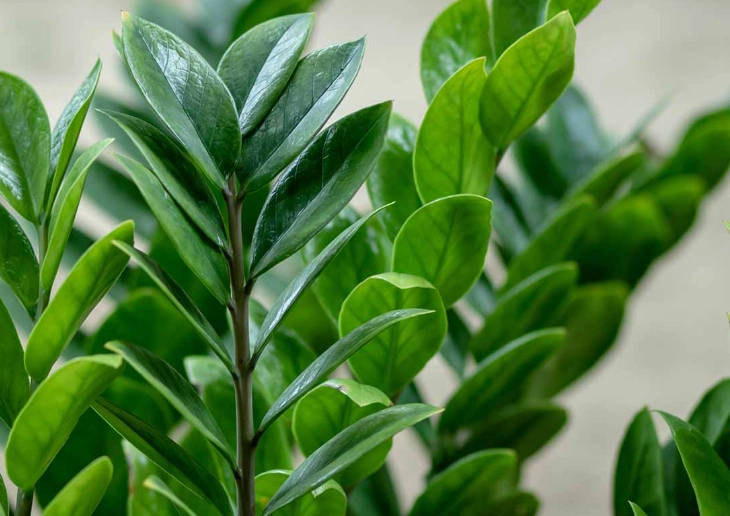
What is a ZZ Plant and Why It's Everywhere
Let's start with the basics. The ZZ plant, scientifically known as Zamioculcas zamiifolia, hails from Eastern Africa—think dry regions like Zanzibar. It's got glossy, dark green leaves that grow from thick, potato-like rhizomes underground. These rhizomes store water, which is why the plant can handle neglect. NASA's Clean Air Study highlighted its air-purifying qualities, but honestly, most people love it because it looks good and doesn't demand much.
Why is it so popular? For starters, it's marketed as a low-light plant, but that's only half the story. I've seen them thrive in offices with fluorescent lights and homes with bright indirect sun. They're slow growers, which means less repotting hassle. And they're pet-friendly? Well, not exactly. The sap can irritate pets if ingested, so keep it out of reach. But overall, it's a versatile choice for beginners and busy folks.
The Real Deal on Watering Your ZZ Plant
This is where most people mess up. The common advice is "water sparingly," but what does that mean? Let me break it down.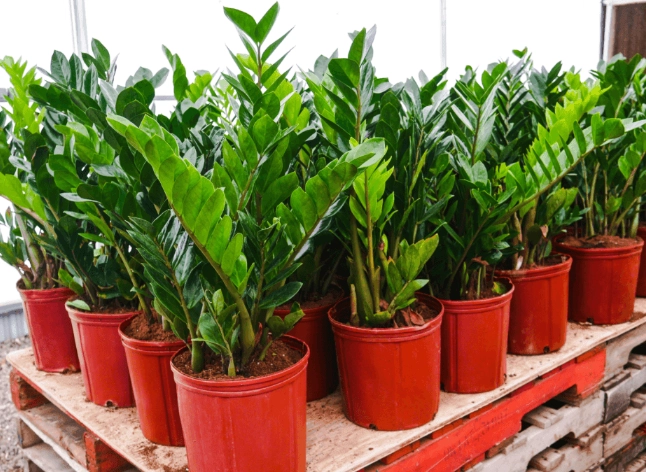
ZZ plants hate wet feet. Their rhizomes rot easily if the soil stays soggy. I learned this the hard way when a friend overwatered hers, and the leaves turned yellow within days. Here's my rule: water only when the top 2-3 inches of soil are bone dry. Stick your finger in—if it feels dry, go ahead. In winter, that might be every 3-4 weeks; in summer, maybe every 2 weeks. But it depends on your home's humidity and light.
Use a pot with drainage holes. Always. I've tried decorative pots without holes, and it's a disaster waiting to happen. If you must use one, double-pot it with a nursery pot inside. Water thoroughly until it runs out the bottom, then let it drain completely. Don't let it sit in a saucer of water.
What about tap water? ZZ plants aren't picky, but if your water is heavily chlorinated, let it sit out overnight. Or use filtered water if you're feeling fancy. But honestly, mine gets tap water, and it's fine.
Signs You're Overwatering (And What to Do)
Yellow leaves are the first clue. If they're mushy or falling off, you've probably overdone it. Stop watering immediately. Let the soil dry out completely. If the rhizomes are soft and brown, you might need to repot and cut away the rotten parts. It's salvageable if you catch it early.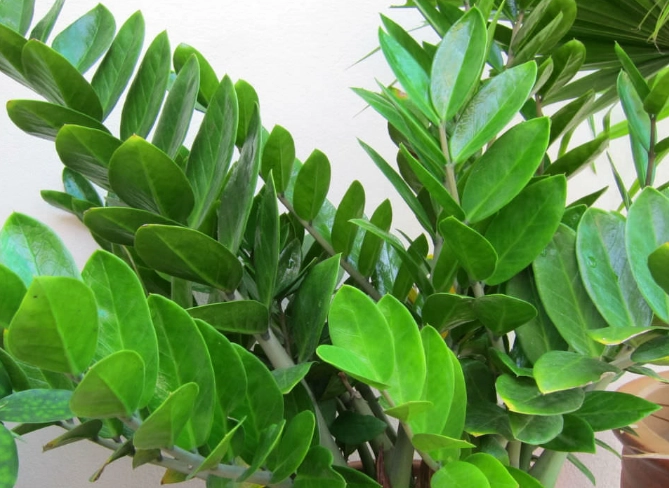
Light Requirements: Busting the Low Light Myth
Here's a non-consensus point: ZZ plants don't just survive in low light; they thrive in bright, indirect light. I've tested this with two plants—one in a dim corner and one near a north-facing window. The one with more light grew faster and had darker leaves. Low light is okay for survival, but for growth, give it some brightness.
Direct sun? Avoid it. The leaves can scorch, especially in hot climates. Think of it like this: imagine a shaded spot under a tree in its native habitat. That's the sweet spot. East or north-facing windows are ideal. If you only have low light, it'll live, but don't expect much growth.
Artificial light works too. I've kept a ZZ plant under LED grow lights for months, and it did well. Just keep the lights on for 8-10 hours a day.
Soil, Pots, and Feeding: Getting the Basics Right
ZZ plants aren't fussy about soil, but they need good drainage. A standard potting mix with perlite or sand added works great. I use a mix of 60% potting soil, 30% perlite, and 10% orchid bark for extra aeration. Avoid heavy, moisture-retentive soils like those for ferns.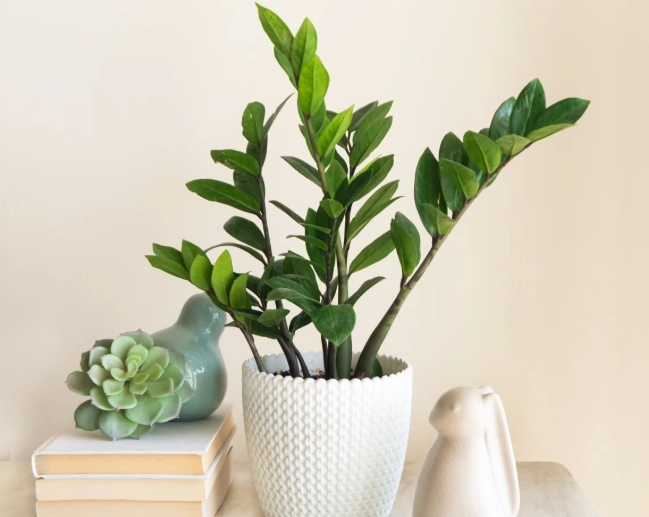
Pot size matters. These plants like to be slightly root-bound, so don't go too big. Choose a pot that's 1-2 inches larger in diameter than the root ball. Terracotta pots are excellent because they breathe, reducing the risk of overwatering. Plastic is fine too, but be extra careful with watering.
Fertilizer? Go light. During the growing season (spring and summer), feed once a month with a balanced, water-soluble fertilizer diluted to half strength. In fall and winter, skip it. Over-fertilizing can burn the roots. I once made the mistake of using full strength, and the tips of the leaves turned brown. Lesson learned.
Fixing Common ZZ Plant Issues (Like Yellow Leaves)
Even tough plants have problems. Here's a quick table to diagnose and fix common issues: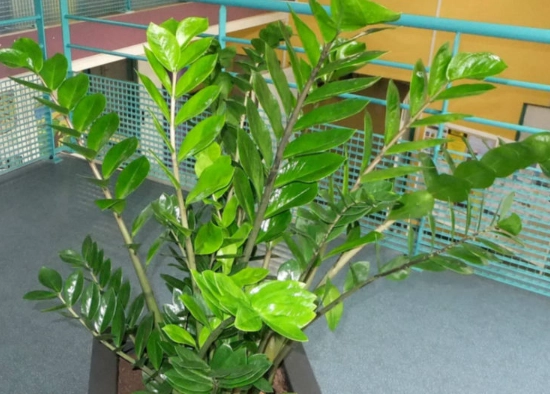
| Problem | Likely Cause | Solution |
|---|---|---|
| Yellow leaves | Overwatering or poor drainage | Let soil dry, improve drainage, repot if needed |
| Brown leaf tips | Low humidity or fertilizer burn | Mist occasionally, reduce fertilizer |
| Drooping stems | Underwatering or root rot | Check soil moisture, water if dry, inspect roots |
| No new growth | Insufficient light or dormant period | Move to brighter spot, be patient in winter |
| Pests (like mealybugs) | Poor air circulation or infested plants nearby | Wipe with alcohol, use insecticidal soap |
Pests are rare, but they happen. Mealybugs look like white cottony spots. I dealt with them by dabbing with rubbing alcohol on a cotton swab. For scale insects, a neem oil spray works. Keep an eye out, especially if you bring new plants home.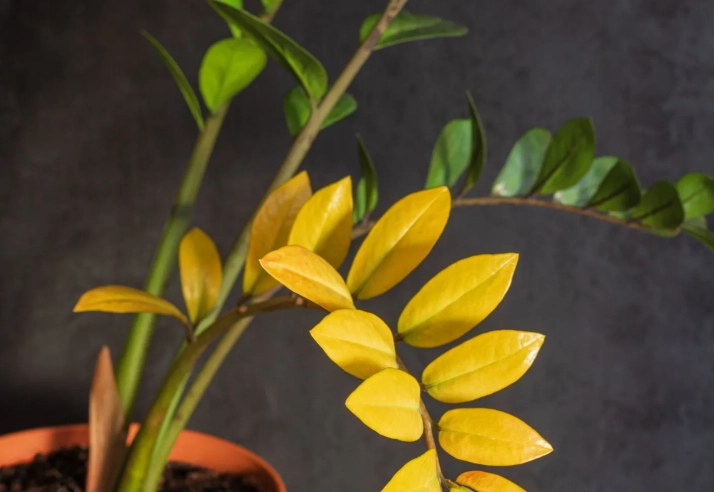
How to Multiply Your ZZ Plant: A Simple Guide
Want more ZZ plants? Propagation is easy but slow. Here are two methods I've used successfully.
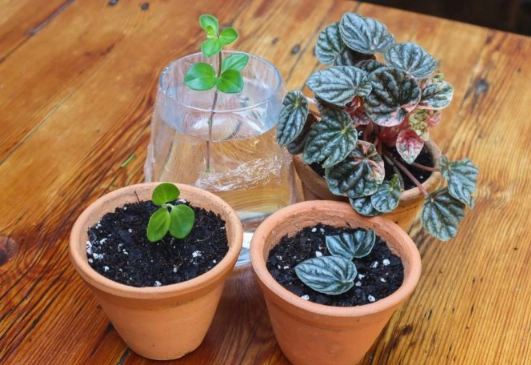
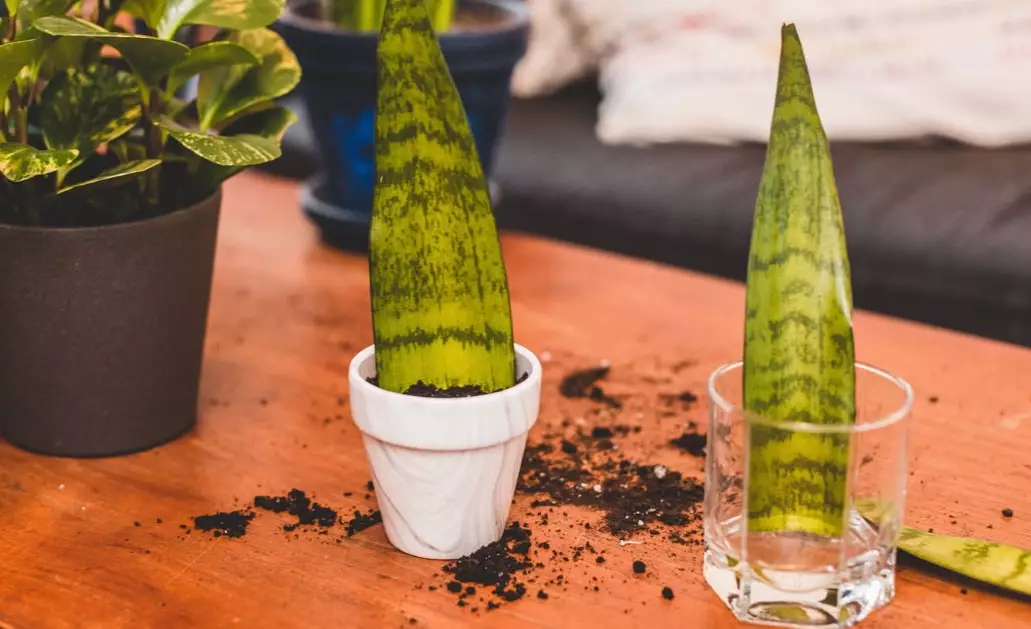
Leaf cuttings: Take a healthy leaf, cut it close to the stem, and let it callus for a day. Then, stick it in moist soil or water. In water, change it weekly to prevent rot. It can take months to see roots, but eventually, a new rhizome forms. I've had cuttings take over 6 months to root—patience is key.
Division: This is faster. When repotting, gently separate the rhizomes with a clean knife. Each section should have roots and stems. Pot them individually. I did this last spring, and the new plants started growing within weeks.
Propagation in water is trendy, but soil propagation often has higher success rates. Try both and see what works for you.
Your Burning ZZ Plant Questions Answered
ZZ plants are more than just decor; they're resilient companions that teach you about plant care without the stress. Start with the basics—water less, give some light, and don't fuss over them. You'll be surprised how they reward you with steady growth. Got more questions? Drop a comment below, and I'll help out. Happy planting!

Comments