Let's be honest. You've probably killed a houseplant or two. Maybe you forgot to water it for a month. Maybe you loved it a little too much with daily watering. I've been there. That's why when I first discovered hens and chicks succulents, it felt like finding the cheat code for gardening. Their botanical name is Sempervivum, which means "always living" in Latin. After growing them for a decade, I can tell you that name isn't far off. These are the plants that forgive your forgetfulness and reward your minimal effort with geometric beauty and endless babies.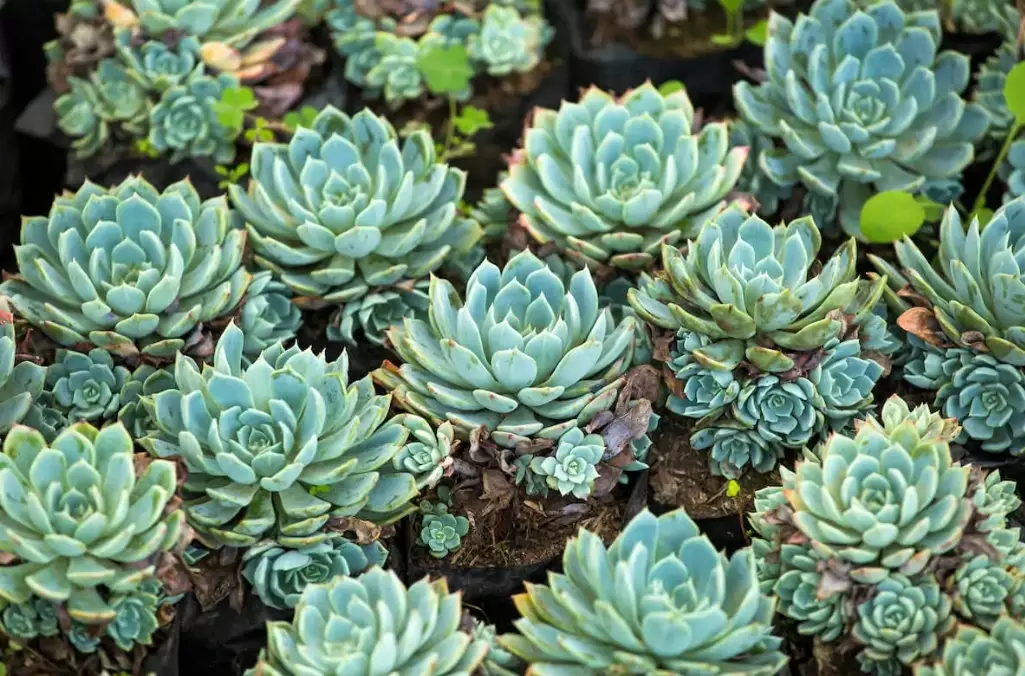
Picture a tight, perfect rosette of fleshy leaves—that's the "hen." Around it, on short stems, smaller identical rosettes pop up—those are the "chicks." They spread slowly, forming a dense, textured mat. They come in colors you wouldn't believe a plant could be: deep burgundy, silvery blue, lime green tipped with red, even nearly black. And they're cold-hardy. While most succulents shiver at the first frost, many Sempervivum can survive winters down to -20°F (-29°C), buried under snow, and pop back up in spring looking perfectly fine. It's magic.
What's Inside?
The Simple Care Breakdown: Light, Water, Soil, Food
Think of their native habitat: rocky, alpine slopes in Europe. Poor soil, blazing sun, sharp drainage. That's what you're mimicking.
Sunlight: The More, The Merrier (And Colorful-er)
This is the most critical factor. Hens and chicks need at least 6 hours of direct sunlight daily. Full, blazing sun is best. Insufficient light is the #1 reason they fail indoors. They'll start stretching out, becoming tall and pale—a condition called etiolation. The tight rosette form falls apart. If you're growing them indoors, a south-facing window is non-negotiable. East or west might work in the peak of summer, but it's often not enough. Consider a grow light if your windows aren't sunny. Outdoors, find the sunniest spot in your garden, rockery, or patio.
Watering: The Art of Neglect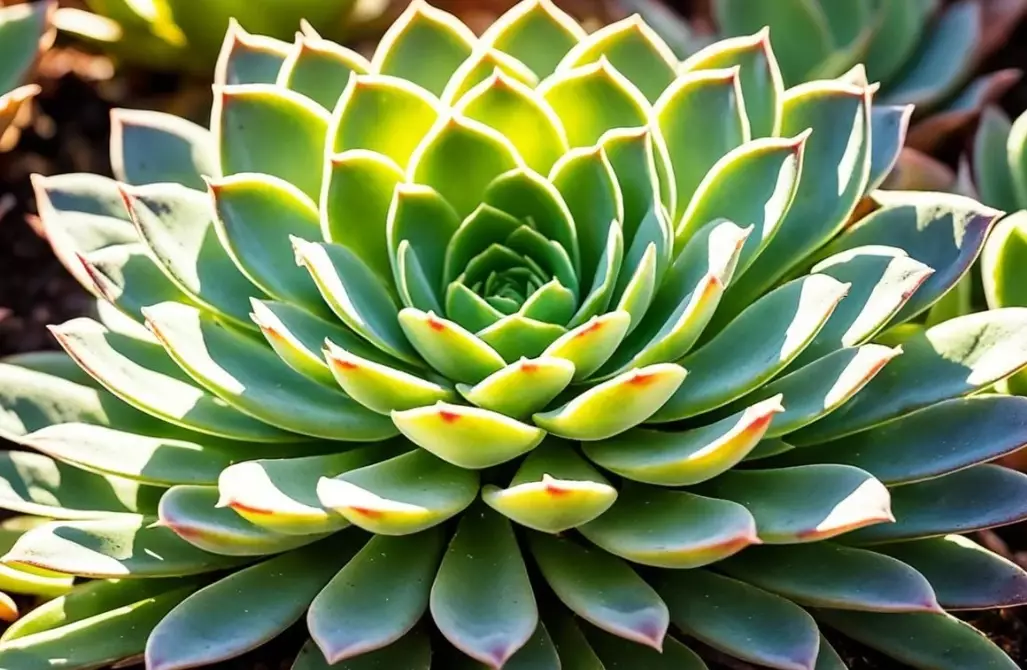
Here's where most people mess up, and it's a silent killer. These plants store water in their leaves. They are built for drought. Overwatering leads to soft, mushy leaves and root rot, which is usually fatal.
The Soak and Dry Method is your bible: Water thoroughly until it runs out the drainage hole. Then, walk away. Do not water again until the soil is completely dry. Not kinda dry. Bone dry. Stick your finger in the soil. In summer, this might be every 7-10 days. In winter, especially if they're dormant outdoors or in a cool spot, it could be once a month or less. When in doubt, wait another three days.
I use terra cotta pots for almost all my Sempervivum. The porous clay helps soil dry faster, giving me a bigger margin for error. Plastic pots hold moisture longer, so you must be extra careful.
Soil and Potting: Drainage is Everything
Regular potting soil is a death sentence. It holds too much moisture. You need a gritty, fast-draining mix.
- My Go-To DIY Mix: 50% regular potting soil, 50% perlite or pumice. Some people use coarse sand, but it can compact. Perlite is cheap and effective.
- Even Better (for containers): A dedicated succulent & cactus mix from a brand like Bonsai Jack or Superfly, which is mostly inorganic material.
- In the Garden: Amend heavy clay soil with plenty of gravel, sand, or crushed granite. Raised beds or mounds are ideal.
Always, always use a pot with a drainage hole. No exceptions.
Fertilizer: Skip It (Mostly)
They thrive in poor soil. Fertilizing can make them grow too fast and lose their compact shape. If you must, a half-strength, balanced liquid fertilizer (like 10-10-10) applied once in early spring is more than enough. I often skip it entirely, especially for plants in the ground. They get what they need from the minimal organic matter in the soil.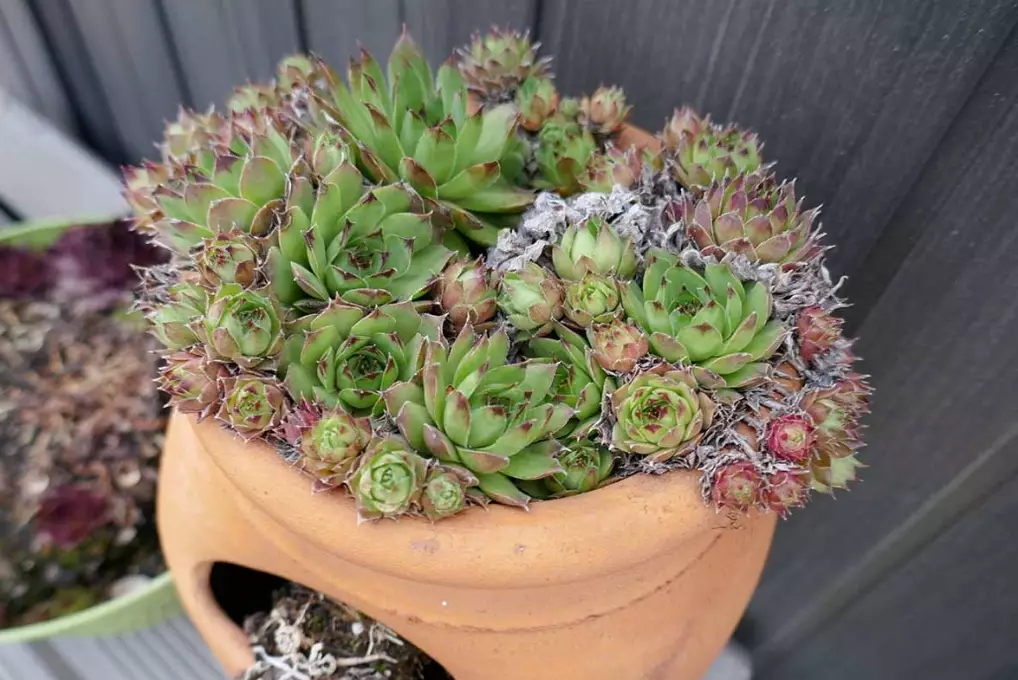
Propagation Magic: How to Get Free Plants Forever
This is the fun part. Hens and chicks propagate themselves vegetatively through stolons (those little stems connecting the chicks). It's effortless.
- Wait for a Well-Formed Chick: Let a chick grow to at least one-third the size of the mother hen. It often has its own tiny roots already.
- Gently Separate: You can usually wiggle it off with your fingers. If it's stubborn, use a clean, sharp knife to cut the stolon.
- The Crucial Callousing Step: This is the step everyone misses. Place the detached chick in a dry, shaded spot for 24-48 hours. This lets the cut end form a callus, which prevents rot when you plant it. Don't skip this.
- Plant Shallowly: Place the calloused chick on top of dry, well-draining soil. You can barely nestle the base in. Don't bury it deep.
- Wait to Water: Do not water for about a week. This encourages the chick to push out new roots searching for moisture. After a week, give it a light watering. Once you see firm new growth, treat it like a mature plant.
The mother hen will eventually flower. This is a spectacular but bittersweet event. Sempervivum are "monocarpic," meaning the flowering rosette dies after blooming. Don't panic. It puts all its energy into a tall, fascinating flower spike (often pink or red), and by the time it's done, it's surrounded by a colony of chicks that will carry on. It's the circle of life in your planter.
My Top 5 Hens and Chicks Varieties (And Why)
With thousands of cultivars, choosing can be overwhelming. Here are five I always recommend, each for a different reason. Information from the Royal Horticultural Society and other cultivators confirms the traits of these popular types.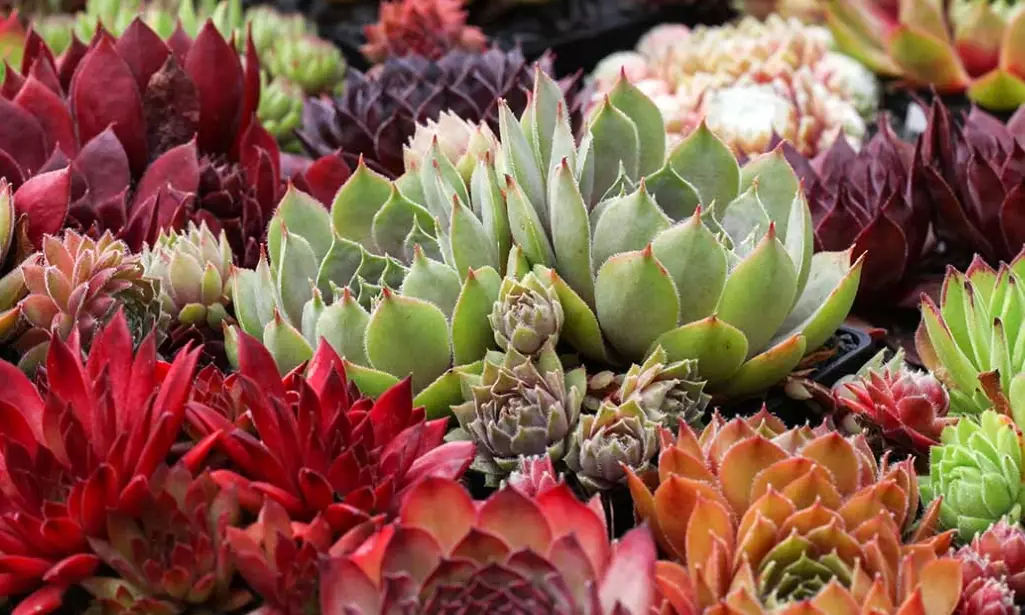
| Variety Name | Key Features | Why I Love It |
|---|---|---|
| Sempervivum arachnoideum (Cobweb Houseleek) | Tiny rosettes covered in fine, white hairs that look like cobwebs. | It's a conversation starter. Unmistakable and charming. Perfect for fairy gardens or small containers. |
| Sempervivum 'Pacific Blue Ice' | Large, powdery blue rosettes with pinkish-purple tips. | The color is stunning—a cool, serene blue that contrasts beautifully with red or green varieties. Very robust grower. |
| Sempervivum 'Red Rubin' | Medium rosettes that turn a deep, wine-red in full sun. | For maximum color impact. It holds its red hue well. Shows you're giving it perfect light conditions. |
| Sempervivum tectorum (Common Houseleek) | The classic. Green with burgundy tips. Historically planted on thatched roofs in Europe. | It's the workhorse. Incredibly tough, cold-hardy, and prolific. If you can only grow one, start here. |
| Sempervivum 'Oddity' | Quirky, tubular leaves that roll inward, making the rosette look like a cluster of tiny green claws. | It breaks the mold. Doesn't even look like a typical Sempervivum. For the collector who wants something truly unique. |
I have a soft spot for 'Pacific Blue Ice'. I planted a single rosette in a shallow bowl three years ago. It's now a sprawling, multi-colored colony because its chicks vary slightly in hue. It's a living sculpture.
Troubleshooting: What's Wrong With My Plant?
Even the tough ones have issues. Here’s a quick diagnostic list.
- Rosette is stretching tall and pale: Not enough light. Move to full sun.
- Lower leaves are drying and crispy: Normal. As the plant grows, it absorbs nutrients from older leaves. They dry and fall off. Gently pull them off to keep things tidy and prevent pest hideouts.
- Leaves are mushy, translucent, or black: Overwatering/rot. Stop watering immediately. If the center is mushy, the plant is likely a goner. Save any healthy chicks. If only outer leaves are affected, you might save the main plant by removing the bad leaves, unpotting it, letting the roots dry, and replanting in dry soil.
- Brown, scorched spots on leaves: Sunburn. Yes, they can sunburn if moved from low light to blazing sun too quickly. Acclimate them over a week. The scorched leaves won't recover, but new growth will be fine.
- No chicks appearing: Be patient. Sometimes they focus on root growth first. Ensure it's getting enough light and isn't over-fertilized (which can discourage offsetting).
A common misconception is that because they're "cold-hardy," they love wet, cold soil. They don't. Winter wetness is their biggest enemy in cold climates. The advice from the Missouri Botanical Garden is clear: perfect drainage is even more critical in winter to prevent the crown from sitting in frozen slush.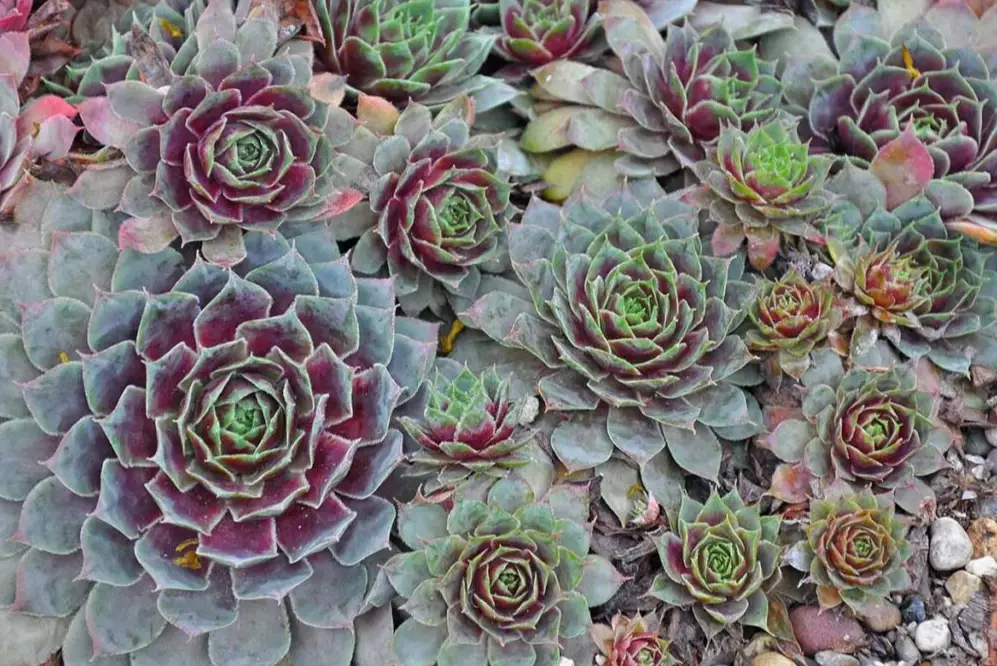
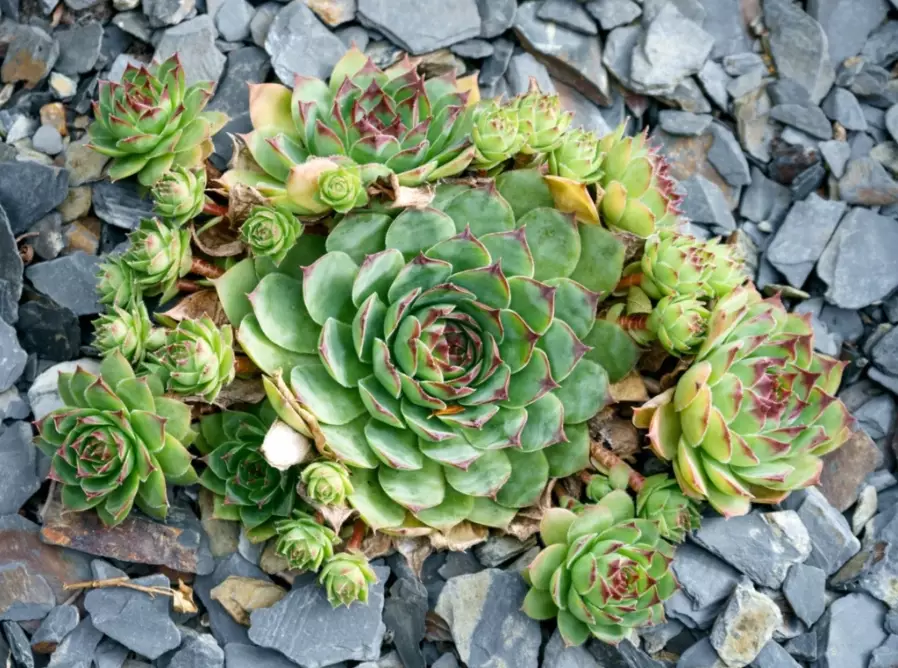 So, there you have it. Hens and chicks are the gateway plant to a confident, thriving garden. They ask for little—some sun, a drink now and then, and soil that doesn't hold onto water. In return, they give you structure, color, and the simple joy of watching life multiply. Grab a shallow pot, mix up some gritty soil, and start your colony. You might just find it's the only plant you never manage to kill.

Comments