You know that feeling when you look at your string of pearls plant and think, "I wish I had more of this trailing beauty?" It's a common sentiment among succulent lovers. The good news is that propagating string of pearls (Senecio rowleyanus) is surprisingly straightforward, often easier than keeping the mature plant alive. This guide isn't just another list of steps. It's the culmination of my own decade of trial and error, where I've learned that the biggest mistake isn't about watering or light—it's about the timing and the part of the plant you choose to cut.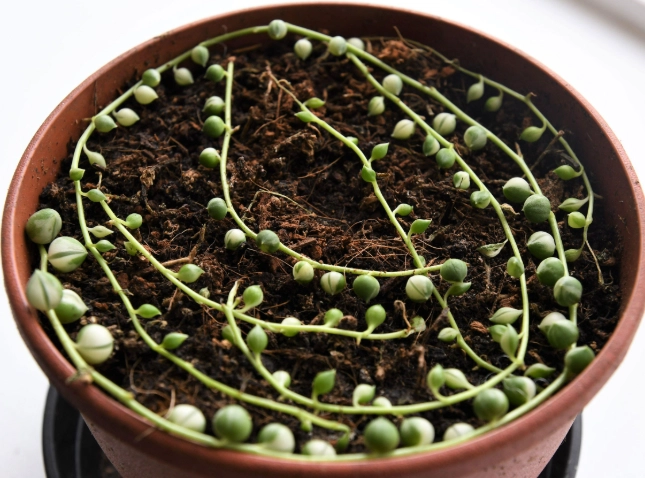
What You'll Learn in This Guide
Let's get one thing straight upfront. Many guides will tell you to let the cuttings callous over for a few days before planting. In my experience, with string of pearls, this extra waiting period is often unnecessary and can even be detrimental. The stems are so thin and delicate that excessive drying out can desiccate the single node you need for roots. A clean cut with a sterile knife, followed by just a few hours of air drying in a shaded spot, is almost always sufficient.
The Three Propagation Methods Explained
There are three primary ways to propagate string of pearls: stem cuttings in soil, water propagation, and division. Each has its place, and your choice depends on your starting material and your tolerance for risk.
Method 1: Stem Cuttings in Soil (The Most Reliable)
This is the classic method, the one I recommend for beginners because it involves the least steps and the highest success rate if done correctly. You're essentially creating a clone of the mother plant.
Here's the process broken down into actionable steps:
- Select Your Cutting: Look for a healthy, actively growing stem. This means it should be firm, not mushy, and have a vibrant green color. Avoid sections that are flowering, as these may prioritize seed production over root growth. The ideal cutting length is about 3-4 inches, but honestly, I've had success with pieces as short as 2 inches when I was desperate to save a plant.
- Make the Cut: Use a sharp, clean pair of scissors or pruning shears. I prefer precision snips for this job because they cause less crushing damage to the delicate stems. Cut just below a leaf node (the small bump where leaves emerge). This is where the growth hormones are concentrated. You want at least one node, but two or three is better. Strip the leaves off the bottom inch or two of the stem. This is the part you'll bury.
- Let It Callous (The Often Overlooked Step): This is where many fail. Lay the cutting on a paper towel in a bright, airy spot out of direct sun. Let the cut end dry and form a thin callus. This usually takes 24-48 hours. This callus is crucial—it acts like a scab, preventing rot when the cutting is introduced to moisture. I've lost more cuttings by skipping this step than by any watering mistake later on.
- Plant It: Fill a small pot (I like terracotta because it breathes) with a very well-draining succulent mix. You can use a pre-made mix or make your own with equal parts potting soil, coarse sand, and perlite. Poke a hole in the soil with a pencil or your finger and gently insert the callused end of the cutting. Bury at least one node, but you can bury two if your cutting allows. The buried nodes are where the roots will emerge from.
- Water Wisely: Here's my personal, non-consensus opinion that goes against most advice online: Do not water immediately. The soil should be slightly moist from when you prepared the pot, but not wet. Watering now risks dislodging the cutting and introducing rot. Instead, give the cutting a light mist from a spray bottle around the base to settle the soil. Then, place the pot in bright, indirect light and do not water again for at least a week, maybe even 10 days. Resist the urge. The cutting has no roots yet; it cannot take up water. You are merely keeping the surrounding environment slightly humid to encourage root growth.
I learned this the hard way. I once watered a tray of cuttings the same day I planted them, thinking I was "giving them a good start." Within a week, every single one had turned to mush. Now, I wait at least 7 days before even considering a proper watering.
Method 2: Water Propagation (The Fastest and Most Visually Rewarding)
This method is fantastic for two reasons. First, it's incredibly satisfying to watch those tiny white roots emerge from the nodes. Second, it's a great way to rescue stems that have become etiolated (stretched and leggy) from insufficient light. However, it requires a bit more attention during the transition to soil.
The steps are nearly identical to soil propagation, with one key difference:
- After preparing your cuttings and letting them callous, you place them in a clear glass or jar of water.
- Only the bottom nodes should be submerged. Do not submerge any leaves, as they will rot.
- Place the glass in a location with bright, indirect light.
- Change the water every 3-4 days to prevent bacterial growth.
- Roots will typically appear within 10-14 days.
The crucial part comes when you transition to soil. The water roots are more fragile and accustomed to a constant water environment. To avoid shocking them, you must keep the soil consistently moist (but not soggy) for the first week after transplanting. I usually water lightly every other day for the first 5 days, then gradually extend the drying period between waterings.
Method 3: Division (The Least Common but Useful for Mature Plants)
This method is less about creating new plants from cuttings and more about rejuvenating an old, overgrown, or pot-bound string of pearls plant. If your plant has developed multiple independent trails or clumps, you can gently separate them at the roots during repotting.
The process is simple but requires a delicate touch:
- Remove the entire plant from its pot.
- Gently tease apart the root ball with your fingers, separating natural divisions.
- Each division should have its own set of roots and several stems.
- Immediately repot each division into its own container with fresh succulent soil.
- Water lightly to settle the soil around the roots.
Division is the quickest way to get a sizable new plant, but it doesn't give you the same satisfaction as growing from a tiny cutting.
The Great Debate: Soil vs. Water Propagation
Let's settle this once and for all. There's a lot of dogma online about one method being superior to the other. In reality, it depends entirely on your goals and your environment.
I've propagated string of pearls in water dozens of times. It works, and it works quickly. But here's the subtle catch that most guides don't tell you: cuttings rooted in water develop what I call "water roots." These are roots that have adapted to absorb oxygen and nutrients directly from the water column. They are finer, more delicate, and structurally different from roots that develop in search of moisture and nutrients in soil.
When you transition a water-rooted cutting to soil, these roots often go through a period of shock. Some may even die back before the plant produces new, soil-adapted roots. This isn't a failure; it's a normal stress response. The key is to not let the soil dry out completely during this transition period. Keep it slightly moist for the first week, then gradually treat it like an established plant.
Soil propagation, on the other hand, produces roots that are already adapted to the soil environment from day one. There's no transition shock. The trade-off is that you can't see what's happening below the surface, so patience is required. You have to trust the process.
My personal rule of thumb? If I'm propagating in the humid summer months, I go with water propagation because it's faster and I enjoy the visual feedback. In the drier winter months, I stick to soil propagation because it eliminates the transition shock and the risk of overwatering in lower light conditions.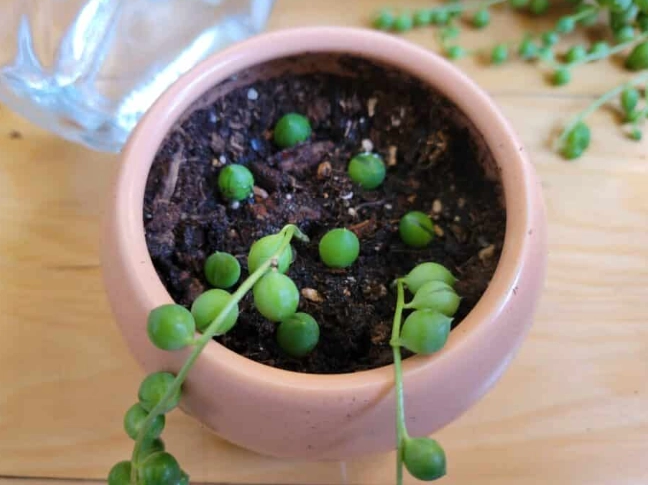
The Single Most Important Factor: When to Propagate
You can technically propagate string of pearls at any time of the year if you provide bottom heat and consistent moisture. But if you want the highest success rate with the least effort, timing is everything.
The plant's natural growth cycle dictates the best time. String of pearls, like most succulents, enters its most active growth phase in the spring and early summer. This period, from April through July in the Northern Hemisphere, is the golden window for propagation. The plant is surging with growth hormones, temperatures are warming, and daylight hours are increasing. All of these factors combine to create the perfect storm for rapid root development.
I've propagated in the dead of winter under grow lights with heating mats, and it works. But it's slower. The cuttings are more lethargic, and the risk of rot from overwatering is higher because the plant's metabolism is slower. It's like trying to start a fire with damp wood—possible, but you're working against the elements.
Spring is ideal. Early fall is a close second. Summer can work, but you must be vigilant about rot in high heat and humidity. Winter is possible indoors with supplemental light and warmth, but it's an uphill battle.
3 Critical Mistakes That Kill Your Cuttings (And How to Avoid Them)
After a decade of growing (and killing) more string of pearls plants than I'd like to admit, I've identified the three silent killers of propagation. These aren't the obvious ones like overwatering; they're more subtle.
Mistake #1: Choosing a Flowering Stem. It seems counterintuitive. A stem with pearls looks healthy, right? Wrong. When a stem is putting energy into producing flowers, it's diverting resources away from vegetative growth and root production. Always select a non-flowering stem for propagation. If you only have flowering stems available, you must remove the flower spike entirely. Cut it off as close to the main stem as possible without damaging the node below it.
Mistake #2: Burying the Leaves. This seems like common sense—more contact with soil, better stability. But with string of pearls, those buried leaves will almost certainly rot. They create a damp, dark environment perfect for fungal growth. Always strip the leaves from the lower nodes you plan to bury. The node itself is all that needs to be in contact with the soil.
Mistake #3: The "Just a Spritz" Watering Habit. This is the most common error I see. When you first plant a cutting, the root system is nonexistent or minuscule. It cannot take up water from a large volume of soil. Frequent, light waterings only wet the top layer of soil, encouraging the roots to stay shallow and making the cutting more susceptible to drying out between waterings. Instead, you must water thoroughly but infrequently. Soak the entire pot until water runs out the drainage holes, then allow it to dry out almost completely before watering again. This encourages the roots to dive deep in search of moisture, establishing a stronger foundation.
Soil vs. Water Propagation: A Clear Comparison
Let's lay out the facts side by side. This isn't about which method is "better" in an abstract sense; it's about which method is better for you in your specific situation.
| Factor | Soil Propagation | Water Propagation |
|---|---|---|
| Success Rate (Beginner) | High (if you avoid overwatering) | High (if you change water regularly) |
| Speed of Rooting | Slower (3-6 weeks) | Faster (10-14 days) |
| Ease of Monitoring | Low (can't see roots) | High (roots are visible) |
| Transition Shock | None (roots are soil-adapted) | High (roots need to adapt) |
| Best For | Set-it-and-forget-it growers | Visual learners and impatient growers |
My personal stance? I almost always start my cuttings in soil now. The only exception is when I'm trying to salvage a stem that has become etiolated or damaged. Then, I'll use water propagation to quickly assess if the cutting is still viable and to enjoy the visual satisfaction of seeing roots form. But I always transition them to soil sooner rather than later.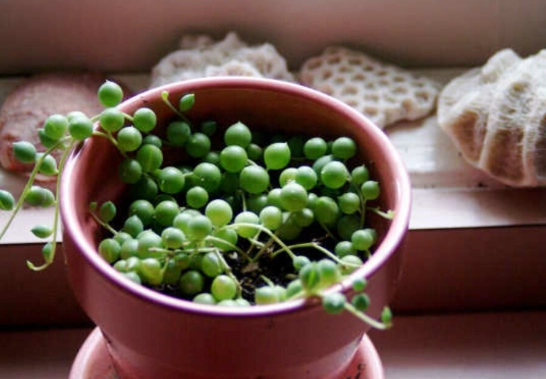
What to Do After Your Cuttings Have Rooted
Congratulations! You've successfully rooted your string of pearls cuttings. Now the real work begins: keeping them alive long enough to enjoy them as full plants.
This is where most people fail. They treat the newly rooted cuttings like established plants, which they are not. The root system is still incredibly small and delicate. It cannot support the same amount of foliage as the mother plant, nor can it access water and nutrients from a large volume of soil.
Here's my aftercare protocol, which has given me a near 100% survival rate:
- Light: Provide bright, indirect light. A few hours of morning sun is excellent, but avoid harsh afternoon sun that can scorch the tender new growth.
- Watering: This is the most critical adjustment. You must now shift from encouraging root growth to encouraging strong, established growth. This means allowing the soil to dry out more between waterings. I stick my finger into the soil. If it feels dry up to my first knuckle, I water thoroughly. If it's still damp, I wait.
- Fertilizing: Do not fertilize for at least the first two months. The new roots are easily burned by fertilizer salts. After that, you can begin a very diluted feeding program during the growing season.
The most common question I get at this stage is, "When can I repot them?" My answer is always the same: not until you see significant new growth. New leaves or pearls are the best indicator that the plant has established itself and is ready to handle the stress of repotting. This usually takes another 2-3 months after rooting. Be patient.
My Personal Anecdote: I once repotted a batch of cuttings the moment I saw roots emerging from the drainage holes. They had beautiful, healthy roots. But the foliage was still the same size as when I had planted them. Within a month, every single one had died. The roots were there, but they hadn't yet developed the network necessary to support the existing foliage, let alone new growth. The plant simply couldn't sustain itself through the transplant shock. Now, I wait until I see at least three new pearls forming on each strand before I even consider moving them.
Troubleshooting Common Propagation Problems
Even with the best intentions, things can go wrong. Here's how to diagnose and fix the most common issues:
- The Cutting is Shriveling: This is usually a sign of underwatering, but it can also be a sign of too much light. Check the soil moisture. If it's bone dry, water thoroughly. If it's moist, move the cutting to a location with slightly less light.
- The Cutting is Turning Brown and Mushy: This is the classic sign of rot from overwatering. Unfortunately, there's no saving the affected part. You must act quickly. Remove the cutting from the soil or water. Cut away all mushy, brown parts with a sterile tool until you reach healthy, firm green tissue. Let the cutting callous over again for 24-48 hours and restart the process in fresh, dry soil or clean water.
- No Roots After 4 Weeks: Don't panic. String of pearls can be slow, especially in less than ideal conditions. Check the node. Is it still firm and green? If yes, be patient. If the node itself is soft or discolored, the cutting may have failed. You can gently tug on the cutting. If there's any resistance at all, roots are likely beginning to form. Leave it alone.
Advanced Tips for the Ambitious Propagator
Once you've mastered the basics, you can start to experiment and push the boundaries of what's possible with string of pearls propagation.
One of my favorite techniques is what I call "node stacking." Instead of planting a single cutting with one or two nodes, I'll take a longer stem, say 6-8 inches, and gently coil it on the surface of the soil before burying just the nodes. This effectively gives you multiple "cuttings" along one stem, increasing the chances that at least one node will root and produce a new growth point. It's a great way to quickly create a denser, fuller-looking plant from the start.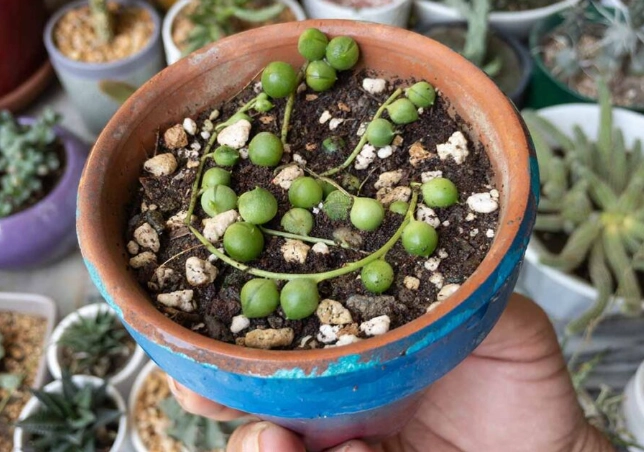
Another advanced trick is to use a rooting hormone with a fungicide component, especially if you're propagating in a humid environment. The rooting hormone stimulates root growth, but the fungicide helps prevent rot at the critical callusing stage. I use this religiously now when propagating any succulent in water, as it seems to provide an extra layer of protection.
Finally, don't be afraid to propagate from less-than-perfect material. I've successfully rooted stems that have been damaged, stems that have lost most of their pearls, and even single, bare nodes with just a tiny bit of stem attached. The plant's will to live is often stronger than we give it credit for.
Comments