Let's be honest. You bought the Senecio rowleyanus, the String of Pearls, because it looked incredible on Instagram. Those perfect, cascading vines dotted with plump, green beads spilling over a macrame hanger. Then you got it home. A week later, the pearls near the soil look a bit soft. A month in, you notice a gap in the trail. Panic sets in. Is it dying? What did you do wrong?
You're not alone. This succulent has a reputation for being finicky, but that's mostly because its needs are wildly different from your average pothos or snake plant. I've killed my fair share over the years before figuring out its silent language. This isn't just another care sheet repeating "bright light and don't overwater." This is the guide I wish I had when I started—a deep dive into the *why* behind every step, so you can stop guessing and start growing a truly magnificent specimen.
What's Inside: Your Pearl Vine Roadmap
Getting the Light Just Right (It's Not What You Think)
Everyone says "bright, indirect light." That's a good start, but it's vague. Here's the specific, non-consensus view: your String of Pearls doesn't just want light; it needs light that mimics the dappled, intense sun of its native South African rocky outcrops. It's a sunbather that can't handle the midday fry.
The Goldilocks Zone: An east-facing window is often perfect. It gets several hours of gentle morning sun, which is intense enough to promote tight growth and prevent stretching, but not so harsh it scorches the pearls. A south or west window works too, but you must filter the light. Place it a few feet back from the window or use a sheer curtain. A north window? Usually a recipe for etiolation—those long, weak stems with pearls spaced far apart.
What about grow lights? Absolutely. If your home is cave-like, a simple LED grow light positioned 6-12 inches above the plant for 12-14 hours a day will keep it happy. Look for lights in the 6500K color temperature range.
The Watering Secrets No One Talks About
This is where 90% of String of Pearls deaths occur. The "soak and dry" method is correct, but the devil is in the details. The biggest mistake isn't just frequency; it's technique and seasonal awareness.
How to Know When It's *Actually* Thirsty
Forget the calendar. Here are the real signs:
- The Pearl Test: Gently squeeze a pearl near the soil (not at the tip of a vine). A well-watered pearl is firm and taut. A thirsty one will have a slight give, like a slightly under-inflated balloon. If it's mushy, you've gone too far.
- The Window Test: Each pearl has a tiny translucent "window" or stripe. When the plant is full of water, this window is narrow and hard to see. As it thirsts, the pearl shrinks slightly, making the window more prominent and wrinkled.
- The Weight Test: Lift the pot. A dry pot is surprisingly light. Get used to its weight after a good watering.
The Right Way to Water
When it's time, don't just sprinkle the surface. That encourages shallow roots. Take it to the sink or use a watering can with a long spout. Water thoroughly until a significant amount runs out of the drainage hole. This ensures the entire root ball gets moisture. Let it drain completely before putting it back in its cachepot or saucer. Never let it sit in water.
| Season | Watering Frequency (Approx.) | Key Consideration |
|---|---|---|
| Spring & Summer (Growth Season) | Every 2-3 weeks | Water only when pearls show signs of thirst. Growth is active. |
| Fall | Every 3-4 weeks | Growth slows. Stretch the time between waterings. |
| Winter (Dormancy) | Once a month or less | It's barely drinking. Err on the side of dryness. Shriveling is better than rot. |
Your Soil Recipe for Success
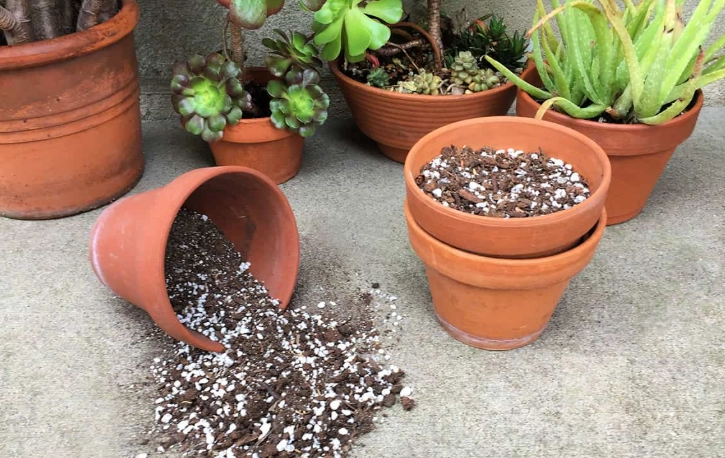
Bagged "cactus and succulent" mix is a starting point, but it's often not gritty enough for the ultra-sensitive roots of a String of Pearls. They need fast drainage to an extreme degree.
My go-to mix, which has never failed me:
- 50% Bagged Succulent & Cactus Soil (like from Espoma or Miracle-Gro)
- 30% Perlite or Pumice (for aeration and drainage)
- 20% Coarse Sand (horticultural sand, not beach sand)
Mix it all up in a bucket. When you water, it should drain through in seconds, not minutes. This mix replicates the rocky, non-retentive ground they evolved in.
Propagation: From One Pearl to a Waterfall
Want more plants for free? Or need to fix a leggy one? Propagation is easy, but there's a trick most guides miss.
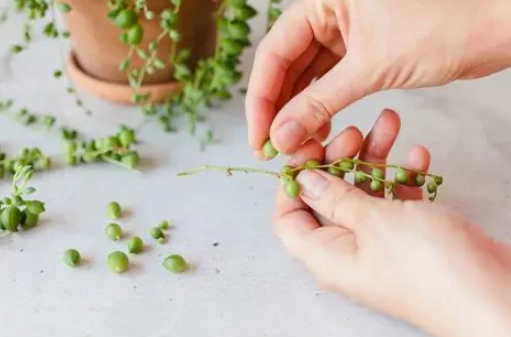
The Coil Method (The Best Way): Don't just stick a cutting in soil. Take a healthy vine and gently coil it on top of the soil in a new pot, using bent paperclips or floral pins to keep the stems in contact with the soil. Water lightly. Roots will sprout from multiple nodes along the stem, creating a fuller plant faster than a single cutting. Keep the soil slightly more moist than for an established plant until you see new growth.
Water Propagation: It's fun to watch. Place cuttings in water, ensuring no leaves are submerged. Roots appear in weeks. But here's the expert shift: when you transplant those water roots to soil, they are fragile. You must keep the soil consistently (but lightly) moist for a week or two to help them adapt to their new medium, before switching to the normal dry cycle. Most people forget this transition and the cutting dies of shock.
Troubleshooting: Reading the Signs
Your plant is talking. You just need to learn its language.
- Pearls Shriveling: Usually underwatering. Give it a thorough soak. If they don't plump up in 2-3 days, check the roots—they might be dead from previous overwatering and can't take up water.
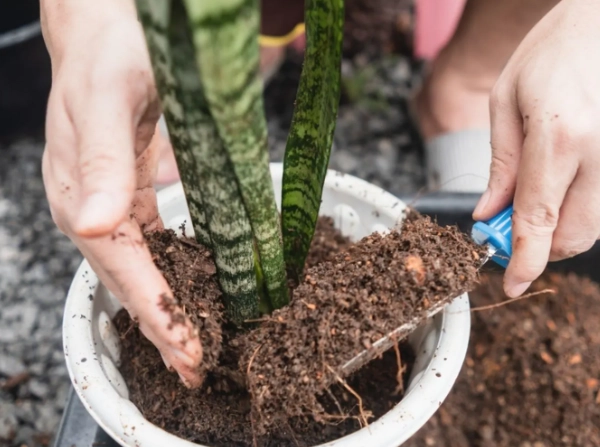
- Yellow, Mushy Pearls: Classic overwatering/root rot. Stop watering. Unpot, remove all black/mushy roots and stems, let it dry out for a day, then repot in fresh, dry mix. Don't water for at least a week.
- Gaps in the Vine (Pearls Falling Off): Could be physical damage, but often a sign of inconsistent watering or a sudden change in environment (draft, temperature swing).
- Stems Stretching, Pearls Far Apart: Not enough light. Move it to a brighter spot.

Comments