What You'll Learn
Let's be honest. You probably got that lucky bamboo as a gift, or picked it up because it looked cool and supposedly brings good fortune. Now it's sitting on your desk or shelf, and you're starting to wonder... how do I actually keep this thing alive? I've been there. I've killed my fair share of them before figuring it out. The good news is, learning how to care for a lucky bamboo plant is way easier than most houseplants. It's not even real bamboo, which is a huge part of why it's so forgiving. It's a Dracaena sanderiana, a tough little plant that thrives on neglect more than fuss.
But there are a few non-negotiable rules. Get those wrong, and you'll be looking at yellow stalks and sad, droopy leaves. Get them right, and this plant will be your low-maintenance companion for years. This guide isn't about vague tips. We're diving into the why and how, busting myths, and giving you a straightforward plan.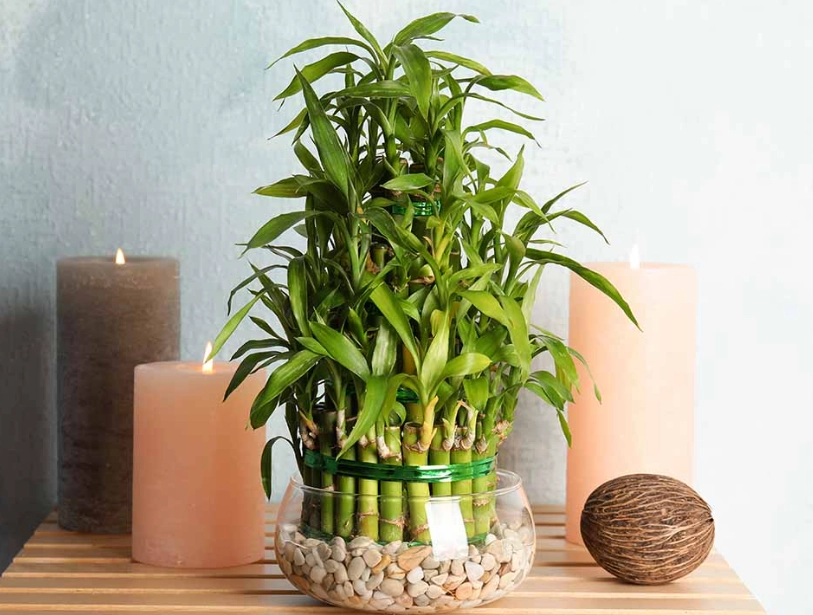
The Absolute Basics: What Your Lucky Bamboo Can't Live Without
Think of this as the foundation. Screw this up, and all the advanced tips in the world won't help. We're talking water, light, and container.
The Great Water Debate: What Should You Really Use?
This is the number one question and the number one killer. Your tap water is likely the enemy. Why? Lucky bamboo is super sensitive to chlorine, chloramine, and fluoride. These chemicals, added to municipal water, burn the leaf tips and slowly poison the plant.
My Big Mistake: I used tap water for months on my first plant, wondering why the leaf tips were perpetually brown and crispy. I thought it was a humidity issue. It wasn't. Switching the water was like flipping a switch.
So, what are your options? Here's a quick breakdown of the pros and cons of each water type for your lucky bamboo care routine.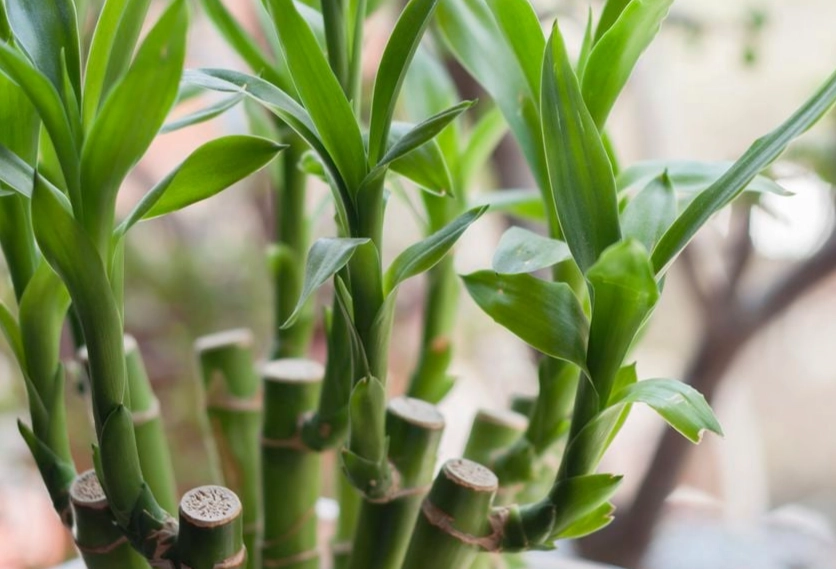
| Water Type | Best For | How to Prepare | Biggest Downside |
|---|---|---|---|
| Filtered or Purified Water | The gold standard. Removes most chemicals. | Use straight from the filter pitcher or system. | Cost of filters over time. |
| Distilled Water | Excellent, pure option. What many pros use. | Buy from the store or use a home distiller. | Can be inconvenient to buy regularly. |
| Rainwater | Fantastic and free, if you can collect it cleanly. | Collect in a clean container during a rain shower. | Not always available; can collect pollutants. |
| Tap Water (Left Out) | A last resort, better than straight tap. | Let sit in an open container for 24-48 hours. This allows chlorine to evaporate. | Does NOT remove fluoride or chloramine. |
If you're serious about how to care for a lucky bamboo plant long-term, invest in a simple filter pitcher. It's a game-changer. The U.S. Environmental Protection Agency provides information on drinking water standards and contaminants, which can help you understand what might be in your local supply.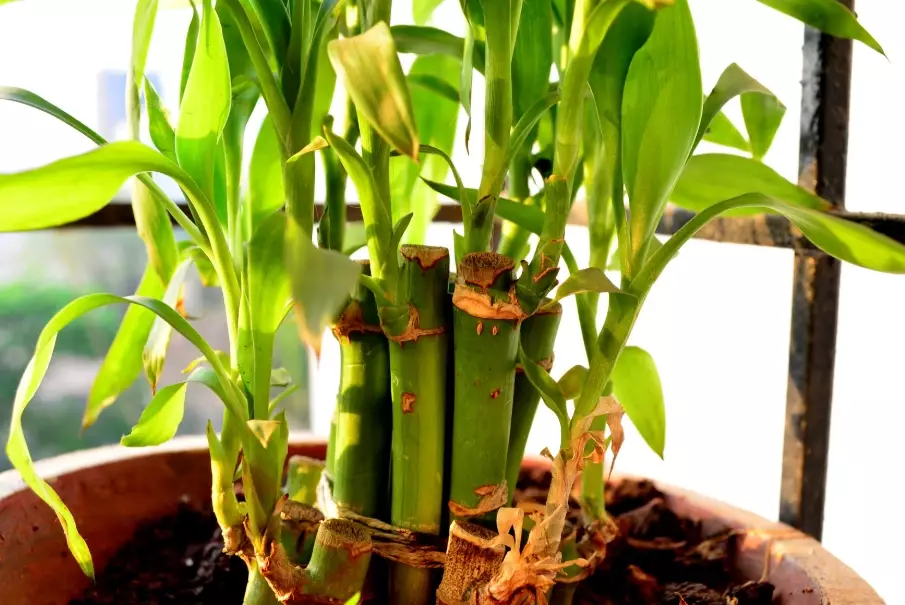
How much water? If it's in a vase or container without soil, keep the roots submerged in about 1-3 inches of water. Never let the roots dry out completely. Refresh the water completely every week to ten days. This prevents stagnation, algae growth, and mosquito larvae (yes, it can happen!).
Light: The Low-Light Myth vs. Reality
Here's another common pitfall. Lucky bamboo is marketed as a "low light" plant. That's only half true. It tolerates low light better than many plants, but it doesn't thrive in it.
Think of it like this: In low light, it will survive, maybe grow very slowly, and stay green. In bright, indirect light, it will actually grow, produce new leaves, and look vibrant. The key is no direct, hot sunlight. A south or west-facing window with a sheer curtain is perfect. An east-facing window is ideal. A north-facing window or the middle of a dark room is just a holding cell.
If your plant's new growth is stretched out and pale (a condition called etiolation), it's begging for more light. I moved one from a dark bathroom corner to a bright kitchen counter, and within a month it pushed out two new robust shoots.
Container and Support: More Than Just Looks
Those decorative vases and pots matter. If your bamboo is in water, choose a heavy, stable container. Tall, narrow vases can tip over. Use clean pebbles, marbles, or glass beads to anchor the stalks. This provides stability and a surface for beneficial microbes (the good guys) to live on. Rinse the support medium when you change the water.
If it's planted in soil (less common but possible), ensure the pot has drainage holes. Waterlogged soil is a death sentence. Use a well-draining potting mix, maybe with a bit of extra perlite or orchid bark mixed in.
Leveling Up Your Lucky Bamboo Care Game
Got the basics down? Your plant is green and stable. Now, let's make it flourish. This is where you go from plant owner to plant guru.
To Feed or Not to Feed? (Spoiler: Yes, But Carefully)
Plants in water have no source of nutrients. They're living on air and... water. They need food. But fertilizer is the second easiest way to kill a lucky bamboo (after bad water).
- What to use: A highly diluted liquid fertilizer meant for hydroponics or a general-purpose houseplant fertilizer. Look for a balanced formula (like 10-10-10).
- When to feed: Only during the active growing season (spring and summer). Do not feed in fall and winter.
- How much: This is critical. Use ¼ to ½ of the recommended strength on the bottle. I use literally one or two drops in a full vase of water.
- How often: Once a month at most. Less is more. If you see the leaf tips browning after feeding, you've used too much. Flush with clean water immediately.
Over-fertilization causes fertilizer burn, which looks like sudden, widespread yellowing or browning. When in doubt, skip it. A hungry lucky bamboo is better than a poisoned one.
Pruning and Shaping: Keeping It Pretty
You don't *have to prune, but it keeps the plant looking tidy and can encourage bushier growth. Use clean, sharp scissors or pruners. Wipe them with rubbing alcohol first to prevent spreading disease.
- Trimming Leaves: Simply snip off any yellow or brown leaves at the base where they meet the stalk. For overly long shoots, you can cut the main stem just above a "node" (the little bump on the stalk). This may encourage side shoots to form.
- Controlling Height: If your stalk is getting too tall, you can chop the top off. Cut it cleanly. The remaining stump will often produce one or two new side shoots from just below the cut. You can root the top cutting in water to create a new plant!
I was terrified to cut my first lucky bamboo. It felt wrong. But after a lanky stalk snapped in a move, I was forced to prune it. The plant came back bushier and healthier than ever. Don't be afraid.
Propagation: Making More Free Plants
This is the fun part. Once you know how to care for a lucky bamboo plant well, you can make clones. The easiest way is from healthy stem cuttings.
Take a cutting with at least one or two nodes (the rings on the stalk). Place it in a small vase with your preferred clean water. Change the water weekly. In a few weeks to a couple of months, you should see white roots emerging from the node. That's it. You now have a new plant to keep or gift. It's incredibly satisfying.
Diagnosing Problems: What's Wrong With My Plant?
This is the section you'll bookmark for emergencies. Lucky bamboo communicates through its leaves and stalks. Here’s how to translate.
| Symptom | Likely Cause | How to Fix It |
|---|---|---|
| Yellow Leaves | 1. Too much direct sun. 2. Poor water quality (chemicals). 3. Over-fertilization. 4. Natural aging (if it's the oldest, bottom leaves). |
Move to indirect light. Change to filtered/distilled water. Flush thoroughly if over-fed. Trim yellow leaves. |
| Brown, Crispy Leaf Tips | Almost always chemicals in water (fluoride/chlorine). Low humidity can contribute slightly. | Switch your water source immediately. This is the most common fix. |
| Yellowing, Mushy Stalk | Root or stem rot. Caused by contaminated water, dead leaves decaying in the water, or general poor hygiene. | This is serious. Cut off the mushy part well above the rot with a sterile tool. Hope the remaining healthy stalk re-roots in fresh water. |
| Slow or No Growth | 1. Too little light. 2. Cold temperatures. 3. Lack of nutrients (if in water for a long time). |
Provide brighter indirect light. Keep away from cold drafts. Consider a very dilute feed in the growing season. |
| Algae in the Water | Too much light reaching the roots/water. Infrequent water changes. | Use an opaque container or wrap a vase in decorative paper. Change water weekly. Rinse pebbles and roots. |
See a pattern? Most issues trace back to water quality or light. Mastering lucky bamboo plant care is about mastering these two factors.
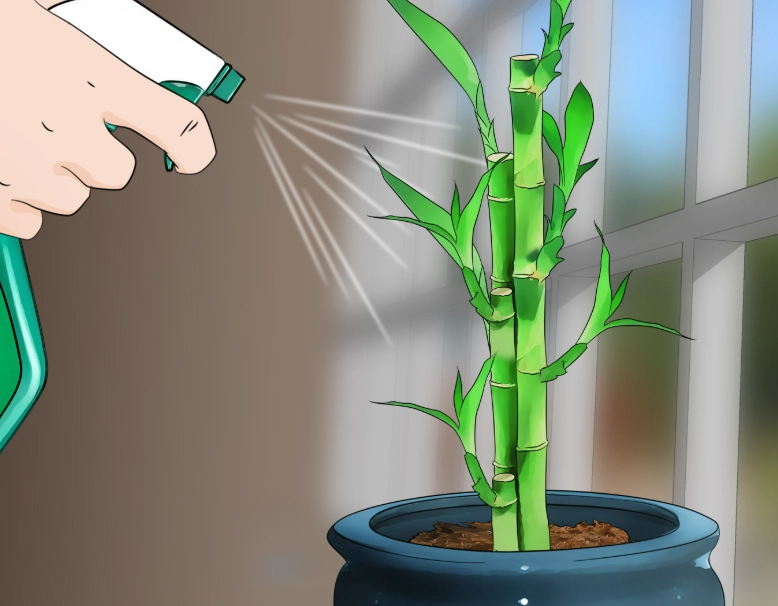 It's not a finicky plant. It's a plant with two very specific, non-negotiable preferences.
Your Lucky Bamboo Care Questions, Answered
Let's tackle some specific things people search for. These are the real-world questions that pop up.
The Long-Term Relationship: Keeping It for Years
So you've mastered the basics, solved problems, and your plant is thriving. What now? Think about longevity. A well-cared-for lucky bamboo can live for a decade or more. I've seen office plants that are older than some interns.
Every year or two, consider giving it a "refresh." This means taking it out of its container, gently rinsing all the pebbles and roots, and scrubbing the container itself with warm water (no soap). Remove any dead or decaying root matter. This is like a spa day for your plant and resets its environment, preventing the slow buildup of issues.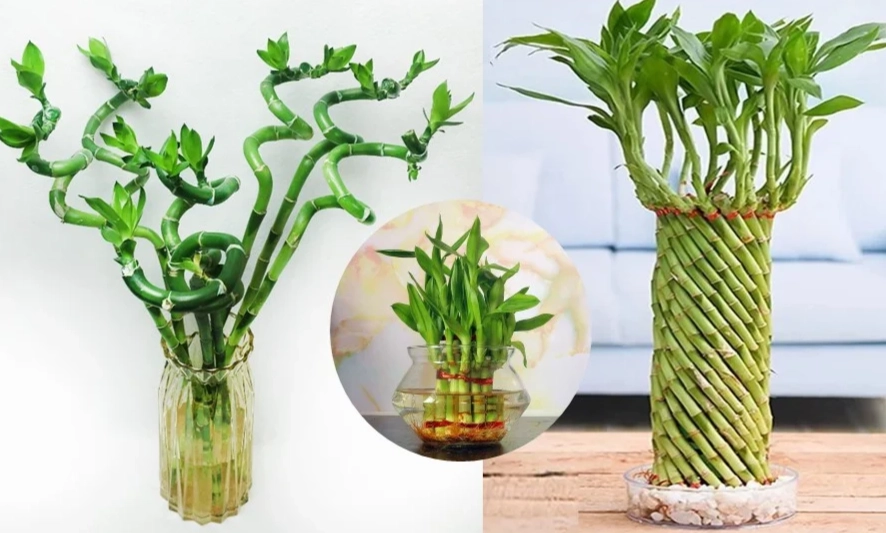
Pro Tip for Arrangements: If you have one of those fancy twisted or braided arrangements, pay special attention to the nooks and crannies where stalks touch. Debris and moisture can get trapped there, leading to rot. Gently blot them dry after watering and keep air circulating.
Remember, learning how to care for a lucky bamboo plant is a process. You'll make mistakes. The plant is resilient. The fact that you're reading this guide means you're on the right track. Start with clean water and the right light, and you're 90% of the way there. The rest is just fine-tuning and enjoying the slow, steady growth of a plant that's as tough as it is elegant.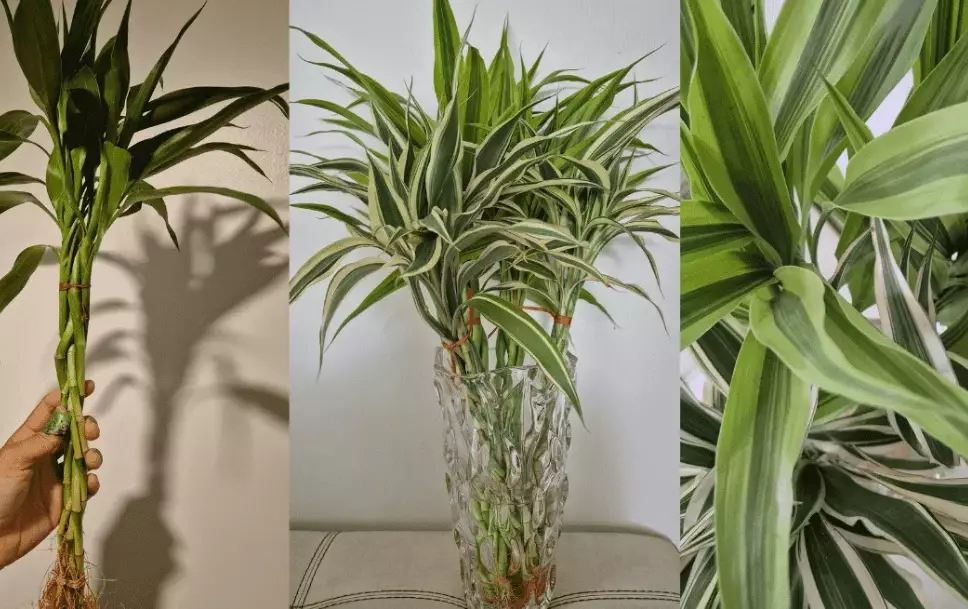
And who knows? Maybe the good fortune it's supposed to bring is simply the satisfaction of keeping something alive and green in your space. That's luck enough for me.

Comments