You've probably heard jade plants (Crassula ovata) are some of the easiest succulents to keep alive. They're sold as beginner plants, right? So why does yours look sad, drop leaves constantly, or just sit there refusing to grow? I killed my first one too. The truth is, jade plant care is simple, but it's the subtle mistakes—often repeated as advice—that trip people up. This isn't just another list of basics. We're going deep into the why behind the rules, so you can grow a thick, woody, lush jade that feels more like a miniature tree than a fragile houseplant.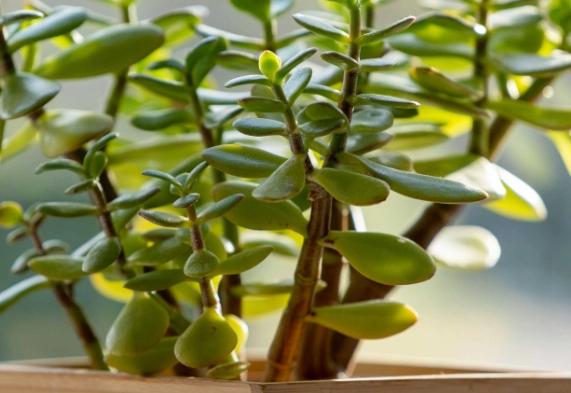
What You'll Learn in This Guide
Let's start with the plant itself. The jade plant is a succulent native to South Africa. Its fleshy leaves store water, which is your first clue about its needs. It's often called a money plant or lucky plant. They can live for decades, becoming family heirlooms. My oldest is over 15 years, and it's seen more apartments than I care to remember.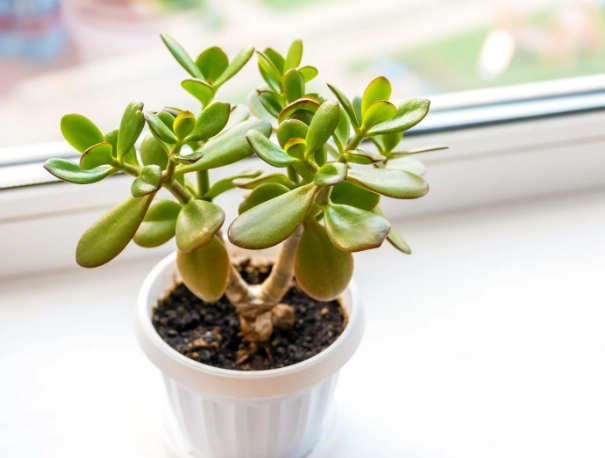
How to Water a Jade Plant Correctly (The Biggest Pitfall)
Everyone says "don't overwater." That's useless advice. What does it even mean? The real issue isn't just the volume of water; it's the frequency and the soil's ability to dry out completely. Jade plants crave a cycle of drought followed by a thorough drink.
Here's the method that changed everything for me: the "soak and dry" method. Don't just give it a splash on the surface.
Wait until the soil is completely dry all the way through the pot. For a standard 6-inch pot in average home conditions, this is usually every 2-3 weeks in summer and every 4-6 weeks in winter. But never water on a schedule. Check it.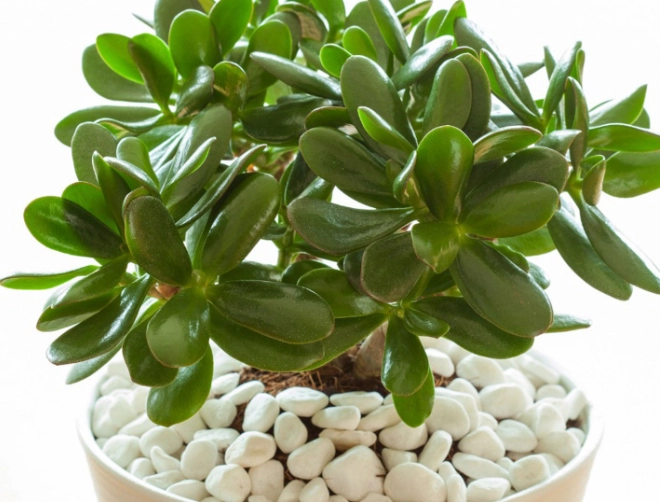
The Finger Test vs. The Chopstick Method
Stick your finger in the soil up to the second knuckle. If it's dry, it's time. Even better, use a wooden chopstick or skewer. Push it into the soil near the edge of the pot, leave it for a minute, then pull it out. If it comes out clean and dry, with no damp soil sticking, water away.
When you water, take the plant to the sink. Water slowly and evenly until you see a steady stream run out of the drainage holes. Let it drain completely before putting it back in its decorative cover or saucer. Never let it sit in water.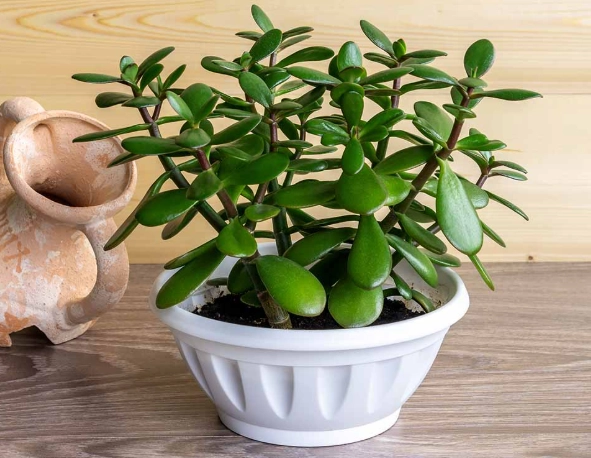
The Ideal Light & Soil Setup for Growth
Light is food. A jade in low light will become "leggy"—stretching out with large gaps between leaves, looking weak and pale. It might survive, but it won't thrive.
Bright, indirect light is the sweet spot. A south or west-facing window is perfect, but if the sun is intensely hot (like through a sheer-less window in summer), diffuse it with a curtain to prevent sunburn. Sunburn shows as brown, crispy patches on the leaves. East-facing windows also work well. If you only have north light, you'll likely need a grow light supplement.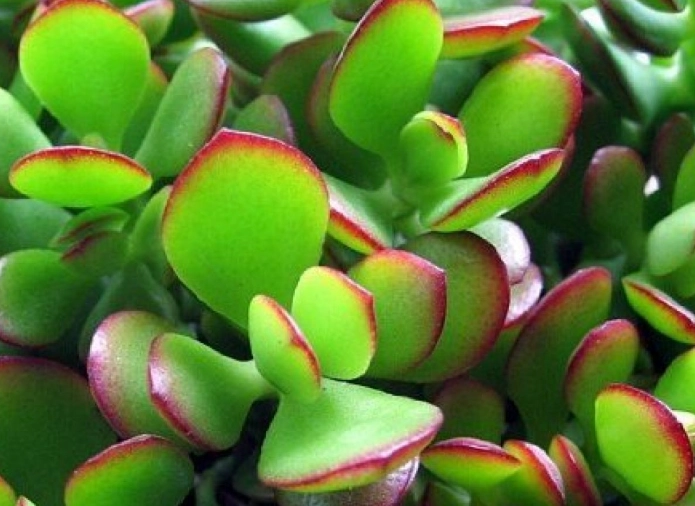
Now, soil. This is where most store-bought plants fail. The soil they come in is often too dense and moisture-retentive.
You need a gritty, fast-draining mix. A generic "cactus and succulent" mix from the store is a start, but it's often not gritty enough. I amend it heavily.
Here's my go-to DIY mix ratio that prevents 90% of root issues:
| Ingredient | Part | Purpose |
|---|---|---|
| Bagged Cactus & Succulent Potting Mix | 2 parts | Provides basic structure and some nutrients. |
| Perlite or Pumice | 1 part | Creates essential air pockets and improves drainage dramatically. |
| Coarse Sand (Horticultural, not beach sand) | 1 part | Adds weight and further improves drainage, mimicking native conditions. |
Pot choice matters too. Always use a pot with a drainage hole. Terracotta pots are excellent for jade plants because they are porous, allowing the soil to dry out from the sides as well as the top and bottom.
Pruning and Propagating for a Bushier Plant
Want that classic, tree-like shape instead of a few long, awkward stems? You need to prune. It feels scary to cut your plant, but jades respond beautifully.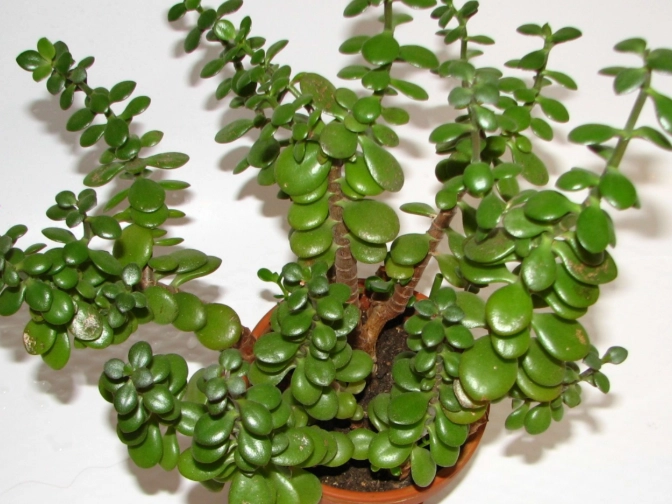
Use clean, sharp scissors or pruning shears. Look for a spot just above a pair of leaves (this is called a "node"). Make a clean cut. In a few weeks, you should see two new branches sprout from just below that cut, creating a fuller shape.
Don't throw those cuttings away! Jade plants are famously easy to propagate.
Let the cutting callous over for a few days (just leave it on a paper towel out of direct sun). This seals the wound and prevents rot. Then, you have two options:
- Stick it in soil: Plant the calloused end in your gritty succulent mix. Don't water for about a week, then water lightly. Roots will form.
- Root it in water: Place the stem in a small glass of water, ensuring only the stem is submerged, not the leaves. Change the water every few days. You'll see roots in 2-4 weeks. Once they're an inch or two long, pot it up.
I prefer the soil method—it seems to produce hardier roots adapted to soil life from the start.
Solving Common Jade Plant Problems
Here's a quick diagnostic guide for when things go wrong.
Soft, Squishy, Yellowing Leaves Falling Off: Classic sign of too much moisture. Check your soil drainage and watering frequency. Is the pot sitting in water? Let it dry out completely, and consider repotting into grittier mix if the soil stays wet for more than 10 days.
Wrinkled, Thin, Dropping Leaves: Your plant is thirsty. The leaves are using up their internal water stores. Give it a good, deep soak.
Leggy, Stretched Growth with Pale Leaves: Not enough light. Move it to a brighter spot gradually to avoid sunburn.
Brown, Scabby Spots on Leaves: Usually sunburn. Move it to a spot with bright but indirect light.
Mealybugs: Those little white, cottony pests love jades. Isolate the plant. Dab them with a cotton swab dipped in rubbing alcohol. For larger infestations, spray with insecticidal soap or neem oil solution, making sure to get into the crevices. Consistent treatment is key. Resources like the University of California’s Integrated Pest Management program have great, detailed guides on managing these pests organically.
Your Top Jade Plant Questions Answered
The key to jade plant care is understanding its language. Wrinkled leaves? It's talking. Soft stems? It's shouting. Once you learn to listen and provide that cycle of drought and drench in gritty soil under bright light, you'll have a companion for life. It's less about following a rigid calendar and more about observing and responding. Now go check that soil with a chopstick.

Comments