Jump to What You Need
I killed my first burro's tail within months. It was a gift, and I treated it like any other houseplant—watered it weekly, stuck it in a dim corner, and wondered why the leaves turned mushy and fell off. Sound familiar? After a decade of growing succulents, I've learned that Sedum morganianum, commonly called burro's tail, has quirks most guides gloss over. This isn't just another care sheet; it's a survival manual based on hard lessons and expert insights from sources like the Royal Horticultural Society. Let's dive in.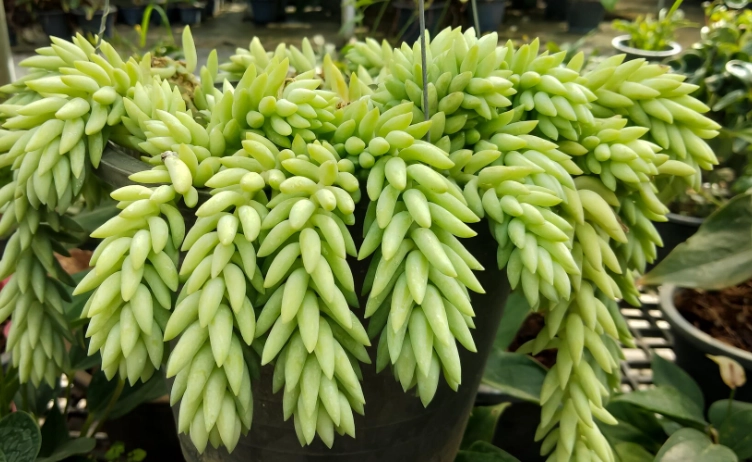
What Exactly is a Burro's Tail?
Burro's tail is a trailing succulent native to Mexico, known for its long, rope-like stems covered in plump, blue-green leaves. It's a favorite for hanging baskets because those stems can stretch over three feet. But here's the kicker: many people confuse it with other succulents like string of pearls. The leaves are more delicate than they look—they detach easily, which is a blessing for propagation but a curse if you're clumsy. I once bumped mine while cleaning, and a shower of leaves littered the floor. Heartbreaking.
Why does this matter? If you're searching for burro's tail care, you might be dealing with a plant that's already stressed. Most online advice repeats the same basics: bright light, infrequent water. But the devil's in the details. For instance, the University of California's Integrated Pest Management Program notes that succulents like Sedum morganianum are prone to root rot in humid conditions, something rarely mentioned in beginner guides.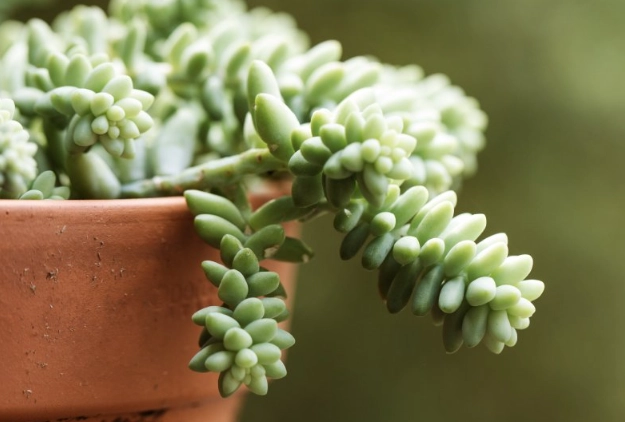
The Non-Negotiable Care Basics
Getting burro's tail right boils down to three things: light, water, and soil. Mess up one, and the plant suffers. I'll walk you through each, with a table to summarize, but then I'll add the nuances most miss.
Light Requirements: More Than Just "Bright"
Burro's tail needs bright, indirect light. Direct afternoon sun can scorch the leaves, leaving brown patches. But here's my controversial take: east-facing windows are better than south-facing ones. Why? Morning light is gentler. I moved mine to an east window after noticing leaf burn, and growth improved within weeks. If you're using grow lights, aim for 12-14 hours daily—but avoid placing them too close, as heat can cause leaf drop.
Watering Schedule: The Silent Killer
Overwatering is the top killer. The rule of thumb is to water only when the soil is completely dry, about every 2-3 weeks in summer and monthly in winter. But touch the leaves. If they feel firm, wait. If slightly wrinkled, water deeply until it drains out. I use a moisture meter now because guessing led to my early failures. A common mistake is watering on a schedule regardless of humidity—in damp climates, stretch that interval.
Soil and Potting: Don't Skimp Here
Use a well-draining cactus mix. I add extra perlite or pumice (about 30% by volume) to improve drainage. Terracotta pots are ideal because they breathe, reducing rot risk. Repot every 2-3 years in spring, but be gentle—those stems break easily. When I repot, I wear gloves and support the stems with a towel to minimize damage.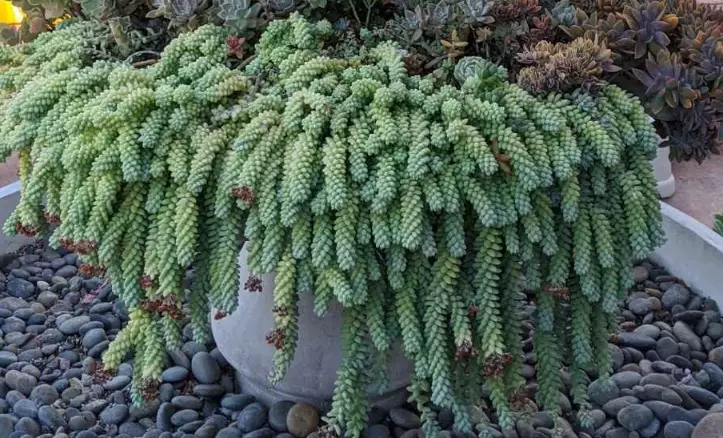
| Care Aspect | Ideal Condition | Common Mistake |
|---|---|---|
| Light | Bright, indirect light (east window) | Direct hot sun causing leaf burn |
| Watering | When soil is dry, every 2-3 weeks in summer | Watering too frequently, especially in winter |
| Soil | Cactus mix with added perlite | Using dense, moisture-retentive soil |
| Temperature | 65-75°F (18-24°C), avoid drafts | Placing near heaters or AC vents |
Now, beyond the basics, fertilization matters. Feed with a diluted succulent fertilizer once in spring and once in summer. Skip it in fall and winter. I've seen plants grow leggy from overfeeding—less is more.
Fixing Common Burro's Tail Problems
If your plant is struggling, it's usually one of these issues. Let's diagnose them.
Leaf Drop: It's Not Always Overwatering
Leaves falling off? Everyone blames overwatering, but physical disturbance is a huge culprit. Burro's tail leaves detach at the slightest touch. I learned this when my cat brushed against it. Solution: place it where it won't be bumped. Also, sudden temperature changes can cause drop—keep it away from doors or windows that get cold drafts.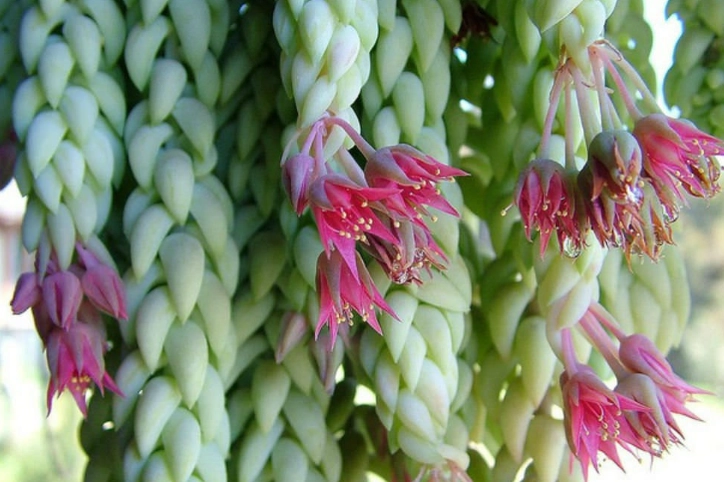
Yellowing or Mushy Leaves
This often signals root rot from overwatering. Check the roots: if they're brown and soft, trim the rotten parts, let the plant dry for a day, and repot in fresh soil. I saved one by doing this and reducing water to once a month. But yellowing can also mean too much direct sun—observe the pattern.
Stunted Growth or Leggy Stems
If stems are stretching out with sparse leaves, it needs more light. Move it gradually to a brighter spot. I added a grow light to mine during cloudy winters, and it perked up. Also, ensure the pot isn't too small; crowded roots can limit growth.
Pro Tip: Many gardeners recommend misting succulents, but for burro's tail, avoid it. Water on leaves can lead to rot or fungal issues. Instead, increase ambient humidity with a pebble tray if your home is dry.
How to Propagate Like a Pro
Propagating burro's tail is easy, but most guides skip the timing. Spring or early summer is best. Here are two methods I've used successfully.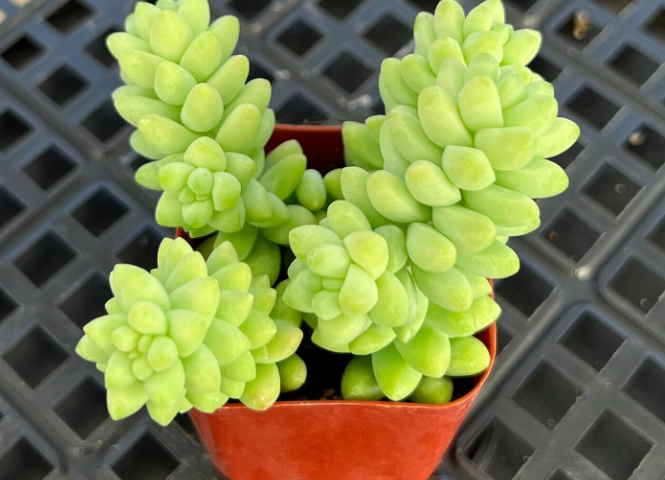
Leaf Propagation
Gently twist a healthy leaf from the stem. Let it callous over for 2-3 days—this prevents rot. Then, place it on top of well-draining soil. Don't bury it. Mist the soil lightly every few days. Roots should appear in 2-4 weeks. I've had a 90% success rate with this, but patience is key.
Stem Cuttings
For faster results, take a stem cutting about 4 inches long. Remove the lower leaves, let it callous, then plant it in soil. Water sparingly until roots establish. This method gives you a fuller plant quicker. I propagated a cutting last year, and it's now trailing beautifully in a new pot.
Common mistake: using too much water during propagation. Keep the soil barely moist, not wet. And provide bright, indirect light—direct sun can scorch the delicate new growth.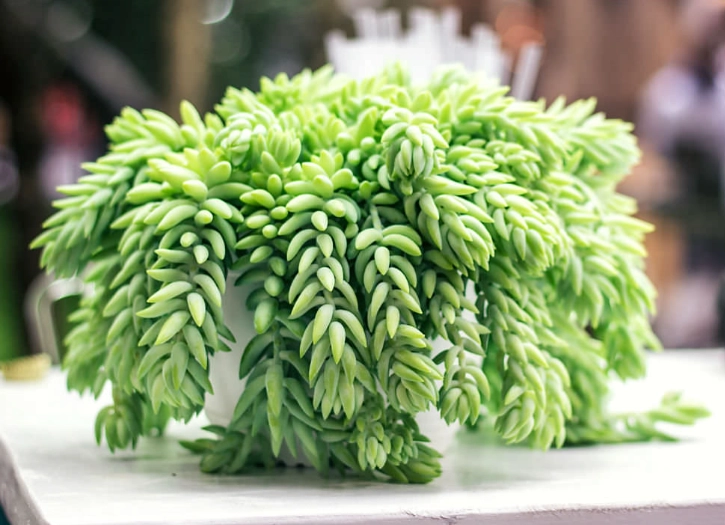
Your Burning Questions Answered
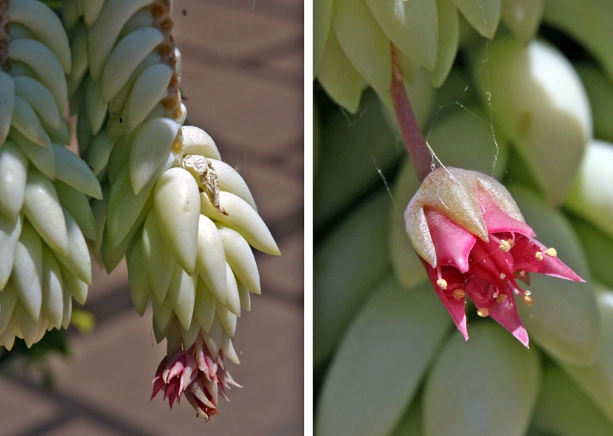
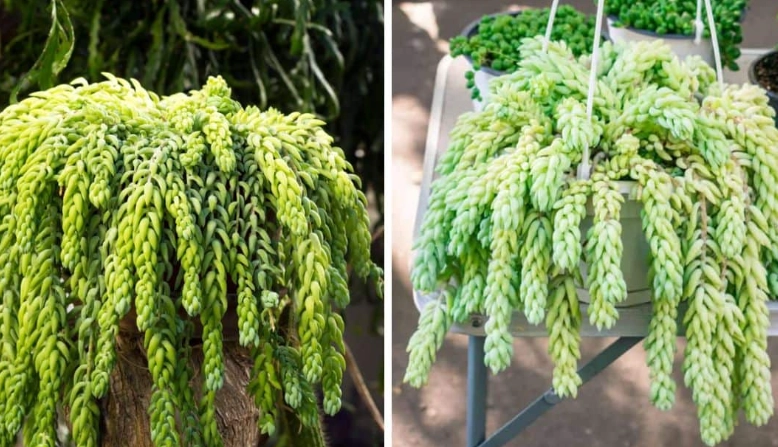
Growing burro's tail isn't rocket science, but it demands attention to detail. Start with the basics, observe your plant, and adjust based on your environment. Mine now thrives in a east-facing window with monthly watering, and it's even bloomed with tiny pink flowers—a rare treat. Share your experiences in the comments; let's learn from each other's mistakes and successes.
Comments