My Kalanchoe Care Journey
- The Foundational Pillars of Kalanchoe Care
- Advanced Techniques for Thriving (Not Just Surviving)
- Propagation: Making More Plant Babies
- Common Problems and Their (Simple) Solutions
- Kalanchoe Varieties: Beyond the Grocery Store Bloom
- Your Kalanchoe Questions, Answered
- Putting It All Together: A Seasonal Checklist
Let's talk about growing kalanchoe. Honestly, it's one of those plants that gets a bad rap for being "just a gift plant" that dies after the blooms fade. I used to think that too, until I kept one alive—and thriving—for over five years. It's now a sprawling, blooming monster that's the pride of my windowsill. The secret? It's not about having a green thumb; it's about understanding a few simple, non-negotiable rules these succulent beauties live by.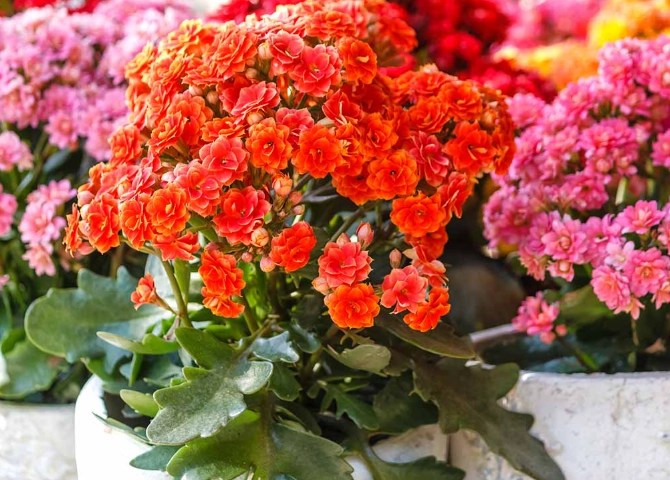
This guide is everything I wish I'd known when I started. We're going beyond the basic care tag and diving into the real stuff—why your plant gets leggy, how to actually get it to rebloom (it's not magic, I promise), and how to keep it happy for years, not months.
The Core Philosophy: Think of your kalanchoe as a sun-loving, drought-tolerant friend who hates wet feet and needs a good long night's sleep to party (bloom). Get those things right, and you're 90% of the way there.
The Foundational Pillars of Kalanchoe Care
Getting the basics right sets the stage for everything else. Mess this up, and you'll be fighting an uphill battle with leggy growth, root rot, or a stubborn plant that refuses to flower.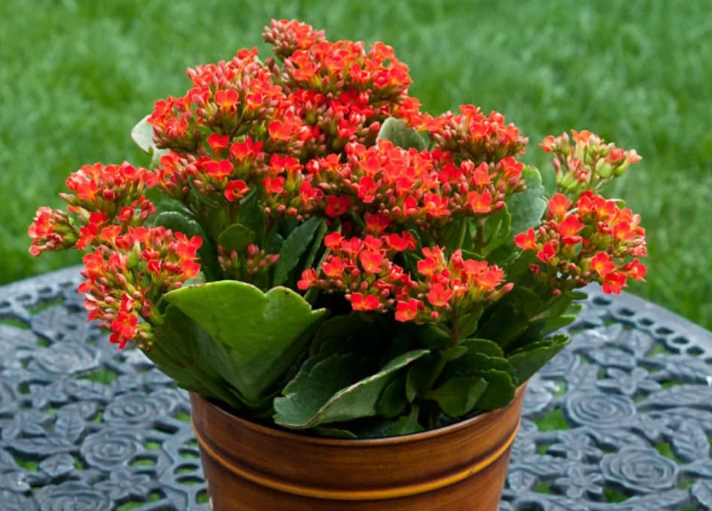
Light: The Non-Negotiable Sunbath
This is the biggest make-or-break factor. Kalanchoe is a succulent that hails from sunny, arid regions. It craves bright, direct light.
The Ideal Setup: A south-facing or west-facing window is perfect. East can work, but north-facing windows are usually a recipe for disappointment—you'll get weak, stretched-out growth. If you only have lower light, you'll need to supplement with a grow light. I tried growing one in a north-facing room once, and let's just say it looked more like a sad vine than a compact succulent within a few months.
How much light?
At least 4-6 hours of direct sunlight daily. More is better, especially if you want those vibrant blooms. The leaves will tell you if they're happy. Good light leads to compact growth with leaves that might develop a slight reddish or bronze tinge on the edges (a sign of good sun exposure, not a problem!).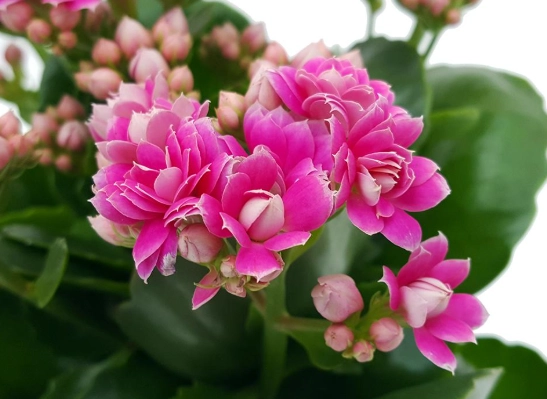
Watering: The Art of Neglect (Seriously)
Overwatering is the fastest way to kill a kalanchoe. Their thick, fleshy leaves store water, making them incredibly drought-tolerant.
Classic Mistake: Watering on a schedule (e.g., every Saturday). This ignores what the plant and soil actually need, which changes with seasons, light, and humidity.
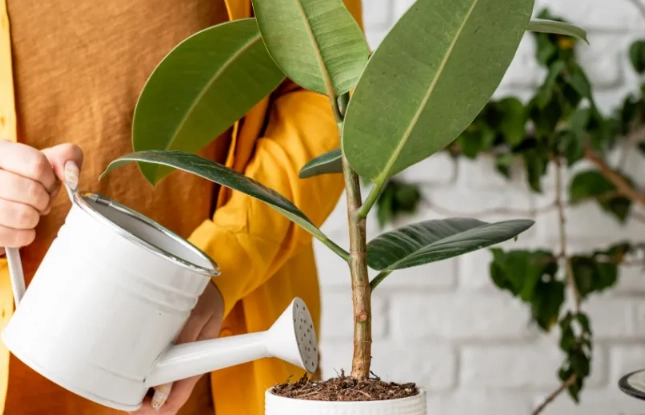
The Foolproof Method: The "soak and dry" method. Stick your finger into the soil—up to your first knuckle. If it feels completely dry, it's time to water. If there's any moisture at all, wait. When you do water, do it thoroughly until water runs freely out of the drainage holes. Then, let all the excess water drain away completely. Never let the pot sit in a saucer of water.
In winter, when growth slows, you might only need to water every 3-4 weeks, or even longer. The plant will tell you it's thirsty if the leaves start to look slightly wrinkled or feel less firm—but it's better to wait for this sign than to guess.
Soil and Pot: Building the Right Home
This is all about drainage, drainage, drainage. Standard potting soil holds too much moisture.
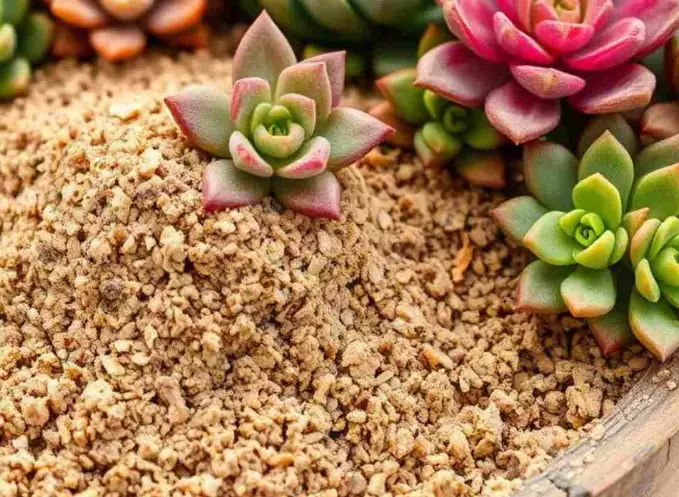
The Perfect Mix: Use a cactus or succulent potting mix. You can make your own by mixing 2 parts regular potting soil with 1 part perlite and 1 part coarse sand or poultry grit. This creates a gritty, fast-draining environment that prevents root rot.
Pot Choice: Always, always use a pot with drainage holes. Terracotta pots are excellent for growing kalanchoe because they are porous and help wick away excess moisture from the soil. The size matters too—a pot that's only 1-2 inches wider than the root ball is ideal. Too big, and the soil stays wet for too long.
Advanced Techniques for Thriving (Not Just Surviving)
Once you've mastered light and water, you can focus on the fun parts—shaping your plant and, the holy grail, getting it to bloom again.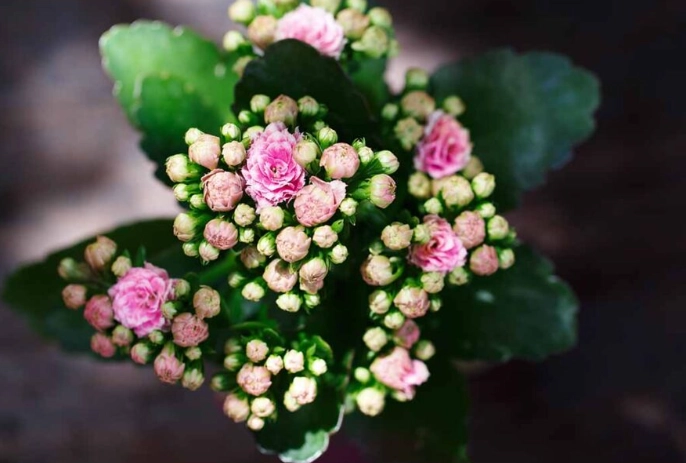
Pruning and Shaping: Fighting the Leggy Look
Kalanchoe can get leggy (etiolated) if light is insufficient, but even in good light, they can benefit from a haircut to stay bushy.
Why prune?
It encourages branching, creates a fuller plant, and removes old, spent flower stalks to redirect energy. The best time to prune is right after blooming finishes, or in spring/summer during active growth.
How to Prune Your Kalanchoe:
- Use clean, sharp scissors or pruning shears.
- Identify a stem you want to shorten. Look for a pair of leaves (a node).
- Make your cut just above a pair of leaves. New growth will sprout from the nodes just below this cut.
- You can be quite aggressive if needed—cutting a stem back by half is often fine.
- Bonus: Those stem tips you cut off? Don't throw them away! They are perfect for propagation (more on that below).
The Blooming Secret: It's All About the Night
This is the question everyone asks: "Why won't my kalanchoe flower again?" The answer lies in photoperiodism. Kalanchoe is a "short-day plant," meaning it sets buds when the nights are long (over 14 hours of darkness). In our homes, with artificial lights on in the evening, we give it long days and short nights, so it never gets the signal to bloom.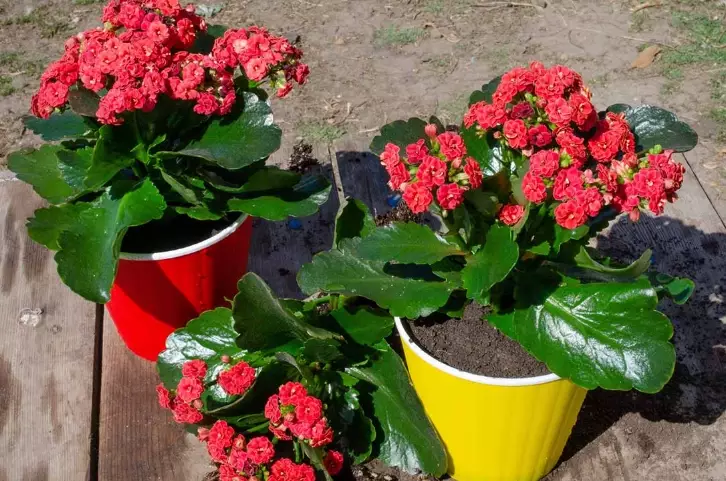
To force your plant to rebloom, you need to simulate winter day lengths.
| Step | Action | Duration & Notes |
|---|---|---|
| 1. Rest Period | Reduce watering significantly after the last blooms fade. Just enough to prevent leaves from shriveling. | 6-8 weeks. The plant needs a semi-dormant period. |
| 2. Light Control | Provide 14-16 hours of uninterrupted, complete darkness every night. | For 6-8 weeks. A closet or a box over the plant works. Even a brief flash of light can disrupt the cycle. |
| 3. Daytime Light | During the day, give it its usual 6-8 hours of bright, direct light. | Keep up the normal routine. |
| 4. Bud Formation | You should see tiny flower buds forming at the tips of the stems. | Once buds are well-formed, you can stop the dark treatment. |
| 5. Resume Care | Go back to normal watering and light. Enjoy the blooms! | Blooms can last for several weeks to months. |
It's a bit of work, but the payoff—a burst of color in late winter or early spring—is absolutely worth it. This process is well-documented by horticultural authorities like the Royal Horticultural Society (RHS), which confirms the need for short-day treatment for reliable flowering.
Propagation: Making More Plant Babies
One of the joys of growing kalanchoe is how easy it is to propagate. You can create new plants from stem cuttings or even from the tiny plantlets some varieties produce on their leaf edges (like the Mother of Thousands, Kalanchoe daigremontiana).
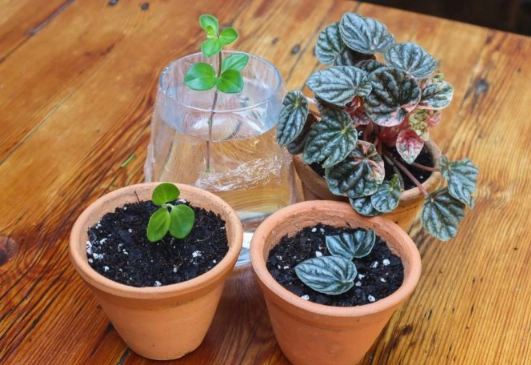
Method 1: Stem Cuttings (The Easiest Way)
- Take a healthy stem cutting, 3-4 inches long.
- Let the cut end callous over for 1-3 days. This is crucial to prevent rot.
- Stick the calloused end into a small pot of moist cactus/succulent mix.
- Place in bright, indirect light and water very sparingly (just to keep the soil barely moist) until you see new growth, which indicates roots have formed.
Method 2: Leaf Cuttings
- Gently twist a healthy, plump leaf from the stem, trying to get the whole base.
- Let it callous for a few days.
- Lay it on top of dry succulent soil or barely nestle the base in.
- Mist the soil surface very lightly every few days. Tiny plantlets will eventually form at the leaf's edge or base.
Pro Tip: Spring and summer are the best times for propagation, as the plant is in active growth. Patience is key—it can take several weeks to see significant progress.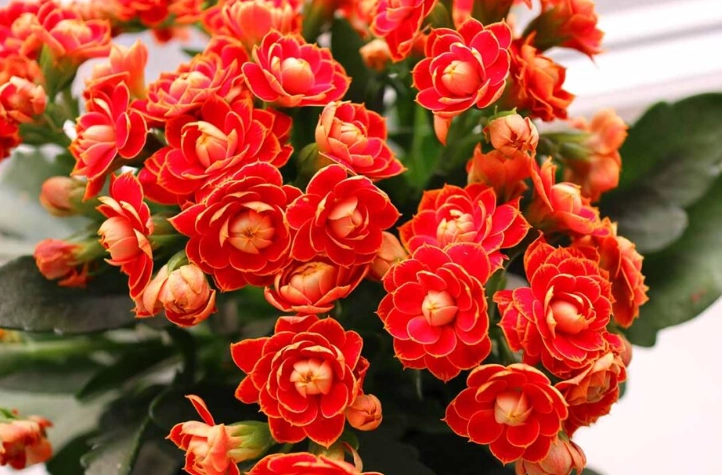
Common Problems and Their (Simple) Solutions
Even with the best care, issues can pop up. Here’s a quick diagnostic guide.
| Symptom | Likely Cause | How to Fix It |
|---|---|---|
| Soft, mushy stems or black spots at base | Root rot from overwatering / poor drainage. | Stop watering immediately. Unpot, remove all black/mushy roots and stem with sterile tool. Repot in fresh, dry succulent mix. Water only after a week, and very lightly. |
| Leggy, stretched stems with large gaps between leaves | Insufficient light (Etiolation). | Gradually move to a much brighter location. Prune back leggy stems to encourage bushier growth from the base. |
| Brown, crispy leaf edges or scorched spots | Too much intense, direct sun (sunburn) or fertilizer burn. | If recently moved to hot sun, acclimate it slowly. Move slightly back from the window or provide dappled shade during hottest part of day. Flush soil if over-fertilized. |
| Leaves are wrinkled, thin, and limp | Underwatering or extreme heat. | Give the plant a thorough soak. If the soil is bone dry and hydrophobic, you may need to bottom-water by placing the pot in a tray of water for 30 mins. |
| No flowers | Not getting long nights/short days. | Follow the "Blooming Secret" light control regimen outlined above. |
| Mealybugs (white, cottony masses) | Common pest on indoor succulents. | Isolate plant. Dab bugs with a cotton swab dipped in rubbing alcohol. For severe cases, use insecticidal soap or neem oil, ensuring to hit leaf crevices. The University of Minnesota Extension has excellent resources on managing these pests. |
Kalanchoe Varieties: Beyond the Grocery Store Bloom
While Kalanchoe blossfeldiana is the classic florist type, the genus is huge and fascinating. Exploring other varieties can add incredible texture to your collection.
- Kalanchoe tomentosa (Panda Plant): Fuzzy, silvery leaves with brown spots on the edges. Adorable and very low-water.
- Kalanchoe luciae (Flapjack/Paddle Plant): Large, flat, round leaves that blush bright red at the edges with enough sun. A stunning architectural plant.
- Kalanchoe beharensis (Felt Bush): Large, triangular, fuzzy leaves. It can get quite large over time, making a bold statement.
- Kalanchoe marnieriana: Has stacked, blue-green rounded leaves that turn pink at the edges. It trails beautifully.
The Missouri Botanical Garden's Plant Finder is a fantastic, authoritative resource for exploring the taxonomy and characteristics of these diverse species.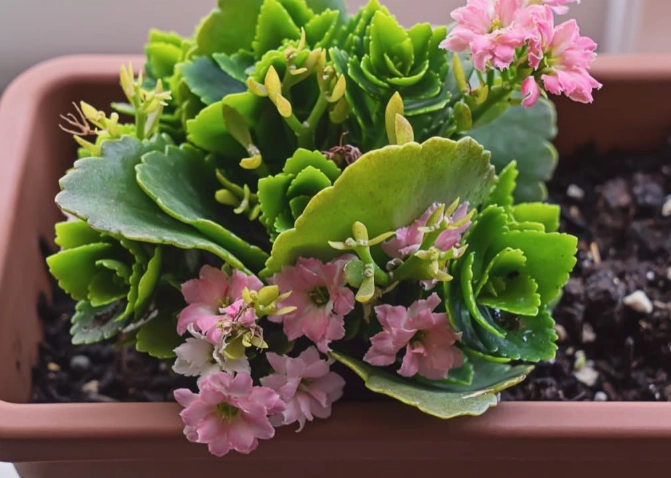
Your Kalanchoe Questions, Answered
Is kalanchoe poisonous to pets?
Yes. According to the ASPCA, kalanchoe contains cardiac glycosides, which are toxic to cats and dogs if ingested. It can cause vomiting, diarrhea, and, in large amounts, heart arrhythmias. Keep it out of reach of curious pets.
Should I fertilize my kalanchoe? If so, when and with what?
You can, but less is more. Fertilize only during the active growing season (spring and summer). Use a balanced, water-soluble fertilizer (like a 10-10-10 or 20-20-20) diluted to half strength every 4-6 weeks. Do not fertilize in fall and winter, when the plant is resting or you are trying to induce blooming. Over-fertilizing leads to weak, soft growth and can prevent flowering.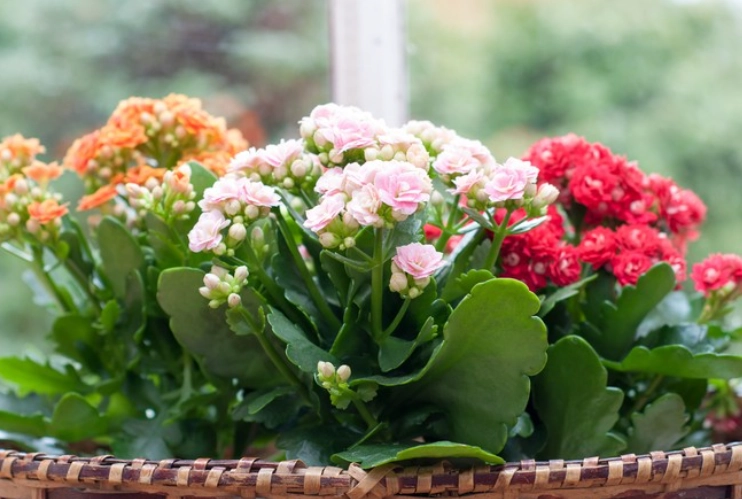
How often should I repot?
Kalanchoe likes to be slightly root-bound and doesn't need frequent repotting. Every 2-3 years is usually sufficient, or when you see roots growing out of the drainage holes. The best time to repot is in spring, just as new growth begins. Always use fresh succulent/cactus mix.
Can I put my kalanchoe outside in summer?
Absolutely, and many will thrive with the increased light and air circulation. The key is to acclimate it slowly. Start by placing it in a shaded, protected spot for a week, then gradually move it to a location with morning sun and afternoon shade. Avoid hot, all-day direct sun in very hot climates, which can scorch it. Bring it back indoors before night temperatures drop below 50°F (10°C).
My kalanchoe's lower leaves are turning yellow and falling off. Is it dying?
Not necessarily. It's normal for the oldest leaves at the very bottom of the stem to occasionally yellow and drop as the plant grows and matures. This is just the plant shedding old foliage. However, if many leaves all over the plant are turning yellow and feeling mushy, that's a classic sign of overwatering. If they're yellow and dry, it could be underwatering or natural senescence. Context is key.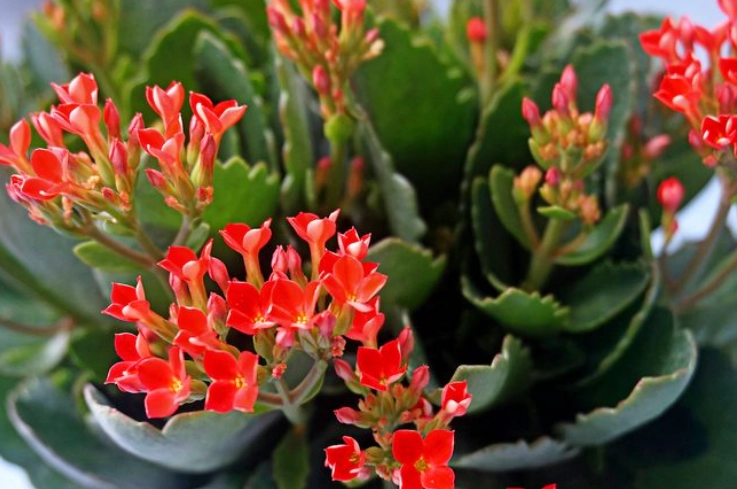
Putting It All Together: A Seasonal Checklist
To make growing kalanchoe even simpler, here’s a quick seasonal rundown of what to focus on.
Spring (Growth & Rebloom Season):
- Increase watering as temperatures rise and daylight increases.
- Begin fertilizing at half-strength every 4-6 weeks.
- This is the best time for repotting and propagation.
- If you did the winter dark treatment, enjoy the blooms!
Summer (Peak Growth):
- Water regularly using the "soak and dry" method. It may dry out faster.
- Continue light fertilization.
- Can move outdoors to a partly shaded spot with acclimation.
- Watch for pests like mealybugs.
Fall (Preparing for Rest & Bloom):
- Reduce watering as growth slows.
- Stop fertilizing completely.
- Bring outdoor plants back inside before it gets cold.
- If you want winter blooms, start the 6-8 week long-night treatment in mid-to-late fall.
Winter (Rest & Potential Bloom):
- Water very sparingly, only when soil is completely dry for a long time.
- Provide the brightest light possible from your window.
- Maintain the strict dark period if inducing blooms.
- Enjoy your flowering kalanchoe as a cheerful winter highlight!
Growing kalanchoe successfully is really about embracing its simple needs. It's a resilient plant that rewards a bit of knowledge with years of easy-care beauty and spectacular, seasonal blooms. Forget the "disposable plant" label. With the right light, disciplined watering, and an understanding of its blooming cycle, you can turn that little potted gift into a long-term, thriving member of your plant family. Give these tips a try—your kalanchoe will thank you for it.
Comments