You brought home that stunning Red Imperial Philodendron with leaves the color of aged wine, and for a while, it was perfect. Then, maybe the new growth came in a disappointing green, or those crisp brown edges started creeping in. Sound familiar? You're not alone. The Red Imperial Philodendron (often sold as Philodendron erubescens 'Imperial Red') is a spectacular, relatively low-maintenance aroid, but it has a few non-negotiable needs to keep its signature color. After years of growing these and helping others troubleshoot, I've found most problems stem from two or three simple, fixable mistakes. Let's get yours back on track.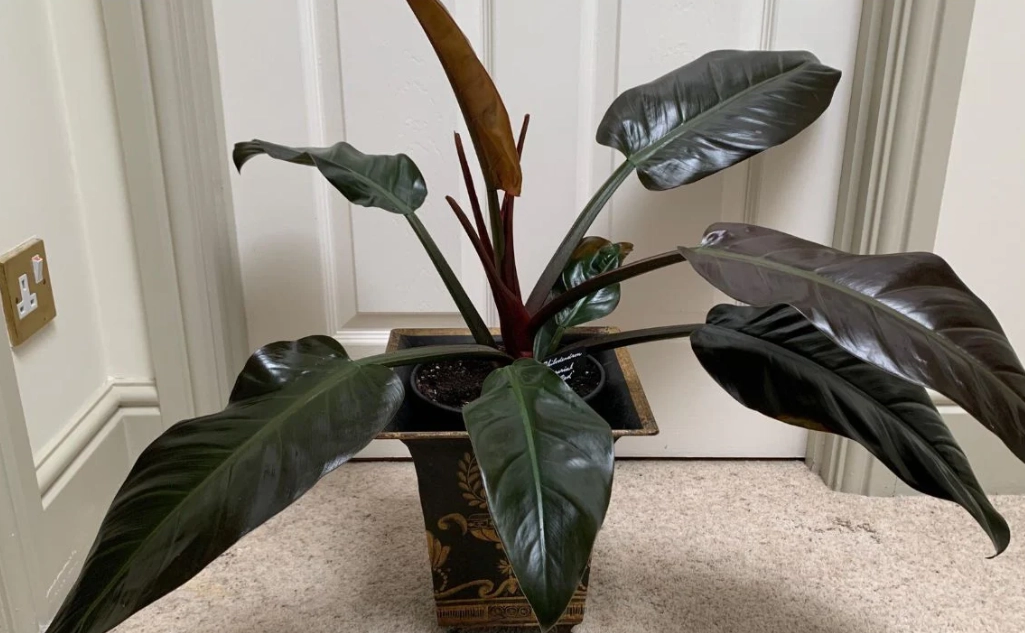
What's Inside This Guide?
What Exactly Is a Red Imperial Philodendron?
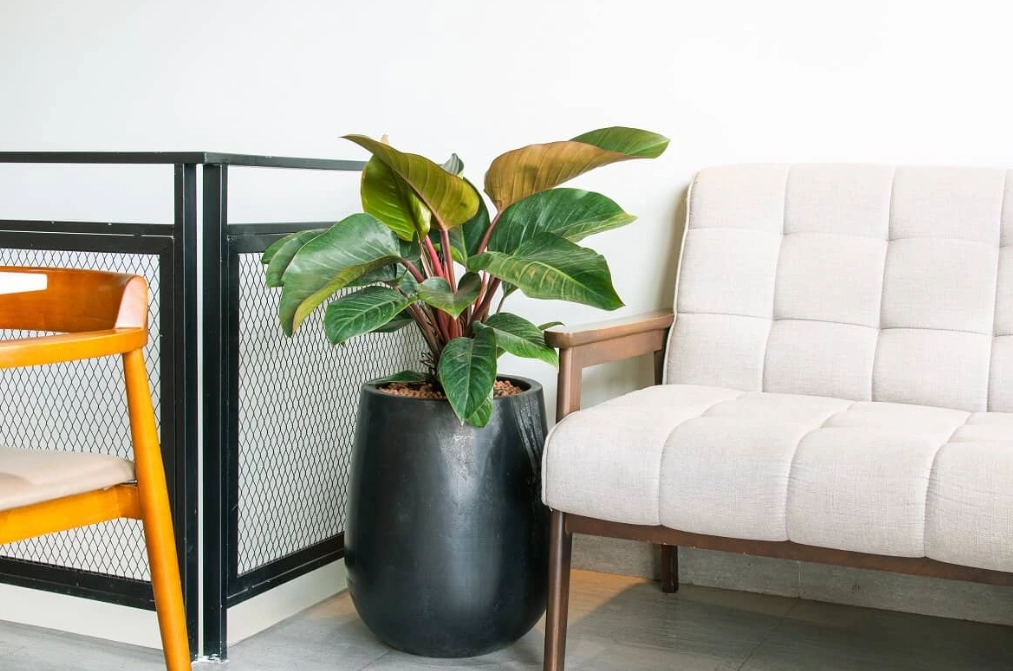
Let's clear up the confusion first. The "Red Imperial" is a cultivated variety, a hybrid. It's a self-heading philodendron, meaning it grows in a neat, upright rosette form rather than as a long, trailing vine. Its claim to fame is the foliage: new leaves emerge a shocking, deep red or burgundy, gradually maturing to a dark, glossy green with hints of bronze and red lingering, especially on the undersides and stems.
It's often confused with the 'Black Cardinal' or 'Rojo Congo'. The key difference? 'Imperial Red' tends to hold its red coloration longer on new growth and has a slightly more compact habit. I once bought a "Red Imperial" online that turned out to be a 'Rojo Congo'—the leaves were broader and the red faded faster. It was still a great plant, but not what I wanted.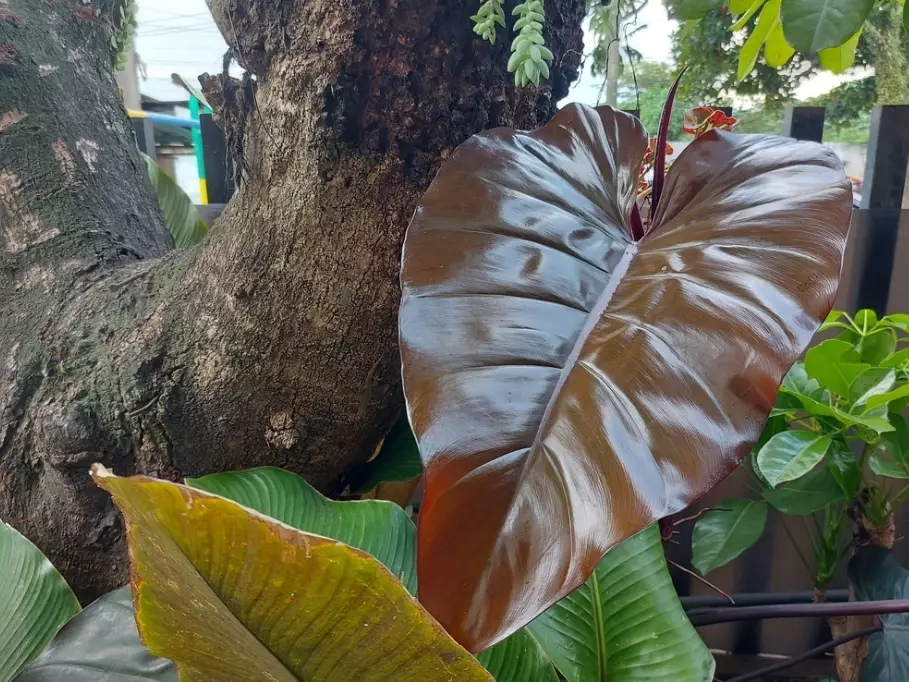
How to Care for Your Red Imperial Philodendron
Think of this plant's needs in tiers. Get the first tier (light and water) right, and you've solved 80% of potential issues.
Light: The Color Catalyst
This is the biggest lever you pull for leaf color. The plant needs bright, indirect light to produce those rich red pigments. A north or east-facing window is often ideal. A spot a few feet back from a south or west window works too, but watch for scorching.
Here's the nuance everyone misses: "bright indirect light" isn't just about placement; it's about duration and quality. A plant getting 4 hours of gentle morning sun will often color up better than one getting 2 hours of harsh afternoon sun. If your new leaves are coming in solid green, it's almost always a light issue. Don't just move it closer to the window—consider the type of light it receives.
Watering: The Root of Most Problems
Overwatering is the killer. Underwatering causes stress, but overwatering causes rot. Your goal is to keep the root ball evenly moist, not sopping wet.
My method, which hasn't failed me yet: I use a wooden chopstick. Stick it deep into the soil, leave it for a minute, and pull it out. If it comes out with damp soil sticking to it, wait. If it comes out mostly clean and cool, it's time to water. Ditch the weekly schedule. In my dry winter house, I water every 10-14 days. In humid summer, it might be every 7-10. The plant tells you.
Soil, Pot, and Fertilizer: The Support System
This plant needs air at its roots. A standard, dense potting soil will suffocate it. You need a chunky, well-aerated mix.
A simple DIY recipe I use: 50% high-quality indoor potting mix (like FoxFarm or Promix), 30% orchid bark (for chunkiness and air), and 20% perlite or pumice (for drainage). This creates a mix that holds some moisture but lets excess water flow through instantly.
Pot choice matters. Always use a pot with drainage holes. Terracotta is excellent for beginners because it wicks away moisture, reducing overwatering risk. Plastic is fine if you're confident in your watering.
Fertilize during the active growing season (spring and summer). A balanced, water-soluble fertilizer (like a 10-10-10 or 20-20-20) diluted to half strength every 4-6 weeks is perfect. In fall and winter, stop or fertilize only once. Over-fertilizing leads to salt buildup and brown leaf tips.
| Care Aspect | What It Wants | What To Avoid |
|---|---|---|
| Light | Bright, indirect light (e.g., near an east window). | Direct hot afternoon sun; deep shade. |
| Water | Water when top 1-2 inches of soil are dry. Soak thoroughly. | Keeping soil constantly wet; watering on a strict schedule. |
| Humidity | 40-60%. Tolerates average home humidity. | Very dry air ( |
| Temperature | 65-80°F (18-27°C). | Drafts (hot or cold) and temperatures below 55°F (13°C). |
| Soil | Airy, well-draining mix (see recipe above). | Heavy, moisture-retentive garden soil or dense potting mix. |
Solving Common Red Imperial Philodendron Problems
Let's diagnose the visual cues your plant is giving you.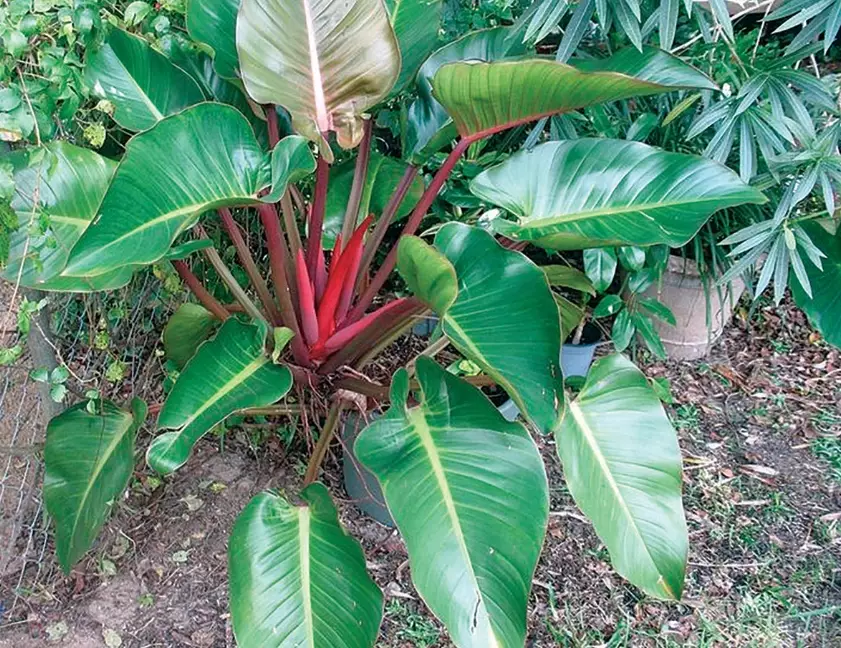
Yellowing Leaves: The most common alarm. If it's an older, lower leaf turning yellow slowly, it's likely natural senescence. If multiple leaves or new growth is yellowing, it's usually overwatering. Check the soil and roots. Mushy, brown roots confirm rot.
Brown, Crispy Leaf Tips or Edges: This is typically low humidity or, more often, inconsistent watering—letting the plant get too dry between waterings, then drowning it. Fluoride or salts in tap water can also cause this. Try using filtered or distilled water for a few waterings to see if it improves.
Leggy Growth with Small Leaves: Your plant is stretching for light. It needs a brighter spot.
Pests: Keep an eye out for mealybugs (look like tiny cotton balls) and spider mites (fine webbing, stippled leaves). A regular shower in the sink or wiping leaves with a damp cloth does wonders for prevention. For infestations, insecticidal soap or neem oil works. The Missouri Botanical Garden's plant care guides often recommend similar non-chemical controls first.
How to Propagate Your Plant
You can't take stem cuttings from a self-heading philodendron like you would a vining one. The primary method is division.
When your plant is mature and has multiple growth points (it looks like several plants in one pot), you can carefully remove it from its pot during repotting. Gently tease apart the root ball into separate sections, each with its own roots and stems. Pot each division into its own container with fresh soil. Water lightly and keep in bright, indirect light. It might sulk for a week or two, but then it'll take off.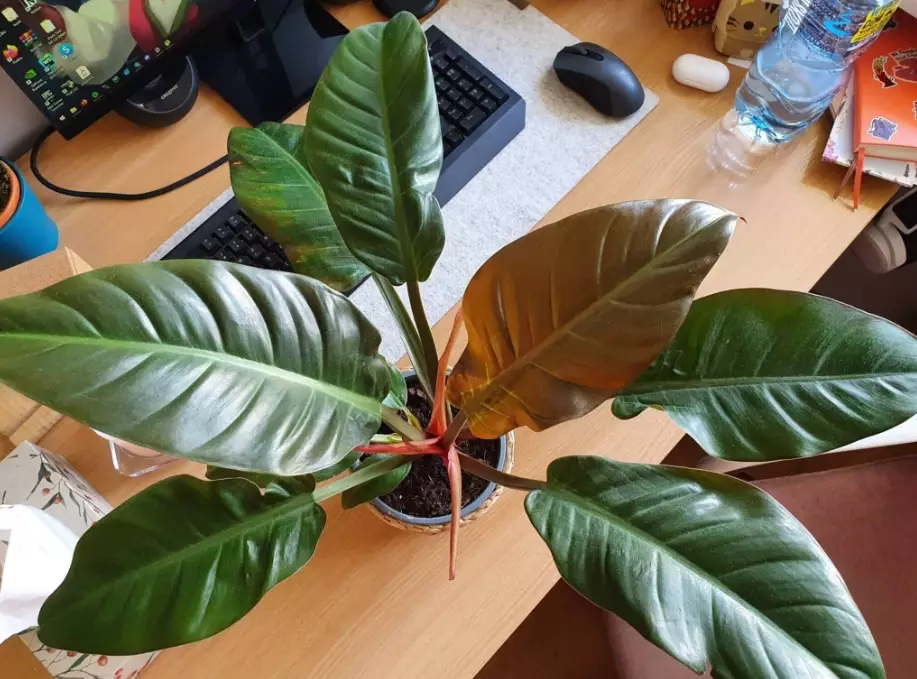
Your Questions, Answered
 How do I make my Red Imperial Philodendron more red?


Comments