Cutting your aloe vera plant feels like a high-stakes operation, doesn't it? One wrong move and you fear you might ruin a plant that's been thriving for years. I've been there. The good news is, it's far simpler than it seems. Done correctly, pruning an aloe vera isn't just safe—it's essential for the plant's health and your supply of that miraculous gel. This guide will walk you through the entire process, from choosing the right leaf to ensuring your plant bounces back stronger.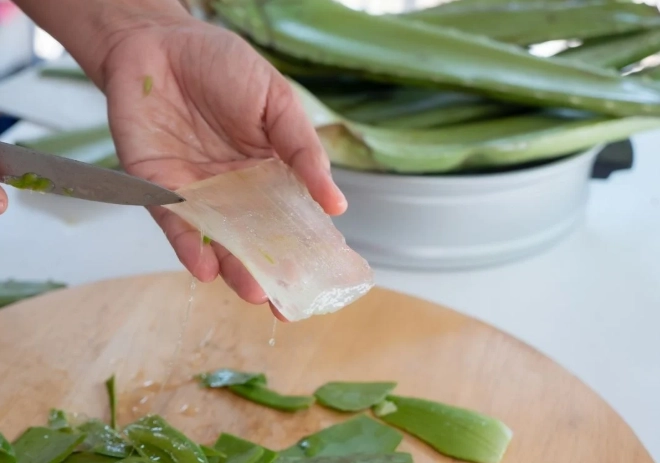
What You'll Learn in This Guide
Why You Need to Prune Your Aloe Plant
Most people think about cutting aloe only when they need a burn salve. That's a missed opportunity. Regular, thoughtful pruning does three critical things.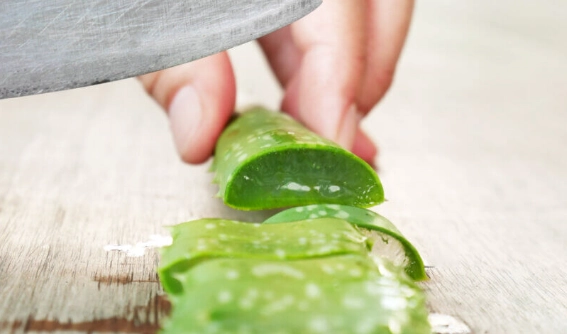
First, it removes energy drains. Old, damaged, or discolored leaves (often at the bottom) are past their prime. The plant spends resources trying to maintain them. Snipping them off redirects energy to pushing out vibrant new growth from the center.
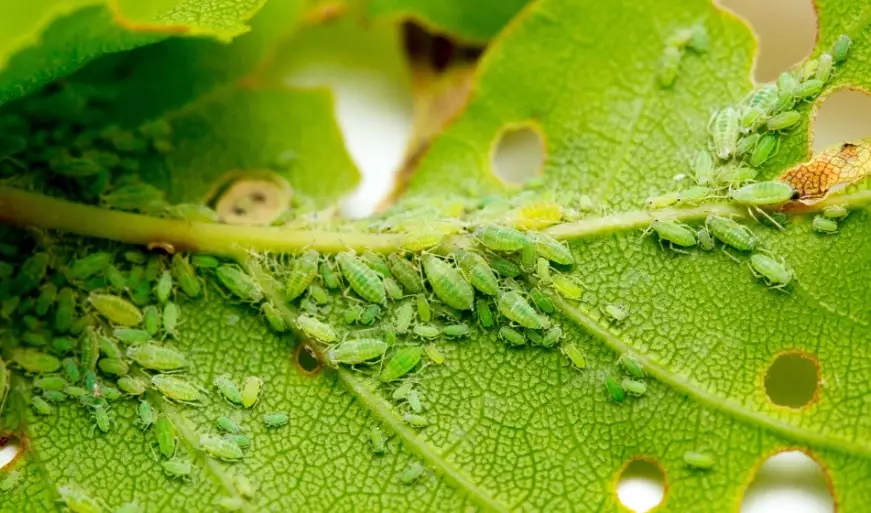
Second, it prevents disease and pests. Crowded, overlapping leaves create a humid, dark environment perfect for mold and bugs. I once lost a beautiful specimen to a mealybug infestation that started deep in an unpurged thicket of old leaves. Opening up the plant base improves airflow dramatically.
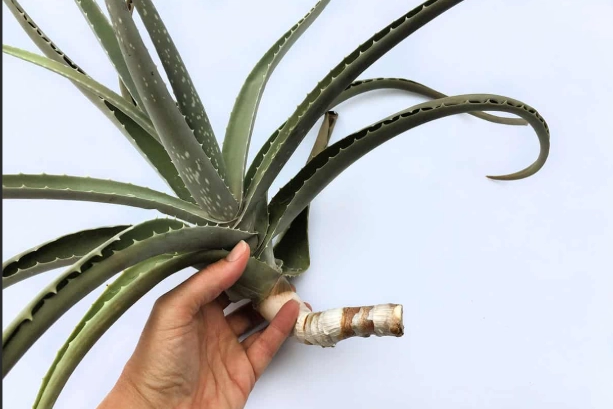
Finally, it manages size and encourages pups. A pot-bound aloe that's never pruned becomes top-heavy and unstable. Pruning lower leaves and, if needed, the main stem, can stimulate the mother plant to produce offsets (baby plants), giving you more aloes to spread around or gift.
It's not just about taking—it's about giving the plant a better life.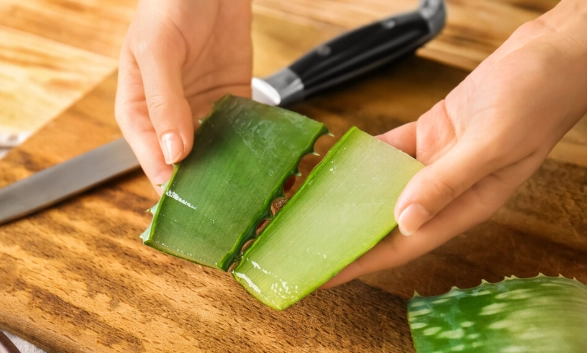
Essential Tools for Cutting Aloe Vera
You don't need a surgical suite, but using the right tool is 50% of the battle. A clean, sharp cut heals fast. A ragged, crushed one invites trouble.
My Non-Negotiables: A sharp, clean knife or pair of pruning shears. Rubbing alcohol for sterilization. A clean cloth or paper towel. That's the core kit. Optional items include a bowl for gel collection and a tray to work on.
Let's break down the tool choice, because this is where most online advice gets vague.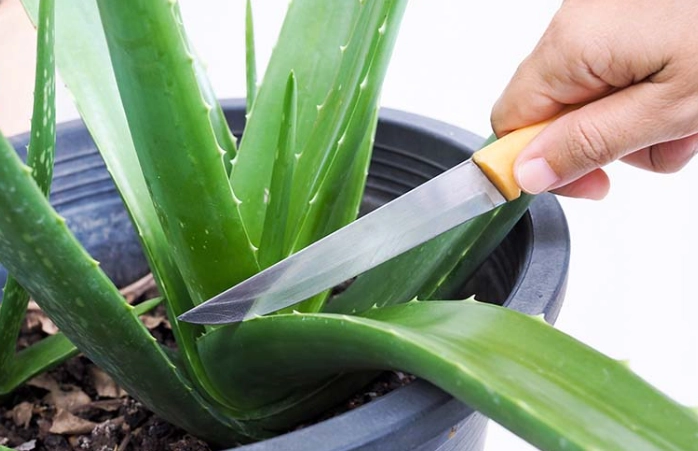
| Tool | Best For | Pro Tip |
|---|---|---|
| Sharp Kitchen Knife | Harvesting a few outer leaves for gel. Provides a clean, straight slice. | Serrated knives can tear. Use a smooth, sharp blade. Wipe with alcohol before and after. |
| Pruning Shears/Secateurs | Heavy pruning, removing thick stems, or cutting through tough, woody base sections. | Bypass pruners (scissor-action) are superior to anvil types for clean cuts on live plants. |
| Clean Hands & Fingers | Gently removing completely dried, papery leaves at the very bottom. Never for healthy tissue. | If it resists a gentle tug, use a tool. Forcing it will damage the plant's core. |
Sterilize your blade with rubbing alcohol every time you move to a new plant. It takes ten seconds and prevents transmitting any potential pathogens. I learned this the hard way after spreading a fungal issue between two of my succulents.
The Step-by-Step Cutting Process
Here's the exact sequence I follow every time I prune, whether it's for gel or plant health.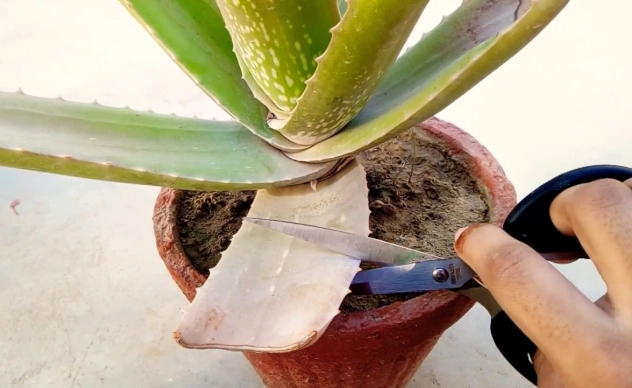
1. Identify the Right Leaf to Cut
Always, always choose an outer, mature leaf. These are the thickest, oldest leaves at the bottom of the rosette. They angle outward. The gel in these leaves is more potent and abundant. Cutting a young, central leaf stunts the plant's growth point. Look for leaves that are plump but maybe starting to brown at the tips or lie flat on the soil.
2. Make the Cut Close to the Base
This is the crucial moment. Position your sterilized blade as close to the main stem as possible without nicking it. You want to leave less than an inch of leaf base attached to the plant. Why so close? That leftover stump will brown, dry, and eventually you can twist it off cleanly. A long stump left attached just rots, which can spread to the stem.
Use a firm, decisive motion. Sawing back and forth damages plant cells. One clean slice.
3. Handle the Oozing Leaf
The cut leaf will immediately start oozing a yellow-brown sap called aloin or latex. This is a natural laxative and can be a skin irritant for some. Let it drain for a few minutes over a bowl or sink. Some guides say to stand it up in a glass. I find laying it on its side on a paper towel for 10-15 minutes works just fine. The goal is to let most of this sap drip out before you process the gel.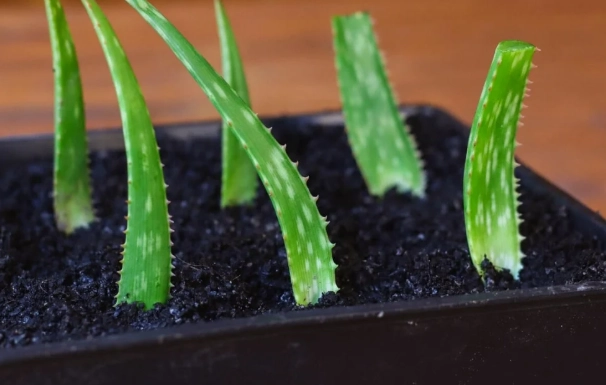
4. Tend to the Mother Plant
Don't just walk away! Look at the fresh cut on your aloe plant. If it's oozing, gently dab it with a paper towel. Then, leave it alone. Do not water it. Put the plant in a spot with bright, indirect light. That fresh wound needs to callus over, which takes 2-5 days. Watering before it calluses pushes water into the open tissue, a direct ticket to rot. This is the single most common post-pruning mistake.
How to Harvest and Store Aloe Vera Gel
Now for the rewarding part. Once your leaf has drained, rinse it and pat it dry.
Lay it flat on a cutting board. Using your clean knife, slice off the serrated edges (the spiky sides). Then, slice off the top and bottom flat "skin" of the leaf, like filleting a fish. What you're left with is a translucent, gelatinous block.
Scoop this gel out with a spoon into a clean bowl. You can use it immediately. For storage, I'm skeptical of methods claiming it lasts weeks in the fridge. Pure, fresh aloe gel oxidizes and breaks down quickly. The best method is freezing it in ice cube trays. Once frozen, pop the cubes into a sealed bag. One cube is perfect for a sunburn or a face mask. Research from the National Center for Biotechnology Information notes that proper processing and cold storage are key to preserving aloe's bioactive compounds.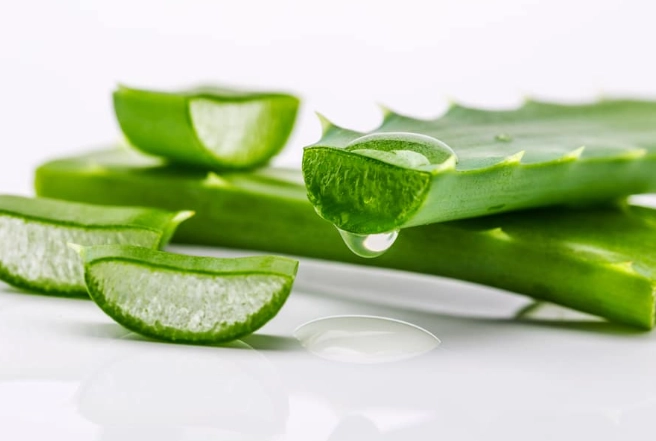
For a longer-lasting fridge option, blend the gel with a few drops of vitamin E oil or citrus juice (like lemon) as a natural preservative. It might last 7-10 days this way.
Common Mistakes to Avoid When Pruning
After years of growing—and occasionally harming—my aloes, here are the subtle errors I see everyone make.
Cutting the Wrong Leaves: The urge to take a big, beautiful inner leaf is strong. Resist. It's the plant's growth engine. Always take from the outer ring.
Using Dull or Dirty Tools: A blunt blade mashes the vascular tubes shut, preventing the plant from sealing the wound properly. It's like pinching a hose instead of cutting it cleanly.
Over-pruning in One Session: Never remove more than 1/3 of the plant's leaves at once. It sends the plant into shock. If you have a lot to remove, space it out over a few weeks.
Watering Immediately After Cutting: I mentioned it, but it's worth repeating. That open wound needs dry air to heal. Water is the enemy here. Wait at least 3-4 days, maybe a week if the cut was large.
Ignoring the Plant's Season: The best time to prune is in the warm, active growing seasons of spring and early summer. The plant heals fastest then. Pruning in dormant winter months can lead to slow recovery and rot.
Your Aloe Cutting Questions Answered
My aloe leaf is oozing a lot of yellow sap after cutting. Did I ruin it?
The leaf I cut is turning red or brown at the cut end. Is this rot?
I pruned my aloe, and now the remaining leaves are getting soft and droopy. What did I do wrong?
Can I propagate a new aloe plant from a leaf I cut off?
How often should I harvest leaves from the same plant?

Comments